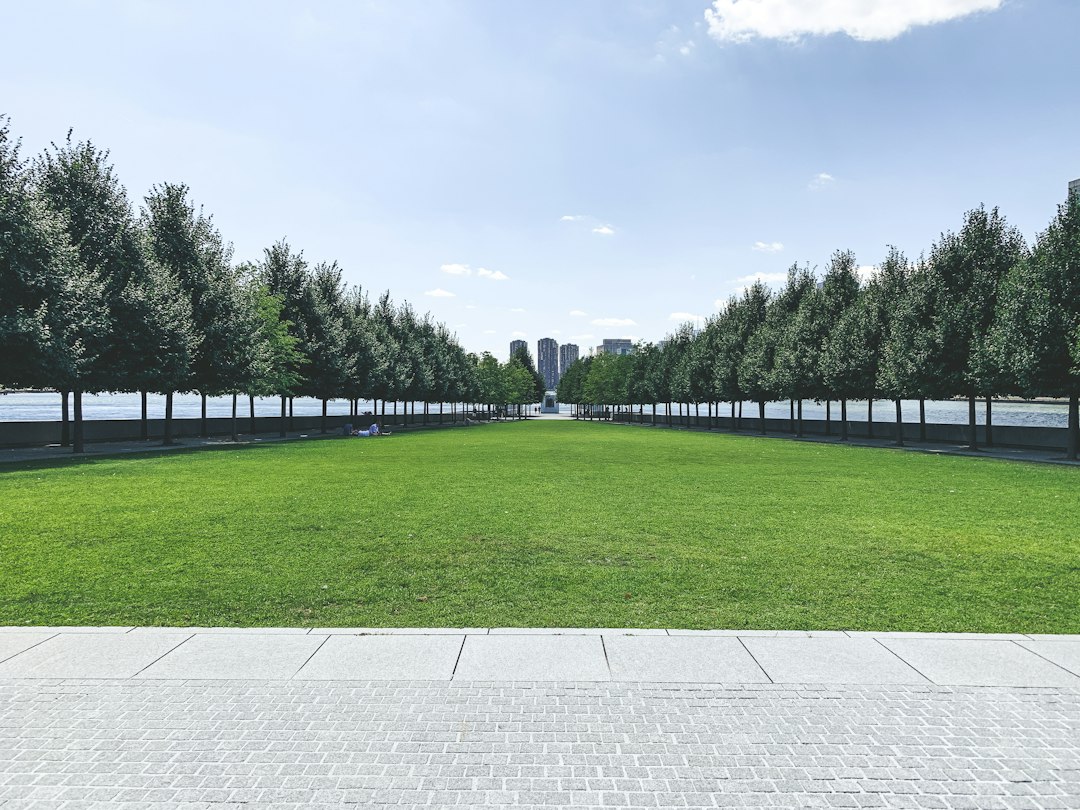
The Yungay Memorial Landscape stands as a poignant testament to remembrance, a place where history is not merely recalled but deeply felt, interwoven with the enduring beauty of nature. Nestled in the shadow of the mighty Andes, this sacred ground in Peru offers a profound experience for visitors, a journey through tragedy and resilience, artfully preserved and presented through the lens of landscape architecture. It is a place that transcends simple memorialization, inviting contemplation on the cyclical nature of life, destruction, and rebirth, all within a setting designed to evoke emotion and inspire reflection. The memorial’s genesis lies in the devastating 1970 Ancash earthquake and the subsequent catastrophic avalanche that buried the vibrant city of Yungay. Within minutes, thousands of lives were extinguished, and a thriving community was reduced to rubble and ice. The sheer scale of the loss was unfathomable, a scar etched deep into the Peruvian consciousness. However, from this profound tragedy, a powerful vision emerged: to create a space that honored the lost souls, preserved their memory, and offered a sanctuary for healing and remembrance. The Yungay Memorial Landscape is the physical manifestation of this vision, a meticulously designed environment that uses natural elements and symbolic artistic interventions to tell the story of Yungay and its people.
Echoes of the Avalanche: The Genesis of a Memorial
The story of the Yungay Memorial Landscape is inextricably linked to the cataclysm of May 31, 1970. On that fateful afternoon, a magnitude 7.9 earthquake struck central Peru. While the quake itself caused widespread devastation, it was the subsequent event that sealed Yungay’s fate. A massive section of Mount Huascarán, Peru’s highest peak, dislodged, unleashing an enormous avalanche of rock, ice, and mud that thundered down the mountain at incredible speeds. The icy debris, mixed with earth and debris from the mountain, formed a colossal flow that swept over the valley, engulfing Yungay and its inhabitants. The town, known for its agricultural richness and vibrant cultural life, vanished in a matter of minutes. The sheer force of the avalanche was immense; it was reported that the debris flow moved at speeds exceeding 100 miles per hour, carrying boulders the size of houses and burying everything in its path under an estimated 50 feet of material. The human cost was staggering. Of Yungay’s population of roughly 20,000, only a few thousand survived. The beloved city, a jewel of the Callejon de Huaylas, was gone, its existence reduced to a tragic footnote in Peruvian history.
The Scarred Earth: Immediate Aftermath and The Birth of a Vision
In the immediate aftermath of the avalanche, the scene was one of unimaginable devastation. Survivors, many of them miraculously rescued from the fringes of the disaster, were left to confront a landscape utterly transformed. The once fertile plains were now a desolate expanse of mud and ice. The remnants of homes, churches, and businesses were buried, their existence only hinted at by the occasional protruding wall or a shattered piece of pottery. The scale of the loss was so profound that any thought of immediate rebuilding in the same location was rendered impossible. Instead, a deep sense of collective grief and a profound desire to remember took root. It was in this atmosphere of sorrow and loss that the seeds of the memorial began to sprout. The surviving population, along with national and international support, recognized the need to establish a lasting tribute to those who perished. This wasn’t just about mourning; it was about preserving the memory of Yungay, its people, and their way of life, ensuring that their story would not be lost to time or the overwhelming power of nature. The idea of a memorial began to take shape, not as a simple monument, but as a comprehensive landscape that could encapsulate the multifaceted experience of the event and its aftermath.
A Collective Call for Remembrance: The Planning and Design Process
The creation of the Yungay Memorial Landscape was not an undertaking of a single architect or entity, but rather a collaborative effort born from a shared need to honor the past. The process involved survivors, local communities, government agencies, and landscape architects who brought their expertise and their hearts to the project. The primary objective was to design a space that was both respectful of the tragedy and hopeful for the future. It needed to acknowledge the immense loss without dwelling solely on despair, to create a place for contemplation, remembrance, and eventually, a symbol of resilience. The design philosophy centered on integrating the natural environment with artistic and symbolic elements. The scarred landscape itself became a canvas, and the designers sought to work with, rather than against, the terrain. The challenge was to translate the raw emotions associated with the avalanche – grief, loss, shock, and ultimately, survival – into a tangible, experiential space. This involved careful consideration of scale, materials, pathways, and planting, all intended to guide visitors through a narrative of remembrance and reflection.
The Yungay memorial landscape, a poignant tribute to the victims of the 1970 earthquake and avalanche, is not only a site of remembrance but also a testament to the resilience of the local community. For those interested in exploring more about the significance of memorial landscapes and their impact on cultural identity, a related article can be found at My Geo Quest, which delves into various memorial sites around the world and their historical contexts.
The Landscape as Narrator: Design Principles and Symbolic Elements

The Yungay Memorial Landscape is a masterclass in how landscape architecture can be employed to tell a story, evoke emotion, and foster a sense of connection to history. It is not a collection of static monuments; rather, it is a dynamic environment where every element, from the sweeping contours of the land to the smallest cultivated plant, serves a purpose in the broader narrative of remembrance. The designers understood that the overwhelming power of nature, the force that brought such destruction, could also be harnessed to create beauty and inspire contemplation. The landscape is therefore designed to engage multiple senses, drawing visitors into a dialogue with the past. The raw power of the avalanche, the vulnerability of human life, and the enduring spirit of resilience are all subtly conveyed through the thoughtful arrangement of natural and man-made elements.
Sculpted Earth and Water: Shaping the Narrative of Loss and Renewal
One of the most striking aspects of the Yungay Memorial Landscape is its skillful manipulation of the earth itself. The designers did not shy away from the scars left by the avalanche; instead, they embraced them. Gently sculpted earthworks mimic the contours of the land after the debris flow, creating a topographical narrative that guides visitors through the site. These undulations are not merely aesthetic; they serve to delineate different zones of remembrance and contemplation. Water features, often symbolizing life and renewal, are strategically placed. Reflecting pools capture the sky and the surrounding mountains, offering moments of serene introspection. Channels of water flowing through the landscape can evoke the memory of the streams that once flowed through Yungay, or perhaps the sheer force of the water that accompanied the avalanche. The interplay of earth and water creates a dynamic tension, reflecting both the destructive force of nature and its capacity for healing and regeneration.
Green Oases and Silent Sentinels: Flora and Fauna as Symbols of Life and Memory
The plant life within the Yungay Memorial Landscape is far from arbitrary. Every species chosen, every garden bed cultivated, carries symbolic weight. Lush greenery, vibrant flowers, and mature trees stand in stark contrast to the devastation that once occurred. These are not just decorative plantings; they represent the enduring power of life, the resilience of nature, and the hope for a flourishing future. Certain plants may have been endemic to the region before the avalanche, serving as living links to the past. Others might be chosen for their symbolic meanings, such as peace, remembrance, or eternal life. The careful selection and arrangement of flora create a sense of sanctuary and tranquility, offering a peaceful counterpoint to the solemnity of the memorial. In addition to flora, the presence of fauna, through bird song or the occasional glimpse of local wildlife, further reinforces the theme of life’s persistence.
Artistic Interventions: Sculptures that Speak Without Words
Scattered throughout the memorial are carefully placed artistic interventions, primarily sculptures, that add another layer to the narrative. These are not grand, imposing statues, but rather subtle yet powerful works that resonate with the spirit of the place. Some sculptures might be abstract, evoking the chaotic force of the avalanche or the fragility of human existence. Others might be more figurative, perhaps representing the lost souls or the enduring spirit of the community. These artistic elements are integrated seamlessly into the landscape, becoming part of the natural flow of the memorial. They invite personal interpretation and emotional connection, speaking to visitors on a deeper, more intuitive level. The artists involved in this project understood the delicate balance required – to create art that honors the tragedy without exploiting it, and to foster remembrance without perpetuating an atmosphere of perpetual sorrow.
Pathways to Reflection: Navigating the Memorial Experience

The design of the Yungay Memorial Landscape is intrinsically linked to the visitor’s journey through the space. The pathways are not merely utilitarian routes; they are integral to the narrative, guiding individuals through different emotional and historical zones. The experience is carefully curated, intended to lead visitors from an awareness of the past tragedy to a sense of present contemplation and future hope. The memorial’s layout encourages a slow, deliberate exploration, allowing for moments of pause and reflection. Each turn in the path, each vista revealed, is designed to elicit a specific emotional response or to deepen understanding of the events that transpired.
The Journey Through the Zones of Memory
Upon entering the memorial, visitors are often greeted with a sense of expansive space, perhaps a gentle introduction to the scale of the event. As they move deeper into the landscape, the design subtly shifts, leading them through distinct zones. One might encounter areas that evoke the pre-avalanche Yungay, perhaps through the recreated layout of streets or remnants of buildings, preserved as poignant reminders of what was lost. These areas might be more serene, encouraging quiet reflection on the lives that were lived. Further along, the landscape might become more dramatic, with earthworks that subtly hint at the forces of the avalanche. This could be a space designed for more somber contemplation, where the raw power of nature and its devastating consequences are palpable. The memorial is designed to facilitate a progression, moving from an acknowledgement of the loss to a more profound understanding of the human spirit’s resilience.
Designated Areas for Commemoration and Contemplation
Throughout the memorial, specific areas are designated for individual and collective commemoration. These might include quiet seating areas surrounded by lush vegetation, where visitors can sit and reflect. Memorial walls or plaques might bear the names of the lost, offering a tangible connection to the individuals who perished. There could also be larger gathering spaces, designed for ceremonies or group remembrance, where the community can come together to honor their ancestors. The placement of these areas is strategic, ensuring they are both accessible and offer a sense of privacy and intimacy. The intention is to provide visitors with the tools and the environment necessary to engage with the memorial on a personal level, allowing them to find their own meaning and solace within the space.
The Embrace of Nature: Fostering Peace and Healing
Ultimately, the Yungay Memorial Landscape seeks to foster peace and healing through its profound connection with nature. The vastness of the surrounding mountains, the gentle rustling of leaves, the warmth of the sun – these natural elements contribute to a sense of calm and restoration. By integrating the memorial within such a beautiful and powerful natural setting, the designers have created a space that is not only a site of remembrance but also a sanctuary. It is a place where grief can be processed, where memories can be cherished, and where a sense of hope can be rekindled. The very act of being present in this beautifully designed natural environment can be a therapeutic experience, allowing visitors to reconnect with themselves and with the enduring cycle of life.
A Living Legacy: Preserving History for Future Generations
The Yungay Memorial Landscape is more than just a tribute to the past; it is a dynamic and evolving entity, a living legacy dedicated to preserving the memory of Yungay for generations to come. The success of such a memorial lies not only in its initial design and construction but also in its ongoing stewardship and its ability to continue to resonate with new audiences. The memorial serves as an educational tool, a place where the lessons of the past can be shared and understood, ensuring that the tragic events of 1970 are never forgotten.
Education Through Experience: The Memorial as a Teaching Tool
The Yungay Memorial Landscape functions as a powerful educational resource. By allowing visitors to walk through a thoughtfully designed environment that encapsulates the story of the avalanche, the memorial offers a visceral and deeply impactful learning experience. It goes beyond textbook accounts, engaging emotions and fostering empathy. Educational programs, guided tours, and interpretive signage can further enhance the learning aspect, providing context and deeper understanding of the historical, geological, and human dimensions of the tragedy. The memorial serves as a constant reminder of the fragility of human life in the face of nature’s power, and the importance of preparedness and resilience.
Ongoing Stewardship and Community Involvement
The long-term success of the Yungay Memorial Landscape depends on its ongoing stewardship and the active involvement of the local community. Regular maintenance of the landscape, preservation of the artistic elements, and the continuation of remembrance ceremonies are crucial. The community of Yungay, having endured the tragedy firsthand, plays a vital role in keeping the memory alive. Their stories, their traditions, and their continued connection to the land ensure that the memorial remains a meaningful and relevant space. Supporting local initiatives related to the memorial, such as the planting of new trees or the restoration of pathways, further strengthens its enduring legacy.
A Symbol of Resilience and Hope for the Future
Despite its origins in immense tragedy, the Yungay Memorial Landscape ultimately stands as a powerful symbol of resilience and hope. It demonstrates humanity’s capacity to confront loss, to honor the past, and to build a future grounded in remembrance and respect. The memorial encourages visitors to reflect on their own lives, to appreciate the preciousness of existence, and to find strength in community and in the enduring beauty of the natural world. It is a testament to the fact that even from the deepest sorrow, life can find a way to bloom again, and that the memory of those lost can inspire strength and a commitment to building a better tomorrow. The landscape, in its quiet dignity and its profound connection to both history and nature, offers a timeless message of remembrance, respect, and the enduring power of the human spirit.
The Yungay memorial landscape serves as a poignant reminder of the tragic events that unfolded in 1970, when an avalanche buried the town and its inhabitants. To gain a deeper understanding of the historical context and the significance of this memorial, you can explore a related article that delves into the impact of natural disasters on communities and their resilience. This insightful piece can be found here, providing valuable perspectives on how memorials like Yungay’s play a crucial role in preserving memory and fostering healing.
The Enduring Power of Place: Yungay’s Legacy in the Heart of the Andes
| Metric | Details |
|---|---|
| Location | Yungay, Ancash Region, Peru |
| Event Commemorated | 1970 Ancash Earthquake and Avalanche |
| Date of Event | May 31, 1970 |
| Casualties | Approximately 20,000 people |
| Area Covered | Approximately 1.5 square kilometers |
| Key Features | Memorial plaza, preserved ruins, interpretive signage |
| Annual Visitors | Estimated 10,000 – 15,000 |
| Established | 1971 |
| Purpose | To honor victims and educate about natural disasters |
The Yungay Memorial Landscape is more than just a site of historical significance; it is an embodiment of the human spirit’s capacity for remembrance, resilience, and artistic expression in the face of profound tragedy. Nestled within the breathtaking grandeur of the Andes, it serves as a powerful reminder of the immense forces of nature and the ephemeral nature of human endeavors, yet also of the enduring power of memory and the capacity for healing through art and landscape. Its existence is a testament to the collective will of a community to honor its lost loved ones and to create a sanctuary where grief can be processed and where hope can be nurtured.
The Sacred Geometry of Remembrance
The meticulous design of the memorial landscape is a crucial element in its ability to evoke emotion and facilitate remembrance. The use of sacred geometry, though perhaps not explicitly stated, can be inferred in the thoughtful arrangement of elements. The circular pathways that often lead visitors through specific sections, the symmetrical planting of certain areas, and the deliberate placement of focal points – these are all techniques that guide the eye and the mind, creating a sense of order within the chaos of memory. The landscape becomes a stage upon which the story of Yungay unfolds, with each element meticulously positioned to contribute to the overall narrative. The gentle slopes and subtle inclines of the earthworks are not random; they echo the natural topography of the region and, in a more profound sense, the transformative impact of the avalanche. This deliberate “sculpting” of the earth creates a physical manifestation of the event, allowing visitors to feel the weight of history beneath their feet.
The Symbiotic Relationship Between Nature and Memory
The enduring power of the Yungay Memorial Landscape lies in its profound symbiosis between nature and memory. The designers understood that nature itself possesses an innate ability to heal and to inspire. By integrating the memorial within the natural beauty of the Andes, they have created a space that is both grounding and uplifting. The vastness of the mountain peaks serves as a constant reminder of nature’s immense power, while the cultivated gardens and serene water features offer a sense of peace and tranquility. The plant life, carefully chosen for its symbolic meaning and its ability to thrive in the local climate, represents the continuity of life and the persistent beauty of the natural world. The scent of flowers, the rustling of leaves, the songs of birds – these sensory experiences all contribute to the memorial’s ability to evoke deep emotions and to foster a sense of connection to both the past and the present. The landscape does not merely contain the memory; it actively participates in its evocation, becoming an essential partner in the act of remembrance.
The Universal Language of Loss and Hope
The Yungay Memorial Landscape speaks a universal language, one that transcends cultural and linguistic barriers. While rooted in a specific historical event, the themes of loss, remembrance, and resilience are experiences that resonate with people across the globe. Visitors from all walks of life can find solace, inspiration, and a deeper understanding of the human condition within its serene embrace. The memorial serves as a poignant reminder that even in the face of unimaginable devastation, humanity possesses an extraordinary capacity for rebuilding, for remembering, and for finding hope in the enduring beauty of the world around us. Yungay’s story, preserved and honored through this remarkable landscape, stands as a powerful testament to the enduring spirit of life and the profound connection between history, nature, and the human heart. It is a place that, once experienced, stays with you, a quiet whisper of remembrance carried on the Andean winds.
The Social Security Mistake At 62 That Could Ruin Your Spouse’s Retirement
FAQs
What is the Yungay memorial landscape?
The Yungay memorial landscape is a memorial site located in Yungay, Peru, dedicated to the victims of the 1970 Ancash earthquake.
How many people lost their lives in the 1970 Ancash earthquake?
It is estimated that over 70,000 people lost their lives in the 1970 Ancash earthquake, making it one of the deadliest natural disasters in Peruvian history.
What can visitors expect to see at the Yungay memorial landscape?
Visitors to the Yungay memorial landscape can expect to see a mass grave, a monument commemorating the victims, and a museum displaying artifacts and information about the earthquake.
When was the Yungay memorial landscape established?
The Yungay memorial landscape was established in 1973, three years after the devastating earthquake, as a way to honor and remember the victims of the tragedy.
Is the Yungay memorial landscape a popular tourist attraction?
Yes, the Yungay memorial landscape is a popular tourist attraction for those interested in learning about the history of the 1970 Ancash earthquake and paying their respects to the victims.