
Yuma, Arizona, is often referred to as the “Winter Lettuce Capital of the World,” a title that underscores the significance of its agricultural sector. The region’s agricultural success is heavily reliant on a consistent and reliable water supply, primarily sourced from the Colorado River. This water is not merely a resource; it is the lifeblood of Yuma’s economy and community.
The availability of agricultural water enables farmers to cultivate a diverse array of crops, including vegetables, melons, and grains, which are essential not only for local consumption but also for national and international markets. The agricultural output from Yuma contributes significantly to food security, providing fresh produce to millions of people across the United States. Moreover, the importance of Yuma’s agricultural water extends beyond economic factors.
It plays a crucial role in sustaining the local ecosystem and maintaining the region’s biodiversity. The irrigation practices employed by farmers help to create habitats for various species, contributing to the overall health of the environment. As such, the management and conservation of agricultural water in Yuma are paramount, not only for the prosperity of its agricultural sector but also for the ecological balance of the region.
Key Takeaways
- Yuma’s agriculture heavily depends on Colorado River water, crucial for its economy and food production.
- Historical water rights and legal frameworks shape Yuma’s access to Colorado River water.
- Drought and environmental challenges threaten the sustainability of Yuma’s agricultural water supply.
- Conservation efforts, technological innovations, and partnerships are key to managing and preserving Yuma’s water resources.
- The future of Yuma’s water involves balancing agricultural needs, environmental concerns, and legal-political complexities.
The History of Colorado River Water in Yuma
The history of Colorado River water in Yuma is deeply intertwined with the development of the American West. The river has been a vital source of water for centuries, initially utilized by Indigenous peoples who thrived in its fertile floodplains. However, as settlers moved into the area in the late 19th century, the demand for water increased dramatically.
The establishment of irrigation systems marked a turning point in Yuma’s agricultural landscape, allowing farmers to harness the river’s resources more effectively. The construction of dams and canals facilitated the distribution of water, transforming arid land into productive farmland. In 1922, the Colorado River Compact was established, allocating water rights among seven states that rely on the river.
This agreement laid the groundwork for future water management in Yuma and highlighted the importance of cooperative governance in addressing water scarcity. Over the decades, various treaties and legal frameworks have shaped how water is allocated and used in Yuma, reflecting ongoing negotiations among stakeholders. Understanding this historical context is essential for grasping the complexities surrounding Yuma’s agricultural water today.
The Role of Agriculture in Yuma’s Economy

Agriculture serves as a cornerstone of Yuma’s economy, providing jobs and generating revenue for the local community. The region’s favorable climate and fertile soil create ideal conditions for year-round farming, attracting both large-scale agribusinesses and small family farms. According to recent statistics, agriculture contributes billions of dollars annually to Yuma’s economy, making it one of the leading agricultural regions in the United States.
The diversity of crops grown in Yuma not only supports local markets but also positions the area as a key player in national food production. In addition to direct economic contributions, agriculture in Yuma fosters a network of ancillary industries, including transportation, processing, and retail. These interconnected sectors create a robust economic ecosystem that supports thousands of jobs and sustains local businesses.
Furthermore, agriculture plays a vital role in community identity and culture, with many families having deep-rooted ties to farming traditions that span generations. As such, any threats to agricultural water resources could have far-reaching implications for Yuma’s economy and social fabric.
Challenges and Threats to Yuma’s Agricultural Water
Despite its significance, Yuma’s agricultural water faces numerous challenges and threats that jeopardize its sustainability. One major concern is the increasing competition for water resources among various users, including urban areas, industrial sectors, and environmental needs. As populations grow and climate change exacerbates water scarcity, farmers in Yuma find themselves competing for limited supplies.
This competition can lead to conflicts over water rights and allocation, creating uncertainty for agricultural producers who rely on consistent access to water. Additionally, environmental factors such as drought and changing weather patterns pose significant risks to Yuma’s agricultural water supply. The region has experienced fluctuations in precipitation and rising temperatures, which can impact crop yields and irrigation practices.
Farmers must adapt to these changes while navigating complex regulatory frameworks that govern water use.
The Impact of Drought on Yuma’s Water Supply
| Metric | Value | Unit | Notes |
|---|---|---|---|
| Annual Water Use | 1,200,000 | Acre-Feet | Estimated agricultural water use from Colorado River in Yuma |
| Primary Crops | Lettuce, Alfalfa, Melons | — | Main crops irrigated using Colorado River water |
| Irrigated Land Area | 230,000 | Acres | Approximate area of farmland irrigated in Yuma |
| Water Delivery Source | Colorado River | — | Primary source of irrigation water |
| Water Efficiency | 75 | Percent | Estimated irrigation efficiency in Yuma agriculture |
| Annual Crop Yield | 1,500,000 | Short Tons | Total agricultural production from irrigated land |
Drought has emerged as one of the most pressing challenges facing Yuma’s water supply in recent years. Prolonged periods of low rainfall have led to decreased river flows and reduced reservoir levels, directly impacting agricultural operations. Farmers are often forced to make difficult decisions regarding crop selection and irrigation practices as they grapple with dwindling water resources.
The economic implications of drought are profound; reduced crop yields can lead to financial strain for farmers and ripple effects throughout the local economy. Moreover, drought conditions can exacerbate existing tensions surrounding water rights and allocation. As water becomes scarcer, disputes may arise among different stakeholders vying for access to limited supplies.
This situation underscores the need for proactive measures to address drought resilience in Yuma’s agricultural sector. Implementing efficient irrigation technologies and exploring alternative water sources are critical steps that farmers can take to mitigate the impacts of drought on their operations.
The Efforts to Conserve and Manage Yuma’s Water Resources
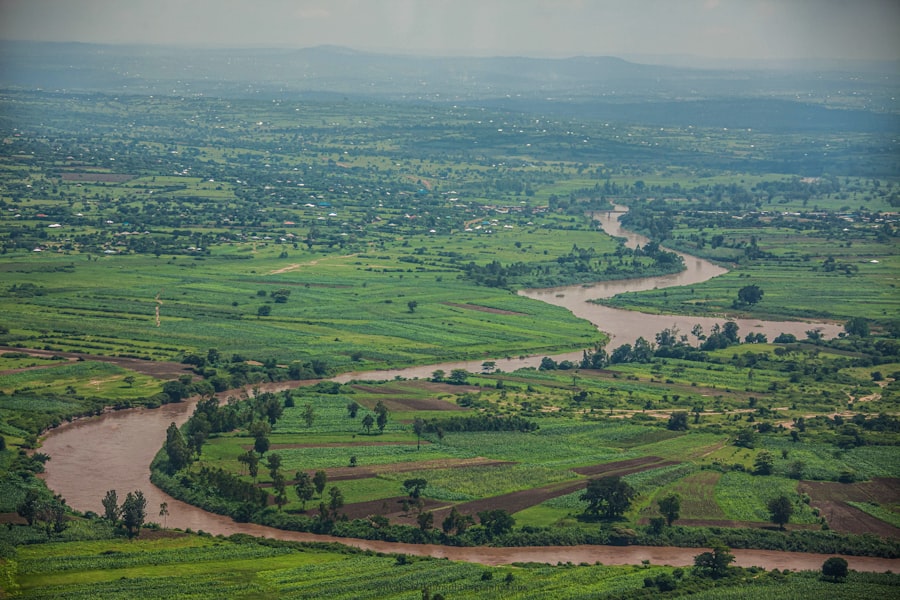
In response to the challenges posed by water scarcity, various efforts have been initiated to conserve and manage Yuma’s water resources effectively. Local government agencies, agricultural organizations, and environmental groups have come together to develop strategies aimed at promoting sustainable water use. These initiatives often focus on improving irrigation efficiency through modern technologies such as drip irrigation systems and soil moisture sensors.
By optimizing water application, farmers can reduce waste while maintaining crop productivity. Additionally, education and outreach programs play a vital role in fostering a culture of conservation within the agricultural community. Workshops and training sessions provide farmers with valuable information on best practices for water management, empowering them to make informed decisions about their operations.
Collaborative efforts among stakeholders are essential for creating a comprehensive approach to water conservation that addresses both agricultural needs and environmental sustainability.
The Future of Yuma’s Agricultural Water
Looking ahead, the future of Yuma’s agricultural water will depend on a combination of innovative practices, policy changes, and community engagement. As climate change continues to impact weather patterns and water availability, farmers will need to adapt their strategies to ensure long-term sustainability. This may involve diversifying crop selections or investing in research to develop drought-resistant varieties that can thrive under changing conditions.
Furthermore, ongoing collaboration among stakeholders will be crucial in shaping policies that support equitable water distribution and conservation efforts. Engaging local communities in discussions about water management can foster a sense of shared responsibility and encourage collective action toward sustainable practices. By prioritizing innovation and collaboration, Yuma can work toward securing its agricultural water supply for future generations while balancing economic needs with environmental stewardship.
The Relationship between Yuma’s Water and the Environment
The relationship between Yuma’s agricultural water use and the environment is complex and multifaceted. While agriculture is essential for economic stability, it also has implications for local ecosystems. Irrigation practices can alter natural hydrology, impacting wetlands and wildlife habitats that depend on consistent water flows.
Therefore, finding ways to harmonize agricultural practices with environmental conservation is critical for maintaining biodiversity in the region. Efforts to restore natural habitats alongside agricultural lands can create synergies that benefit both farmers and wildlife. For instance, implementing buffer zones with native vegetation can enhance soil health while providing habitat for pollinators and other beneficial species.
By recognizing the interconnectedness of agriculture and the environment, stakeholders can develop strategies that promote sustainable land use while safeguarding vital ecosystems.
The Legal and Political Issues Surrounding Yuma’s Water Rights
The legal landscape surrounding Yuma’s water rights is intricate and often contentious. Water rights in the western United States are governed by a complex system that includes prior appropriation principles, which prioritize rights based on historical usage. This framework can lead to disputes among various users as they navigate competing claims over limited resources.
In Yuma, farmers must contend with not only state regulations but also federal policies that influence how Colorado River water is allocated. Political dynamics also play a significant role in shaping water management policies in Yuma. Local leaders must advocate for their constituents’ interests while balancing broader regional concerns related to water scarcity and environmental protection.
Collaborative governance models that involve multiple stakeholders can help address these challenges by fostering dialogue and consensus-building around water rights issues.
The Innovation and Technology in Yuma’s Water Management
Innovation and technology are transforming how Yuma manages its water resources in response to growing challenges. Advances in irrigation technology have revolutionized farming practices by enabling more precise application of water based on real-time data about soil moisture levels and weather conditions. These innovations not only enhance efficiency but also contribute to conservation efforts by minimizing waste.
Additionally, research into alternative sources of water—such as desalination or wastewater recycling—holds promise for diversifying Yuma’s water supply portfolio. By investing in cutting-edge technologies and exploring new approaches to water management, Yuma can position itself as a leader in sustainable agriculture while addressing pressing challenges related to climate change and resource scarcity.
The Collaboration and Partnerships in Preserving Yuma’s Water Supply
Collaboration among various stakeholders is essential for preserving Yuma’s water supply amid growing pressures on resources. Partnerships between government agencies, agricultural organizations, environmental groups, and local communities can foster a holistic approach to water management that considers diverse perspectives and needs. These collaborative efforts often result in innovative solutions that benefit both agriculture and environmental conservation.
For instance, joint initiatives focused on watershed management can enhance overall ecosystem health while ensuring reliable access to water for farmers. By working together toward common goals—such as improving irrigation efficiency or restoring natural habitats—stakeholders can create a more resilient framework for managing Yuma’s precious water resources. Ultimately, fostering collaboration will be key to navigating the complexities surrounding agricultural water use in an era marked by uncertainty and change.
The agricultural landscape of Yuma, heavily reliant on the Colorado River for irrigation, faces significant challenges due to water scarcity and climate change. For a deeper understanding of the implications of water management in this region, you can read more in the article available at mygeoquest.
com/’>My GeoQuest. This resource provides insights into the ongoing efforts to balance agricultural needs with sustainable water practices in the context of the Colorado River’s diminishing flow.
📌Lake Mead’s Death Spiral: How a Century of Lies Built a $5 Trillion Collapse
FAQs
What is the significance of the Colorado River for Yuma agriculture?
The Colorado River is a crucial water source for Yuma’s agricultural sector, providing irrigation water that supports the region’s extensive farming activities. It enables the cultivation of a variety of crops in an otherwise arid environment.
How is water from the Colorado River allocated to Yuma farmers?
Water allocation from the Colorado River to Yuma farmers is governed by interstate agreements, federal laws, and water rights established under the Colorado River Compact. The Yuma area receives a designated share of water to support its agricultural needs.
What types of crops are commonly grown in Yuma using Colorado River water?
Yuma’s agriculture, supported by Colorado River water, includes crops such as lettuce, spinach, broccoli, melons, and other vegetables. The region is known as a major winter vegetable-growing area in the United States.
Are there any challenges related to using Colorado River water for agriculture in Yuma?
Yes, challenges include water scarcity due to prolonged droughts, legal and environmental restrictions, and the need for efficient water management to sustain agricultural productivity while preserving river health.
What measures are being taken to conserve Colorado River water in Yuma agriculture?
Conservation measures include implementing advanced irrigation technologies like drip irrigation, scheduling irrigation to reduce waste, crop selection suited to local conditions, and participation in water-sharing agreements to optimize usage.
How does climate change impact the availability of Colorado River water for Yuma agriculture?
Climate change has contributed to reduced snowpack and altered precipitation patterns in the Colorado River Basin, leading to lower river flows and increased competition for water, which affects the volume of water available for Yuma’s agricultural use.
Is the water from the Colorado River treated before being used for irrigation in Yuma?
Generally, water from the Colorado River is diverted and managed through canals and irrigation infrastructure but is not treated in the same way as drinking water. It is used directly for agricultural irrigation.
What role do federal and state agencies play in managing Colorado River water for Yuma agriculture?
Federal and state agencies oversee water rights, distribution, infrastructure maintenance, and regulatory compliance to ensure equitable and sustainable use of Colorado River water for agricultural purposes in Yuma.