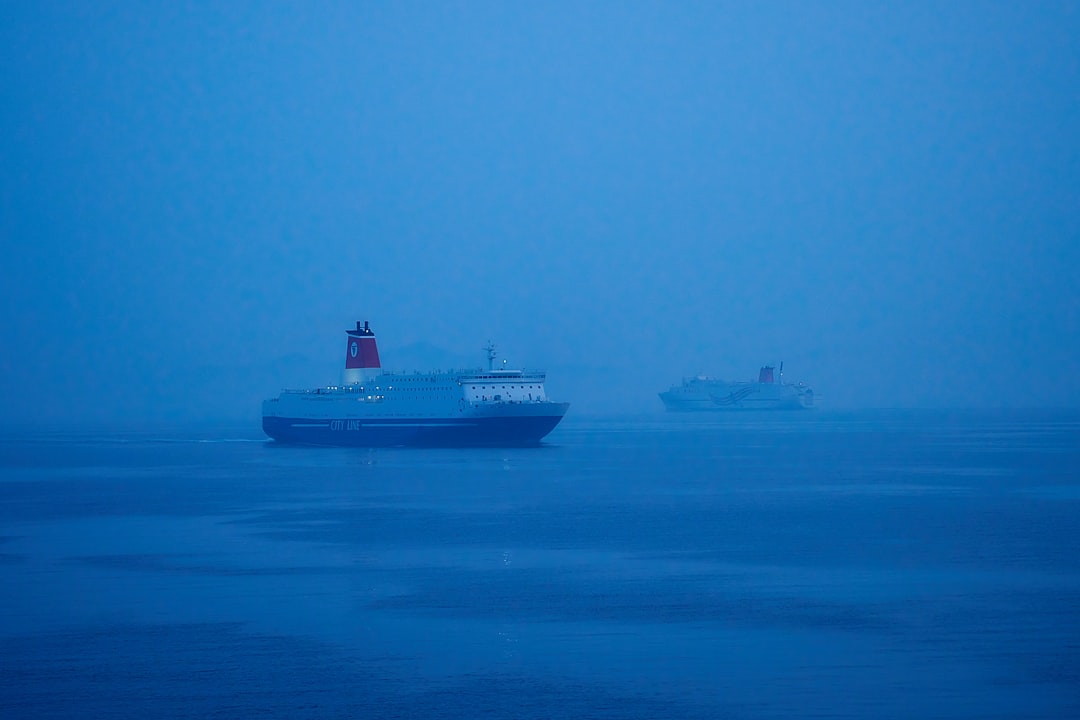
The Yamal LNG Terminal, a monumental undertaking located in a region where ice reigns supreme, serves as a critical hub for the liquefaction and export of natural gas. Its operation is inextricably linked to a highly specialized fleet of vessels. Central to this complex logistical ballet are the Arc7 ice-class tankers, the maritime thoroughbreds designed to navigate the treacherous, frozen waters of the Arctic. These ships are not merely ships; they are the arteries through which the liquefied natural gas, a vital energy commodity, flows from the remote Siberian fields to global markets. Understanding the Yamal LNG Terminal necessitates a deep dive into the capabilities and significance of these formidable Arc7 tankers.
The Yamal Peninsula, a vast, windswept landmass jutting into the Arctic Ocean, holds immense reserves of natural gas. For decades, these resources remained largely inaccessible due to the harsh environmental conditions. However, as global energy demand continued to climb and exploration technologies advanced, the strategic importance of tapping into these untapped reserves grew. The Yamal LNG project emerged as a bold response to this strategic imperative, aiming to unlock the vast potential of the South Tambey field.
The Vision: Global Energy Security and Access
The impetus behind the Yamal LNG project was multifaceted. From a global perspective, it represented an effort to diversify energy supply routes and bolster energy security for importing nations. The project sought to tap into an untapped reservoir of hydrocarbons, thereby contributing to the global energy mix and potentially influencing market dynamics.
Geopolitical Considerations in Arctic Development
The development of the Yamal LNG Terminal was also underpinned by significant geopolitical considerations. For Russia, it represented a strategic move to solidify its presence and economic influence in the Arctic. The project was designed to leverage the region’s vast natural resources and establish new trade routes, creating economic opportunities and asserting sovereignty over Arctic territories.
The Technical Challenge: Extracting Gas from the Permafrost
Extracting natural gas from permafrost-laden ground presents a unique set of engineering challenges. The extreme cold, the unstable nature of the frozen soil, and the remote location all conspire to make any operation incredibly difficult. Yamal LNG had to overcome these hurdles to transform raw gas into a marketable commodity.
Overcoming the Extreme Arctic Environment
The construction and operation of an LNG terminal in such an unforgiving environment demanded specialized engineering solutions. From building robust infrastructure capable of withstanding the permafrost’s freeze-thaw cycles to developing highly efficient liquefaction processes that operate in sub-zero temperatures, every aspect of the project was a testament to human ingenuity.
The Yamal LNG terminal, located in the Russian Arctic, plays a crucial role in the global liquefied natural gas market, particularly through the use of Arc7 ice class tankers designed to navigate the challenging icy waters of the region. These specialized vessels are essential for transporting LNG from the terminal to various international markets, ensuring year-round access despite harsh winter conditions. For more insights into the operational efficiency and technological advancements of these tankers, you can read a related article on this topic at MyGeoQuest.
The Arc7 Ice Class: A Symphony of Engineering and Resilience
The Yamal LNG Terminal would be an island without a fleet capable of reaching its shores. The Arc7 ice-class tankers are the indispensable link in this chain, designed to operate in an environment where conventional vessels would be crushed or stranded. These ships are a marvel of naval architecture, embodying a blend of brute strength and sophisticated design.
Defining Ice Classes: A Hierarchy of Strength
The classification of ice-strengthened vessels is a critical aspect of Arctic shipping. The Arc rating system, a standard developed by the Russian Maritime Register of Shipping, categorizes ships based on their ability to navigate through ice. The Arc7 designation signifies a high level of ice-breaking capability, crucial for the operational demands of the Yamal LNG Terminal.
Understanding the Arc Ratings
The Arc ratings range from Arc 1 (least ice-strengthened) to Arc 10 (designed for the most severe ice conditions). An Arc7 vessel, therefore, is built to withstand significant ice loads and is capable of independent navigation in Arctic waters, even under challenging ice conditions. This is not simply a matter of thicker hulls; it involves a complex interplay of hull design, propulsion systems, and specialized navigation aids.
The Anatomy of an Arc7 Tanker: Built for the Ice
The construction of an Arc7 ice-class tanker is a testament to specialized shipbuilding. These vessels are not manufactured on a standard assembly line; they are bespoke creations, meticulously engineered to perform in one of the world’s harshest environments. Their design priorities are clear: strength, power, and maneuverability in icy conditions.
Hull Design: The First Line of Defense
The hull of an Arc7 tanker is its primary armor against the crushing force of Arctic ice. These vessels feature reinforced hulls with specialized plating and internal strengthening structures designed to withstand the immense pressures exerted by thick ice floes. The bow, in particular, is engineered with a unique shape to break through ice rather than being impeded by it.
Double Hull Construction: Adding a Layer of Security
In line with modern maritime safety standards and enhanced ice-resistance, Arc7 tankers employ double hull construction. This means there are two layers of hull plating with a void space in between. This design provides an additional layer of protection against hull breaches in the event of an impact with ice, crucial for containing the valuable and potentially hazardous cargo.
Propulsion Systems: The Mighty Heartbeat
The propulsion system of an Arc7 tanker is its engine, its relentless drive through the frozen seas. These vessels are equipped with powerful engines, often multiple units, that provide the necessary thrust to break through ice and maintain steerage even in challenging conditions. The sheer power output is staggering, allowing these ships to overcome the resistance of frozen water.
Diesel-Electric or Azipod Propulsion: Precision and Power
Many Arc7 tankers utilize advanced propulsion systems such as diesel-electric or Azipod designs. Azipod units, which are steerable propellers mounted on pods that can rotate 360 degrees, offer exceptional maneuverability. This is a significant advantage in congested ice fields, allowing the tankers to navigate tight passages and turn with greater agility.
Specialized Ice-Breaking Capabilities: Breaking the Frozen Barrier
The defining feature of Arc7 tankers is their explicit ice-breaking capability. The bow shape is specifically designed to ride up and over the ice, breaking it with the weight of the vessel. This “ice-cleaving” action is a critical component of their operation, allowing them to move forward where other ships would be halted.
Bow Design: The Ice Knife
The bow of an Arc7 tanker is not a graceful curve; it is a formidable instrument designed to attack ice. Its profile is engineered to lift and fracture ice floes, creating a path for the vessel to follow. This aggressive design is fundamental to the tanker’s ability to operate year-round.
The Operational Dance: Navigating the Northern Sea Route
The Arc7 ice-class tankers are the lifeblood of the Yamal LNG Terminal, facilitating the regular export of liquefied natural gas. Their operations are a complex logistical marvel, intricately choreographed with the seasonal variations of the Arctic ice.
The Northern Sea Route: An Emerging Arctic Highway
The Northern Sea Route (NSR), a maritime passage that runs along the Arctic coast of Russia, is the primary route for the Yamal LNG tankers. Historically a seasonal passage, advancements in icebreaker technology and climate change have made it increasingly navigable for extended periods.
The NSR’s Strategic Importance: A Shorter Path to Asia
The NSR offers a significantly shorter transit time between Europe and Asia compared to traditional routes through the Suez Canal. This time-saving aspect is a major economic driver for the Yamal LNG project, reducing shipping costs and contributing to the competitiveness of Russian LNG on the global market.
Ice Management and Navigation: A Constant Vigilance
Navigating the Arctic is a continuous exercise in vigilance and adaptation. The Arc7 tankers are equipped with sophisticated navigation systems and operated by highly skilled crews who are experts in ice conditions.
Advanced Ice Forecasting and Routing: Charting the Uncharted
Precise ice forecasting is paramount for the safe and efficient operation of the Arc7 tankers. Advanced weather and ice prediction models are utilized to plot the safest and most efficient routes through the constantly shifting ice pack. This involves understanding ice types, concentrations, and drift patterns.
Satellite Imagery and Real-time Data: Eyes in the Sky
These tankers rely heavily on satellite imagery and real-time data feeds to monitor ice conditions. This “eyes in the sky” approach provides the operational teams with up-to-the-minute information, allowing for dynamic route adjustments and the avoidance of particularly hazardous ice formations.
Escort Icebreakers: The Arctic Guardians
In many instances, the Arc7 tankers operate in conjunction with powerful icebreakers. These vessels act as Arctic guardians, clearing paths through exceptionally thick ice and providing support to the LNG tankers.
Dedicated Icebreaker Support: Ensuring Uninterrupted Flow
The presence of dedicated icebreakers ensures that the flow of LNG from Yamal is as uninterrupted as possible, even during the most challenging winter months. These colossal vessels are the vanguard, clearing the way for the precious cargo.
The Cargo: The Transformative Power of Liquefied Natural Gas
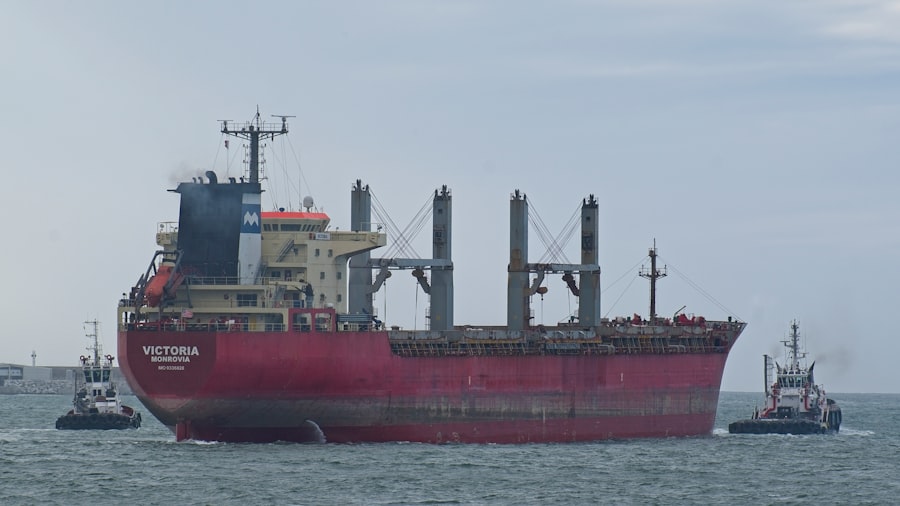
The Arc7 ice-class tankers are the carriers of a valuable and energy-dense commodity: liquefied natural gas (LNG). The process of liquefaction transforms natural gas into a liquid state, making it significantly more compact and thus easier to transport.
The Technology of Liquefaction: Cooling to Minus 162°C
The transformation of natural gas into its liquid form is an energy-intensive process that requires extreme cooling. At the Yamal LNG Terminal, natural gas is cooled down to approximately -162 degrees Celsius (-260 degrees Fahrenheit).
Cryogenic Processes: The Basis of LNG Production
The liquefaction process relies on cryogenic principles. Natural gas, primarily methane, is passed through a series of heat exchangers and compressors, gradually lowering its temperature until it condenses into a liquid.
Multi-Stage Cooling and Expansion: A Delicate Balance
The liquefaction is typically achieved through multi-stage cooling and expansion processes, carefully controlled to achieve the desired state without excessive energy loss. This is a delicate balancing act, demanding precise engineering.
The Benefits of Liquefied Natural Gas: Energy Density and Global Reach
LNG’s primary advantage lies in its significantly reduced volume compared to gaseous natural gas. This tenfold reduction in volume allows for efficient transportation across vast distances by sea.
Enabling Global Energy Trade: The Backbone of the LNG Industry
LNG has become the backbone of the global natural gas trade, enabling countries without domestic natural gas resources to access this vital energy source. The Arc7 tankers are thus critical players in this global energy network.
Reducing Carbon Footprint in Transportation: A Cleaner Alternative
Compared to other fossil fuels, natural gas burns more cleanly. While still a fossil fuel, the transportation of LNG itself contributes to the broader goal of reducing the carbon footprint of energy consumption, especially when compared to the alternatives for long-distance energy transport.
The Yamal LNG terminal has revolutionized the shipping industry with its use of Arc7 ice class tankers, which are specifically designed to navigate the challenging Arctic waters. These vessels play a crucial role in transporting liquefied natural gas from the terminal to global markets, ensuring efficient and safe delivery even in extreme conditions. For more insights into the operational aspects and technological advancements of these tankers, you can read a related article that delves deeper into their design and functionality here.
The Future of Arctic Shipping and the Role of Arc7 Tankers
| Metric | Value | Unit | Notes |
|---|---|---|---|
| Ice Class | Arc7 | – | Highest ice class for LNG carriers operating in Arctic conditions |
| Length Overall | 299.9 | meters | Typical length of Yamal LNG Arc7 tankers |
| Beam | 50 | meters | Width of the vessel |
| Deadweight Tonnage (DWT) | 80,000 | tons | Approximate carrying capacity |
| LNG Cargo Capacity | 172,600 | cubic meters | Typical LNG volume carried |
| Operational Temperature Range | -50 to +40 | °C | Designed for extreme Arctic conditions |
| Icebreaking Capability | 1.5 | meters | Thickness of ice the vessel can continuously break |
| Number of Vessels in Fleet | 15 | units | Number of Arc7 LNG carriers serving Yamal LNG |
| Service Speed | 18 | knots | Average cruising speed in open water |
| Year of First Delivery | 2017 | – | Year when first Arc7 tanker was delivered for Yamal LNG |
The Yamal LNG Terminal and its fleet of Arc7 ice-class tankers represent a significant milestone in the utilization of Arctic resources. Their ongoing operations and the continuous evolution of Arctic shipping suggest a future where these specialized vessels will play an increasingly prominent role.
Expanding Arctic Trade Routes: Beyond Yamal
The success of Yamal LNG has spurred further interest in developing other Arctic resource projects and utilizing the Northern Sea Route for broader trade. This expansion will invariably require a continued demand for ice-class vessels.
New LNG Projects on the Horizon: Continued Demand for Specialized Ships
Several other LNG projects are in various stages of development along the Arctic coast. These future endeavors will create a sustained demand for the robust capabilities offered by Arc7 and potentially even more advanced ice-class tankers.
Technological Advancements in Ice Navigation: Pushing the Boundaries
The technology employed in ice navigation is constantly evolving. Innovations in hull design, propulsion systems, and navigational aids are continuously being developed to enhance the efficiency and safety of Arctic operations.
Autonomous Navigation and Drones: The Next Frontier
The concept of autonomous navigation is also being explored for Arctic shipping. The integration of advanced AI, drone technology, and remote sensing could further optimize routes and enhance situational awareness for ice-class vessels.
Enhanced Icebreaker Design: Strengthening the Convoy
Future innovations may also focus on the design of icebreakers themselves, making them even more powerful and efficient. This would further solidify the ability to maintain open shipping lanes in the most challenging conditions.
The Yamal LNG Terminal, powered by the relentless strength of its Arc7 ice-class tankers, stands as a testament to what is achievable when human ingenuity confronts the formidable power of nature. These specialized vessels, more than just ships, are the vital arteries that connect a vast, frozen frontier to the global demand for energy. Their journey through the ice is a continuous narrative of engineering prowess, navigational skill, and the ever-growing importance of the Arctic in the world’s energy landscape.
FAQs
What is the Yamal LNG terminal?
The Yamal LNG terminal is a liquefied natural gas (LNG) production facility located on the Yamal Peninsula in Russia. It processes natural gas into LNG for export, primarily to global markets.
What are Arc7 ice class tankers?
Arc7 ice class tankers are specialized LNG carriers designed to navigate through thick Arctic ice. They have reinforced hulls and powerful engines that allow them to operate in extreme ice conditions, such as those found in the Arctic Ocean.
Why are Arc7 ice class tankers important for the Yamal LNG project?
Arc7 ice class tankers are crucial for the Yamal LNG project because they enable year-round transportation of LNG through the icy waters of the Northern Sea Route. Their icebreaking capabilities ensure reliable delivery of LNG even during harsh Arctic winters.
Who operates the Arc7 ice class tankers for the Yamal LNG terminal?
The Arc7 ice class tankers serving the Yamal LNG terminal are operated by specialized shipping companies, often in partnership with the project’s stakeholders. These vessels are built and maintained to meet the stringent requirements of Arctic navigation.
What are the environmental considerations for using Arc7 ice class tankers at Yamal LNG?
Using Arc7 ice class tankers helps minimize environmental risks by reducing the need for icebreaker escort vessels and enabling safer navigation through fragile Arctic ecosystems. The tankers are designed to comply with international environmental standards to protect the Arctic environment.