
The Looming Threat: Jamuna River’s Fury and the World Bank’s Insight
The Jamuna River, a lifeline for millions in Bangladesh, has also become a harbinger of destruction. Its capricious nature, characterized by powerful and frequent floods, poses a perennial threat to livelihoods, infrastructure, and the delicate ecosystem of the region. A recent comprehensive assessment by the World Bank has shed critical light on the multifaceted impacts of Jamuna River flooding, offering a stark delineation of the challenges and, crucially, a roadmap towards sustainable solutions. This assessment, built upon extensive data analysis, field research, and stakeholder consultations, underscores the urgency of addressing the escalating flood risks as climate change intensifies weather patterns. The report meticulously details the economic, social, and environmental consequences of these inundation events, from the displacement of communities and the destruction of agricultural lands to the damage of vital infrastructure like roads and bridges. The World Bank’s findings are not merely an academic exercise; they represent a vital call to action for national governments, international organizations, and local communities to collaborate on effective flood management strategies.
The sheer scale of the Jamuna’s basin and the dynamic geological processes at play contribute to its unpredictable flooding patterns. Sedimentation, channel migration, and the increasing intensity of monsoon rains, exacerbated by global warming, create a volatile environment. The assessment highlights how these natural phenomena are amplified by human interventions, including deforestation in upstream areas, unplanned urbanization along riverbanks, and inadequate drainage systems. The cumulative effect is a heightened vulnerability for the millions who depend on the river for agriculture, fishing, and transportation. The World Bank’s report emphasizes that understanding these complex interactions is the first step towards developing resilient strategies. It moves beyond simply documenting the damage and delves into the underlying causes, thereby paving the way for more effective and long-term interventions. The organization’s commitment to providing both analysis and potential solutions signals a significant step forward in addressing one of Bangladesh’s most pressing environmental and developmental challenges.
The recent World Bank assessment on the Jamuna River flooding highlights the urgent need for effective flood management strategies in Bangladesh. For further insights into the geographical and environmental factors contributing to these floods, you can read a related article that delves into the complexities of river dynamics and climate change impacts on the region. For more information, visit My Geo Quest.
Unpacking the Devastation: Socio-Economic and Environmental Ramifications
The World Bank’s assessment meticulously dissects the profound socio-economic and environmental ramifications stemming from the recurrent flooding of the Jamuna River. This section delves into the intricate web of consequences that afflict the region, highlighting the immediate and long-term damages that disrupt the lives and livelihoods of millions.
The Human Cost: Displacement and Livelihood Ruin
The most immediate and devastating impact of Jamuna River floods is the displacement of human populations. Vast swathes of land, particularly in low-lying areas, are submerged, forcing families to abandon their homes and ancestral lands. This displacement is not a temporary inconvenience; it often results in the permanent loss of homes, valuable possessions, and the disruption of social structures. The assessment quantifies the scale of this displacement, identifying the most vulnerable communities and the recurring patterns of their relocation. This leads to immense psychological distress, loss of community cohesion, and increased pressure on already strained urban centers or temporary shelters.
Furthermore, the floods decimate agricultural land, the backbone of the region’s economy. Fertile topsoil is washed away, crops are destroyed, and livestock are lost. This not only leads to immediate food insecurity for affected families but also has a ripple effect on the broader agricultural market, impacting prices and availability. The World Bank’s report details how repeated inundation prevents farmers from cultivating their lands for extended periods, leading to a chronic decline in agricultural productivity and a persistent cycle of poverty. Fishing communities, another vital segment of the Jamuna’s dependent population, also suffer immensely. Floodwaters can destroy fishing gear, disrupt fish breeding grounds, and make traditional fishing practices impossible. The loss of livelihoods in these sectors pushes communities deeper into poverty, making them more susceptible to future shocks. The assessment also points out the indirect economic impacts, such as the disruption of transportation networks, which hampers trade and access to markets for goods and services. The loss of employment opportunities, both directly and indirectly linked to flood-prone areas, contributes to a significant economic downturn in affected regions.
Environmental Degradation: Erosion and Ecosystem Imbalance
Beyond the immediate human suffering, Jamuna River floods inflict significant damage on the natural environment. The powerful currents and surging waters lead to severe riverbank erosion, a process that constantly reshapes the river’s course and claims more land. This erosion not only exacerbates the loss of human settlements and agricultural land but also contributes to increased sedimentation downstream, affecting navigation and the health of aquatic ecosystems. The World Bank’s assessment highlights the interconnectedness of these environmental changes, emphasizing how the loss of vegetation due to flooding further weakens soil structure, making it more susceptible to erosion.
The floodwaters also disrupt the delicate balance of the Jamuna’s ecosystem. The influx of vast amounts of sediment can smother aquatic life, alter water quality, and impact the biodiversity of the river and its surrounding wetlands. The report identifies specific species and habitats that are particularly vulnerable to these changes. The inundation of floodplains, while a natural phenomenon that replenishes soil fertility in normal circumstances, becomes destructive when the intensity and duration of floods exceed natural limits. This can lead to the loss of vital wetland habitats that serve as breeding grounds for fish and migratory birds, and as natural filters for water. The long-term consequences of this environmental degradation include a decline in natural resources, reduced ecosystem services, and increased vulnerability to future environmental changes. The assessment stresses that restoring these ecological functions is as crucial as addressing the immediate human needs.
Charting the Course: Strategic Interventions and Policy Recommendations
The World Bank’s assessment moves beyond identifying problems to proposing a comprehensive suite of strategic interventions and policy recommendations designed to mitigate the impact of Jamuna River flooding and build resilience within affected communities. This section outlines the key areas of focus and the actionable steps suggested by the report.
Engineering Solutions: Infrastructure for Resilience
A significant portion of the World Bank’s recommendations centers on engineering solutions aimed at enhancing physical infrastructure and controlling water flow. This includes the reinforcement and expansion of existing embankments and dikes to protect vulnerable settlements and agricultural lands. The assessment emphasizes the need for robust, climate-resilient designs that can withstand the erosive forces of the river and the increased intensity of floodwaters. It also proposes the construction of new flood protection structures in strategically identified areas, taking into account the dynamic nature of the river’s course.
The report also highlights the importance of improving drainage systems within flood-prone areas. Inadequate drainage exacerbates waterlogging and prolongs the period of inundation, causing further damage to crops and infrastructure. Recommendations include the dredging of canals and rivers to improve water flow, the construction of regulators and sluice gates to control water levels, and the implementation of effective wastewater management systems to prevent pollution during floods. Furthermore, the assessment advocates for the development of robust early warning systems. These systems, employing advanced meteorological and hydrological monitoring, can provide timely and accurate information to communities, allowing them to prepare for and respond to impending floods more effectively. This includes investing in technology for flood forecasting, establishing communication networks to disseminate warnings, and conducting regular drills and public awareness campaigns.
Community Empowerment and Adaptation: Building Local Capacity
Recognizing that engineering solutions alone are insufficient, the World Bank’s assessment places a strong emphasis on community empowerment and adaptation strategies. This involves building the capacity of local communities to cope with and adapt to the inevitable challenges posed by flooding. The report advocates for comprehensive training programs for farmers on flood-resistant agricultural practices, such as cultivating drought and flood-tolerant crop varieties, and adopting innovative irrigation and water management techniques. This includes promoting the use of raised seedbeds and floating gardens as resilient agricultural methods.
The assessment also stresses the importance of diversifying livelihoods for communities heavily reliant on flood-prone sectors. This could involve promoting alternative income-generating activities such as small-scale entrepreneurship, handicrafts, and non-agricultural vocations. The report highlights the role of microfinance and skills development programs in enabling communities to transition to more sustainable livelihoods. Moreover, the World Bank recommends the strengthening of local governance and community-based disaster management committees. This involves empowering these committees with the resources, training, and authority to plan, respond to, and recover from flood events. Their intimate knowledge of local conditions makes them invaluable assets in developing and implementing effective flood management strategies. The report also underscores the need for better land-use planning and zoning regulations to discourage development in high-risk flood-prone areas, and to ensure that any development that does occur is built with resilience in mind.
A Collaborative Endeavor: The Path to Sustainable Flood Management
The World Bank’s assessment unequivocally concludes that effectively addressing the Jamuna River flooding crisis requires a multi-stakeholder, collaborative approach. This section elaborates on the indispensable roles of various actors and the synergistic strategies needed for sustained success.
Government Leadership and Policy Frameworks
The primary responsibility for flood management lies with national and local governments. The World Bank’s report urges governments to prioritize flood risk reduction in national development plans and to allocate adequate financial resources for its implementation. This includes developing comprehensive national flood management policies that are integrated with broader climate change adaptation strategies. Such policies should encompass land-use planning, disaster preparedness, infrastructure development, and environmental protection. The assessment advocates for strong institutional frameworks that promote inter-agency coordination and streamline decision-making processes related to flood management.
Furthermore, the report emphasizes the need for transparent and accountable governance in the implementation of flood management projects. This includes ensuring that resources are utilized effectively and that projects are executed with the participation of affected communities. Governments are also encouraged to create an enabling environment for private sector investment in flood resilience initiatives and to foster research and innovation in flood management technologies. The assessment highlights the importance of cross-border cooperation, particularly with upstream countries, to manage water resources effectively and to mitigate the risks of transboundary floods. This requires diplomatic engagement and the establishment of joint mechanisms for data sharing and coordinated response.
International Cooperation and Financial Support
The scale and complexity of the Jamuna River flooding challenges often exceed the financial and technical capacities of individual nations. The World Bank’s assessment underscores the critical role of international cooperation and financial support in bolstering national efforts. International development partners, including multilateral development banks, bilateral aid agencies, and non-governmental organizations, are urged to provide sustained financial assistance for flood mitigation projects, infrastructure development, and capacity building initiatives. This support should be long-term and aligned with national priorities.
The report also emphasizes the importance of knowledge sharing and technical assistance. International organizations can play a vital role in transferring best practices, innovative technologies, and expertise in flood risk assessment, management, and adaptation from other regions facing similar challenges. This collaborative exchange of knowledge can significantly enhance the effectiveness of local interventions. The World Bank itself, through its assessments and funding, serves as a crucial facilitator of such cooperation, bridging the gap between the needs on the ground and the global resources available to address them. The assessment also highlights the need for effective coordination among international donors to avoid duplication of efforts and to ensure that aid is delivered efficiently and effectively.
The recent World Bank assessment of the Jamuna River flooding highlights the urgent need for effective flood management strategies in the region. This analysis not only sheds light on the economic impacts of such natural disasters but also emphasizes the importance of sustainable development practices. For further insights on this topic, you can read a related article that discusses the broader implications of flooding in South Asia by visiting this link. Understanding these dynamics is crucial for policymakers and communities alike.
The Future Imperative: Building a Resilient Jamuna Basin
| Metric | Value | Unit | Notes |
|---|---|---|---|
| Flooded Area | 1,200 | sq km | Estimated area affected during peak flooding |
| Population Affected | 3,500,000 | people | Number of people impacted by flooding |
| Economic Loss | 850 | million | Estimated economic damage from flooding |
| Flood Duration | 45 | days | Average duration of floodwaters in affected areas |
| Annual Flood Frequency | 1 in 5 | years | Return period of major flooding events |
| Mitigation Investment | 120 | million | Funds allocated for flood control infrastructure |
| Evacuation Centers Established | 150 | centers | Number of centers set up for displaced persons |
The World Bank’s assessment of Jamuna River flooding is not merely a documentation of past and present challenges; it is a forward-looking imperative, calling for a fundamental shift in how the region approaches water management, development, and resilience. This concluding section reflects on the long-term vision and the sustained commitment required to secure a more secure future for the Jamuna basin.
Embracing Climate Change Adaptation
The stark reality of climate change looms large over the Jamuna River’s future. The assessment underscores that the observed patterns of increased rainfall intensity, altered monsoon seasons, and rising sea levels are likely to persist and potentially intensify. Therefore, all flood management strategies must be developed with a keen understanding of these future climate scenarios. This means moving beyond reactive measures to proactive adaptation. The report advocates for the integration of climate change adaptation principles into all aspects of development planning, from agricultural practices and infrastructure design to urban planning and disaster response. This includes investing in climate-resilient infrastructure that can withstand extreme weather events and developing contingency plans for a range of potential future climate impacts.
The assessment also highlights the importance of promoting climate-smart agriculture, which involves adopting farming techniques that are both productive and resilient to climate variability. This could include investing in research and development of new crop varieties, promoting water-efficient irrigation methods, and supporting the adoption of agroforestry practices that can help stabilize soil and reduce erosion. Furthermore, the report stresses the need for ongoing monitoring and evaluation of climate impacts and flood patterns. This continuous learning process will enable adjustments to strategies and interventions as needed, ensuring that they remain relevant and effective in a changing climate.
Sustained Commitment and Integrated Planning
The journey towards a resilient Jamuna basin is not a short-term project; it requires sustained commitment and an integrated approach that transcends the boundaries of individual sectors and disciplines. The World Bank’s assessment emphasizes that successful flood management is an ongoing process that necessitates continuous investment, policy adaptation, and collaborative action. This means that governments, international organizations, civil society, and local communities must remain engaged and committed to the long-term vision of flood resilience.
The report advocates for the establishment of robust and sustainable financing mechanisms for flood management. This could involve a combination of public funding, private sector investment, and innovative financial instruments such as climate adaptation bonds. Furthermore, the assessment stresses the importance of integrating flood risk management into broader national and regional development strategies. This ensures that flood resilience is not viewed as an isolated issue but as an integral component of economic growth, poverty reduction, and environmental sustainability. Ultimately, the World Bank’s assessment serves as a powerful reminder that by working together, embracing innovation, and committing to sustained action, the nations and communities of the Jamuna basin can transform a persistent threat into an opportunity to build a more secure, prosperous, and resilient future.
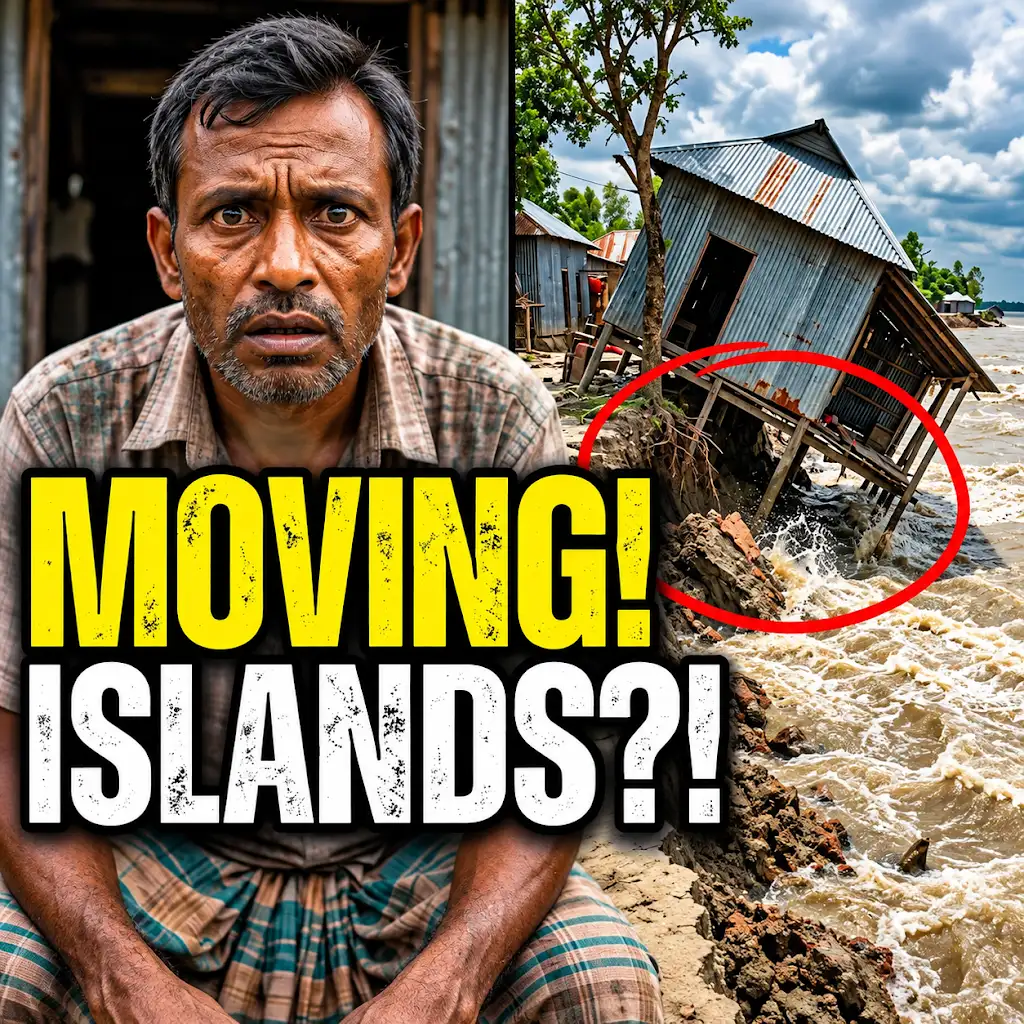
This River is Literally Erasing Islands
FAQs
What is the World Bank assessment of Jamuna River flooding?
The World Bank assessment of Jamuna River flooding is a comprehensive evaluation of the impact of flooding along the Jamuna River, including the causes, consequences, and potential solutions to mitigate the effects of flooding on communities living in the region.
What are some of the key findings of the World Bank assessment of Jamuna River flooding?
Some key findings of the World Bank assessment of Jamuna River flooding include the high vulnerability of communities living along the river to recurrent flooding, the economic losses incurred due to flood damage, and the need for improved infrastructure and early warning systems to reduce the impact of flooding.
How does the World Bank propose to address the issue of Jamuna River flooding?
The World Bank proposes a multi-faceted approach to address the issue of Jamuna River flooding, which includes investing in infrastructure such as embankments and flood shelters, implementing early warning systems, promoting community-based disaster risk reduction initiatives, and enhancing the capacity of local authorities to respond to flooding events.
What are some of the challenges faced in implementing the World Bank’s recommendations for Jamuna River flooding?
Some of the challenges faced in implementing the World Bank’s recommendations for Jamuna River flooding include funding constraints, coordination among various stakeholders, land acquisition issues for infrastructure projects, and the need for community participation and awareness to ensure the sustainability of flood mitigation efforts.
How can individuals and organizations contribute to addressing the issue of Jamuna River flooding?
Individuals and organizations can contribute to addressing the issue of Jamuna River flooding by supporting community-based initiatives, raising awareness about the impact of flooding, advocating for sustainable development practices, and collaborating with local authorities and international organizations to implement effective flood mitigation measures.