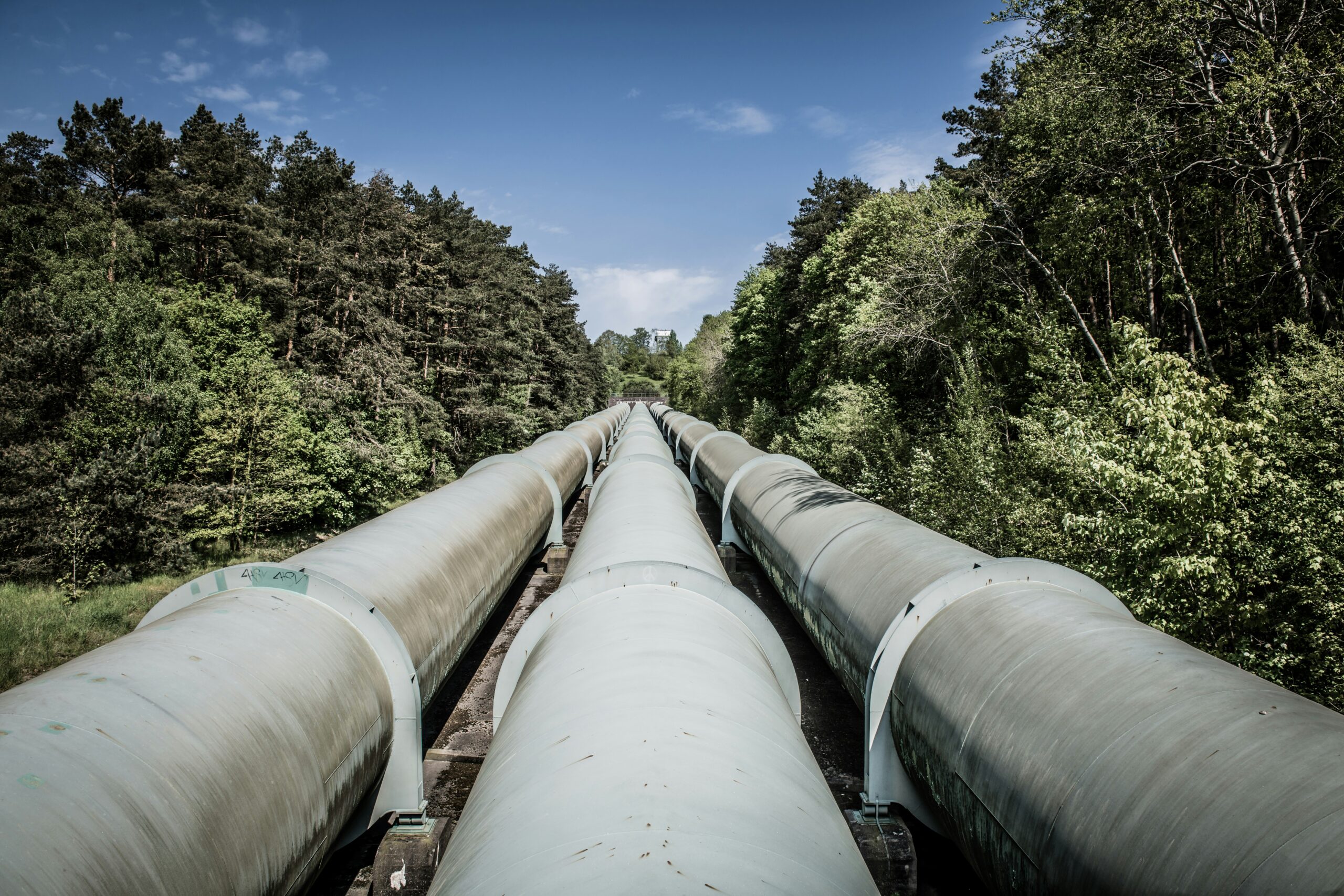
Trucks, while undeniably versatile, face significant limitations when attempting to replace pipelines for the transportation of bulk commodities, particularly liquids and gases. The inherent differences in operational scale, efficiency, and safety protocols make such a wholesale substitution an impractical

What Happens If America’s Biggest Fuel Pipeline Stops?
FAQs
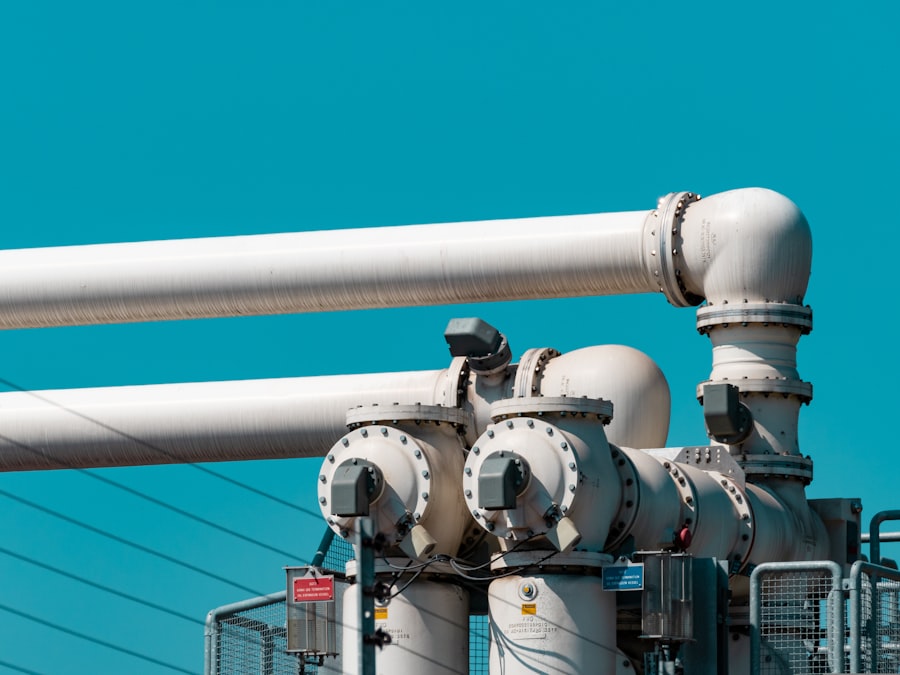
1. Why are pipelines considered more efficient than trucks for transporting oil and gas?
Pipelines are considered more efficient than trucks for transporting oil and gas because they can move large volumes of product over long distances with minimal energy consumption and lower costs.
2. What are the environmental benefits of using pipelines over trucks for oil and gas transportation?
Pipelines have lower carbon emissions and a smaller environmental footprint compared to trucks. They reduce the risk of spills and accidents associated with truck transportation, and also minimize disruption to wildlife and ecosystems.
3. How do pipelines compare to trucks in terms of safety for transporting oil and gas?
Pipelines are generally considered safer than trucks for transporting oil and gas. They are buried underground, reducing the risk of accidents and vandalism, and are equipped with advanced monitoring and control systems to detect and respond to any issues.
4. What are the economic advantages of using pipelines instead of trucks for oil and gas transportation?
Pipelines offer economic advantages such as lower transportation costs, reduced reliance on fluctuating fuel prices, and the ability to transport large volumes of product consistently and efficiently.
5. Are there any drawbacks to using pipelines for oil and gas transportation compared to trucks?
While pipelines offer numerous advantages, they also face challenges such as the high initial cost of construction, potential environmental impact during construction and maintenance, and the need for regular inspections and maintenance to ensure safe operation.