The tempest that raged across the Florida Keys in September 1935 was not merely a meteorological event; it was a cataclysm that reshaped history, particularly the history of a marvel of engineering and a lifeline for a remote archipelago. The Labor Day Hurricane, as it came to be known, inflicted a brutal and indiscriminate blow, leaving devastation in its wake. Among the most profound casualties of this storm was the Overseas Railroad, a monumental achievement that had connected the mainland to the distant island of Key West. Its destruction was swift, its impact shattering, and the question that would echo through the decades was stark: why was this audacious railway, a testament to human ingenuity, never resurrected? The answer is a complex tapestry woven from economic realities, evolving transportation technologies, and a fundamental shift in national priorities.
The Triumph and Tragedy of the Overseas Railroad
The Overseas Railroad, affectionately dubbed “The Railroad That Went to Sea,” was more than just a means of transportation. It was the realization of a visionary dream, a testament to the ambition of Henry Flagler, a co-founder of Standard Oil and a formidable industrialist. Flagler, captivated by the potential of the Florida Keys and driven by a desire to extend his Florida East Coast Railway southwards, embarked on what many considered an impossible undertaking. The sheer scale of the project was astounding: 128 miles of track built over bridges and viaducts spanning open water, connecting a string of islands separated by the vast expanse of the Atlantic Ocean and the Gulf of Mexico. Construction began in 1905 and took thirty-five years to complete, employing thousands of laborers, many of them Bahamian and Cuban immigrants, who toiled under the relentless Florida sun and braved the dangers of building on the sea. The opening of the railroad in 1912 was a grand event, a symbol of progress and a vital artery for the region, bringing goods, passengers, and opportunity to Key West, which had previously been accessible primarily by sea. The railway facilitated tourism, boosted commerce, and integrated Key West into the mainland’s economic and social fabric. It was a lifeline, a symbol of American ambition and engineering prowess, connecting the continental United States to its southernmost outpost.
A Lifeline Under Siege
For over two decades, the Overseas Railroad served as the primary conduit for commerce and passenger travel to Key West. It was the fastest and most reliable way to reach the island, bypassing the uncertainties of sea travel, especially during hurricane season. The railroad carried everything from perishable goods like seafood and fresh produce from the mainland to manufactured goods and tourists heading to Key West’s burgeoning attractions. Its existence fundamentally altered the island’s economy and social landscape, making it a more accessible and integrated part of Florida. However, the very environment that made its construction a marvel also posed a constant threat. The Keys are situated in a region notorious for its tropical weather patterns, particularly the formation of powerful hurricanes. While the railroad was designed with resilience in mind, incorporating innovative engineering to withstand the elements, it was an unprecedented undertaking in a vulnerable geographical setting. The sheer audacity of building a railroad across open water meant that the forces of nature, when unleashed with full fury, would test its limits like never before. The railroad was a triumph of human will over nature, but it was also a constant reminder of nature’s ultimate power.
The Storm That Broke the Backbone
On September 2, 1935, a Category 5 hurricane, the most intense storm on record to make landfall in the United States, slammed into the Florida Keys. Its destructive power was absolute, a maelstrom of wind, rain, and towering storm surge that savaged the archipelago. The Overseas Railroad, the very symbol of resilience and connectivity, bore the brunt of nature’s wrath. The hurricane’s immense power tore apart bridges, splintered trestles, and washed away sections of the track, effectively severing the connection to Key West. The devastation was not limited to the infrastructure; the storm also claimed the lives of hundreds of people, including many World War I veterans working on a government project in the Upper Keys, their makeshift camps overwhelmed by the storm surge. The immediate aftermath was a scene of utter destruction. The railroad, once a majestic artery, was reduced to a chaotic ruin. The storm surge, which reached an estimated 15 to 18 feet in some areas, was a force of nature that simply overwhelmed the engineering marvel. It was a stark and brutal reminder that even the most ambitious human endeavors are ultimately subject to the raw power of the natural world. The physical destruction of the railroad was catastrophic, but the loss of life, particularly the tragic fate of the veterans, added a profound human dimension to the disaster.
The decision not to rebuild the railroad to Key West has sparked significant discussion among historians and transportation enthusiasts alike. An insightful article that delves into the historical context and implications of this decision can be found at this link. It explores the reasons behind the abandonment of the railroad and its impact on the local economy and tourism, providing a comprehensive overview of the topic.
The Economic Equation of Reconstruction

In the immediate aftermath of the hurricane, the notion of rebuilding the Overseas Railroad was, for a fleeting moment, considered. However, the sheer scale of the destruction, coupled with the evolving economic landscape, quickly rendered this prospect untenable. The cost of reconstructing the vast network of bridges and viaducts, many of which were severely damaged or completely destroyed, would have been astronomical, especially in the context of the Great Depression. The economic climate of the 1930s was one of scarcity and austerity. The nation was grappling with widespread unemployment and economic hardship, and the federal government, while involved in recovery efforts, was not in a position to fund such an expensive and ambitious infrastructure project. The cost estimates for rebuilding the railroad were staggering, running into tens of millions of dollars, a sum that was simply not feasible in a time of national fiscal constraint.
The Shadow of the Great Depression
The Great Depression cast a long and debilitating shadow over the United States, and its economic repercussions were felt acutely in the 1930s. The nation’s industries were crippled, banks had failed, and unemployment had soared to unprecedented levels. In such an environment, the idea of investing a massive sum of money in rebuilding a railroad, however vital it had been, was met with significant skepticism and resistance. The priority for both the federal and state governments was addressing immediate human needs: providing relief, creating jobs through more pressing projects, and stimulating economic recovery. The Overseas Railroad, while important to Key West, was seen as a luxury rather than a necessity in the grand scheme of national economic priorities. The money required for its reconstruction could be far better utilized for projects with a broader economic impact, such as highways, public works, and support for essential industries. The economic realities of the time dictated a pragmatic approach, and the financial burden of rebuilding the railroad was simply too great to justify.
The Rising Tide of Roadways
Even before the hurricane struck, a significant shift in transportation paradigms was already underway. The automobile was rapidly transforming how people traveled, and the development of the highway system was becoming increasingly prioritized. While the railroad had been a groundbreaking innovation in its time, the advent of cars and improved road networks presented a viable and often more flexible alternative. The idea of a continuous highway connecting the mainland to Key West, rather than a fixed railway line, began to gain traction. This shift in focus meant that federal and state funding, which might have otherwise been considered for a railroad reconstruction, was increasingly being channeled into highway development. The existing road infrastructure in Florida was being expanded and improved, and the vision of a “highway to the Keys” began to emerge as a more appealing and cost-effective solution for connecting the islands. The automobile offered a more personalized and adaptable mode of transport, catering to a growing segment of the population and offering greater flexibility for both passengers and freight.
The Shifting Sands of Infrastructure Priorities
The hurricane served as an unwelcome catalyst, accelerating a fundamental re-evaluation of infrastructure priorities. The immense cost and logistical challenges of rebuilding the Overseas Railroad, combined with the growing appeal of automotive transportation, led to a decisive shift in focus. The concept of a highway, a more adaptable and less capital-intensive solution for connecting the Keys, began to take precedence. The federal government, having poured significant resources into the railroad’s construction, was hesitant to commit to another massive undertaking of a similar magnitude, especially with the nation’s attention focused on more immediate concerns. The war effort, looming on the horizon, further amplified this shift, demanding resources and attention towards national defense.
The Cost of Reconstruction vs. Alternatives
The financial figures associated with rebuilding the Overseas Railroad were staggering. Estimates varied, but they consistently pointed to a cost of tens of millions of dollars, a sum that was simply beyond the capacity of the state of Florida and a considerable burden for the federal government to assume, particularly during the Great Depression. In contrast, the development of a highway system, while still a significant undertaking, offered a more phased and manageable approach. The existing bridges and viaducts, though damaged, could potentially be repurposed or incorporated into a new roadway, and new sections could be built incrementally. The cost-benefit analysis clearly favored the highway. The ability to build and expand the highway in stages, along with the potential for private sector investment and the perceived greater economic return from improved road access, made it the more attractive option. The railroad was a singular, massive investment; the highway offered a more flexible and scalable solution.
The Looming Shadow of World War II
As the 1930s drew to a close and the world teetered on the brink of war, national priorities underwent a dramatic transformation. The looming threat of global conflict demanded a redirection of resources towards military preparedness and defense. The United States began to mobilize its industrial capacity and financial reserves for the war effort. In this context, the reconstruction of a luxury tourist railroad, even one with historical significance, became a low-priority item. The vast sums of money and the labor force required for such a project could be far better utilized for military production, the construction of defense facilities, and the development of strategic infrastructure. The war effort necessitated a focus on essential services and national security, making the idea of rebuilding the Overseas Railroad seem increasingly anachronistic and financially irresponsible. The looming specter of war effectively sealed the fate of the railroad’s reconstruction.
The Birth of the Overseas Highway
The decision not to rebuild the Overseas Railroad did not mean the abandonment of Key West. Instead, it paved the way for a new era of connectivity, one that embraced the evolving landscape of transportation. The damaged remnants of the railroad provided a ready-made foundation for a revolutionary new project: the Overseas Highway. This ambitious undertaking transformed the old railroad bridges and viaducts into a roadway, creating a scenic and functional highway that would once again link the mainland to the southernmost point of the continental United States. The transformation was a testament to ingenuity and resourcefulness, repurposing existing infrastructure to meet new demands. The Overseas Highway, while different in purpose and design, carried forward the spirit of connection and accessibility that the railroad had embodied.
Repurposing a Ruined Marvel
The hurricane had left a trail of destruction, but it had also left behind a unique foundation. Many of the original concrete piers and sections of the railroad viaducts remained, albeit damaged. The vision emerged to adapt these structures, where possible, into a roadway. This was a monumental engineering challenge in itself. The existing structures were not designed for vehicular traffic, and significant modifications and new construction were required. The project involved strengthening and widening bridges, building new sections of roadway where the railroad had been completely washed away, and creating a continuous traffic flow. The Overseas Highway, completed in stages, became a stunning testament to engineering adaptation and resourcefulness. It was a deliberate and pragmatic choice to leverage existing infrastructure to create a new transportation artery, rather than starting entirely from scratch. The process of repurposing the damaged railroad was a complex undertaking, requiring innovative solutions to overcome the challenges posed by the storm’s destruction.
A New Era of Island Access
The completion of the Overseas Highway in the late 1930s and early 1940s marked a new chapter for Key West and the Florida Keys. The highway provided a vital link for commerce, tourism, and everyday life, ensuring that the islands remained connected to the mainland. It facilitated the growth of tourism, allowing more people to experience the unique charm and beauty of the Keys. It also supported the local economy by providing a more efficient means of transporting goods and services. The highway became a symbol of resilience and adaptation, demonstrating that even in the face of overwhelming natural disaster, progress could continue. It offered a different kind of connection than the railroad, one that prioritized individual mobility and the growing popularity of the automobile. The Overseas Highway, with its breathtaking ocean views, quickly became a destination in itself, a testament to the enduring allure of the Keys and the ingenuity of the people who kept them connected.
The history of the railroad that once connected Key West to the mainland is a fascinating tale of ambition and infrastructure. Despite its initial success, the railroad was ultimately not rebuilt after a devastating hurricane in 1935, leaving Key West isolated for many years. For those interested in exploring more about this intriguing chapter in Florida’s history, you can read a related article that delves into the impact of the railroad on the region’s development. Check it out here to learn more about the legacy of this once-thriving transportation route.
The Enduring Legacy and Divergent Paths
| Metric | Data | Notes |
|---|---|---|
| Original Railroad Completion Year | 1912 | Florida East Coast Railway extension to Key West |
| Railroad Destruction Year | 1935 | Destroyed by Labor Day Hurricane |
| Rebuilding Status | Not Rebuilt | Decision made due to high costs and hurricane risk |
| Length of Original Railroad | 128 miles | From mainland Florida to Key West |
| Current Replacement Infrastructure | Overseas Highway (U.S. Route 1) | Built on some of the old railroad bridges |
| Economic Impact | Shift from rail to road transport | Changed logistics and tourism patterns |
| Environmental Impact | Reduced rail-related habitat disruption | Increased automobile traffic effects |
The decision not to rebuild the Overseas Railroad was a multifaceted one, driven by a confluence of economic, technological, and geopolitical factors. While the storm was the immediate cause of its destruction, the underlying currents of change made its resurrection unlikely. The railroad’s legacy, however, endures not only in the historical accounts of its grandeur but also in the very infrastructure that replaced it. The Overseas Highway stands as a tangible reminder of the original vision, a testament to the enduring spirit of connecting remote outposts. The railroad represents a bygone era of transportation, a monumental feat of engineering that ultimately succumbed to the forces of nature and the march of progress. Its story serves as a powerful case study in how technological advancements, economic realities, and shifting societal priorities can irrevocably alter the trajectory of even the most ambitious undertakings.
A Testament to Past Ambition
The Overseas Railroad remains a legendary chapter in American engineering history. Its construction was a feat of unparalleled ambition, a testament to Henry Flagler’s vision and the thousands of laborers who brought it to life. While it may not have survived the storm, its story continues to inspire awe and admiration. It symbolizes a time when bold engineering projects, often at the edge of human capability, were undertaken with a spirit of unwavering determination. The railroad’s existence transformed Key West and the Keys, integrating them into the national consciousness and economy in a way that had never before been possible. Its destruction, though tragic, also served as a stark reminder of the immense power of nature and the inherent fragility of even the most robust human creations. The memory of “The Railroad That Went to Sea” endures as a symbol of human ingenuity and the unyielding pursuit of connection.
The Divergence of Transportation Futures
The fate of the Overseas Railroad underscores a significant divergence in transportation futures. The railroad represented a pinnacle of 19th and early 20th-century infrastructure development, focused on mass transit and freight movement along fixed routes. The advent of the automobile, however, ushered in an era of personal mobility and a preference for more flexible, decentralized transportation networks. The decision not to rebuild the railroad reflected this shift, as resources and national interest gravitated towards highway development. This trend was not unique to the Florida Keys; across the nation, investment and focus increasingly shifted from rail to road. The highway system facilitated greater individual freedom and economic opportunity, and its development became a national priority. The railroad’s story serves as a poignant reminder of how quickly technological advancements and evolving societal needs can render even the most magnificent infrastructure obsolete, leading to different paths for progress.
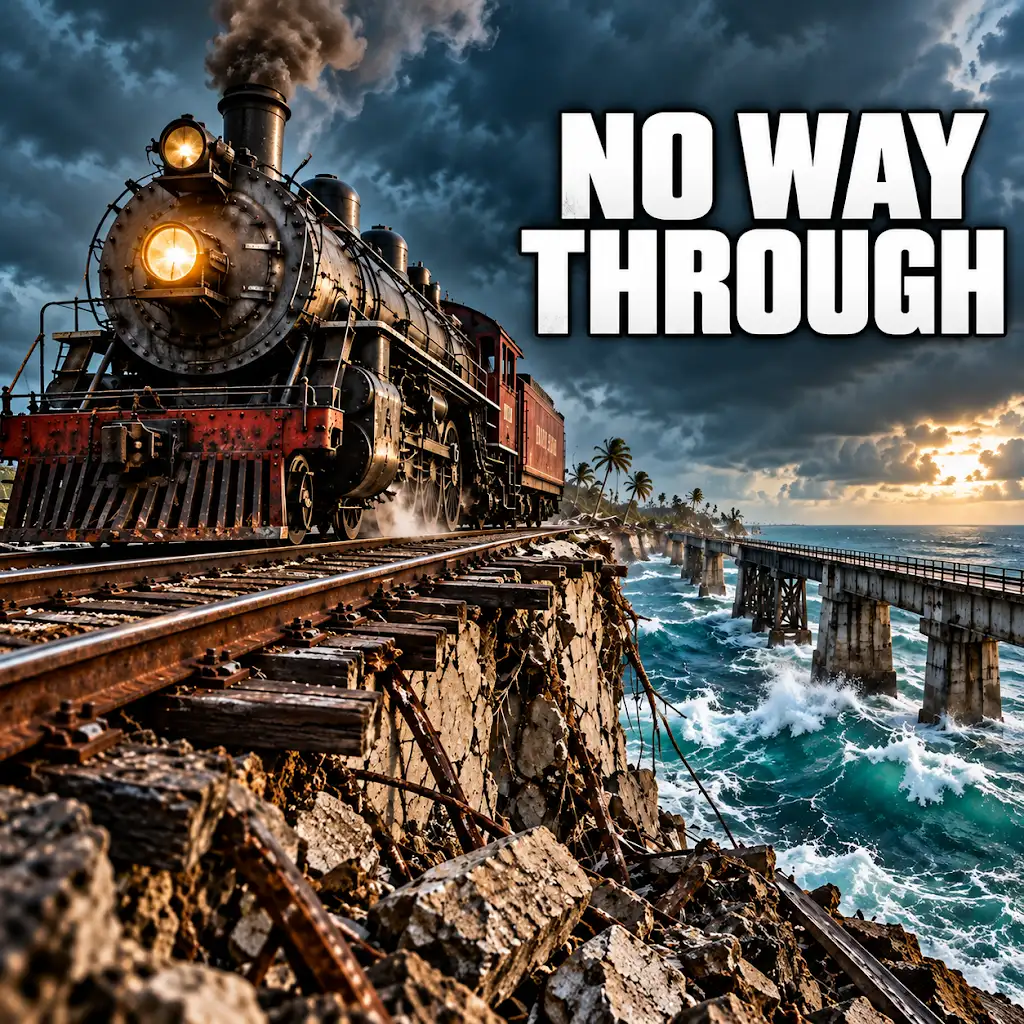
The Railroad That Bet on the Panama Canal—and Lost
FAQs
1. Why was the railroad to Key West not rebuilt after it was destroyed?
The cost of rebuilding the railroad to Key West was deemed too high, and alternative transportation options such as highways and air travel became more popular and efficient.
2. When was the original railroad to Key West built?
The original railroad to Key West, known as the Overseas Railroad, was built in the early 1900s and completed in 1912.
3. What was the significance of the railroad to Key West?
The railroad to Key West was a major engineering feat at the time, connecting the Florida Keys to the mainland and providing a vital transportation link for both passengers and freight.
4. Are there any remnants of the original railroad to Key West still visible today?
Yes, some sections of the original railroad bridges and trestles can still be seen along the Overseas Highway, which now occupies much of the former railway’s route.
5. How did the destruction of the railroad to Key West impact the local economy?
The loss of the railroad to Key West had a significant impact on the local economy, as it hindered the transportation of goods and tourists to the area, leading to a decline in economic activity in the region.