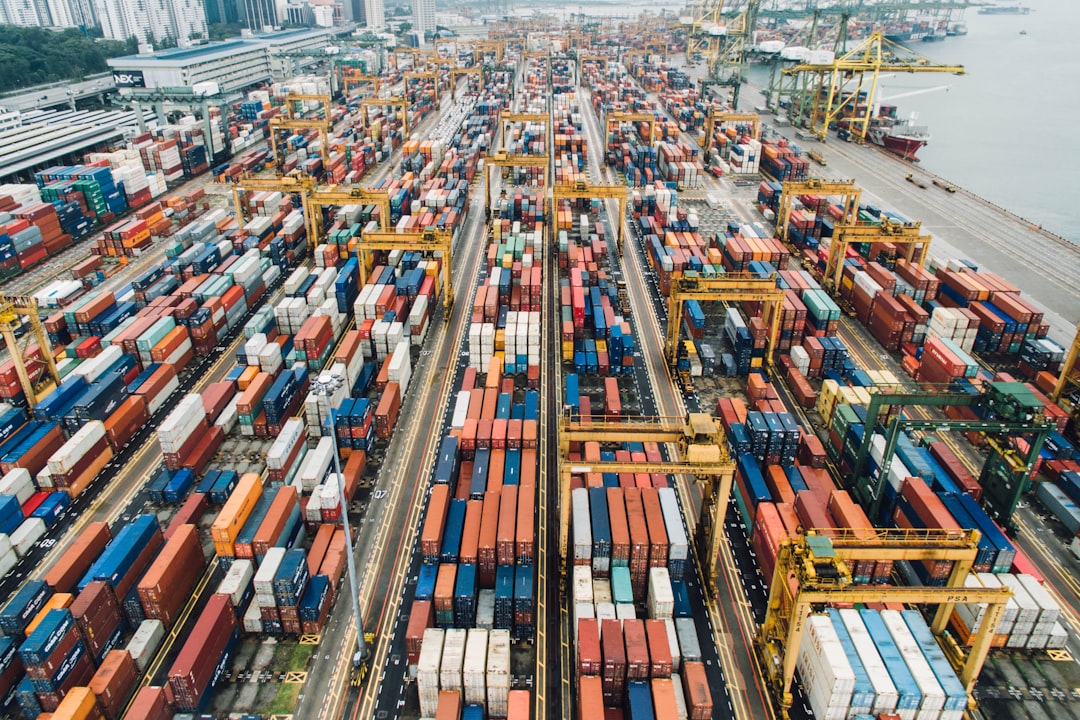
The intricate web connecting raw materials to finished goods, the symphony of logistics, manufacturing, and distribution that underpins modern commerce, is known as the supply chain. For decades, the relentless pursuit of efficiency and global optimization has created supply chains that are marvels of complexity and reach. Yet, this very sophistication, coupled with an increasingly volatile world, has exposed a critical vulnerability: the fragility of these interconnected systems. When disruptions occur, the ripple effect can be swift and devastating, impacting businesses, economies, and the daily lives of consumers. Understanding why supply chains break is no longer an academic exercise; it is a fundamental imperative for survival and resilience in the 21st century.
The Cult of Lean: Efficiency at a Cost
The dominant philosophy of global supply chain management for much of the late 20th and early 21st centuries has been the “lean” principle. Embraced and refined by companies like Toyota, lean manufacturing and its subsequent extension to supply chains emphasized the elimination of waste. This translates to minimizing inventory, Just-In-Time (JIT) delivery, and sourcing from the most cost-effective locations globally.
Just-In-Time (JIT) Manufacturing: A Double-Edged Sword
JIT systems champion the idea of receiving materials and producing goods only when they are needed. This drastically reduces warehousing costs, minimizes obsolescence, and ties up less capital in inventory. However, the downside is a severe lack of buffer stock. Any interruption in the flow of materials, even a minor delay, can bring production to a grinding halt. The reliance on precise timing means that even a few hours of disruption at a supplier’s facility can have cascading effects further down the line. The pandemic dramatically highlighted this, as a single shortage of a specific chip could sideline entire automotive assembly lines.
Global Sourcing: Spreading Risk, Condensing Impact
In the quest for lower labor costs and specialized expertise, companies have increasingly diversified their sourcing across continents. This global reach can offer access to a wider range of materials and suppliers, potentially increasing competition and driving down prices. However, it also introduces a multitude of potential choke points and risks. A strike in a port in Southeast Asia, a natural disaster in South America, or a geopolitical upheaval in Europe can all translate into a shortage of components for a company based in North America. The increased distance also means longer lead times, making it harder to react quickly to unforeseen events.
Single Sourcing and Concentration of Power
To further streamline operations and negotiate better prices, many companies opt for single sourcing, relying on one supplier for a critical component. While this can foster strong supplier relationships and economies of scale, it creates an extreme point of failure. If that single supplier faces any issue – a fire, bankruptcy, labor dispute, or even just a production error – the entire supply chain can be paralyzed. This concentration of power leaves companies at the mercy of a single entity.
Supply chains can break for a variety of reasons, including natural disasters, geopolitical tensions, and unexpected demand fluctuations. For a deeper understanding of the complexities involved in supply chain management and the factors that can lead to disruptions, you can read a related article on this topic at My GeoQuest. This resource provides valuable insights into the vulnerabilities of supply chains and strategies for mitigating risks.
The Spectrum of Disruptions: From Minor Annoyances to Cataclysmic Events
Supply chain breakdowns are not a monolithic phenomenon. They manifest in a wide array of forms, each with its own unique set of causes and consequences. Understanding this spectrum is crucial for developing appropriate mitigation strategies.
Natural Disasters: The Unpredictable Fury of Nature
The earth’s natural forces are a persistent and often devastating source of supply chain disruption. These events are by definition uncontrollable and can strike with little to no warning, impacting infrastructure, production facilities, and transportation networks.
Pandemics and Epidemics: The Invisible Enemy
The COVID-19 pandemic served as a stark and brutal demonstration of how a global health crisis can cripple supply chains. Lockdowns, travel restrictions, and workforce illnesses significantly hampered production and logistics. The virus’s ability to spread rapidly meant that disruptions were not confined to a single region but became a global phenomenon. The ensuing demand shifts, from a surge in personal protective equipment (PPE) to a slump in demand for luxury goods, further complicated supply chain adjustments.
Extreme Weather Events: A Growing Concern
As climate change intensifies, extreme weather events are becoming more frequent and severe. Hurricanes, typhoons, floods, droughts, and wildfires can all wreak havoc on supply chains. These events can destroy crops, damage ports, disrupt shipping lanes, shut down factories, and cause widespread power outages. The impact can be immediate, such as a port being closed due to a hurricane, or long-term, such as a drought impacting agricultural yields for years to come.
Geological Events: Earthquakes and Volcanic Activity
While less frequent than weather events, earthquakes and volcanic eruptions can cause catastrophic damage. Earthquakes can devastate manufacturing hubs and critical infrastructure like bridges and roads. Volcanic ash clouds can ground air travel for extended periods, impacting air cargo and passenger transport. The unpredictable nature of these events makes them particularly challenging to prepare for.
Man-Made Disruptions: The Human Element and Its Consequences
Human actions, whether deliberate or accidental, also play a significant role in supply chain breakdowns. These disruptions can be more varied and complex, stemming from economic, political, or social factors.
Geopolitical Instability and Conflict: The Fog of War
Wars, political coups, trade disputes, and sanctions can have profound and far-reaching effects on global supply chains. The imposition of tariffs can instantly alter the cost-effectiveness of sourcing from certain regions. Armed conflicts can disrupt transportation routes, damage infrastructure, and create immense uncertainty, leading companies to reroute goods or even halt operations in affected areas. The current geopolitical tensions around the world serve as a constant reminder of this vulnerability.
Cyberattacks: The Digital Achilles’ Heel
In an increasingly digitized world, cyberattacks pose a significant threat to supply chains. A successful ransomware attack on a logistics provider, a manufacturing plant’s control systems, or a company’s inventory management software can bring operations to a standstill. These attacks can lead to data breaches, intellectual property theft, and widespread operational disruption, with the recovery process often being lengthy and expensive. The interconnectedness of modern systems means that a breach in one location can quickly compromise others.
Labor Disputes and Strikes: The Power of the Workforce
Labor disputes, strikes, and industrial action, particularly in critical sectors like transportation (ports, trucking, rail) and manufacturing, can create immediate and severe bottlenecks. When workers withhold their labor, the entire chain of production and delivery can grind to a halt. The impact is often concentrated in specific locations but can have ripple effects across entire industries and countries.
Infrastructure Failures: The Crumbling Foundations
Aging infrastructure, from roads and bridges to ports and power grids, represents a significant vulnerability. A bridge collapse can reroute entire supply lines, increasing transit times and costs. Power outages can halt production lines and cripple logistics operations. The underinvestment in essential infrastructure in many developed nations creates a ticking time bomb for supply chain continuity.
The Domino Effect: How a Single Disruption Cascades
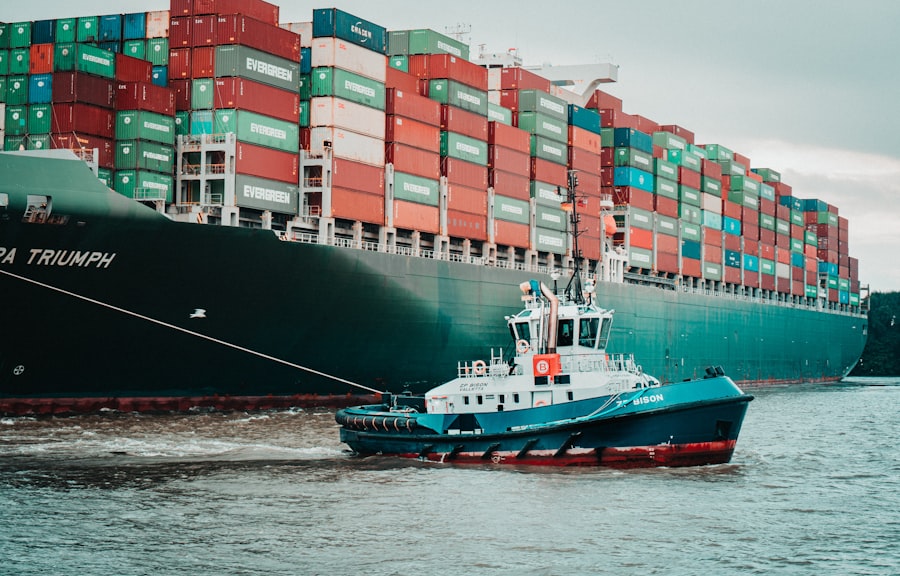
The true danger of supply chain disruptions lies not just in the initial event, but in its ability to trigger a chain reaction, or domino effect, across multiple stages of the supply chain. This amplification of impact is a hallmark of modern, interconnected systems.
Tiered Impact: From Component Suppliers to End Consumers
A disruption at the lowest tier of the supply chain, such as a raw material supplier facing an unexpected shortage, can have a profound impact on higher tiers.
Upstream Bottlenecks: The Ripple of Scarcity
When a producer of a key component faces disruption, it immediately impacts the manufacturers who rely on that component. If the component producer cannot fulfill orders, the manufacturer cannot assemble their final product. This leads to production delays, stockouts, and potentially the inability to meet customer demand.
Downstream Delays: The Avalanche of Unfulfilled Orders
The consequences then cascade further downstream. Retailers who have ordered finished goods find their shelves empty. E-commerce orders go unfulfilled, leading to customer dissatisfaction and lost sales. This can create a vicious cycle where the initial shortage at the component level eventually leads to a widespread availability crisis for the end consumer.
Amplified Consequences: Beyond Production and Delivery
The impact of supply chain disruptions extends far beyond mere production delays and unfulfilled orders. It can have significant financial, reputational, and even existential consequences for businesses.
Financial Ramifications: Lost Revenue and Increased Costs
The most immediate financial impact is lost revenue due to an inability to sell products. Beyond this, companies often incur additional costs to mitigate the disruption. This can include expedited shipping fees, sourcing from more expensive alternative suppliers, holding increased buffer stock, and dealing with the logistical complexities of rerouting shipments. In severe cases, it can lead to significant financial losses and even bankruptcy.
Reputational Damage: Eroding Customer Trust
When customers repeatedly encounter stockouts or delayed deliveries, their trust in a brand erodes. This reputational damage can be difficult and costly to repair. In today’s hyper-connected world, negative experiences are quickly shared on social media and review sites, magnifying the impact and potentially driving customers to competitors.
Brand Devaluation: The Long-Term Scars of Unreliability
A consistent inability to deliver products reliably can lead to a devaluation of a brand’s reputation. Consumers may begin to associate the brand with unreliability, making it harder to attract new customers and retain existing ones, even after the disruption has been resolved.
Strategies for Resilience: Building Stronger, More Agile Supply Chains

The understanding of why supply chains break inevitably leads to the crucial question of how to prevent them from breaking, or at least how to recover quickly when they do. Building resilient supply chains is no longer a matter of choice but a strategic necessity.
Diversification as a Defense: Spreading the Risk
A core principle of building resilience is to avoid concentrated points of failure by diversifying sources and routes.
Multi-Sourcing and Dual-Sourcing: Never Rely on One Supplier
The most direct antidote to single-sourcing vulnerability is to cultivate relationships with multiple suppliers for critical components. This doesn’t necessarily mean splitting orders equally, but having reliable alternatives readily available can ensure continuity if one supplier falters. Dual-sourcing, where two suppliers are actively engaged, provides even greater security.
Geographic Diversification: Localizing and Regionalizing
Reducing reliance on a single geographic region for sourcing and manufacturing can mitigate the impact of localized disruptions. This might involve establishing production facilities in different continents or regions, or sourcing components from a variety of countries. While this can increase complexity and potentially costs, it offers a significant buffer against localized shocks.
Transportation Route Diversity: Always Have a Backup Plan
Similarly, relying on a single transportation mode or route is risky. Businesses should identify and cultivate relationships with providers across multiple modes of transport (sea, air, rail, road) and have contingency plans for alternative routes in case of port congestion, natural disasters, or geopolitical blockades.
Visibility and Agility: Knowing and Adapting
The ability to quickly understand the nature and extent of a disruption and then adapt to it is paramount for resilience.
Real-Time Data and Analytics: Seeing the Unseen
Comprehensive supply chain visibility is essential. This involves having real-time data on inventory levels, production status, shipment locations, and potential risks across the entire network. Advanced analytics can then be used to identify potential problems before they escalate and to model the impact of different disruption scenarios.
Predictive Analytics and Early Warning Systems: Anticipating Trouble
Leveraging data to predict potential disruptions is a key aspect of proactive resilience. This can involve monitoring weather patterns, geopolitical events, and supplier financial health to identify early warning signs of impending issues.
Flexible Manufacturing and Production: Pivoting with Speed
The ability to quickly shift production to different lines or even different facilities can be critical. Flexible manufacturing processes allow companies to adapt to changing demand or to reallocate resources in the face of supply shortages.
Scenario Planning and Stress Testing: Preparing for the Worst
Regularly engaging in scenario planning, where potential disruption scenarios are simulated and responses are practiced, is vital. This “stress testing” helps identify weaknesses in existing plans and provides valuable experience for real-world events.
Collaboration and Partnerships: Strength in Numbers
Building resilient supply chains is not solely an internal endeavor. Collaboration and strong partnerships with suppliers, customers, and even other businesses can be invaluable.
Deep Supplier Relationships: Trust and Transparency
Developing deep, collaborative relationships with key suppliers fosters trust and encourages transparency. This allows for earlier communication of potential issues and facilitates joint problem-solving when disruptions occur.
Information Sharing with Customers: Managing Expectations
Open communication with customers about potential delays or shortages helps manage expectations and can mitigate some of the reputational damage. Informing them of proactive steps being taken can also build goodwill.
Industry Collaboration and Information Sharing: Collective Resilience
In times of widespread disruption, industry-wide collaboration can be beneficial. Sharing best practices, coordinating efforts, and pooling resources can help build collective resilience and address systemic challenges.
Supply chains can break for a variety of reasons, including unexpected disruptions, poor communication, and inadequate risk management strategies. A related article that delves deeper into these issues can be found here, where it discusses the complexities of modern supply chains and the factors that contribute to their vulnerabilities. Understanding these dynamics is crucial for businesses looking to enhance their resilience and ensure continuity in their operations. For more insights, you can read the full article at this link.
The Future of Supply Chains: From Brittle to Bouncing Back
| Reasons for Supply Chain Breaks | Impact |
|---|---|
| Disruptions in transportation | Delayed deliveries and increased costs |
| Inventory shortages | Production delays and lost sales |
| Supplier bankruptcies | Loss of key materials and components |
| Natural disasters | Facility damage and supply chain interruptions |
| Quality control issues | Recalls and reputational damage |
The era of prioritizing pure cost-efficiency above all else, at the expense of resilience, is rapidly drawing to a close. The repeated shocks to global supply chains have forced a fundamental re-evaluation of how goods are produced, transported, and delivered. The future will likely see a shift towards systems that are not just efficient, but also robust, adaptable, and capable of withstanding unforeseen challenges.
Automation and Digitalization: The Technology of Resilience
The ongoing digital transformation of supply chains will play a crucial role in building resilience.
AI and Machine Learning: Smarter Decision-Making
Artificial intelligence and machine learning can analyze vast amounts of data to identify patterns, predict demand surges or drops, optimize logistics routes in real-time, and even automate responses to certain disruptions.
Blockchain: Traceability and Trust
Blockchain technology offers enhanced transparency and traceability throughout the supply chain. This can aid in identifying the source of a problem quickly, verifying the authenticity of goods, and ensuring the integrity of transactions, thereby building trust and reducing fraud.
Robotics and Autonomous Systems: Mitigating Labor Dependence
Increased automation in warehousing, manufacturing, and even transportation can reduce reliance on human labor, which can be vulnerable to illness or strikes. Autonomous vehicles could revolutionize last-mile delivery and long-haul trucking, offering consistent and predictable service.
Circularity and Sustainability: Building a More Robust Model
The principles of circular economy and sustainability are increasingly intertwined with supply chain resilience.
Reduced Dependence on Virgin Resources: Localized and Renewable
Embracing circular economy principles, which focus on minimizing waste and maximizing the use of resources, can reduce reliance on volatile global markets for virgin materials. This might involve greater use of recycled materials, localized production, and more sustainable sourcing practices.
Resilient Design for Longevity: Products That Last
Designing products for durability and easy repair reduces the need for constant replenishment, thus lessening the burden on the supply chain. This shift towards a more sustainable product lifecycle contributes to a more stable and less resource-intensive system.
A New Paradigm: Balancing Efficiency with Resilience
The ultimate goal is to strike a new balance. Not an abandonment of efficiency, but a redefinition of it. Efficiency that incorporates resilience, agility, and sustainability. It is about building supply chains that can not only deliver goods reliably and cost-effectively but can also absorb shocks, adapt to change, and bounce back stronger. The fragility exposed by recent disruptions serves as a critical lesson, a catalyst for innovation, and a call to action for businesses and governments to invest in the future of robust and resilient global commerce. The supply chains of tomorrow will be less about perfect predictability and more about intelligent adaptability.

Why the World’s Ships Stopped Using the Red Sea
FAQs
What are some common reasons why supply chains break?
Some common reasons why supply chains break include natural disasters, transportation disruptions, supplier issues, demand fluctuations, and lack of visibility and communication.
How do natural disasters impact supply chains?
Natural disasters such as hurricanes, earthquakes, and floods can disrupt transportation routes, damage infrastructure, and cause delays in production and distribution, leading to supply chain breakdowns.
What are some examples of transportation disruptions that can lead to supply chain breaks?
Examples of transportation disruptions that can lead to supply chain breaks include port closures, trucking strikes, fuel shortages, and severe weather conditions affecting air and sea freight.
How do supplier issues affect supply chains?
Supplier issues such as quality problems, production delays, and financial instability can lead to shortages of raw materials or components, causing disruptions in the supply chain.
What can companies do to prevent supply chain breaks?
Companies can prevent supply chain breaks by diversifying suppliers, implementing risk management strategies, investing in technology for supply chain visibility, and developing contingency plans for potential disruptions.