
The Allure of the Shifting Sands: Why People Build on Bangladesh Chars
The vast alluvial plains of Bangladesh are crisscrossed by numerous rivers, and at their confluence, a unique landscape emerges: the chars. These are islands, or rather ephemeral landforms, that are constantly being created and eroded by the powerful currents of the Padma, Meghna, and Jamuna rivers. Despite their inherent instability and the constant threat of inundation, millions of people have chosen to call these dynamic environments home. The decision to build on chars is not one taken lightly; it is a complex interplay of desperate necessity, perceived opportunity, and a remarkable resilience born from generations of living in harmony with, and often against, the forces of nature. Understanding why people build on Bangladesh chars requires a deep dive into the socio-economic realities, the environmental pressures, and the cultural adaptations that define life on these fluid frontiers.
In Bangladesh, the practice of building on chars—riverine islands formed by sediment deposition—has become increasingly common due to various socio-economic factors. These chars often provide fertile land for agriculture and can serve as a refuge for communities displaced by flooding or erosion. For a deeper understanding of the motivations and challenges faced by those who choose to settle on these dynamic landscapes, you can read the related article at My Geo Quest.
The Economic Imperative: Survival and Scarcity
The primary driver for settlement on chars is the stark reality of land scarcity and economic hardship in mainland Bangladesh. For many, particularly the landless and the ultra-poor, chars represent a seemingly accessible, albeit precarious, alternative to absolute destitution. The cost of land on the mainland is often prohibitively high, leaving these individuals with few options for establishing a livelihood. Chars, by contrast, are often perceived as unclaimed territory, where a family can carve out a space to cultivate, build a shelter, and begin anew. This perception, while not entirely accurate as land rights can be complex and contested, fuels the initial migration.
Subsistence Agriculture and Livelihoods
The soil on chars, often deposited by the rivers, can be fertile, offering the potential for agricultural production. Families settle with the hope of cultivating crops like rice, pulses, vegetables, and oilseeds to sustain themselves and, if successful, generate a small surplus for sale. The relative abundance of land, compared to densely populated mainland areas, allows for more extensive farming, even if the plots are small. Beyond agriculture, fishing is another critical livelihood on chars, with families casting nets into the surrounding waters to catch sustenance and income. The rivers and their channels are teeming with fish, forming a vital food source and economic engine for many char dwellers.
Access to Resources, Real or Perceived
While resources are scarce on chars, they are often perceived to be more accessible than on the mainland for certain groups. The open expanse of the chars allows for grazing of livestock, which is crucial for many households’ food security and income. Wood, essential for building and fuel, can be gathered from scrub vegetation that grows on the more stable parts of the islands. Furthermore, the proximity to riverine transport, while often rudimentary, offers a lifeline for trade and movement. This access, however limited, can be a significant draw for those struggling to find any means of survival elsewhere.
A Haven for the Displaced
Displacement due to river erosion, salinity intrusion, cyclones, and other natural disasters is a recurring phenomenon in Bangladesh. When families lose their homes and land on the mainland, chars can become an unplanned refuge. Lacking the resources to resettle in more established areas, they are often forced to seek out the marginal lands of the chars. This is not a choice made out of preference but out of necessity, a desperate attempt to find a place to exist when all other options have been exhausted.
The Environmental Realities: A Fragile Existence
The very nature of chars – their formation by fluvial processes – dictates their inherent instability. This dynamism, while creating new land, also poses significant environmental challenges that shape the lives of those who build upon them. The constant threat of erosion, flooding, and the changing courses of rivers are ever-present concerns.
The Specter of Erosion and Land Loss
River erosion is a relentless force on chars. Powerful currents can literally eat away at the land, causing homes, fields, and entire villages to disappear overnight. Families are forced to constantly monitor the riverbanks, ready to relocate their homes as the erosion progresses. This impermanence makes any long-term planning or investment in infrastructure incredibly difficult. The land is not owned in the traditional sense; it is occupied and subject to the whims of the river.
The Peril of Flooding and Cyclonic Surges
Chars are particularly vulnerable to flooding, especially during the monsoon season and the aftermath of cyclones. Their low-lying elevation makes them susceptible to inundation from rising river levels and storm surges. Many char dwellers live in makeshift shelters constructed from readily available materials like mud, bamboo, and tin, which offer little protection against powerful floods. The loss of life and livelihood during extreme weather events is a grim reality for char populations.
Salinity and Water Scarcity
In the southern deltaic regions of Bangladesh, salinity intrusion is a growing problem, affecting both agriculture and drinking water sources on chars. As sea levels rise and freshwater flows decrease, saltwater encroaches into the land, rendering it infertile for many crops and contaminating groundwater. This exacerbates existing water scarcity issues, forcing residents to travel long distances to find potable water, often relying on rainwater harvesting or expensive water purification methods.
Resilience and Adaptation: The Human Spirit on the Edge
Despite the overwhelming challenges, the inhabitants of Bangladesh’s chars exhibit remarkable resilience and ingenuity. Generations of living in such a dynamic environment have fostered a culture of adaptation, where survival depends on a deep understanding of the natural world and a capacity to adjust to its ever-changing moods.
Innovative Building Techniques and Materials
Char dwellers have developed ingenious methods for constructing their homes and shelters to withstand the harsh environment. They often build on raised plinths or use stilts to elevate their houses above flood levels. Materials are sourced locally and are often temporary, reflecting the impermanent nature of their settlements. Bamboo, mud, thatch, and salvaged materials are commonly used, allowing for quick and relatively easy reconstruction when disaster strikes. The ability to dismantle and relocate structures is a crucial survival skill.
Traditional Knowledge and Environmental Awareness
Living in close proximity to nature has imbued char dwellers with an intimate understanding of weather patterns, river behavior, and the natural cycles of their environment. This traditional knowledge, passed down through generations, is invaluable for predicting floods, identifying safer building locations, and managing agricultural practices. They possess a keen awareness of the risks associated with their settlements and often develop community-based early warning systems for impending disasters.
Community Cohesion and Mutual Support
In the face of shared hardships, strong community bonds often emerge on chars. Mutual support networks are vital for survival, especially during times of crisis. Neighbors help each other rebuild homes, share scarce resources, and provide emotional support. Collective action is frequently organized for tasks such as constructing flood defenses, repairing embankments, or undertaking joint fishing expeditions. This social capital is a crucial, albeit often overlooked, resource for char communities.
In Bangladesh, the practice of building on chars, or river islands, has become increasingly common due to the unique opportunities these areas present for agriculture and settlement. The fertile land and access to water resources make chars attractive for farming, while the rising population drives the need for more living space. For a deeper understanding of the dynamics at play in these regions, you can read a related article that explores the socio-economic factors influencing this trend. To learn more, visit this article.
The Double-Edged Sword of Development
| Reason | Description | Impact | Percentage of Population Involved |
|---|---|---|---|
| Land Scarcity | Limited availability of cultivable land in mainland Bangladesh pushes people to settle on chars. | Increased settlement on chars despite risks | Approximately 15% |
| Fertile Soil | Chars have nutrient-rich alluvial soil suitable for agriculture. | Supports farming and livelihoods | About 40% of char inhabitants engage in farming |
| Economic Opportunity | Chars offer opportunities for fishing, farming, and small businesses. | Source of income for char dwellers | 70% of char residents depend on these activities |
| Population Pressure | High population density in mainland areas forces migration to chars. | Expansion of char settlements | Increasing trend over last decade |
| Government and NGO Support | Programs aimed at improving char livelihoods encourage settlement. | Improved infrastructure and services | Supports over 50% of char communities |
| Resilience and Adaptation | Communities develop adaptive strategies to cope with floods and erosion. | Long-term habitation despite environmental challenges | High community engagement |
The challenges faced by char dwellers have attracted the attention of various development organizations and governmental bodies. While interventions aim to improve living conditions, they often present their own set of opportunities and challenges, requiring careful consideration and context-specific approaches.
Infrastructure Projects: Bridging the Gaps
Development efforts often focus on improving infrastructure, such as building more robust cyclone shelters, constructing pucca (all-weather) roads and bridges to connect chars to the mainland, and developing improved sanitation and water supply systems. These projects, when successful, can significantly enhance the safety, connectivity, and public health of char communities. Improved access to markets and social services can also create new economic opportunities.
Livelihood Enhancement Programs: Diversification and Sustainability
Many development initiatives aim to diversify and enhance existing livelihoods. This includes providing training in new agricultural techniques, introducing climate-resilient crop varieties, promoting aquaculture, and supporting the development of small businesses. The goal is to move beyond subsistence living and empower char dwellers with the skills and resources to generate more stable and sustainable incomes. Microfinance programs also play a role in enabling small-scale entrepreneurial activities.
The Risk of Dependency and Unsustainable Practices
However, development interventions can also create a dependency on external aid. If not designed with long-term sustainability in mind, they may not be maintained or adapted by the community after the initial support ends. Furthermore, some projects, particularly those focused on large-scale infrastructure, can inadvertently disrupt the delicate ecological balance of the chars or displace existing settlements without adequate alternatives. It is crucial that development is participatory, community-led, and environmentally conscious.
The Future of Char Settlements: Navigating an Uncertain Horizon
The question of whether people should continue to build on Bangladesh’s chars is a complex one, with no easy answers. The pressures of poverty and landlessness on the mainland are unlikely to abate soon, ensuring that chars will continue to attract settlers out of necessity. Simultaneously, the impacts of climate change, including rising sea levels and increased extreme weather events, will undoubtedly exacerbate the vulnerabilities of these fragile environments.
Climate Change Adaptation and Mitigation
The future of char settlements hinges on effective climate change adaptation and mitigation strategies. This includes investing in early warning systems, promoting climate-resilient infrastructure and livelihoods, and exploring innovative solutions for land reclamation and coastal protection. Empowering char communities with knowledge and resources to adapt to changing environmental conditions is paramount. International cooperation and financial support will be critical in this regard.
Planned Relocation and Sustainable Alternatives
In some of the most vulnerable areas, planned relocation to safer, more stable land may become a necessary consideration. However, such initiatives must be approached with extreme sensitivity, ensuring that affected communities are consulted, involved in the decision-making process, and provided with adequate compensation and alternative livelihoods. The creation of sustainable economic opportunities in safer resettlement areas will be key to ensuring the well-being of displaced populations.
Recognizing and Supporting Existing Resilience
Ultimately, the survival and progress of char communities depend on recognizing and supporting their inherent resilience. This involves empowering them with greater access to education, healthcare, and financial services. It means fostering participatory governance structures that allow them to voice their needs and concerns. The ingenuity and adaptability of char dwellers are their greatest assets, and development efforts should build upon these strengths, rather than seeking to impose external solutions without understanding the local context. The story of Bangladesh’s chars is a testament to the enduring human spirit, a story of survival and adaptation on the ever-shifting frontiers of a deltaic nation.
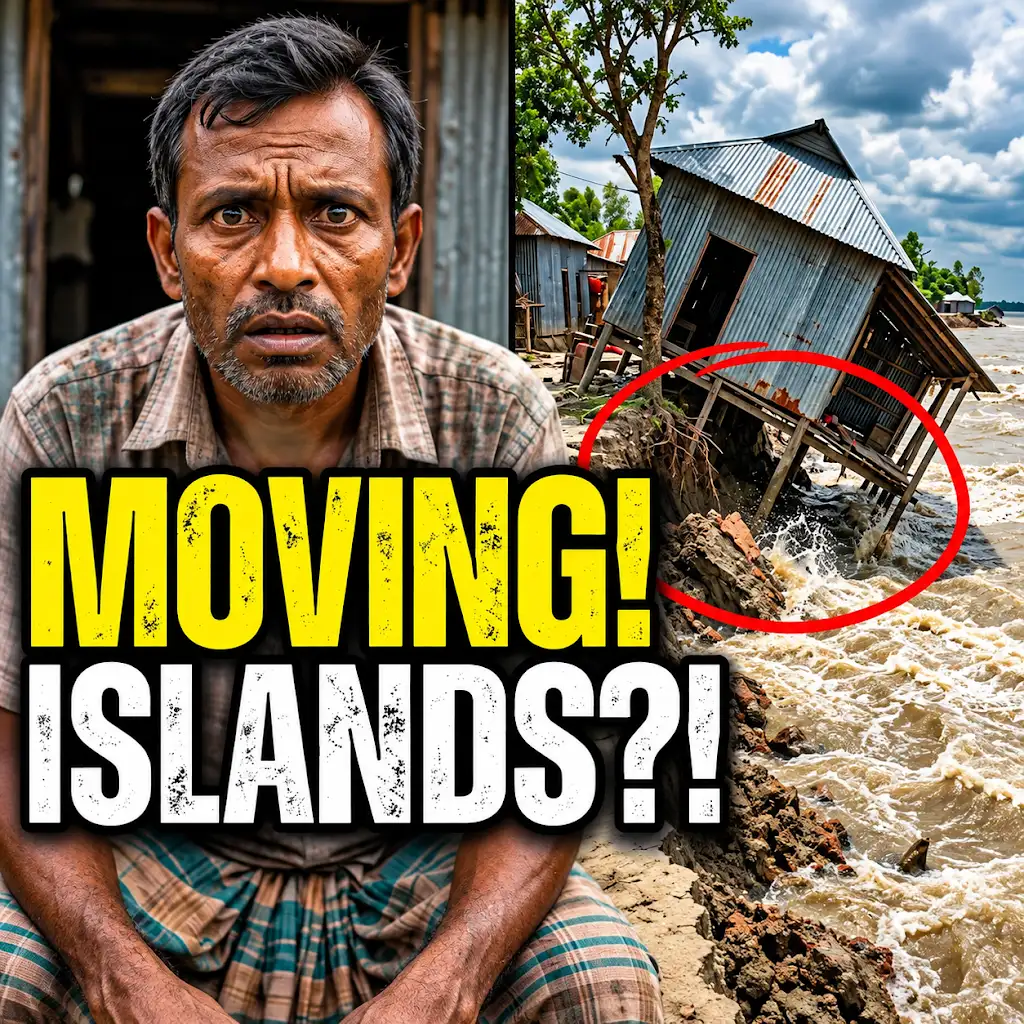
This River is Literally Erasing Islands
FAQs
What are chars in Bangladesh?
Chars are temporary islands that form in the riverbeds of Bangladesh due to sediment deposition. They are often uninhabited and prone to flooding and erosion.
Why do people choose to build on Bangladesh chars?
People build on Bangladesh chars due to land scarcity in the densely populated country. Chars provide an opportunity for landless individuals to establish homes and communities.
What are some challenges faced by those who build on Bangladesh chars?
People who build on Bangladesh chars face challenges such as frequent flooding, erosion, lack of access to basic services like healthcare and education, and vulnerability to natural disasters.
How do people adapt to living on Bangladesh chars?
Residents of Bangladesh chars adapt to their environment by building homes on stilts to mitigate flooding, cultivating flood-resistant crops, and forming strong social networks to support each other during times of crisis.
What are the environmental impacts of building on Bangladesh chars?
Building on Bangladesh chars can lead to increased erosion, disruption of natural habitats, and changes in river flow patterns. It can also contribute to environmental degradation and loss of biodiversity in the region.