
- The Urban Lifeline: How Cities Thrive on Resources From Afar
Cities, vibrant hubs of human activity, innovation, and culture, often present an image of self-sufficiency, a concentrated nexus of commerce and life. Yet, the reality of urban existence is inextricably linked to a vast, often invisible, network of distant resources. Without them, the very foundations of urban growth and sustainability would crumble. This is not a new phenomenon; historically, settlements emerged near water sources and fertile land. However, as cities have grown exponentially in size and complexity, their reliance on resources sourced from increasingly remote locations has intensified, creating a complex web of dependencies crucial for their continued prosperity.
The Illusion of Urban Autonomy
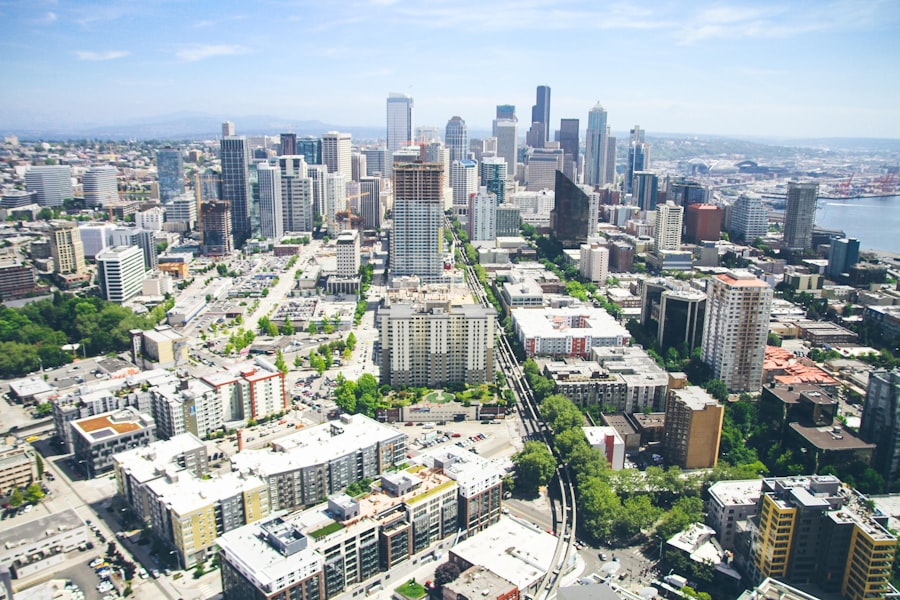
The concrete jungle, with its towering skyscrapers, bustling markets, and intricate infrastructure, can create a powerful illusion of self-containment. Residents might live their daily lives, interacting with businesses and services within the city limits, rarely considering the origin of their food, the fuel that powers their homes and transportation, or the raw materials used in construction. This disconnect is a byproduct of sophisticated supply chains and globalized economies. However, beneath this surface of apparent independence lies a profound truth: cities are consumers, and their consumption patterns necessitate a continuous inflow of goods and materials from beyond their administrative boundaries.
Cities often rely on distant resources due to the increasing demand for essential materials and the limitations of local supply. This dependency can be attributed to factors such as urbanization, population growth, and the need for sustainable development. A related article that explores the implications of this reliance on distant resources can be found at My Geo Quest, which discusses the challenges and opportunities cities face in sourcing materials from afar while striving for environmental sustainability.
From Local Markets to Global Arteries
Historically, cities subsisted on regional agriculture and local craftsmanship. The scale of demand was manageable within a relatively short radius. The Industrial Revolution, however, marked a seismic shift. Mass production, coupled with rapid population growth in urban centers, outstripped local carrying capacities. This necessitated the development of extensive transportation networks – railways, canals, and eventually highways and shipping routes – to bring in bulk quantities of food, fuel, and raw materials from further afield. Today, this network has evolved into a truly global system, with cities drawing sustenance from continents away.
Driving Forces Behind Distant Resource Dependence
Several interconnected factors fuel this dependence. First, population density in urban areas far exceeds the capacity of surrounding land to provide for their needs. Second, specialization within cities leads to economies of scale in manufacturing and services, but this specialization means cities often produce less of what they directly consume, requiring imports. Third, lifestyle expectations in urban environments, from diverse diets to advanced technology, demand a wider variety of resources than localized systems can typically support. Finally, economic efficiency often dictates that it is more cost-effective to source materials and energy from regions with comparative advantages in production, even if those regions are geographically distant. Understanding these drivers is fundamental to appreciating the complex interplay between urban centers and their hinterlands, whether local or global.
- Feeding the Metropolis: The Global Food Supply Chain
One of the most fundamental and ever-present needs of any city is food. The sheer volume of mouths to feed within a concentrated urban area makes local food production, in most cases, insufficient to meet demand. Cities have therefore become epicenters of highly organized, and often globally distributed, food supply chains. This reliance on distant agriculture and food processing is a cornerstone of urban sustainability, shaping land use patterns, driving trade, and influencing global geopolitics.
The Scale of Urban Appetite
Consider the daily caloric intake required by millions of individuals living in a major metropolis. This demand extends beyond basic staples to a vast array of fruits, vegetables, meats, dairy, and specialty products. Local farms, even those surrounding a city, can only produce a fraction of this requirement, especially during off-seasons or when facing unpredictable weather events. Urban populations also have increasingly diverse and sophisticated palates, demanding a wider variety of foods than traditional regional diets might offer. This escalating demand necessitates a continuous and reliable inflow of food from agricultural heartlands, which can be located hundreds or even thousands of miles away.
Cities often depend on distant resources to sustain their growing populations and economic activities. This reliance is driven by the need for essential materials such as water, energy, and food, which are often not available locally in sufficient quantities. For a deeper understanding of this phenomenon, you can explore the article on resource dependency in urban areas, which highlights how cities navigate the challenges of sourcing these vital supplies from afar. The article can be found here.
From Farm to Fork: A Long and Winding Road
The journey of food from farm to fork is a complex logistical feat that underscores urban dependence on distant resources. This journey typically involves several stages:
- Cultivation and Harvesting: Crops are grown in regions with optimal climate and soil conditions, often specialized for certain produce. This could be a vast corn belt in the Midwest, fruit orchards in South America, or rice paddies in Southeast Asia.
- Processing and Packaging: After harvest, produce may undergo processing, such as washing, cutting, freezing, or canning, in specialized facilities. This often occurs in or near the production region, or at distribution hubs closer to urban centers.
- Transportation: This is the critical link. Perishable goods require fast and efficient transport via refrigerated trucks, cargo planes, or ships. Non-perishables can endure longer journeys by sea or rail. The efficiency and reliability of these transportation networks are paramount.
- Distribution Centers: Large cities necessitate massive distribution centers where imported food is received, sorted, and prepared for delivery to retail outlets, restaurants, and other food service providers.
- Retail and Consumption: Finally, the food reaches supermarkets, corner stores, and food markets, where urban residents make their purchases.
Challenges and Vulnerabilities in the Food System
This intricate global food system, while enabling urban growth, is not without its vulnerabilities.
- Geopolitical Instability: Conflicts or trade disputes in food-producing regions can disrupt supply chains, leading to shortages and price hikes in cities far removed from the point of origin.
- Climate Change Impacts: Extreme weather events like droughts, floods, and unseasonable frosts can decimate crops in key agricultural regions, directly impacting the availability and cost of food in consuming cities.
- Transportation Disruptions: Fuel price volatility, port congestion, or infrastructure failures can impede the timely delivery of food, causing significant stress on urban food security.
- Food Safety Concerns: The longer the supply chain, the greater the risk of contamination or spoilage throughout the journey, necessitating stringent regulations and monitoring.
The ability of cities to sustain their populations is thus directly tied to the resilience and robustness of these distant food-producing regions and the intricate logistics that connect them.
- The Arteries of Modernity: Energy for Urban Life
If food nourishes the bodies of urban dwellers, then energy fuels the very existence and continued growth of cities. From the lights that illuminate streets and homes to the power that drives industries and transportation, urban life is unequivocally dependent on a consistent and substantial energy supply. This energy, in the vast majority of cases, is not generated within the city limits but is sourced from distant reserves and processed through complex grids.
The Insatiable Energy Demand of Cities
Cities are energy intensifies. Their high population density, coupled with the concentration of businesses, manufacturing, and advanced infrastructure, results in an enormous per capita and aggregate energy consumption. This demand encompasses:
- Electricity: The lifeblood of modern urban living, powering everything from personal devices and appliances to elevators in skyscrapers, public lighting, and the intricate systems of traffic management.
- Transportation Fuels: Gasoline and diesel for private vehicles, buses, and trucks; jet fuel for air travel connecting cities; and increasingly, electricity for electric vehicles charged through urban grids.
- Heating and Cooling: In many urban climates, significant energy is consumed to maintain comfortable indoor temperatures in residential and commercial buildings, often through centralized or distributed heating and cooling systems.
- Industrial Processes: Even as manufacturing shifts, many urban centers retain industrial sectors that require substantial energy inputs for production.
As cities grow and evolve, embracing new technologies and expanding their economic activities, their energy demands are projected to increase, further solidifying their reliance on distant energy resources.
The Geographies of Power: Fossil Fuels and Renewables
Historically, cities gravitated towards locations with abundant local energy sources, such as coalfields or river systems for hydropower. However, the era of fossil fuels has cemented a globalized energy dependency.
- Fossil Fuels (Coal, Oil, Natural Gas): Many cities now rely heavily on energy generated from fossil fuel power plants that are often located far from the urban centers they serve. The raw materials – coal mines, oil fields, and natural gas reserves – are frequently situated in geographically disparate regions, sometimes across continents or oceans. This necessitates long-distance transportation via pipelines, rail, and supertankers, creating complex geopolitical relationships and significant infrastructure investment.
- Renewable Energy Sources: While the shift towards renewable energy sources like solar and wind power is expanding, the geographical constraints of these resources also highlight distant dependencies. Optimal locations for large-scale solar farms are often in arid, sun-drenched regions, while significant wind farms are best situated in coastal areas or open plains. The electricity generated in these distant locales must then be transmitted to urban consumption centers via extensive and often vulnerable high-voltage transmission lines. Hydropower, while often closer, can still be developed in remote mountain regions.
The Infrastructure of Energy Flow
The movement of energy from its source to the urban consumer is facilitated by an elaborate and costly infrastructure.
- Pipelines: For natural gas and oil, extensive networks of pipelines crisscross landmasses, connecting extraction sites to refineries and distribution hubs.
- Shipping and Rail: Coal and oil are transported in massive quantities by sea via oil tankers and bulk carriers, and by rail for overland transport.
- Power Grids and Transmission Lines: Electricity is transmitted through high-voltage lines, forming vast interconnected networks. The further the distance from the generation source, the more complex and extensive this grid becomes, with significant investment in substations and transformers.
- Refineries and Processing Plants: Crude oil is processed into usable fuels at distant refineries, and natural gas may undergo liquefaction for easier transport.
The reliability of these energy flows is critical. Any disruption, whether due to geopolitical events, natural disasters, or infrastructure failure, can have immediate and severe consequences for urban functioning, from widespread blackouts to the crippling of transportation and commerce. Therefore, securing these distant energy resources and maintaining the integrity of their delivery systems are paramount for urban sustainability.
- The Building Blocks of Tomorrow: Raw Materials for Urban Development
Cities are not static entities; they are constantly evolving, expanding, and renewing themselves. This perpetual state of construction and renovation requires a ceaseless supply of raw materials, many of which are not found within the city’s immediate vicinity. The procurement and transportation of these essential building blocks are fundamental to urban growth and the realization of ambitious development projects.
The Urban Construction Landscape
The visual representation of urban growth is often defined by the presence of construction cranes, new buildings piercing the skyline, and the continuous upgrading of existing infrastructure. These activities are profoundly material-intensive.
- Construction Materials: Cement, steel, glass, lumber, and asphalt are the quintessential components of urban development. The production of cement requires vast quantities of limestone and aggregates, often quarried in specialized regions. Steel manufacturing is a major consumer of iron ore and coal, sourced from mines that can be thousands of miles away. Lumber for construction is harvested from managed forests, which may be located in distant provinces or countries.
- Infrastructure Projects: Beyond individual buildings, cities are defined by their extensive infrastructure – roads, bridges, tunnels, water systems, and power networks. These massive undertakings demand colossal amounts of concrete, steel, and other heavy materials, often sourced from specialized resource extraction sites.
- Consumer Goods and Manufacturing: While not directly construction, the manufacturing of goods used by urban populations – electronics, vehicles, furniture, textiles – also relies on a continuous influx of raw materials like minerals, metals, fibers, and chemicals, often extracted and processed in distant global locations.
The Global Quarry and Forest
The insatiable demand for these materials means that cities draw from a globalized resource base.
- Minerals and Metals: Precious metals, industrial minerals, and base metals essential for construction and technology – copper, aluminum, iron ore, lithium, rare earth elements – are extracted from mines located in specific geological formations around the world. Cities are rarely situated directly atop major deposits of these crucial materials.
- Aggregates and Stone: For concrete and road construction, vast quantities of sand, gravel, and stone are needed. While some large cities may have local quarries, the scale of demand often necessitates sourcing these materials from more remote locations, impacting landscapes and requiring long-haul transportation.
- Timber and Wood Products: Forests are critical sources of lumber for building and many other applications. Sustainable forestry practices are important, but the most commercially viable timber often comes from regions with vast forest cover, which may be far from urban consumption centers.
- Petrochemicals and Polymers: The byproducts of oil and gas extraction are fundamental to the production of plastics, synthetic fibers, and many other materials used in urban life and construction. This ties urban material demand directly to the global oil and gas industry.
The Logistical Challenge of Material Flow
The movement of these raw materials to urban construction sites and manufacturing hubs presents significant logistical challenges and economic considerations.
- Bulk Transportation: Large quantities of raw materials like ore, coal, and aggregates are typically transported via heavy-duty trucks, trains, and bulk cargo ships to minimize per-unit costs. This often involves establishing specialized port facilities or rail yards near urban peripheries.
- Processing and Fabrication: Many raw materials undergo initial processing or fabrication nearer to their source or at intermediate hubs before being transported to their final destination for use in construction or manufacturing. This could involve smelting of ores, cutting of lumber, or the production of concrete mixes.
- Cost and Environmental Impact: The distance over which these materials are transported has a significant impact on their cost, contributing to the overall price of construction and manufactured goods. Furthermore, long-distance transportation often carries a substantial carbon footprint due to fuel consumption.
The ability of cities to grow and maintain their infrastructure is therefore intricately linked to their access to global sources of raw materials and the efficient, albeit often environmentally taxing, logistical networks that bring them to urban shores.
- Water: The Invisible Foundation of Urban Prosperity
Water is perhaps the most fundamental resource for human civilization, and for cities, it is the invisible foundation upon which all prosperity and sustainability are built. While rain may fall on urban areas, the sheer volume of water required to sustain millions of people, their industries, and their sanitation systems far exceeds what can be reliably captured and stored within city limits. This necessitates an often-complex and geographically extensive network for drawing, transporting, and treating water from distant sources.
The Thirsty City: Unquenchable Demand
The water needs of a modern city are immense and multifaceted. These demands include:
- Domestic Consumption: This encompasses drinking water, sanitation (flushing toilets, showering), laundry, and general household use for millions of residents.
- Industrial and Commercial Use: Many urban industries, from food processing to manufacturing and technology, require significant amounts of water for their operations. Commercial establishments like restaurants and hotels also have substantial water needs.
- Public Services: Parks, street cleaning, fire suppression, and the cooling of buildings all contribute to the city’s overall water consumption.
- Agriculture and Green Spaces (within or near city): While major agricultural areas are often distant, urban green spaces and any surrounding agricultural activities that support local food supply also require watering.
The sheer scale of this demand means that even water-rich cities often need to supplement their local supplies with water drawn from further afield.
Bridging the Water Gap: Systems of Supply
Cities have developed sophisticated, often awe-inspiring, engineering solutions to bring water from distant sources.
- Inter-basin Transfers: These are perhaps the most dramatic examples of distant water sourcing. Massive aqueducts, canals, and pipelines are constructed to transport water from rivers, lakes, or reservoirs located in entirely different river basins, sometimes hundreds of miles away. Examples include the Los Angeles Aqueduct system or the Delaware Aqueduct supplying New York City.
- Reservoirs and Dams: While often located in mountainous or less populated areas upstream, large reservoirs created by dams serve as crucial reservoirs for distant urban centers, ensuring a consistent supply even during dry periods.
- Groundwater Extraction: In some cases, cities may tap into deep aquifers that extend beyond their immediate boundaries, but this can lead to issues of overdraft and depletion in the supplying regions.
- Desalination Plants: For coastal cities in arid regions, the development of advanced desalination plants that convert seawater into potable water has become a critical, though energy-intensive, distant resource solution.
The Infrastructure of Hydration and Sanitation
The journey of water from its source to the city and then back out after use involves a complex web of infrastructure.
- Intake Structures and Pumping Stations: These facilities are located at the source of the water, drawing it into the conveyance system. Powerful pumps are often required to move water uphill over long distances.
- Aqueducts, Pipelines, and Tunnels: These are the arteries that carry water from the source to the city. They are engineered to withstand immense pressure and transport vast volumes, often crossing varied terrain.
- Water Treatment Plants: Before reaching consumers, water from distant sources must undergo rigorous treatment to remove contaminants and ensure it is safe for potable use.
- Distribution Networks: Within the city, an intricate network of pipes distributes treated water to every household and business.
- Wastewater Treatment Plants: Equally crucial is the infrastructure to collect and treat used water, preventing pollution of the environment and often returning treated water to natural systems.
The sustainability of cities is intrinsically linked to the health of these distant watersheds and the integrity of the infrastructure that manages their water resources. Issues like inter-state water rights, pollution in upstream regions, and the maintenance of aging water infrastructure can all pose significant threats to urban water security.
- Conclusion: The Interconnected Future of Urbanism and its Resource Networks
The exploration of a city’s dependence on distant resources reveals a fundamental truth: urban centers are not isolated islands of human activity but rather nodes within a vast, interconnected global system. From the food on their plates and the energy that powers their lives to the materials that build their infrastructure and the water that sustains their populations, cities are inextricably linked to regions far beyond their immediate geographic and administrative boundaries. This dependency, driven by population density, specialization, lifestyle expectations, and economic efficiency, is the engine of urban growth but also presents inherent vulnerabilities.
The Double-Edged Sword of Globalization
Globalization has been instrumental in enabling the exponential growth of cities by facilitating access to a wider array of resources at potentially lower costs. However, this global interconnectedness also means that urban societies are susceptible to disruptions occurring thousands of miles away. Geopolitical tensions, climate change impacts on agricultural yields, fluctuations in global commodity prices, and disruptions to international shipping and logistics can all have cascading effects on the availability and affordability of essential resources within urban environments. The more geographically dispersed and complex the supply chains, the greater the potential for unseen risks.
Strategies for Resilient Urban Futures
Recognizing this profound dependence is the first step toward building more resilient and sustainable urban futures. This requires a multi-pronged approach:
- Diversification of Resources and Suppliers: Reducing reliance on a single distant source or a limited number of suppliers can mitigate the impact of localized disruptions. This might involve exploring new geographical regions for sourcing or investing in a wider range of technologies.
- Investment in Local and Regional Systems: While complete self-sufficiency is often unfeasible, strengthening local and regional food production, renewable energy generation, and resource management can reduce the burden on distant networks and enhance urban resilience. This could include supporting urban agriculture, investing in distributed renewable energy, and promoting circular economy principles.
- Enhancing Infrastructure Resilience: The physical infrastructure that transports and delivers resources – pipelines, power grids, water systems, transportation networks – must be robust and adaptable to withstand climate change impacts and other shocks. This involves ongoing maintenance, upgrades, and the integration of smart technologies.
- Promoting Resource Efficiency and Conservation: Reducing overall demand for resources is a critical strategy. This can be achieved through increased energy efficiency in buildings and transportation, water conservation measures, waste reduction, and the promotion of sustainable consumption patterns.
- Strengthening Governance and Collaboration: Effective management of these complex resource dependencies requires strong governance frameworks at local, regional, and international levels. Collaboration between urban centers, resource-producing regions, and international bodies is essential for ensuring equitable access, managing environmental impacts, and fostering innovation.
The future of cities is not one of isolation, but of deeper, more intelligent integration with the natural and economic systems that sustain them. By understanding and proactively addressing their dependence on distant resources, cities can navigate the challenges of the 21st century, fostering continued growth while charting a course towards genuine and lasting sustainability. The ongoing dialogue about urban resilience must therefore always acknowledge the vital, yet often unacknowledged, lifeline that connects the city to the wider world.

Why Cities Are Only 72 Hours From Empty Shelves
FAQs
1. Why do cities rely on distant resources?
Cities rely on distant resources for a variety of reasons, including limited local availability of certain resources, such as water, energy, and raw materials. Additionally, cities may rely on distant resources to meet the demands of a growing population and to access specialized goods and services not available locally.
2. What are some examples of distant resources that cities rely on?
Some examples of distant resources that cities rely on include water from distant reservoirs or aqueducts, electricity generated from power plants located outside the city, and food and raw materials imported from other regions or countries.
3. How does relying on distant resources impact cities?
Relying on distant resources can impact cities in various ways, including increased transportation costs, vulnerability to supply chain disruptions, and environmental impacts associated with transporting resources over long distances. Additionally, it can also lead to economic dependencies on external sources of resources.
4. What are the challenges of relying on distant resources for cities?
Challenges of relying on distant resources for cities include the potential for supply chain disruptions due to natural disasters, geopolitical conflicts, or transportation issues. Additionally, it can also lead to increased energy consumption and greenhouse gas emissions associated with transporting resources over long distances.
5. How can cities mitigate the risks of relying on distant resources?
Cities can mitigate the risks of relying on distant resources by investing in local resource management and conservation efforts, diversifying their resource supply sources, and promoting sustainable practices to reduce the environmental impact of transporting resources over long distances. Additionally, developing resilient infrastructure and emergency response plans can help cities better prepare for potential supply chain disruptions.