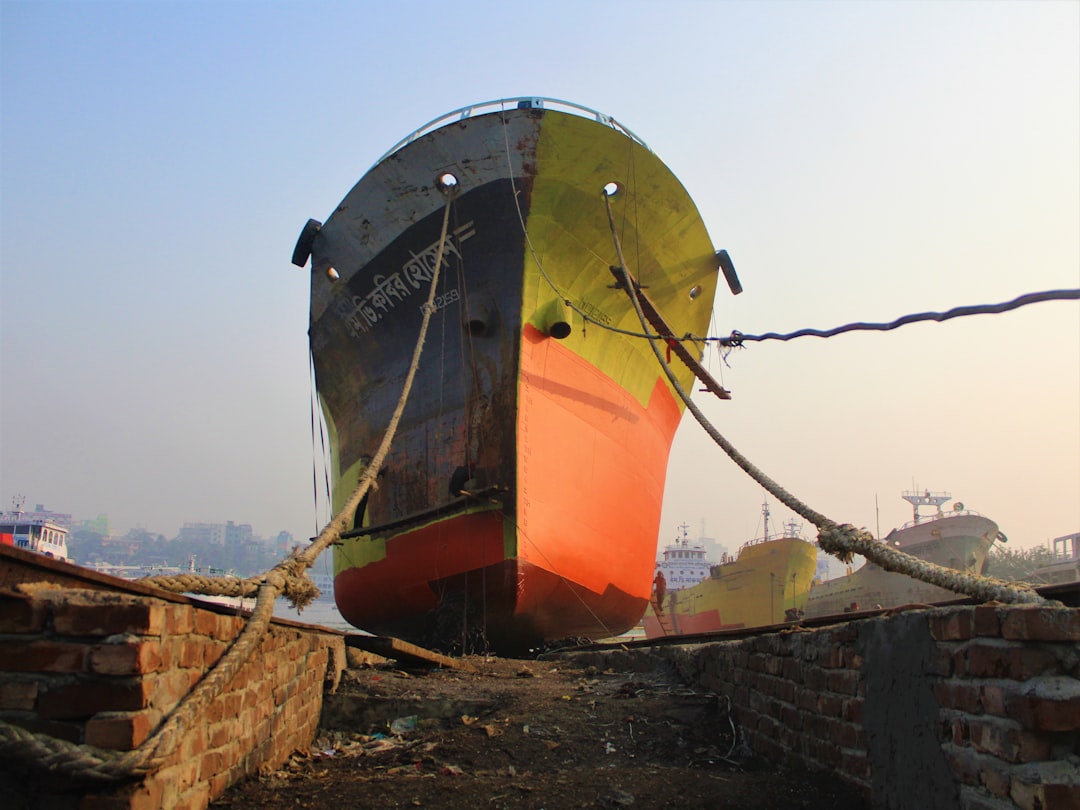
Bangladesh, a nation cradled by the Bay of Bengal, has long been a global leader in shipbreaking. While the industry’s environmental and social impacts have drawn significant criticism, its existence is deeply intertwined with the nation’s economic realities and, increasingly, its aspirations for a more sustainable future. The process of dismantling end-of-life vessels, often referred to as shipbreaking or ship recycling, is a complex undertaking that, when approached with responsible practices, offers a unique pathway towards resource recovery and economic growth for Bangladesh. Understanding why this industry persists and how it can evolve requires delving into its economic drivers, historical context, and the growing imperative for sustainable maritime practices.
The allure of shipbreaking for Bangladesh lies in its dual capacity to provide much-needed raw materials for its burgeoning industries and to generate employment for a significant portion of its population. Historically, this labor-intensive process has been the primary avenue for steel recovery from decommissioned ships. These hulks, having served their oceanic duty, become massive sources of scrap metal, a vital commodity for a nation heavily reliant on manufacturing and construction. The sheer volume of steel that can be salvaged from a single large vessel is substantial, offering a cost-effective alternative to imported virgin steel. This not only reduces the country’s import bill but also fosters a domestic supply chain, bolstering local industries and creating a ripple effect throughout the economy.
Furthermore, the shipbreaking industry is a significant employer in Bangladesh, particularly in coastal regions. It offers jobs to thousands of workers, many of whom may have limited formal education or specialized skills. While the work is often physically demanding and fraught with hazards, it provides a livelihood for families and contributes to the local economies of the communities where shipbreaking yards are concentrated. The demand for labor in this sector, from cutting and welding to dismantling and transporting, creates a direct economic lifeline for a considerable segment of the population. This employment aspect is a crucial reason for the industry’s continued existence, as any abrupt halt would have profound social and economic consequences.
However, the narrative of shipbreaking in Bangladesh is not solely about economic gain. As global awareness of environmental sustainability grows, so too does the pressure on nations like Bangladesh to adopt more responsible and eco-friendly practices within this demanding industry. The international community, through conventions like the Hong Kong Convention for the Safe and Environmentally Sound Recycling of Ships, is pushing for higher standards. Bangladesh, in turn, is grappling with the challenge of balancing its economic needs with its environmental responsibilities, striving to transform its shipbreaking sector into a more sustainable and ethical operation.
The Economic Imperative: Fueling Industries and Employment
The economic underpinnings of Bangladesh’s shipbreaking industry are undeniable and have been its primary driving force for decades. The nation’s rapid industrialization and infrastructure development have created a consistent demand for steel, a demand that local ship recycling endeavors have been instrumental in meeting.
Steel Recovery: A Scarce Resource Made Abundant
The sheer quantity of steel contained within a single large vessel is staggering. These steel giants, after decades of service at sea, are dismantled to yield a significant amount of reusable metal. This recovered steel forms the backbone of numerous Bangladeshi industries.
Primary Source of Steel for Construction
The booming construction sector in Bangladesh, from residential buildings to large-scale infrastructure projects like bridges and flyovers, relies heavily on steel. Shipbreaking provides a readily available and often more affordable source of this critical material, reducing the nation’s dependence on costly steel imports. The salvaged steel, after being processed, is transformed into rebar, structural beams, and other essential components for building a modern nation. This localized sourcing also contributes to shorter lead times and greater predictability in construction projects.
Supporting Manufacturing and Heavy Industries
Beyond construction, the recycled steel finds its way into a multitude of manufacturing processes. Local foundries and metal fabrication workshops utilize the scrap metal to produce a wide range of goods, from automotive parts and agricultural machinery to household appliances and industrial equipment. This domestic supply of raw materials is crucial for fostering a self-sufficient manufacturing base, reducing reliance on international suppliers and the associated price volatility. The ability to access affordable steel directly fuels the growth and competitiveness of these downstream industries.
Employment Generation: A Vital Livelihood
The shipbreaking industry, despite its inherent challenges, is a significant source of employment for a large segment of the Bangladeshi population, particularly in the coastal regions of Chittagong. This labor-intensive process offers opportunities to individuals who may otherwise struggle to find work.
Providing Jobs for Unskilled and Semi-Skilled Labor
A substantial portion of the workforce in shipbreaking yards comprises individuals with limited formal education or specialized training. The tasks involved, such as manual cutting, torching, and lifting, require physical strength and a willingness to learn on the job. This makes shipbreaking a crucial employer for those in rural or coastal communities seeking economic opportunities. It offers a pathway to income and a chance to support families, contributing to poverty reduction in these areas.
Supporting Local Economies and Communities
The presence of shipbreaking yards has a transformative impact on the local economies of the areas in which they are situated. Beyond direct employment, the industry creates a network of ancillary businesses, including transportation services, food vendors, and suppliers of tools and equipment. This creates a multiplier effect, injecting economic activity into the surrounding communities and improving the overall standard of living for many residents. The social fabric of these regions is often deeply intertwined with the shipbreaking industry.
Bangladesh has become a global hub for ship recycling, largely due to its favorable economic conditions and labor costs. The country’s shipbreaking industry not only provides employment to thousands but also plays a crucial role in recycling valuable materials. For a deeper understanding of the factors driving this industry, you can read an insightful article on the topic at My Geo Quest, which explores the environmental and economic implications of ship recycling in Bangladesh.
Historical Context: Evolution of a Necessity
The shipbreaking industry in Bangladesh did not emerge overnight; rather, it evolved from historical necessities and changing global trade dynamics. Its growth is a testament to the nation’s resourcefulness and its ability to leverage its geographical advantages.
Early Days and Informal Practices
In its nascent stages, shipbreaking in Bangladesh was largely an informal sector. As ships reached the end of their operational lives, they were often brought to the coast and dismantled with basic tools and techniques. This was a pragmatic approach to resource recovery, driven by the immediate need for steel and the limited availability of other sources.
Responding to the Demand for Scrap Metal
The demand for scrap metal, both domestically and internationally, has always been a key driver for shipbreaking. As industrialization accelerated globally, so did the need for raw materials. Bangladesh, with its long coastline and access to international shipping routes, became a natural destination for aging vessels. This informal sector gradually grew in response to this demand, establishing the foundation for the modern industry.
Utilization of Coastal Lands and Labor
The vast coastal stretches of Bangladesh provided ideal locations for shipbreaking operations. The availability of a large, willing labor pool further solidified its position as a significant shipbreaking hub. The low cost of labor compared to developed nations made it an economically attractive option for ship owners seeking to dispose of their vessels.
The Rise of Formalized Yards and Increasing Scale
Over time, the shipbreaking industry in Bangladesh transitioned from informal practices to more organized and larger-scale operations. This formalization was driven by increasing demand, the growing complexity of ships, and the need for more efficient dismantling processes.
Growth in Response to Global Shipping Trends
As global shipping expanded, so did the number of vessels reaching their retirement age. This created a continuous supply of end-of-life ships, encouraging the growth of the industry in Bangladesh. The country became a prominent player in the global ship recycling market, attracting vessels from all over the world.
Investment in Infrastructure and Technology
The increasing scale of operations necessitated investment in infrastructure and rudimentary technology. Larger yards were established, equipped with cranes, cutting machinery, and safety equipment. While the technology often lagged behind international standards, it represented a significant evolution from the early days of manual dismantling. This expansion allowed for the processing of larger and more complex vessels.
Environmental Challenges and Global Scrutiny
Despite its economic benefits, the shipbreaking industry in Bangladesh has historically been plagued by significant environmental and safety concerns. These issues have attracted considerable international attention and scrutiny, prompting calls for reform and the adoption of more sustainable practices.
Pollution and Contamination Risks
The dismantling of ships, particularly older vessels, poses a serious risk of environmental pollution. These ships often contain hazardous materials that, if not handled properly, can contaminate the surrounding environment.
Hazardous Materials on Board
Vessels are typically laden with a variety of hazardous substances, including asbestos, lead-based paints, polychlorinated biphenyls (PCBs), and heavy fuel oil. The mishandling and improper disposal of these materials during the dismantling process can lead to widespread contamination of soil, water, and air. Asbestos, in particular, is a major health hazard, posing long-term risks of respiratory diseases like asbestosis and mesothelioma.
Oil Spills and Water Contamination
Accidental oil spills during the draining of fuel tanks or from leaking pipes can cause significant damage to marine ecosystems. These spills can devastate coastal habitats, harm marine life, and impact the livelihoods of fishing communities. The wastewater generated from the cleaning of ship parts can also contaminate local water bodies if not treated appropriately.
Worker Safety and Health Hazards
The working conditions in many Bangladeshi shipbreaking yards have been a major point of concern. The labor-intensive nature of the work, coupled with inadequate safety measures, exposes workers to significant risks.
Accidents and Fatalities
The process of cutting through thick steel plates, often with rudimentary tools and in confined spaces, carries a high risk of accidents. Falls from heights, electrocution, injuries from heavy machinery, and exposure to toxic fumes are common occurrences. Tragically, fatalities are not uncommon in the industry, highlighting the urgent need for improved safety protocols.
Long-Term Health Impacts
Beyond immediate accidents, workers are exposed to long-term health risks from contact with hazardous materials. Chronic exposure to asbestos dust, heavy metals, and volatile organic compounds can lead to debilitating respiratory illnesses, neurological problems, and an increased risk of certain cancers. The lack of adequate personal protective equipment (PPE) exacerbates these dangers.
International Regulations and the Hong Kong Convention
The growing global awareness of these issues has led to the development of international regulations aimed at ensuring safer and more environmentally sound ship recycling practices. The most significant of these is the Hong Kong International Convention for the Safe and Environmentally Sound Recycling of Ships.
The Hong Kong Convention’s Objectives
The Hong Kong Convention, adopted in 2009, aims to ensure that ships, when being recycled after their operational life, do not pose undue risk to human health, safety, or the environment. It sets international standards for ship design, operation, and recycling facilities, requiring ships to carry an inventory of hazardous materials and establishing requirements for the recycling facilities themselves.
Bangladesh’s Role in Adherence and Compliance
Bangladesh is a signatory to the Hong Kong Convention, and its adherence is crucial for its continued participation in the global ship recycling market. The convention mandates the development of national regulations and the implementation of responsible practices. This has put pressure on Bangladesh to upgrade its infrastructure, improve safety standards, and invest in training for its workforce to align with international best practices. The transition to compliance is an ongoing process.
Towards a Sustainable Future: Modernization and Responsible Practices
Recognizing the environmental and social challenges, Bangladesh is increasingly focused on transforming its shipbreaking industry into a more sustainable and responsible sector. This involves embracing modern technologies, implementing stricter regulations, and fostering a culture of safety and environmental stewardship.
Investment in Greener Technologies and Infrastructure
A crucial step towards sustainability is the adoption of advanced technologies and the upgrading of existing infrastructure to minimize environmental impact.
Advanced Cutting and Lifting Equipment
Replacing outdated manual methods with modern, automated cutting and lifting equipment can significantly improve efficiency and safety. Plasma cutters, hydraulic shears, and advanced crane systems can reduce the risk of accidents and exposure to hazardous fumes. The use of controlled demolition techniques can also minimize the spread of dust and debris.
Waste Management and Pollution Control Systems
Implementing robust waste management systems is paramount. This includes dedicated facilities for the segregation, treatment, and disposal of hazardous materials, such as asbestos and oils. Advanced wastewater treatment plants are essential to prevent the contamination of coastal waters. Proper containment measures for hazardous waste are also critical.
Strengthening Regulatory Frameworks and Enforcement
Effective regulation and consistent enforcement are vital to ensure that shipbreaking operations adhere to environmental and safety standards.
Stricter National Regulations and Compliance Monitoring
Bangladesh has been working to strengthen its national legislation to align with the Hong Kong Convention. This includes establishing clear guidelines for shipowners, shipbreakers, and regulatory bodies. Robust monitoring and inspection mechanisms are needed to ensure compliance and to penalize violations. Independent audits of shipbreaking facilities are also important.
Collaboration with International Bodies and NGOs
Partnerships with international organizations and non-governmental organizations (NGOs) can provide valuable expertise, resources, and technical assistance in developing and implementing sustainable practices. These collaborations can help in capacity building, training, and raising awareness about environmental and safety standards. NGOs often play a crucial role in advocating for worker rights and environmental protection.
Worker Training and Welfare Programs
Investing in the well-being and training of the workforce is a cornerstone of a responsible shipbreaking industry.
Comprehensive Safety Training and Personal Protective Equipment (PPE)
Providing workers with comprehensive training on safety procedures, hazard recognition, and the proper use of PPE is non-negotiable. This includes training on working at heights, handling hazardous materials, operating machinery safely, and emergency response. Ensuring the availability and mandatory use of appropriate PPE, such as respirators, safety harnesses, and protective clothing, is essential.
Health Monitoring and Social Welfare Initiatives
Establishing regular health monitoring programs for workers exposed to hazardous substances is crucial for early detection and treatment of potential health issues. Implementing social welfare initiatives, such as access to healthcare, education for children, and fair wages, can significantly improve the overall well-being of the workforce and their families. This contributes to a more ethical and sustainable industry.
Bangladesh has become a global hub for ship recycling, largely due to its cost-effective labor and favorable regulations. The process not only provides economic benefits but also addresses environmental concerns by ensuring that old vessels are dismantled responsibly. For a deeper understanding of the factors driving this industry, you can read a related article that explores the complexities and implications of ship recycling in Bangladesh. This insightful piece can be found here.
The Future of Ship Recycling in Bangladesh: Balancing Economics and Ecology
The trajectory of ship recycling in Bangladesh hinges on its ability to successfully navigate the complex interplay between its economic imperatives and the growing demand for environmental and social responsibility. The nation has the potential to not only continue its role as a major global player but to set new benchmarks for sustainable and ethical ship dismantling.
Embracing the Circular Economy Model
The principles of a circular economy, which emphasize resource efficiency and waste reduction, offer a powerful framework for the future of ship recycling in Bangladesh.
Maximizing Resource Recovery Beyond Steel
While steel recovery remains paramount, the focus can expand to encompass the recovery of other valuable materials from ships, such as non-ferrous metals, plastics, and usable equipment. This holistic approach to resource extraction aligns with circular economy principles, reducing waste and creating additional economic opportunities. The potential for upcycling or reusing components can also be explored.
Minimizing and Managing Waste Streams Effectively
A truly sustainable model necessitates a significant reduction in waste generated during the dismantling process. This involves careful planning, efficient dismantling techniques, and the responsible management of any residual waste through recycling, treatment, or safe disposal. Exploring innovative solutions for managing different waste streams will be critical.
Building a Reputation for Responsible Recycling
Bangladesh has the opportunity to reposition itself as a leader in responsible ship recycling, attracting ethically-minded shipowners and investors.
Attracting International Investment and Partnerships
By demonstrating a commitment to high environmental and safety standards, Bangladesh can attract international investment and forge partnerships with companies that prioritize sustainable practices. This can lead to the adoption of cutting-edge technologies and best practices, further elevating the industry’s profile.
Becoming a Benchmark for Developing Nations
As other developing nations grapple with the challenges of shipbreaking, Bangladesh can serve as a model for how to transition towards a more sustainable and ethical industry. Sharing knowledge, expertise, and successful strategies can foster a global shift towards responsible ship recycling practices.
The Role of Policy and Global Cooperation
Effective policy frameworks and ongoing global cooperation are essential to drive the sustainable evolution of the ship recycling sector.
Consistent Policy Implementation and International Collaboration
Governments must enact and consistently enforce robust policies that incentivize sustainable practices and penalize non-compliance. Continued collaboration with international maritime organizations, industry bodies, and environmental groups will be crucial for sharing best practices, addressing emerging challenges, and ensuring a level playing field globally.
Consumer and Investor Pressure for Ethical Sourcing
Increasingly, consumers and investors are demanding ethically sourced materials and responsible corporate behavior. This growing pressure can be a powerful catalyst for change, encouraging shipowners and recycling facilities to adopt higher standards to meet market expectations. Transparency and accountability will be key to building trust.
In conclusion, Bangladesh’s ship recycling industry, while historically fraught with challenges, holds immense potential to be a cornerstone of a sustainable future. By embracing advanced technologies, strengthening regulatory frameworks, prioritizing worker welfare, and aligning with global best practices, Bangladesh can transform this vital economic sector into a model of responsible resource management and industrial growth, proving that economic progress and ecological stewardship can indeed go hand in hand. The future of ship recycling in Bangladesh is not just about dismantling ships; it’s about rebuilding a more sustainable and ethical industry.

The Beaches Global Trade Can’t Afford to Lose
FAQs

1. Why does Bangladesh recycle so many ships?
Bangladesh recycles a large number of ships due to its low labor costs, lack of environmental regulations, and high demand for steel and other materials.
2. How does the ship recycling industry benefit Bangladesh?
The ship recycling industry provides employment opportunities for thousands of workers and contributes significantly to the country’s economy through the sale of recycled materials.
3. What are the environmental concerns associated with ship recycling in Bangladesh?
The ship recycling industry in Bangladesh has been criticized for its lack of environmental regulations, which can lead to pollution of the surrounding environment and pose health risks to workers.
4. What are the safety concerns for workers in the ship recycling industry in Bangladesh?
Workers in the ship recycling industry in Bangladesh often face unsafe working conditions, including exposure to hazardous materials and lack of proper safety equipment, leading to a high risk of accidents and health issues.
5. How does Bangladesh’s ship recycling industry compare to other countries?
Bangladesh is one of the leading countries in the ship recycling industry, along with India and Pakistan, due to its low labor costs and high demand for recycled materials. However, it also faces criticism for its lack of environmental and safety regulations.