The disappearance of a lake, a seemingly static body of water, triggers a cascade of profound environmental and ecological consequences. What was once a vibrant ecosystem, a source of life and a critical component of the regional landscape, can transform into a desolate, barren expanse. The processes leading to a lake’s drainage can vary, from natural geological events and long-term climate shifts to human-induced interventions. Regardless of the cause, the impact reverberates through the environment, affecting everything from the microscopic organisms within the water to the larger fauna that depend on it, and even the surrounding terrestrial habitats. Understanding these repercussions is crucial for appreciating the interconnectedness of natural systems and the potential for dramatic change when a key element is removed.
The Unraveling of Aquatic Life
When a lake begins to drain, the most immediate and devastating impact is on the aquatic life it sustains. The shrinking water volume leads to increased water temperature, reduced dissolved oxygen levels, and a concentration of pollutants. These conditions create a hostile environment for fish, amphibians, invertebrates, and aquatic plants, pushing many species towards extinction or forcing them to migrate, often with limited success.
The Fate of Fish Populations
Fish are particularly vulnerable to the draining of lakes. As the water recedes, their habitat shrinks dramatically, leading to overcrowding and increased competition for the remaining food resources. Crucially, dissolved oxygen levels plummet. Fish breathe by extracting oxygen from the water through their gills. As temperatures rise, water holds less dissolved oxygen, and as decomposition of organic matter increases in a smaller volume of water, oxygen is consumed. This can lead to mass fish kills, where large numbers of fish suffocate. For species that rely on specific depths or flow regimes for spawning or nursery grounds, the loss of these features can prevent successful reproduction, leading to generational collapse. Some resilient species might survive in deeper pockets, but these often become isolated, making them susceptible to disease and predation. The genetic diversity within surviving populations also diminishes, making them less adaptable to future environmental changes.
Amphibians and Invertebrates: The Unseen Victims
Amphibians, with their permeable skin and dependence on water for their life cycles, are extremely sensitive to changes in aquatic environments. The drying of breeding pools and ponds eliminates critical habitats for tadpoles and other larval stages. Adult amphibians may struggle to find suitable moist environments for foraging and protection from predators. Invertebrates, from zooplankton to benthic organisms, form the base of the aquatic food web. Their decline due to desiccation, increased salinity (as water evaporates and salts concentrate), and altered water chemistry has a cascading effect, impacting the food availability for fish, birds, and other predators. Species with specific substrate requirements, such as those that inhabit submerged vegetation or muddy bottoms, will be among the first to disappear as these environments vanish.
The Transformation of Aquatic Vegetation
Aquatic plants, such as lilies, cattails, and submerged weeds, are not only vital food sources for many animals but also provide essential habitat, oxygenation, and filtration for the lake ecosystem. As the water level drops, these plants are exposed to air, leading to desiccation and death. The loss of submerged vegetation also removes hiding places for small fish and invertebrates, making them more vulnerable. The open water environment shrinks, and the transition to terrestrial or semi-terrestrial plants can occur rapidly, fundamentally altering the lake’s ecological character. Invasive species, often more adaptable to fluctuating conditions, may colonize the exposed mudflats, further displacing native flora and fauna.
If a lake drains, the ecological and geological consequences can be profound, affecting local wildlife, vegetation, and even the surrounding communities. For a deeper understanding of the implications of such an event, you can explore the article on MyGeoQuest, which discusses the various outcomes and environmental impacts of lake drainage. To read more about this topic, visit MyGeoQuest.
Geological and Hydrological Disruptions
The drainage of a lake is often intrinsically linked to underlying geological formations and hydrological processes. The very mechanisms that hold a lake in place can fail, leading to its rapid or gradual disappearance, and the consequences extend far beyond the immediate aquatic environment.
The Role of Karst Topography and Sinkholes
In regions with karst topography, characterized by soluble bedrock like limestone, lakes can be naturally drained through underground passages. Dissolution of the rock can create or enlarge fissures and sinkholes, providing an escape route for the lake’s water. When a sinkhole opens beneath a lake, water can drain away rapidly, sometimes in a matter of hours or days. This sudden loss of water not only devastates the aquatic ecosystem but can also destabilize the surrounding land. The collapse of karst formations can lead to further subsidence, creating new sinkholes and altering drainage patterns over a wider area. The underlying groundwater system, which may have been recharged by the lake, is also profoundly affected, potentially impacting wells and springs in the vicinity.
Groundwater Depletion and Aquifer Impact
Lakes can act as surface expressions of underlying groundwater systems. If the rate of water withdrawal from aquifers exceeds natural recharge, or if geological changes alter the connection between the lake and the aquifer, the lake’s water level can drop. This aquifer depletion can lead to a significant reduction in groundwater availability for surrounding communities, agriculture, and ecosystems. The drying of a lake can also signal a broader hydrological crisis, indicating that the region’s water resources are under severe stress. In some cases, the drainage of a lake might be a symptom of a larger tectonic event or underground fluid migration, which could have more widespread geomorphological consequences.
Changes in Sedimentation and Erosion Patterns
As a lake drains, the exposed lakebed becomes susceptible to erosion. Wind and rain can carry away the fine sediments that have accumulated over centuries, transporting them to other areas and altering local soil composition. This exposed sediment can be a source of dust, impacting air quality and potentially damaging vegetation in downwind areas. Conversely, the absence of the lake’s water flow can alter natural erosion and deposition patterns in the surrounding landscape. Rivers or streams that once flowed into or out of the lake may change their course or cease to flow, leading to erosion or sediment accumulation in new locations. The exposed lakebed itself, rich in organic matter, can undergo rapid decomposition, releasing greenhouse gases like methane and carbon dioxide.
Terrestrial Ecosystem Alterations
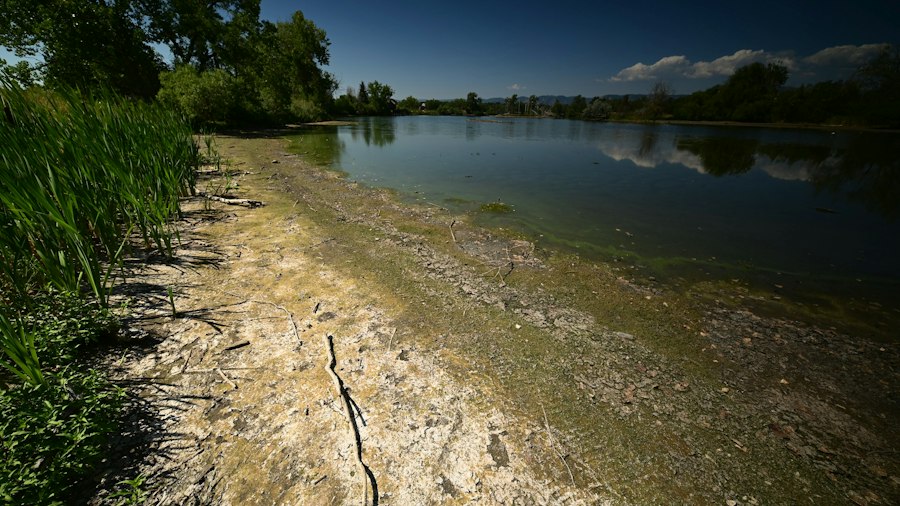
The disappearance of a lake does not just affect the water body; it profoundly reshapes the surrounding terrestrial ecosystems. Habitats are lost, food sources vanish, and the local climate can be influenced, leading to a domino effect of ecological change.
Shifting Flora and Fauna Distributions
The loss of a lake creates a dramatic shift in habitat availability. Wetlands that fringed the lake dry out, eliminating crucial habitats for amphibians, reptiles, insects, and many bird species that rely on these moist environments for breeding, foraging, and shelter. Terrestrial animals that depended on the lake for drinking water will be forced to travel further or seek alternative sources, increasing competition and vulnerability. Plant communities adapted to moist conditions will die off, replaced by species that can tolerate drier, more exposed environments. This can lead to a homogenization of the landscape, with opportunistic, often invasive, species taking over the newly available space. The overall biodiversity of the region can experience a significant decline as specialist species, tied to the unique conditions of the lake environment, are unable to adapt.
Impacts on Migratory Birds and Other Wildlife
Lakes, especially those along migratory routes, serve as vital stopover points for countless species of birds. These lakes provide essential feeding and resting grounds, allowing birds to replenish their energy reserves during long migrations. The disappearance of a lake can effectively sever these critical lifelines, leading to increased mortality during migration and impacting breeding success in distant locations. Even for resident wildlife, the loss of a reliable water source can be catastrophic. Animals like deer, elk, and even smaller mammals often congregate around lakes, and their displacement can lead to increased pressure on remaining water sources and habitats, potentially leading to overgrazing and further ecological degradation.
Altered Microclimates and Soil Conditions
Lakes play a significant role in moderating local climate. Their large surface area can influence temperature and humidity, creating a more stable microclimate in the surrounding region. The evaporation from the lake surface contributes to local humidity, and the water body can act as a thermal buffer, moderating extreme temperature fluctuations. As a lake drains, this moderating effect is lost. The surrounding land can become drier and hotter, especially during summer months, and temperature swings can become more pronounced. The exposed lakebed, often composed of fine, organic-rich sediments, can become highly compacted and less permeable once dried. This can hinder the establishment of new vegetation and alter the soil’s ability to retain moisture, creating a feedback loop of increasing aridity.
Economic and Social Ramifications
Beyond the environmental and ecological consequences, the draining of a lake can have significant economic and social repercussions for human communities that depend on it.
Impacts on Local Economies
Many communities are built around lakes, relying on them for tourism, recreation, and commercial activities. The disappearance of a lake can devastate these local economies. Fishing industries collapse, boating and water sports venues become defunct, and the aesthetic appeal that draws tourists vanishes. Property values in lakefront communities can plummet. Businesses that cater to lake-related activities, such as marinas, restaurants, and rental services, face closure. This can lead to widespread job losses and economic hardship, forcing residents to relocate. In some instances, the lake may have provided a source of irrigation water for agriculture or a source for municipal water supplies, and its loss can cripple these essential services.
Water Resource Management Challenges
The draining of a lake highlights critical challenges in water resource management. If the lake was a reservoir for drinking water, its disappearance necessitates finding new, often more expensive, and logistically complex, water sources. This can lead to water rationing, increased water costs for consumers, and conflicts over water rights. The long-term planning and infrastructure required to adapt to such a loss can be substantial and place a significant burden on local and regional governments. The event also serves as a stark reminder of the fragility of water resources and the need for sustainable practices to prevent future depletion.
Cultural and Recreational Loss
For many, lakes hold deep cultural and recreational significance. They are places for swimming, fishing, boating, and simply enjoying nature. The loss of a lake can mean the loss of cherished memories, traditions, and a vital connection to the natural world. Recreational activities that have been passed down through generations may cease to exist. The emotional and psychological impact of losing such a significant natural feature can be profound, leading to a sense of loss and displacement for those who have grown up with or lived alongside the lake. The cultural identity of a region can be intrinsically linked to its lakes, and their disappearance can represent a significant cultural void.
When a lake drains, it can lead to significant ecological and geological changes in the surrounding environment. The sudden loss of water can expose previously submerged land, altering habitats and affecting local wildlife. Additionally, the drainage can reveal interesting geological formations and artifacts that were hidden beneath the surface. For a deeper understanding of the implications of lake drainage, you might find this article on the subject particularly enlightening: lake drainage effects. This resource explores various case studies and the long-term consequences of such events on ecosystems and communities.
Long-Term Recovery and Adaptation Strategies
| Impact | Description | Potential Consequences | Example Metrics |
|---|---|---|---|
| Ecological Disruption | Loss of aquatic habitat and biodiversity | Fish and plant species decline, disruption of food chains | Species lost: 20-50, Habitat area lost: 100-500 hectares |
| Water Supply Reduction | Decrease in available freshwater for communities and agriculture | Water shortages, reduced crop yields | Water volume lost: millions of cubic meters, % reduction in supply: 30-70% |
| Soil Degradation | Exposure of lakebed leading to erosion and dust storms | Loss of fertile soil, increased air pollution | Soil erosion rate increase: 50-200%, Dust storm frequency increase: 2-5 times |
| Economic Impact | Loss of fisheries, tourism, and related jobs | Unemployment rise, decreased local income | Job losses: hundreds to thousands, Revenue loss: significant |
| Hydrological Changes | Altered groundwater recharge and local climate | Lowered water tables, microclimate changes | Groundwater level drop: 1-5 meters, Temperature variation: ±1-2°C |
The draining of a lake is a catastrophic event, but understanding the potential for recovery and adaptation is crucial for both mitigating damage and planning for future resilience. The speed and nature of recovery, if it occurs at all, depend on numerous factors.
The Potential for Natural Regeneration
In some instances, particularly if the drainage was due to a temporary geological anomaly or a short-term climate event, a lake might eventually reform. Natural processes like increased rainfall, changes in groundwater flow, or geological shifts could lead to the refilling of the basin. However, the ecological composition of a refilled lake may differ significantly from its original state. Invasive species that have colonized the exposed lakebed may dominate the new ecosystem, and the soil structure and chemistry might be altered, impacting the types of plants that can establish themselves. The recovery of native aquatic life can be a slow process, often requiring active human intervention and reintroduction efforts.
Human Interventions for Restoration
When natural regeneration is insufficient or too slow, human interventions become necessary. These can range from efforts to slow down further drainage (if possible) to more ambitious restoration projects. Re-establishing hydrological connections, repairing damaged geological structures, or even artificially creating new water bodies are all potential strategies. For aquatic life, restocking efforts and the creation of artificial habitats might be employed.restrial ecosystems can benefit from re-vegetation programs using native species that are adapted to the altered conditions. The success of such interventions often depends on the scale of the damage, available resources, and a comprehensive understanding of the underlying causes of the drainage.
Adapting to a Water-Scarce Landscape
In cases where the drainage is permanent or long-term, communities and ecosystems must adapt to a water-scarce landscape. This involves implementing water conservation measures, developing drought-resistant infrastructure, and exploring alternative water sources. For terrestrial ecosystems, this might mean fostering the growth of more resilient plant species and managing land to prevent further erosion and desertification. The long-term survival and health of both human and natural systems in the aftermath of a lake’s disappearance hinges on proactive adaptation and a commitment to sustainable resource management. The lessons learned from the loss of a lake can serve as a powerful impetus for rethinking our relationship with water and the environment.
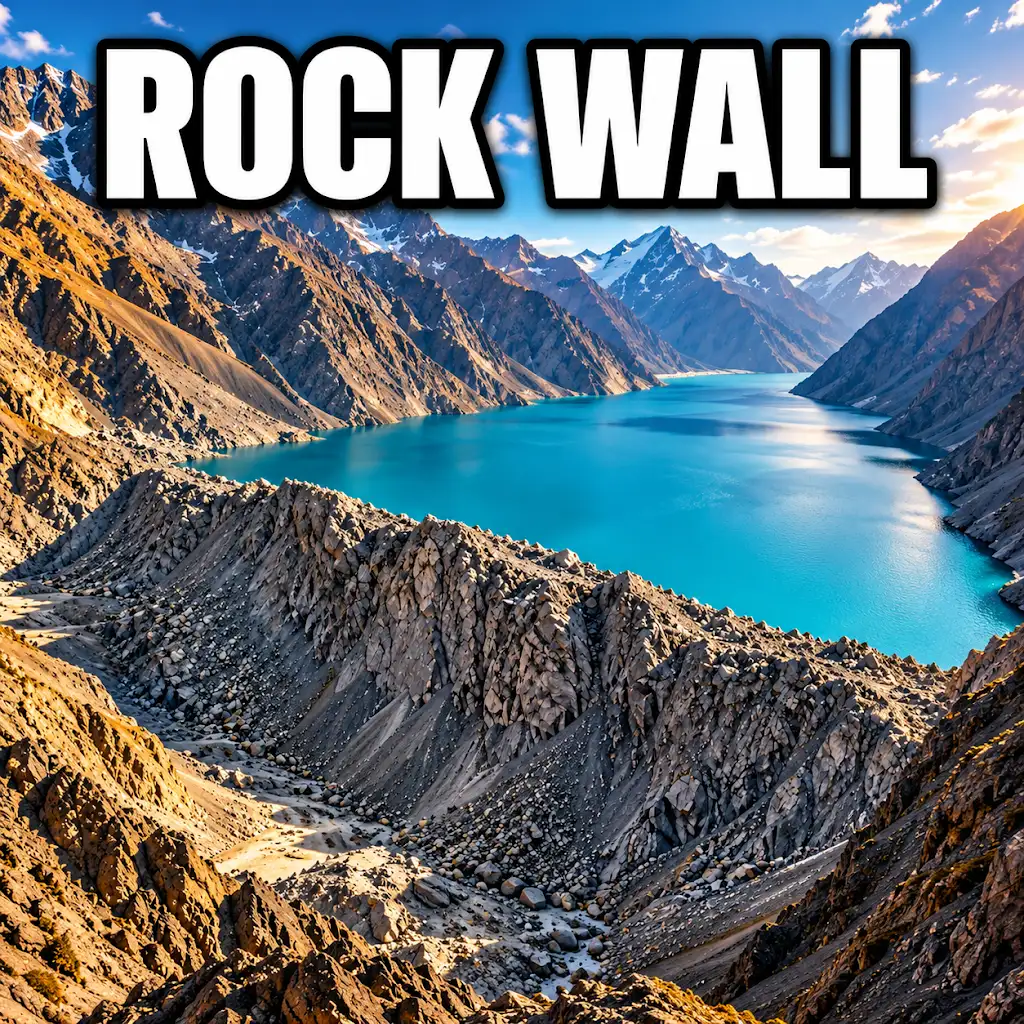
Could a Wave Push Lake Sarez Over This Natural Dam?
FAQs
1. What causes a lake to drain?
A lake can drain due to a variety of reasons such as a breach in a dam, excessive evaporation, underground seepage, or a sudden shift in the earth’s crust.
2. What are the consequences of a lake draining?
When a lake drains, it can lead to the loss of habitat for aquatic life, impact water supply for surrounding communities, cause erosion of the lake bed, and potentially result in flooding downstream.
3. Can a drained lake be refilled naturally?
In some cases, a drained lake can be refilled naturally through rainfall, runoff from surrounding areas, or underground springs. However, the process can take a significant amount of time depending on the size of the lake and the availability of water sources.
4. How does a drained lake affect the ecosystem?
A drained lake can disrupt the ecosystem by displacing or killing aquatic plants and animals, altering water quality, and impacting the food chain. It can take years for the ecosystem to recover, if at all.
5. What measures can be taken to prevent a lake from draining?
To prevent a lake from draining, measures such as regular maintenance of dams and levees, monitoring water levels, managing water usage, and implementing erosion control measures can be taken. Proper planning and maintenance are key to preserving the integrity of a lake.