The West Bank Dead Sea: A Region Unraveling Beneath the Surface
The Dead Sea, a hypersaline lake straddling the border between Israel, Jordan, and the West Bank, has long been a marvel of nature. Its mineral-rich waters, floating buoyancy, and stark, beautiful landscape have drawn tourists and researchers for centuries. However, beneath its shimmering, impossibly buoyant surface, a silent crisis is unfolding, one that threatens the very existence of this unique natural wonder and the communities that depend on it. The sinkhole crisis in the West Bank, a region particularly vulnerable to the geological and environmental shifts occurring around the Dead Sea, represents a stark manifestation of a much larger ecological catastrophe.
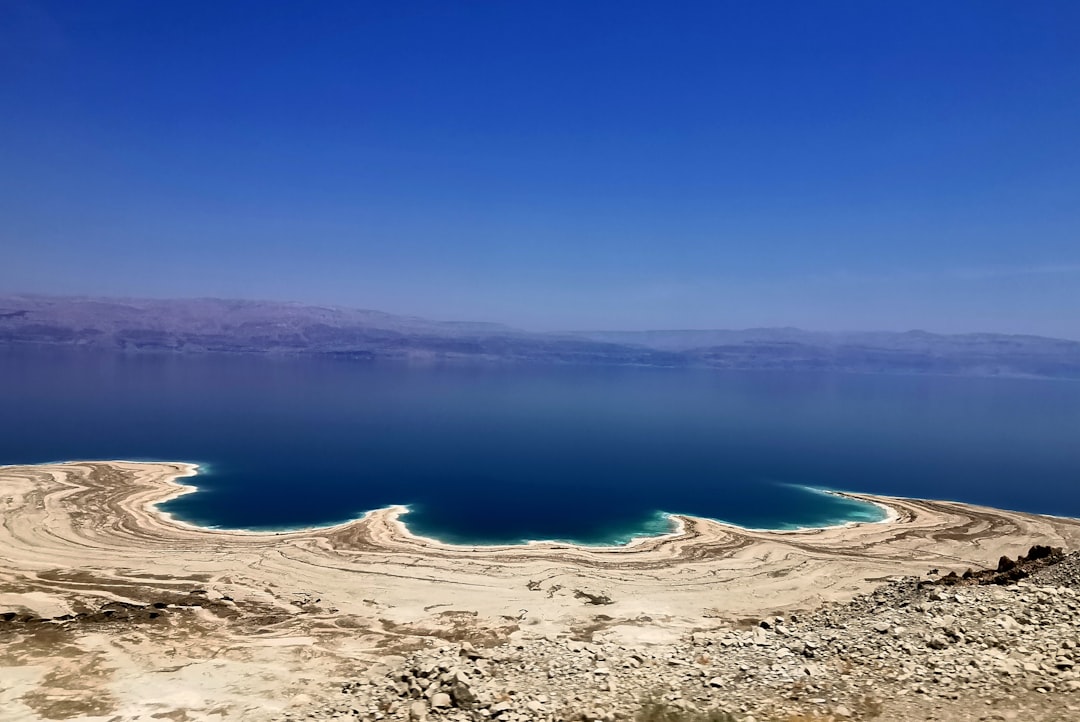
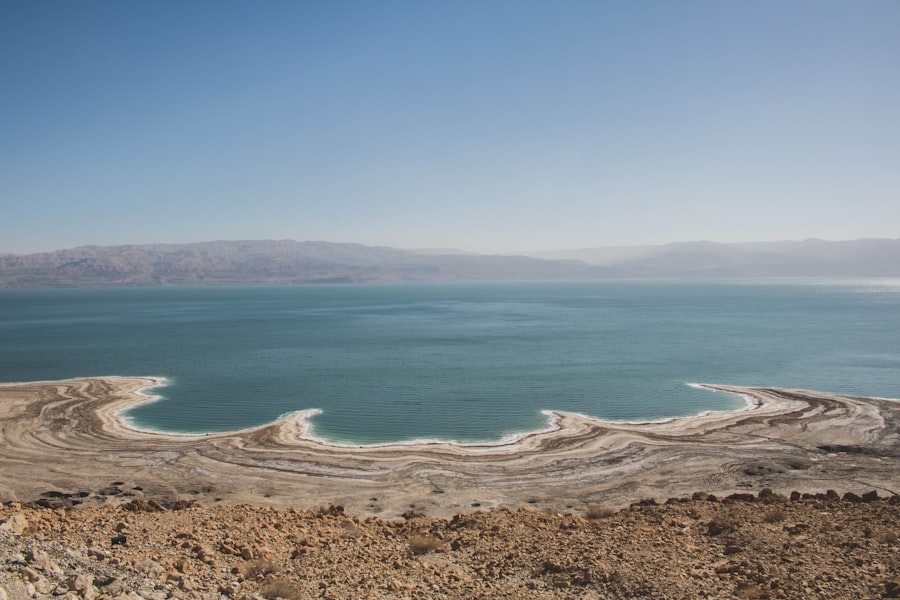
The most prominent symptom of the Dead Sea’s decline is its dramatic shrinking. As the lake’s surface area recedes, the shoreline retreats, leaving behind vast expanses of exposed, salt-crusted earth. This retreat is a direct consequence of a multifaceted problem, primarily driven by excessive water diversion from its main tributaries, the Jordan River and its tributaries, and the ongoing, unchecked evaporation rate.
The Jordan River’s Diminishing Flow: A Lifeline Severed
Historically, the Jordan River and its tributaries, such as the Yarmouk River, served as the lifeblood of the Dead Sea, replenishing its waters. However, in recent decades, the flow has been drastically reduced. This reduction is a consequence of damming projects and extensive water extraction by surrounding countries for agricultural, industrial, and domestic consumption. For the West Bank, reliant on shared water resources and facing its own developmental challenges, the diminishing flow of the Jordan River has exacerbated the problem, leaving the Dead Sea with an ever-increasing deficit.
Evaporation’s Relentless Thirst: A Natural Process Amplified
The Dead Sea’s hyper-saline environment naturally leads to a high evaporation rate, a phenomenon amplified by the arid climate of the region. While evaporation is a constant factor, the lack of sufficient inflow means that this natural process now contributes to a net loss of water, accelerating the lake’s decline. The rising global temperatures associated with climate change further exacerbate this issue, intensifying evaporation and putting additional strain on the already precarious water balance.
The Interconnectedness of a Fragile Ecosystem: Beyond the Shoreline
The shrinking of the Dead Sea is not merely an aesthetic issue or a problem confined to the immediate shoreline. It is a symptom of a deeply interconnected and fragile ecosystem in distress. The decline impacts the unique flora and fauna adapted to this extreme environment, and it has profound socio-economic consequences for the communities in the West Bank whose livelihoods are intrinsically linked to the Dead Sea.
The phenomenon of sinkholes in the West Bank region, particularly around the Dead Sea, has raised significant environmental concerns and sparked interest in geological studies. For a deeper understanding of this issue, you can read a related article that explores the causes and implications of these sinkholes, as well as potential solutions to mitigate their impact. To learn more, visit this article.
The Rise of the Sinkholes: A Subterranean Threat Emerges
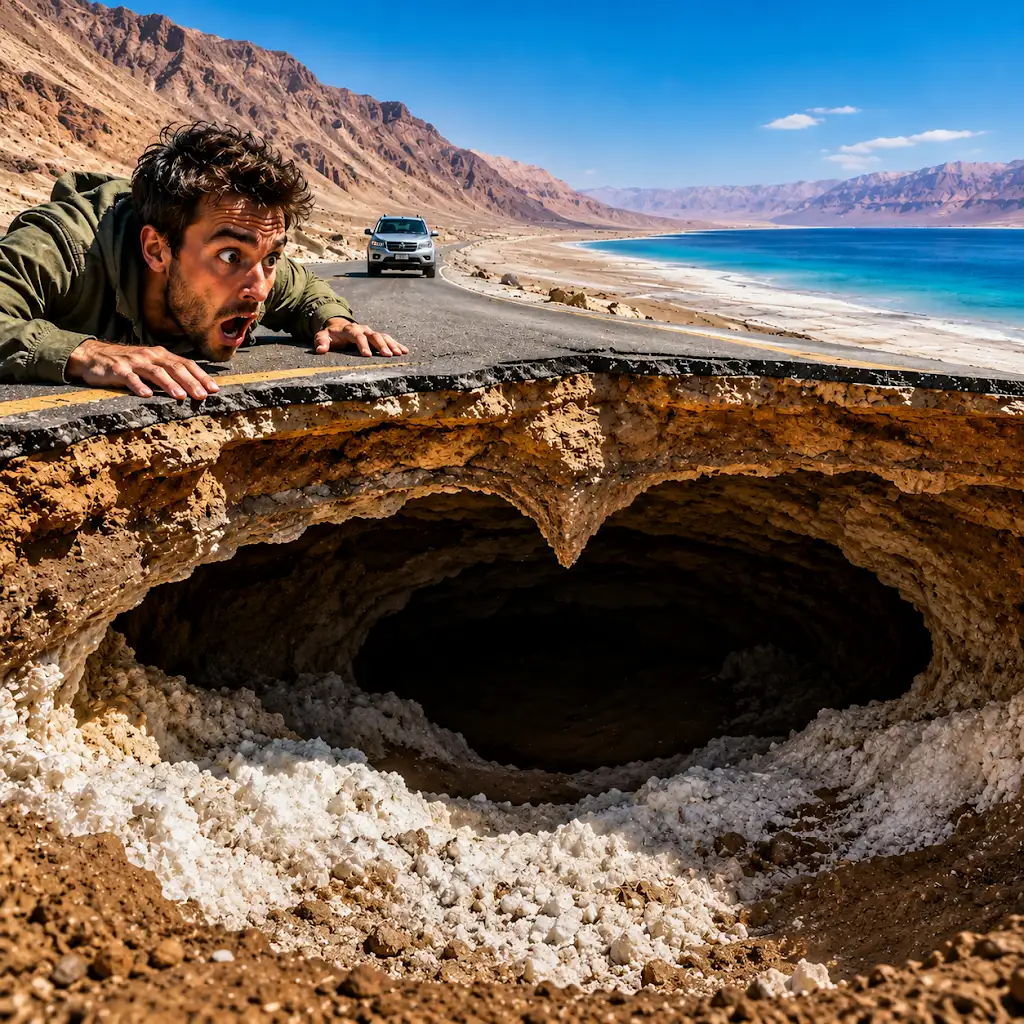
As the Dead Sea recedes, a new and alarming phenomenon has emerged: the proliferation of sinkholes. These sudden collapses of the earth’s surface are not isolated incidents but a growing crisis, particularly along the newly exposed shorelines and in areas adjacent to the retreating waters. The formation of these sinkholes is a complex geological process directly linked to the changing hydrology of the region.
The Salinization of Groundwater: A Toxic Influx
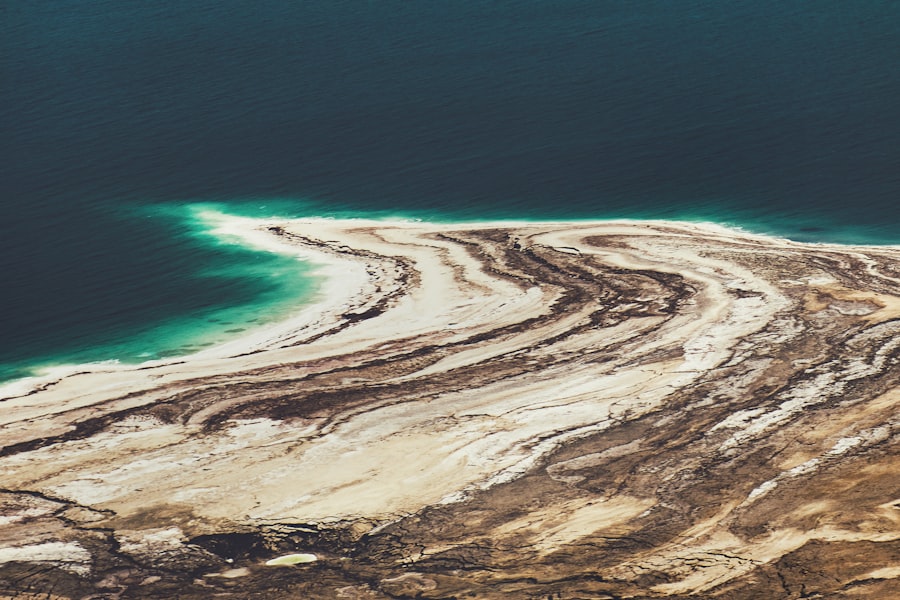
The receding Dead Sea leaves behind extensive salt flats. As rainwater, and in some cases, treated wastewater, percolates through these salt-laden soils, it dissolves the salt. This hypersaline groundwater then flows into subterranean cavities, a process known as salinization. This influx of highly saline water contaminates freshwater aquifers, making them unusable for drinking or irrigation.
The Dissolution of Salt Layers: Creating Hidden Chasms
Beneath the surface of the Dead Sea region lie thick layers of salt deposited over millennia. As the hypersaline groundwater flows through these layers, it begins to dissolve them. Over time, this dissolution creates underground cavities and caverns. These hidden voids weaken the overlying soil and rock, making them susceptible to collapse.
The Triggering Mechanism: Fluctuations in Water Levels
The formation of sinkholes is often triggered by fluctuations in water levels, both of the Dead Sea itself and the surrounding groundwater. When the Dead Sea’s level drops significantly, it reduces the hydrostatic pressure that previously supported the subterranean salt layers. This reduced pressure, coupled with the ongoing dissolution of salt, makes the ground more unstable. Similarly, changes in the salinity and flow of groundwater can also initiate collapse.
The Unpredictability and Danger: A Looming Hazard
The most dangerous aspect of the sinkhole crisis is its inherent unpredictability. These collapses can occur suddenly and without warning, transforming solid ground into treacherous pits. This poses a significant threat to human safety, infrastructure, and the environment. For communities in the West Bank, where infrastructure development is often less robust, the risk is amplified.
Impact on West Bank Communities: Livelihoods on the Brink
The sinkhole crisis and the broader Dead Sea decline have a direct and devastating impact on the communities of the West Bank. These impacts range from economic hardship to threats to daily life and the loss of cultural heritage.
Tourism’s Fading Allure: Economic Repercussions
The Dead Sea is a significant tourist destination, attracting visitors for its unique therapeutic properties and natural beauty. The receding shoreline, the development of sinkholes, and the general degradation of the landscape diminish its appeal. This decline in tourism directly impacts the livelihoods of those in the West Bank who depend on hotels, transportation, local crafts, and other services catering to visitors. Businesses are struggling, and jobs are being lost.
Agricultural Challenges: The Threat to Food Security
The salinization of freshwater aquifers due to the Dead Sea’s decline poses a severe threat to agriculture in the West Bank. If irrigation water becomes too saline, crops cannot grow, leading to reduced yields and potential crop failure. This has implications not only for the economic viability of farming but also for food security in a region already facing significant challenges.
Infrastructure Under Threat: Roads, Buildings, and Utilities
The expanding network of sinkholes poses a direct threat to existing infrastructure in the West Bank. Roads can be swallowed, buildings can become unstable, and essential utilities like water pipes and electricity lines can be damaged. Repairing and maintaining such infrastructure in the face of ongoing geological instability is a costly and complex undertaking.
Loss of Cultural and Historical Sites: A Vanishing Heritage
The Dead Sea region is rich in historical and archaeological significance. As the shoreline recedes and the landscape changes, ancient sites and cultural landmarks are being exposed to new environmental pressures and, in some cases, threatened by the encroaching sinkholes. This loss represents a permanent erasure of valuable heritage.
Scientific and Environmental Responses: A Race Against Time
Scientists and environmentalists are acutely aware of the Dead Sea crisis and are working to understand its complexities and devise potential solutions. However, the scale of the problem and the geopolitical complexities of the region present significant hurdles.
Monitoring and Research: Understanding the Dynamics
Extensive monitoring and research are underway to track the rate of the Dead Sea’s decline, map the extent of sinkhole formation, and understand the geological and hydrological processes at play. This scientific endeavor is crucial for informing any future intervention strategies. Researchers are employing a range of technologies, from satellite imagery to ground-penetrating radar, to gain a comprehensive understanding of the subterranean environment.
Exploring Water Diversion and Replenishment Projects: Ambitious but Contested
Various proposals have been put forward to address the Dead Sea’s water deficit. The most prominent is the “Red Sea-Dead Sea Water Conveyance Project,” which aims to pipe water from the Red Sea to the Dead Sea. While this project holds the potential to replenish the lake, it is fraught with challenges, including high costs, environmental concerns regarding the impact of bringing Red Sea water into the Dead Sea ecosystem, and significant political and logistical complexities. Furthermore, there are debates about the equitable distribution of any water resources that might become available.
Addressing Local Water Management: A Crucial Component
While large-scale projects are being discussed, addressing local water management practices in the West Bank is also critical. This includes improving water efficiency in agriculture, reducing water wastage, and exploring sustainable wastewater treatment and reuse options. Such measures can help alleviate some of the pressure on freshwater resources, indirectly benefiting the Dead Sea by reducing the demand on its tributaries.
The Challenge of International Cooperation: Bridging Divides
The Dead Sea is a shared resource, and its survival hinges on the cooperation of all bordering nations. However, the ongoing political tensions and conflicts in the region make unified action incredibly difficult. Effective solutions require collaboration and a shared commitment to environmental stewardship, which remains a significant challenge.
Recent studies have highlighted the alarming increase in sinkholes around the Dead Sea in the West Bank, raising concerns about the geological stability of the region. These sinkholes, which are primarily caused by the rapid evaporation of water from the Dead Sea, pose significant risks to local communities and infrastructure. For a deeper understanding of this phenomenon and its implications, you can read more in this informative article on the topic at My Geo Quest.
The Future of the Dead Sea: Uncertainty and Urgent Action
| Year | Number of Sinkholes | Area Affected (sq km) |
|---|---|---|
| 2000 | 0 | 0 |
| 2010 | 1,000 | 40 |
| 2020 | 3,000 | 80 |
The future of the Dead Sea and the surrounding region hangs in the balance. The sinkhole crisis is not merely a geological anomaly but a stark warning of the consequences of unsustainable water management and environmental degradation.
The Potential for Irreversible Damage: A Ticking Clock
The rate of decline and the increasing prevalence of sinkholes suggest that the Dead Sea is approaching a tipping point. If current trends continue, the lake could shrink to a fraction of its former size, with potentially irreversible ecological and economic consequences. The unique ecosystem could collapse, and the region could face widespread environmental and humanitarian challenges.
The Need for Immediate and Concerted Action: Beyond Debates
Addressing the Dead Sea crisis requires more than just scientific studies and ambitious proposals. It necessitates immediate, concerted action from all stakeholders. This includes not only governments and international organizations but also local communities and individuals.
The Role of Local Communities: Resilience and Adaptation
Communities in the West Bank are already demonstrating resilience and adapting to the changing environment. However, they need greater support and resources to navigate these challenges effectively. This includes access to alternative economic opportunities, training in water-efficient practices, and assistance in adapting infrastructure to the evolving landscape.
A Global Responsibility: A Call to Arms
The Dead Sea is a global natural heritage site, and its preservation is a global responsibility. The crisis highlights the interconnectedness of environmental challenges and the need for international cooperation to address them. Failure to act will not only result in the loss of a natural wonder but also serve as a somber reminder of our collective failure to protect our planet. The unraveling of the West Bank Dead Sea region beneath the surface is a clear and urgent call to action.
The Dead Sea Is Vanishing — And Leaving Giant Holes Behind
FAQs
What are sinkholes?
Sinkholes are depressions or holes in the ground caused by the collapse of a surface layer. They can occur gradually or suddenly, and are often caused by the dissolution of soluble rocks such as limestone or by the collapse of underground caves.
Why are sinkholes forming in the West Bank Dead Sea area?
Sinkholes are forming in the West Bank Dead Sea area due to the rapid decline in the water level of the Dead Sea. As the water level recedes, it leaves behind underground salt deposits that can dissolve, leading to the formation of voids and ultimately sinkholes.
What are the potential dangers of sinkholes in the West Bank Dead Sea area?
Sinkholes pose a significant danger to infrastructure, agriculture, and human safety in the West Bank Dead Sea area. They can cause buildings, roads, and agricultural land to collapse, leading to economic and environmental damage. Additionally, sinkholes can pose a risk to human life if they form suddenly and without warning.
What measures are being taken to address the issue of sinkholes in the West Bank Dead Sea area?
Efforts are being made to address the issue of sinkholes in the West Bank Dead Sea area, including the implementation of monitoring and early warning systems, as well as the exploration of potential solutions such as injecting materials into the ground to stabilize the soil and prevent sinkhole formation.
Is the formation of sinkholes in the West Bank Dead Sea area a unique phenomenon?
The formation of sinkholes in the West Bank Dead Sea area is not unique, as similar phenomena have been observed in other regions with rapidly declining water levels, such as the Florida Everglades and the Aral Sea. However, the specific geological and environmental conditions in the West Bank Dead Sea area contribute to the unique challenges posed by sinkhole formation.