
Watershed: A Documentary on the Importance of Protecting Our Water Sources
The documentary “Watershed: A Documentary on the Importance of Protecting Our Water Sources” serves as a vital and compelling exploration into one of the most fundamental elements of life on Earth: water. Through its intricate narrative and visually striking presentation, the film meticulously dismantles the often-overlooked complexities of our water systems, highlighting the profound interconnectedness of human activity and ecological health. It is a call to action, urging audiences to confront the alarming realities of water scarcity, pollution, and the urgent need for responsible stewardship of our planet’s most precious resource.
Water, in its seemingly boundless presence, often lulls humanity into a false sense of security. It flows from our taps, irrigates our crops, powers our industries, and sustains all known life. Yet, “Watershed” masterfully illustrates that this ubiquity masks a profound fragility. The documentary embarks on a journey, tracing the path of water from its origins in snow-capped mountains and pristine lakes, through sprawling urban landscapes and vast agricultural fields, to its ultimate destination in the oceans. This journey is not merely a geographical one; it is a narrative of how human actions, both deliberate and inadvertent, impact the quality and availability of this lifeblood.
From Source to Tap: The Unseen Journey
The film emphasizes the often-invisible journey water takes before reaching our homes. It showcases the intricate network of reservoirs, pipelines, and treatment plants that are essential for delivering potable water. However, it also reveals the immense energy and resources required for this process, underscoring the cost of convenience. Viewers are exposed to the challenges of maintaining aging infrastructure, the vulnerability of water sources to climate change, and the constant battle against contamination. The documentary illustrates that the simple act of turning on a faucet is the culmination of a complex and often precarious system.
The Water Cycle: A Delicate Balance Disrupted
“Watershed” delves into the fundamental principles of the water cycle, explaining how evaporation, condensation, and precipitation form a continuous loop that replenishes our planet’s freshwater reserves. However, it poignantly depicts how human activities have significantly disrupted this natural balance. Deforestation, for instance, is shown to reduce the land’s capacity to absorb and retain water, leading to increased runoff and erosion. Conversely, the paving of vast urban areas creates impermeable surfaces, preventing rainwater from infiltrating the soil and recharging groundwater aquifers. The documentary effectively uses animation and expert interviews to explain these intricate ecological processes and the detrimental consequences of their disruption.
The Illusion of Abundance: Confronting Scarcity
The film challenges the widely held perception of water as an inexhaustible resource. Through stark statistics and compelling case studies, it demonstrates that while the Earth may be covered in water, less than 3% of it is freshwater, and a significant portion of that is locked away in glaciers and ice caps. The documentary highlights regions already grappling with severe water scarcity, where daily life is dictated by the availability of this essential commodity. It paints a vivid picture of communities struggling with drought, facing crop failures, and experiencing social unrest due to water shortages. This section serves as a wake-up call, urging viewers to recognize that the luxury of abundant freshwater is not a universal reality.
In exploring the intricate relationships between ecosystems and human activities, the watershed documentary provides a compelling look at how water management affects both nature and communities. For further insights into this topic, you can read a related article that delves into the impact of urbanization on watershed health. To access the article, click here: related article.
The Pervasive Threat of Water Pollution
Beyond the challenges of scarcity, “Watershed” dedicates significant attention to the pervasive and insidious threat of water pollution. The documentary meticulously details the various sources of contamination and their devastating impact on both human and ecological health. It is a stark reminder that the water we consume and depend upon is under constant assault from a multitude of pollutants, many of which are products of our industrial and agricultural practices.
Agricultural Runoff: A Silent Contaminant
A significant portion of the film is dedicated to examining the impact of agricultural practices on water quality. It illustrates how fertilizers, pesticides, and animal waste are washed from farms into rivers, lakes, and groundwater during rainfall. This agricultural runoff introduces excess nutrients, such as nitrogen and phosphorus, which can lead to eutrophication – the excessive growth of algae that depletes oxygen in the water, creating “dead zones” where aquatic life cannot survive. The documentary features interviews with farmers who are adopting more sustainable practices, as well as scientists who are studying the long-term consequences of widespread agricultural pollution.
Industrial Discharge: Toxic Legacies
The film also shines a light on the role of industrial discharge in polluting our water sources. It showcases historical sites where industries have dumped toxic chemicals into waterways, leaving behind contaminated sediments that continue to pose a threat for decades. Modern industrial practices, while often subject to regulations, still contribute to pollution through various chemical discharges and thermal pollution. “Watershed” highlights the challenges of monitoring and regulating these discharges, as well as the immense cost of cleaning up contaminated sites. The documentary underscores the need for industries to adopt cleaner production methods and to take greater responsibility for the environmental impact of their operations.
Urbanization and Wastewater: A Growing Burden
The increasing concentration of human populations in urban centers presents a unique set of water pollution challenges. “Watershed” explains how the sheer volume of wastewater generated by cities can overwhelm treatment facilities, leading to the discharge of partially treated or untreated sewage into waterways. Furthermore, urban runoff, carrying pollutants from roads, parking lots, and residential areas, adds to the contamination burden. The film examines innovative solutions being implemented in some cities, such as green infrastructure and advanced wastewater treatment technologies, but also emphasizes the need for widespread adoption and investment in these areas.
Microplastics and Emerging Contaminants: The Invisible Threat
A particularly alarming aspect of “Watershed” is its exploration of emerging contaminants, such as microplastics and pharmaceuticals. The documentary explains how tiny plastic particles, derived from the breakdown of larger plastic items, are finding their way into our water systems and ultimately into our food chain. Similarly, medications and personal care products, when flushed down toilets, are entering waterways and potentially impacting aquatic life and human health in ways that are still not fully understood. This section of the film serves to highlight the evolving nature of water pollution and the need for continuous research and adaptation of our protective strategies.
The Interconnectedness of Ecosystems and Water Health

“Watershed” powerfully articulates the fundamental truth that the health of our water sources is inextricably linked to the health of our entire planet’s ecosystems. The film moves beyond a purely human-centric view of water, demonstrating how healthy waterways are vital for biodiversity, climate regulation, and the overall functioning of natural systems.
Wetlands: Nature’s Water Filters
The documentary highlights the critical role of wetlands as natural water filters. These unique ecosystems, often overlooked and undervalued, are crucial for removing pollutants, recharging groundwater, and mitigating flood risks. “Watershed” showcases the beauty and ecological significance of wetlands, while also lamenting their widespread destruction for development and agriculture. The film advocates for the preservation and restoration of these vital natural resources.
Forests and Mountains: The Headwaters of Our Water
The film emphasizes the importance of healthy forests and mountainous regions as the “headwaters” of our freshwater systems. Forests act as natural sponges, absorbing rainfall and slowly releasing it into rivers and streams. They also help to prevent soil erosion, ensuring that water remains clear and free of sediment. “Watershed” depicts the devastating consequences of deforestation on water availability and quality, urging for sustainable forest management and conservation efforts.
Aquatic Biodiversity: A Barometer of Water Health
The documentary uses the health of aquatic life as a direct indicator of the health of our water sources. It showcases vibrant underwater ecosystems teeming with life when water quality is good, and starkly contrasts this with barren environments devoid of life when water is polluted or scarce. The film features experts who explain how the presence or absence of certain species can signal underlying environmental problems, making biodiversity a crucial barometer for assessing the effectiveness of water protection measures.
Climate Change and Water: A Vicious Cycle
“Watershed” thoroughly explores the complex and concerning relationship between climate change and water resources. It illustrates how rising global temperatures are exacerbating water scarcity through increased evaporation and changing precipitation patterns, leading to more frequent and intense droughts. Conversely, climate change is also contributing to more extreme weather events, such as heavy rainfall and flooding, which can overwhelm water infrastructure and spread pollution. The documentary emphasizes that protecting our water sources is not only about resource management but also a crucial component of climate change adaptation and mitigation.
Human Dependence and the Ethical Imperative of Protection

Ultimately, “Watershed” underscores humanity’s profound and absolute dependence on clean and accessible water. The documentary doesn’t just present scientific data and ecological concepts; it weaves a narrative that resonates with the fundamental human need for this life-giving resource. It raises critical ethical questions about our responsibility to future generations and to the natural world itself.
Water as a Human Right: Equity and Access
The film challenges the notion of water as a mere commodity, advocating for its recognition as a fundamental human right. It highlights the inequalities in access to clean water, both globally and within developed nations, where marginalized communities often bear the brunt of water scarcity and pollution. “Watershed” features stories of individuals and communities fighting for equitable access to water, underscoring the social justice implications of water management.
Intergenerational Responsibility: Securing the Future
A central theme of the documentary is the concept of intergenerational responsibility. It urges viewers to consider the legacy they are leaving for future generations in terms of water availability and quality. The film suggests that current consumption patterns and environmental practices are unsustainable and that immediate action is required to ensure that future generations have access to the clean water they need to survive and thrive.
The Economic Value of Water: Beyond Monetary Worth
While the film acknowledges the economic value of water for agriculture and industry, it also argues for a broader understanding of its worth. “Watershed” demonstrates that the true value of water lies in its capacity to sustain life, foster biodiversity, and maintain healthy ecosystems. It critiques economic models that prioritize short-term profit over long-term water security, advocating for a paradigm shift towards valuing water for its intrinsic and life-sustaining qualities.
The Power of Individual and Collective Action
“Watershed” concludes with a message of hope and empowerment. While the challenges are immense, the documentary illustrates that individual and collective action can make a significant difference. It showcases inspiring examples of communities implementing sustainable water management practices, advocating for policy changes, and engaging in grassroots conservation efforts. The film aims to move audiences from passive observation to active participation in protecting our planet’s water resources.
The watershed documentary offers a profound exploration of the intricate relationships between water systems and the ecosystems they support. For those interested in delving deeper into this topic, a related article can be found at My Geo Quest, which discusses the importance of sustainable water management practices and their impact on local communities. This resource complements the documentary by providing additional insights into how we can protect our vital water resources for future generations.
Pathways to a Sustainable Water Future
| Metrics | Data |
|---|---|
| Release Date | 2012 |
| Director | Edward Burtynsky |
| Runtime | 92 minutes |
| Genre | Documentary |
| Production Company | Mercury Films |
“Watershed: A Documentary on the Importance of Protecting Our Water Sources” does not merely present problems; it actively explores and advocates for solutions. The film highlights a range of innovative approaches and policy shifts that are essential for securing a sustainable water future for all. It emphasizes that the path forward requires a multifaceted strategy involving technological advancements, policy reforms, and a fundamental shift in human behavior and values.
Water Conservation and Efficiency: Every Drop Counts
A cornerstone of the documentary’s proposed solutions is the emphasis on water conservation and efficiency across all sectors. “Watershed” showcases examples of water-saving technologies in agriculture, such as drip irrigation and drought-resistant crops. It also highlights the importance of water-efficient practices in homes and industries, from low-flow fixtures to recycling water within industrial processes. The film argues that by minimizing water waste, we can significantly reduce the strain on our freshwater resources.
Sustainable Agriculture: Farming in Harmony with Water
The documentary presents sustainable agricultural practices as a critical component of water protection. It explores regenerative farming techniques that improve soil health, increase water retention, and reduce the need for chemical inputs. The film also features initiatives that promote responsible water use in irrigation and advocate for policies that incentivize environmentally friendly farming methods. The aim is to foster a system where agriculture nourishes both people and the planet’s water cycles.
Green Infrastructure and Urban Planning: Reimagining Our Cities
“Watershed” champions the role of green infrastructure and innovative urban planning in managing water resources more effectively. It showcases how permeable pavements, green roofs, and rain gardens can help to absorb and filter rainwater, reducing urban runoff and replenishing groundwater. The film also advocates for integrated water management systems that consider the entire water cycle within urban environments, promoting water reuse and minimizing the discharge of pollutants.
Policy Reform and Governance: The Role of Regulation
The documentary stresses the critical need for robust policies and effective governance structures to protect water sources. It examines successful examples of water management legislation, international cooperation on transboundary water issues, and the importance of strong regulatory frameworks to prevent pollution and ensure equitable access. “Watershed” argues that government commitment and public participation are essential for implementing meaningful change.
Education and Awareness: Cultivating a Water-Conscious Society
Finally, “Watershed” underscores the indispensable role of education and public awareness in fostering a water-conscious society. The film itself serves as a powerful educational tool, aiming to inform and inspire audiences to become stewards of their local water resources. It advocates for integrating water education into school curricula and for ongoing public campaigns to promote responsible water use and conservation. The ultimate goal is to cultivate a generation that understands and values the preciousness of water.
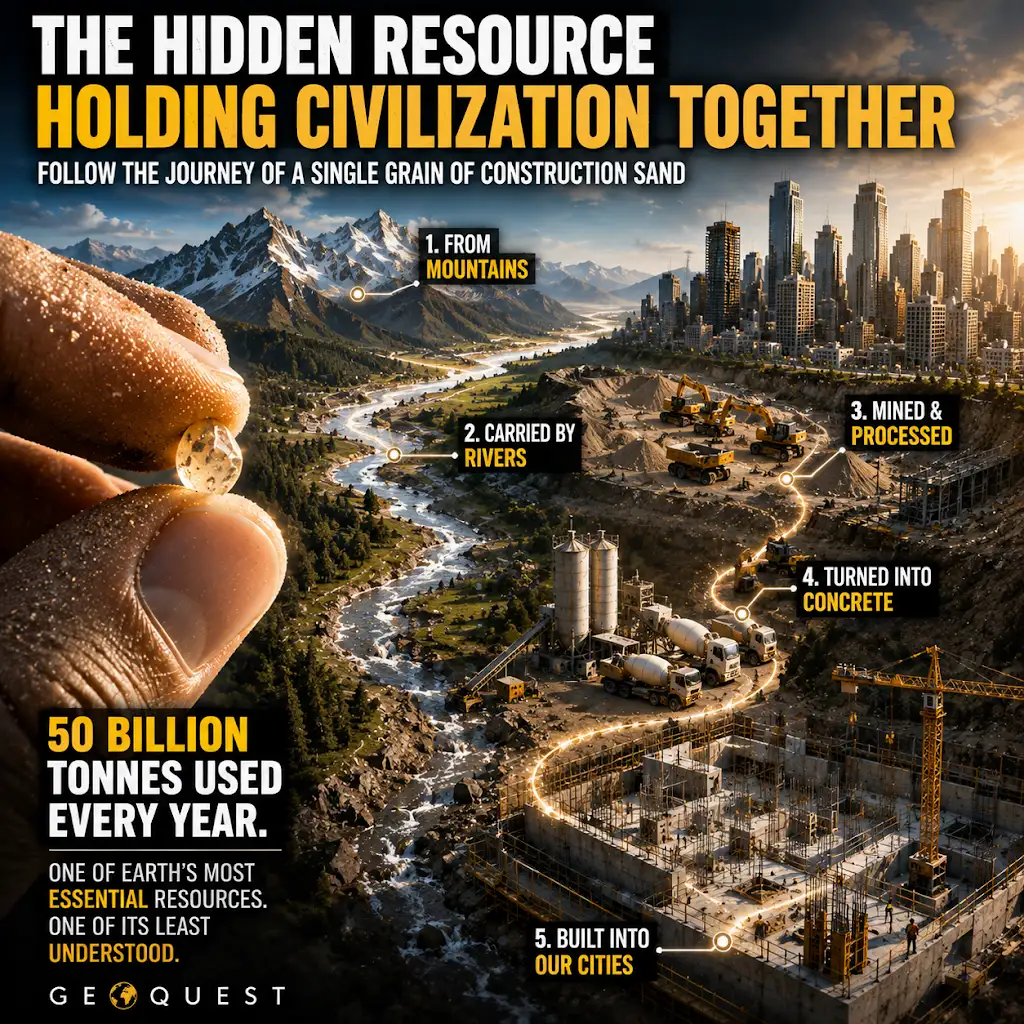
The Hidden Resource Holding Civilization Together
FAQs
What is a watershed documentary?
A watershed documentary is a film that focuses on the importance and impact of watersheds, which are areas of land that drain into a common body of water, such as a river, lake, or ocean. These documentaries often explore the ecological, social, and economic significance of watersheds and the need for their conservation and protection.
What are some common themes in watershed documentaries?
Common themes in watershed documentaries include the interconnectedness of ecosystems within a watershed, the effects of human activities on water quality and quantity, the importance of biodiversity and habitat preservation, and the role of communities in watershed stewardship. These documentaries often highlight the challenges and opportunities associated with managing and protecting watersheds.
How are watershed documentaries used for education and advocacy?
Watershed documentaries are used as educational tools to raise awareness about the importance of watersheds and the need for sustainable water management practices. They are also used for advocacy purposes to mobilize support for policies and initiatives that promote watershed conservation, restoration, and sustainable use. These documentaries can inspire action and engagement at the local, regional, and global levels.
What are some examples of watershed documentaries?
Examples of watershed documentaries include “RiverBlue,” which explores the environmental and social impacts of the fashion industry on rivers and watersheds, “Blue Heart,” which focuses on the threats facing the last wild rivers of Europe, and “A River’s Last Chance,” which follows the efforts to restore a watershed and protect endangered salmon populations. These documentaries offer diverse perspectives on watershed issues and solutions.
How can I watch a watershed documentary?
Watershed documentaries are often available for streaming on platforms such as Netflix, Amazon Prime, and Hulu. They may also be screened at film festivals, environmental events, and community gatherings. Additionally, many watershed organizations and environmental groups host screenings and discussions of watershed documentaries as part of their outreach and education efforts.