
Water-stable agriculture, often referred to as smart agriculture in the context of water management, represents a paradigm shift in how humanity cultivates food. It is not merely an environmental consideration but a strategic economic investment, essential for securing food production, fostering rural economies, and building resilience against the increasingly unpredictable impacts of climate change. This approach prioritizes the efficient, equitable, and sustainable use of water resources throughout the entire agricultural value chain, from the source to the plate. It is a long-term strategy that, like a sturdy dam holding back a flood, protects against future scarcity and economic instability, ensuring the continued vitality of our food systems.
Water-stable agriculture is built upon a foundation of integrated strategies, rather than isolated solutions. It acknowledges the interconnectedness of water availability, soil health, crop physiology, energy consumption, and socio-economic factors. The goal is to create a system that can not only withstand periods of drought or excessive rainfall but also operate efficiently and profitably under normal conditions. It’s about cultivating not just crops, but a sustainable future.
Enhancing Water Use Efficiency
At its core, water-stable agriculture is about optimizing every drop. This means employing techniques that minimize water loss and maximize its uptake by crops. The focus shifts from a volumetric approach, where simply irrigating more is seen as the answer, to a qualitative one, where the right amount of water is delivered at the right time and in the right way.
Precision Irrigation Technologies
The advent of precision irrigation has revolutionized water management in agriculture. These technologies move beyond the broad-stroke application of water, employing data and sensors to deliver water precisely where and when it is needed. Think of it as a surgeon performing a delicate operation versus a broad brush painting a wall – the precision leads to better outcomes and less waste.
- Drip Irrigation: This method delivers water directly to the root zone of plants through a network of tubes and emitters. This significantly reduces water loss through evaporation and runoff, common issues with traditional sprinkler systems.
- Micro-sprinklers: While offering wider coverage than drip irrigation, micro-sprinklers are designed to release water in fine droplets, minimizing evaporation and wind drift compared to larger sprinkler heads.
- Smart Sensors: Soil moisture sensors, weather stations, and plant physiological sensors provide real-time data that informs irrigation scheduling. These sensors act as the eyes and ears of the farmer, communicating the precise needs of the crop.
- Automated Systems and Data Analytics: Integrating sensor data with automated irrigation controllers and sophisticated analytics allows for dynamic adjustments to watering schedules based on changing environmental conditions and crop growth stages. This elevates irrigation from a reactive chore to a proactive, data-driven process.
Water Harvesting and Storage Techniques
Capturing and storing rainwater, where feasible, is a crucial element of water-stable agriculture. This diversifies water sources and reduces reliance on often dwindling groundwater or surface water supplies, especially during dry seasons.
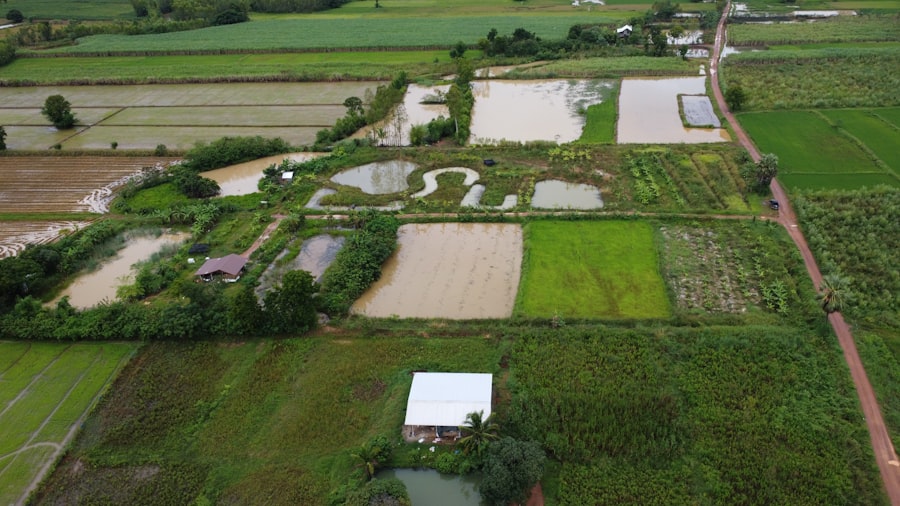
- Farm Ponds and Reservoirs: Constructing on-farm ponds and small reservoirs allows for the collection and storage of excess rainfall during wet periods, providing a readily available water source for irrigation during dry spells.
- Rainwater Harvesting from Structures: Collecting rainwater from rooftops of farm buildings and other structures can supplement irrigation needs, particularly for smaller-scale operations or high-value crops.
- Contour Farming and Terracing: These landscape management techniques, particularly effective on sloping land, intercept rainwater runoff, allowing it to infiltrate the soil rather than being lost to erosion. This not only conserves water but also protects precious topsoil.
Enhancing Soil Health for Water Retention
Healthy soils act as natural sponges, capable of absorbing and retaining more water, which is fundamental to water-stable agriculture. This organic matter-rich soil structure is the bedrock upon which efficient water use is built.
Conservation Tillage Practices
Minimizing soil disturbance has a profound impact on its ability to absorb and hold water. This reduces the need for excessive irrigation and improves crop resilience to drought.
- No-Till Farming: This practice involves planting crops directly into the residue of the previous crop without disturbing the soil. This leaves crop residue on the surface, which acts as a protective mulch, reducing evaporation and increasing water infiltration.
- Reduced Tillage (Minimum Tillage): While not as extreme as no-till, this approach also aims to limit soil disturbance through practices like plowing or disking only when absolutely necessary.
- Cover Cropping: Planting non-cash crops between main crop cycles helps to improve soil structure, add organic matter, and prevent soil erosion. This is akin to giving the soil a healthy meal, making it more robust and better able to retain nutrients and water.
Improving Soil Organic Matter
Increasing the organic matter content of agricultural soils is a cornerstone of water-stable agriculture. Organic matter acts like a super-absorbent polymer, dramatically improving soil’s water-holding capacity.
- Composting and Manure Application: Incorporating composted organic materials and animal manures into the soil enriches its structure and increases its ability to absorb and retain moisture.
- Green Manures: Planting specific crops to be tilled back into the soil before they mature adds valuable organic matter and nutrients.
- Crop Residue Management: Leaving crop residues on the field rather than removing them after harvest contributes to soil organic matter buildup over time.
Selecting Drought-Tolerant and Water-Efficient Crops
The choice of crop variety is a critical factor in water-stable agriculture. Prioritizing crops that naturally require less water or possess greater resilience to drought conditions reduces the overall demand on water resources.
Research and Development in Crop Breeding
Continuous research and development are essential to identify and cultivate crop varieties that are genetically predisposed to water efficiency or drought tolerance.
- Genomic Selection and Marker-Assisted Breeding: These advanced techniques allow breeders to identify specific genes associated with drought tolerance and water use efficiency, accelerating the development of improved crop varieties.
- Phenotypic Screening: Observing and evaluating crops under controlled water-deficit conditions helps to identify those with superior performance in dry climates.
Diversification of Crop Systems
Moving away from monocultures and embracing diverse cropping systems can enhance water stability. Different crops have varying water needs and root structures, allowing for more efficient water utilization across the landscape.
- Intercropping: Growing two or more crops simultaneously in the same field can lead to more efficient use of resources, including water, as different crops may have complementary water requirements.
- Crop Rotation: Rotating different crop types over successive seasons can improve soil health, break pest and disease cycles, and allow for a more balanced use of soil moisture.
Investing in water-stable agriculture is becoming increasingly crucial as climate change impacts water availability and agricultural productivity. A related article that delves into innovative strategies and technologies for sustainable water management in farming can be found at MyGeoQuest. This resource explores various methods to enhance water efficiency and promote resilient agricultural practices, making it a valuable read for anyone interested in the future of sustainable farming.
Economic Benefits and Return on Investment
Investing in water-stable agriculture is not just an environmental imperative; it is a sound economic strategy that offers tangible returns. By reducing reliance on costly irrigation, minimizing crop losses due to water stress, and enhancing yields in a sustainable manner, these practices contribute directly to the profitability and long-term viability of agricultural enterprises.
Reduced Operational Costs
The most immediate economic benefit of water-stable agriculture is often a reduction in operational costs, particularly those associated with water and energy for irrigation. Like finding fuel-efficient vehicles for a logistics company, this translates to direct savings.
Lower Water Pumping Expenses
Efficient irrigation systems require less water, which in turn means less energy (electricity or fuel) is needed to pump that water from its source to the fields. This can translate into significant savings on utility bills.
Decreased Fertilizer and Pesticide Use
Healthy soils, a product of water-stable practices, often require less synthetic fertilizer. Furthermore, well-watered and healthy plants are generally more resistant to pests and diseases, potentially reducing the need for costly chemical treatments.
Enhanced Crop Yields and Quality
While the primary focus is on efficiency, water-stable agriculture also leads to more consistent and often higher yields. Plants that are not subjected to the stress of drought or waterlogging are healthier, produce better quality produce, and are less prone to complete crop failure.
Mitigation of Climate Change Impacts
As climate change intensifies, leading to more extreme weather events like prolonged droughts and unpredictable rainfall patterns, water-stable agricultural practices become invaluable. They act as an insurance policy against these volatile conditions, protecting livelihoods and food security.
Increased Market Competitiveness
Producers who adopt water-stable practices can often command premium prices for their produce, as consumers and the market increasingly value sustainably grown food. This also opens doors to new markets and export opportunities that prioritize environmental stewardship.
Long-Term Farm Resilience and Sustainability
Water-stable agriculture builds resilience into the farming system, making it better equipped to adapt to future challenges. This long-term perspective is crucial for ensuring food security and maintaining agricultural livelihoods for generations to come.
Securing Future Water Availability
By championing water conservation and efficient use now, water-stable agriculture plays a vital role in ensuring that sufficient water resources are available for agriculture in the future, preventing potential conflicts over water allocation.
Maintaining Soil Fertility for Future Generations
Practices that build soil health and organic matter not only benefit current crops but also ensure that the land remains fertile and productive for future generations, a critical aspect of intergenerational equity.
Policy and Infrastructure Support for Water-Stable Agriculture
The successful widespread adoption of water-stable agriculture necessitates a supportive policy environment and robust infrastructure. Governments, research institutions, and international organizations play a crucial role in facilitating this transition.
Government Incentives and Subsidies
Financial incentives can significantly encourage farmers to adopt water-saving technologies and practices. These programs act as a catalyst, making the transition more economically feasible.
Grants and Low-Interest Loans for Technology Adoption
Providing financial assistance for the purchase of precision irrigation equipment, soil testing kits, and other water-efficient technologies can reduce the upfront cost barrier for farmers.
Tax Credits for Sustainable Practices
Offering tax benefits for farmers who implement water conservation measures, such as cover cropping or no-till farming, can further incentivize the adoption of these practices.
Investment in Agricultural Research and Extension Services
Continuous innovation and knowledge dissemination are vital. Investing in research and extension services ensures that farmers have access to the latest information and best practices.
Funding for Drought-Resistant Crop Development
Prioritizing research funding for the development of new crop varieties that are better suited to arid and semi-arid conditions is essential.
Strengthening Extension Services for Farmer Training
Well-funded and knowledgeable extension services are critical for educating farmers on the benefits and practical application of water-stable agricultural techniques. This bridges the gap between theoretical knowledge and on-the-ground implementation.
Water Management Policies and Regulations
Effective water management policies are the bedrock of water-stable agricultural systems. These policies should promote responsible water use and equitable distribution.
Water Pricing and Allocation Frameworks
Implementing water pricing mechanisms that reflect the true value of water and establishing fair allocation frameworks can encourage conservation and prevent over-extraction.
Regulations on Water Pollution and Abstraction
Stricter regulations on agricultural runoff that pollutes water bodies and limits on groundwater and surface water abstraction can safeguard water resources for all users.
Challenges and Considerations in Implementation

While the benefits of water-stable agriculture are clear, its widespread implementation is not without its challenges. Overcoming these hurdles requires a multi-faceted approach that addresses economic, social, and technical barriers.
Upfront Investment Costs
The initial investment in new technologies and infrastructure can be a significant barrier for many farmers, particularly smallholders with limited capital. This is a key area where policy support is crucial.
Access to Affordable Financing
Ensuring that farmers have access to affordable loans and financial instruments can help to mitigate the upfront costs associated with adopting new technologies.
Phased Implementation and Scalability
Encouraging a phased approach to adopting water-stable practices, where farmers can integrate new techniques gradually, can make the transition more manageable. Scaling up successful pilot projects is also important.
Knowledge Gaps and Technical Expertise
Many farmers may lack the necessary knowledge or technical expertise to effectively implement some of the more advanced water-stable agricultural techniques.
Comprehensive Farmer Training Programs
Developing and delivering robust training programs that cover a range of water-stable practices, from irrigation management to soil health improvement, is essential.
Peer-to-Peer Learning and Demonstration Farms
Facilitating opportunities for farmers to learn from each other and from successful demonstration farms can accelerate the adoption of best practices.
Social and Cultural Factors
Changing deeply ingrained agricultural practices and perceptions can be a slow process, influenced by social norms and traditional farming methods.
Community Engagement and Stakeholder Involvement
Engaging local communities and all stakeholders in the planning and implementation process can foster ownership and support for water-stable agricultural initiatives.
Addressing Generational Knowledge Transfer
Ensuring that traditional knowledge about water management is integrated with modern scientific approaches is key to developing effective and culturally appropriate solutions.
Investing in water-stable agriculture is becoming increasingly important as climate change continues to impact traditional farming practices. A recent article highlights innovative techniques that can enhance water efficiency and crop resilience, making it essential reading for those interested in sustainable farming solutions. For more insights on this topic, you can check out the article here: innovative techniques that are shaping the future of agriculture.
The Future Outlook: A Water-Secure Agricultural Landscape
| Metric | Description | Value/Range | Unit | Source/Notes |
|---|---|---|---|---|
| Water Use Efficiency | Amount of crop yield per unit of water used | 1.5 – 3.0 | kg/m³ | Varies by crop and irrigation method |
| Investment Cost | Initial cost for water-saving irrigation systems | 500 – 2000 | per hectare | Includes drip irrigation, sensors, and infrastructure |
| Water Savings | Reduction in water use compared to traditional methods | 30% – 60% | Percentage | Depends on technology and crop type |
| Return on Investment (ROI) | Annual financial return relative to investment cost | 10% – 25% | Percentage | Based on increased yield and water savings |
| Crop Yield Increase | Improvement in crop production due to water stability | 15% – 40% | Percentage | Varies by crop and region |
| Water Source Reliability | Consistency of water availability for irrigation | 80% – 95% | Percentage | Critical for stable agriculture investment |
| Carbon Footprint Reduction | Decrease in greenhouse gas emissions from water use | 10% – 30% | Percentage | Through efficient water management and energy use |
The trajectory of global population growth and the escalating impacts of climate change underscore the urgency and importance of water-stable agriculture. It is not a niche concern but a fundamental requirement for global food security and economic stability. The transition to water-stable agricultural systems is a journey, not a destination, and one that requires sustained effort and commitment from all stakeholders.
Technological Advancements and Innovation
The relentless pace of technological innovation will continue to drive progress in water-stable agriculture. New sensors, data analytics platforms, and biotechnologies will unlock further efficiencies and enable more sophisticated water management.
Role of Artificial Intelligence and Machine Learning
AI and ML are poised to play an increasingly significant role in optimizing irrigation schedules, predicting crop water needs, and identifying potential water-related risks.
Development of Water-Efficient Biotechnology
Advances in genetic engineering and biotechnology will continue to yield crop varieties that are even more resilient to drought and require less water.
Policy Evolution and International Cooperation
Effective water management requires strong policy frameworks and international collaboration. As water scarcity becomes a more pressing global issue, cooperation will be paramount.
Harmonization of Water Policies Globally
Developing globally harmonized policies for water management can facilitate trade in agricultural products and promote best practices across borders.
Investment in Transboundary Water Management Initiatives
For regions reliant on shared water resources, investing in transboundary water management initiatives is crucial for preventing conflict and ensuring equitable access.
Shifting Consumer Demand and Market Trends
Consumers are increasingly aware of the environmental impact of their food choices. This growing demand for sustainably produced goods will continue to drive the adoption of water-stable agricultural practices.
Rise of Certifications for Water-Efficient Products
The development and recognition of certifications that denote water-efficient agricultural practices can empower consumers to make informed choices and reward producers who prioritize sustainability.
Supply Chain Transparency and Traceability
Increased demand for transparency in food supply chains will necessitate that producers can demonstrate their commitment to water conservation, further incentivizing water-stable agriculture.
In conclusion, water-stable agriculture is more than just a set of practices; it is a strategic investment in our collective future. It is about building resilience, optimizing resources, and ensuring that the foundation of our food system remains strong and secure, even in the face of an uncertain climate. The dividends of this investment are not just economic, but also social and environmental, promising a more sustainable and prosperous world for all.
WATCH NOW ▶️ SHOCKING: The $12 Trillion Lie Starving The World
FAQs
What is water stable agriculture?
Water stable agriculture refers to farming practices designed to maintain soil structure and moisture retention, reducing erosion and water loss. It emphasizes sustainable water management to ensure long-term agricultural productivity.
Why is investing in water stable agriculture important?
Investing in water stable agriculture is crucial for enhancing food security, conserving water resources, and adapting to climate change. It helps maintain soil health, improves crop yields, and reduces vulnerability to droughts and floods.
What are common techniques used in water stable agriculture?
Common techniques include conservation tillage, cover cropping, contour farming, agroforestry, and efficient irrigation systems. These methods help preserve soil moisture, prevent erosion, and optimize water use.
How does water stable agriculture benefit the environment?
Water stable agriculture reduces soil erosion, improves water infiltration, enhances biodiversity, and lowers greenhouse gas emissions. It promotes healthier ecosystems and contributes to sustainable land management.
What are the economic advantages of investing in water stable agriculture?
Economic benefits include increased crop productivity, reduced input costs, and greater resilience to climate variability. Long-term investments can lead to higher profitability and stability for farmers and agricultural businesses.