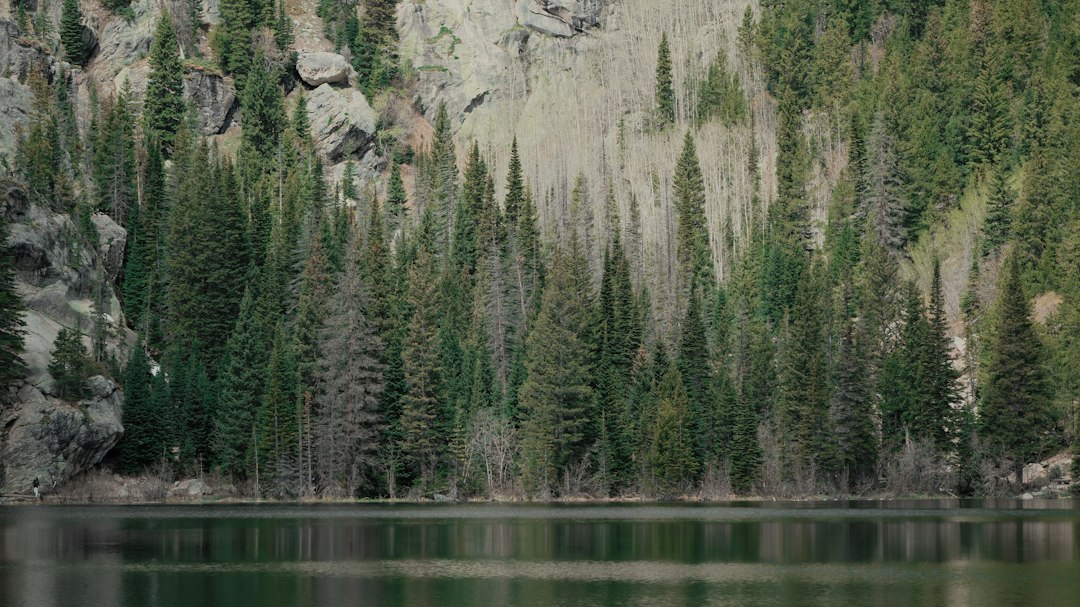
The shimmering surface of a lake, once a vibrant mirror reflecting the azure sky and the emerald embrace of surrounding flora, can become a haunting testament to a world in flux. In an age where ecological shifts are no longer whispers but roars, the documentary “Vanishing Lakes: A Captivating Documentary” emerges as a profound and urgent exploration of these disappearing aquatic ecosystems. This cinematic journey, meticulously crafted and powerfully rendered, invites viewers to confront a stark reality: the slow, often unnoticed, evaporation of vital water bodies that have sustained life for millennia. The film doesn’t merely present data; it weaves a narrative tapestry, imbuing the scientific with the emotional, and the global with the intimately local. It is a testament to the delicate balance of nature and a stark warning of the consequences when that balance is irrevocably tipped.
“Vanishing Lakes” opens with a series of breathtaking, yet unsettling, aerial shots. Vast expanses of water, previously iconic landmarks, are now reduced to skeletal remains of their former selves. Mudflats stretch where clear depths once lay, and the hushed silence of absence replaces the gentle lapping of waves. The documentary immediately establishes the gravity of the situation, not through alarmist pronouncements, but through irrefutable visual evidence and the poignant testimonies of those who have witnessed these changes firsthand.
Echoes of a Lost Past: Personal Narratives of Decline
The film excels in its humanistic approach. It introduces viewers to communities whose very existence is intrinsically linked to the lakes they now see receding. Elders recount tales of abundant fishing grounds, of children swimming in waters now too shallow to support them, and of agricultural practices that relied on the consistent replenishment of these vital resources. These personal narratives are not mere anecdotes; they are the human face of a global environmental crisis, grounding the abstract concept of climate change in the tangible realities of lived experience. The sorrow and resignation in their voices, coupled with their unwavering connection to the land, serve as a powerful emotional anchor for the film’s broader message.
One particularly affecting segment focuses on a family in Central Asia whose ancestral lands are now parched earth where a once-great lake once thrived. Their stories highlight the intergenerational impact of ecological loss, the erosion of cultural identity, and the desperate search for alternative livelihoods. The camera lingers on their weathered faces, capturing the silent weight of their loss and the quiet resilience that underpins their continued existence. These individuals are not just victims; they are witnesses, their lives a living testament to the profound ecological shifts that are reshaping our planet.
The Science Behind the Sorrow: Deconstructing the Causes
While the emotional impact is undeniable, “Vanishing Lakes” doesn’t shy away from the scientific underpinnings of this crisis. Expert interviews, conducted with leading climatologists, hydrologists, and environmental scientists, provide a clear and accessible explanation of the complex factors contributing to the disappearance of these lakes. The film expertly navigates the intricate web of causes, from escalating global temperatures and altered precipitation patterns to unsustainable agricultural practices and industrial pollution.
Warming Waters, Thirsty Climates: The Role of Global Warming
The documentary meticulously details how rising global temperatures are a primary driver of lake desiccation. Increased evaporation rates, particularly in arid and semi-arid regions, are directly linked to higher ambient temperatures. The film illustrates this through compelling graphics and visualizations, showing how warmer air can hold more moisture, thus drawing it out of water bodies at an accelerated pace. The impact on glacial meltwater, a crucial source for many lakes, is also highlighted, demonstrating how shrinking glaciers further exacerbate water scarcity.
The filmmakers don’t present this as a distant threat but as a present-day reality. They showcase regions where the direct correlation between rising temperatures and receding shorelines is undeniable. The visual evidence of shrinking ice caps and glaciers, coupled with the scientific explanation of their contribution to lake levels, paints a stark picture of a feedback loop where warming leads to water loss, which in turn can further impact local climates.
Shifting Seasons, Scarce Rainfall: Altered Precipitation Patterns
Beyond increased evaporation, “Vanishing Lakes” delves into the critical role of altered precipitation patterns. The film explains how climate change is disrupting historical rainfall cycles, leading to prolonged droughts in some regions and more intense, but less frequent, rainfall in others. This erratic nature of precipitation means that the natural replenishment of lakes is often insufficient to compensate for the increased water loss.
The documentary features segments illustrating the impact of these shifts on different continents. In Africa, the shrinking of once-vital seasonal lakes is shown to have devastating consequences for both human populations and wildlife. In North America, the impact on the Great Lakes, while less dramatic in immediate terms, is also explored, with projections suggesting significant water level drops if current trends continue. The scientific explanations are delivered in a way that is accessible to the general audience, avoiding jargon and focusing on the core principles of hydrological impact.
Human Footprints: Unsustainable Practices and Pollution
The film also confronts the human element directly, examining how unsustainable practices, both agricultural and industrial, contribute significantly to the depletion of lake resources. Over-extraction of water for irrigation, particularly in regions where water is already scarce, is identified as a major culprit. The documentary presents case studies of agricultural regions where the demand for water has outstripped the natural supply, leading to the dramatic decline of nearby lakes.
Furthermore, the documentary addresses the insidious impact of pollution. Industrial runoff, agricultural fertilizers, and untreated sewage contaminate lake waters, reducing their usability and accelerating their degradation. The film visually represents the toxic effects of pollution, showing algal blooms and dead zones that render once-vibrant ecosystems lifeless. The intersection of water scarcity and pollution creates a double jeopardy for these vital water bodies, pushing them closer to irreversible collapse.
The documentary on disappearing lakes sheds light on the alarming environmental changes affecting our planet’s freshwater resources. For those interested in exploring this topic further, a related article can be found at My Geo Quest, which delves into the causes and consequences of lake depletion, as well as potential solutions to mitigate this pressing issue.
A Global Phenomenon: The Far-Reaching Consequences
The true power of “Vanishing Lakes” lies in its ability to demonstrate that this is not an isolated problem but a global phenomenon with far-reaching consequences. The film travels across continents, showcasing the diverse manifestations of this crisis and the interconnectedness of our planet’s water systems. The disappearance of lakes has ripple effects that extend beyond the immediate geographical vicinity, impacting biodiversity, food security, and human migration patterns.
Biodiversity Under Threat: The Loss of Aquatic Life
The documentary meticulously illustrates the devastating impact of lake desiccation on biodiversity. As water levels drop and water quality deteriorates, the delicate ecosystems that have evolved within these aquatic environments are pushed to the brink. Fish populations decline, aquatic plants wither, and the myriad of species that depend on these habitats for survival face extinction.
The film features poignant footage of wildlife struggling in dwindling water sources. Scenes of birds flocking to the last remaining puddles, or of animals weakened by lack of access to clean water, are deeply moving. Scientists explain how the loss of specific aquatic species can have cascading effects throughout the food web, disrupting ecological balance and impacting entire ecosystems. The vibrant colors and diverse life forms that once characterized these lakes are replaced by a mournful silence, a stark reminder of what is being lost.
The Exodus of Species: When Habitats Disappear
The documentary explores the concept of habitat loss through the lens of vanishing lakes. For many species, these lakes are not just a source of water; they are their sole habitat. As the water recedes, so too do their homes, forcing them to migrate or perish. The film highlights the plight of endemic species, those found nowhere else on Earth, whose survival is now critically endangered.
The filmmakers capture the desperation of migrating animals, showcasing their arduous journeys in search of new water sources. This visual narrative underscores the urgency of the situation and the profound ethical implications of human-induced environmental change. The displacement of wildlife also has broader ecological implications, as these species interact with and influence other ecosystems.
Food Security on the Brink: The Impact on Agriculture and Fisheries
“Vanishing Lakes” powerfully connects the disappearance of these water bodies to global food security. Many communities rely on lakes for irrigation, agriculture, and fishing. As these resources dwindle, so does the capacity to produce food, leading to increased food insecurity and potential famine.
The film presents interviews with farmers who can no longer irrigate their crops, forcing them to abandon their ancestral lands. Fishermen recount the drastic decline in their catches, impacting their livelihoods and the availability of a crucial protein source. The economic implications are equally profound, with entire industries collapsing as their lifeblood dries up. The documentary underscores that this is not just an environmental issue but a fundamental challenge to human survival and well-being.
The Parched Fields: Agricultural Devastation
The segments focusing on agricultural impacts are particularly stark. Viewers witness the transformation of once-fertile fields into dust bowls, a direct consequence of water scarcity. The film explores the economic and social ramifications of this devastation, including increased poverty, rural-to-urban migration, and social unrest. The interconnectedness of water resources and food production is laid bare, highlighting the vulnerability of our global food systems to environmental change.
Empty Nets, Empty Tables: The Collapse of Fisheries
The collapse of fishing industries is another critical theme. The documentary showcases the economic and cultural significance of these fisheries, and the devastating impact of their decline. The loss of a sustainable food source also has broader nutritional implications for communities that rely heavily on fish. The visual contrast between vibrant fishing communities of the past and the struggling, depleted ones of the present is a powerful indictment of environmental mismanagement.
The documentary on disappearing lakes sheds light on the alarming trend of water bodies vanishing due to climate change and human activity. For those interested in exploring this topic further, a related article provides in-depth analysis and insights into the causes and consequences of this phenomenon. You can read more about it in this informative piece, which highlights the impact on local ecosystems and communities. Check out the article here: related article.
Human Displacement and Conflict: The Social Fallout
Perhaps the most chilling consequence explored in “Vanishing Lakes” is the potential for human displacement and conflict. As water resources become scarce, competition for these vital resources intensifies, leading to increased tensions and potential conflicts between communities and nations. The film highlights instances where water scarcity has already fueled unrest and displacement.
The documentary interviews experts who discuss the geopolitical implications of dwindling water resources. They warn of the potential for mass migrations as people are forced to leave their homes in search of water and sustenance. This creates a complex humanitarian crisis with implications for global stability and security. The film posits that failing to address the vanishing lakes crisis will inevitably lead to further social fragmentation and conflict.
The Dry Path to Migration: Forced Displacement
The film vividly depicts the arduous journeys undertaken by people forced to leave their homes due to water scarcity. These are not just economic migrants; they are climate refugees, their displacement driven by the fundamental need for survival. The human cost of this forced migration is immense, with families torn apart and communities shattered. The documentary humanizes this crisis, reminding viewers that behind the statistics are real people facing unimaginable hardship.
The Thirst for Resources: Seeds of Conflict
The documentary doesn’t shy away from the potential for conflict arising from water scarcity. Experts discuss how competition for dwindling water resources can exacerbate existing tensions and create new conflicts. The film offers examples of regions where water disputes have already emerged, highlighting the chilling possibility of widespread water wars in the future. This adds another layer of urgency to the need for proactive solutions and international cooperation.
A Glimmer of Hope: Solutions and Resilience

Despite the bleak realities presented, “Vanishing Lakes” is not solely a tale of despair. The documentary dedicates a significant portion to exploring innovative solutions and the remarkable resilience of both nature and humanity. It offers a beacon of hope, demonstrating that with collective action, scientific ingenuity, and a shift in our relationship with the environment, it is possible to mitigate the damage and foster recovery.
Innovative Conservation: Strategies for Water Preservation
The film showcases a range of innovative conservation strategies being implemented around the world. From advanced water management techniques and efficient irrigation systems to the restoration of wetlands and the promotion of water-wise agriculture, these initiatives offer tangible pathways towards preserving and revitalizing threatened lake ecosystems.
One particularly inspiring segment highlights a community that has successfully implemented rainwater harvesting techniques, transforming their reliance on a dwindling lake to a more sustainable water model. The ingenuity and dedication of these individuals serve as a powerful example of what can be achieved when communities are empowered to take action. The documentary emphasizes that solutions are not just top-down; they often emerge from the ground up.
Water-Wise Agriculture: Rethinking Our Fields
The documentary delves into the transformative potential of water-wise agricultural practices. It showcases examples of drought-resistant crops, precision irrigation, and other techniques that significantly reduce water consumption in agriculture. These innovations are presented not as sacrifices but as smart, sustainable approaches that can ensure food security while protecting precious water resources.
Wetland Restoration: Nature’s Sponge
The film explores the vital role of wetlands in water management and ecosystem health. It highlights successful wetland restoration projects that have helped to replenish groundwater, filter pollutants, and provide crucial habitats for biodiversity. These natural systems, often overlooked, are presented as powerful allies in the fight to preserve water resources.
The Power of Collective Action: Community and Global Efforts
“Vanishing Lakes” powerfully underscores the importance of collective action, both at the community and global levels. It features stories of communities coming together to protect their local water resources, sharing knowledge, and implementing sustainable practices. The film also emphasizes the need for international cooperation and policy changes to address this transboundary issue.
The documentary highlights organizations and initiatives that are working tirelessly to conserve lakes and promote sustainable water management. These efforts, often unsung heroes, demonstrate the possibility of positive change through dedicated advocacy and collaborative action. The film suggests that by working together, we can create a ripple effect of change that extends far beyond individual efforts.
Local Heroes, Global Impact: Grassroots Movements
The film celebrates the passion and dedication of individuals and communities on the front lines of conservation. These “local heroes” are not waiting for governments or international bodies to act; they are taking matters into their own hands, implementing innovative solutions and inspiring others to join their cause. Their stories are a testament to the power of grassroots movements.
Policy and Governance: The Need for Strategic Interventions
Beyond individual and community efforts, “Vanishing Lakes” stresses the critical role of effective policy and governance in addressing the vanishing lakes crisis. The documentary calls for stronger environmental regulations, sustainable water resource management plans, and increased investment in conservation initiatives. It highlights the need for a paradigm shift in how we value and manage our water resources.
A Call to Action: Embracing Our Responsibility
The documentary concludes with a powerful call to action, urging viewers to recognize their role in addressing the vanishing lakes crisis. It emphasizes that individual choices, from water conservation at home to supporting sustainable businesses, can collectively contribute to a larger movement for change. The film leaves the audience with a sense of agency, empowering them to become part of the solution.
Conscious Consumption: Individual Choices, Collective Power
The film encourages viewers to adopt more conscious consumption habits, particularly concerning water usage. Simple actions, like fixing leaks, using water-efficient appliances, and reducing meat consumption, can have a significant collective impact. The message is clear: every drop counts, and individual actions, when multiplied, can create monumental change.
Advocacy and Awareness: Becoming Agents of Change
“Vanishing Lakes” implores viewers to become advocates for water conservation and environmental protection. By raising awareness within their communities, supporting relevant organizations, and demanding action from policymakers, individuals can become powerful agents of change. The film aims to inspire a generation of environmental stewards who will champion the cause of our vanishing lakes.
The Enduring Legacy: A Timely Reflection on a Vanishing World

“Vanishing Lakes: A Captivating Documentary” is more than just a film; it is an essential document of our time, a testament to the fragility of our planet’s most precious resources, and a powerful call to stewardship. Its captivating narrative, compelling visuals, and insightful expert analyses combine to create an experience that is both deeply moving and profoundly educational. The film masterfully balances the urgency of the crisis with the possibility of solutions, leaving viewers with a renewed sense of responsibility and a profound appreciation for the interconnectedness of all life. It is a film that lingers long after the credits roll, prompting introspection and inspiring action. The vanishing lakes are not just disappearing bodies of water; they are reflections of our own impact on the planet, and their fate is inextricably linked to our own. The documentary serves as a crucial reminder that the time to act is now, before these vital ecosystems, and the myriad of life they sustain, are lost to us forever.
The Hidden Water System That Made Iran Possible
FAQs
What is the documentary about?
The documentary focuses on the phenomenon of disappearing lakes around the world and the environmental impact of their loss.
Why are lakes disappearing?
Lakes are disappearing due to a combination of factors such as climate change, human activities like over-extraction of water, and pollution.
Which regions are most affected by disappearing lakes?
Regions like Central Asia, Africa, and parts of North America are particularly affected by the disappearance of lakes due to various environmental and human-induced factors.
What are the consequences of disappearing lakes?
The consequences of disappearing lakes include loss of biodiversity, disruption of ecosystems, water scarcity for local communities, and potential conflicts over water resources.
What can be done to address the issue of disappearing lakes?
Efforts to address the issue of disappearing lakes include sustainable water management practices, conservation efforts, and raising awareness about the importance of preserving these natural water bodies.