
The Dead Sea, a body of water renowned for its hypersalinity and therapeutic mud, is facing a profound existential crisis: its shrinking coastline. This iconic natural wonder, straddling the border between Israel, Jordan, and Palestine, is receding at an alarming rate, leaving behind a stark, salt-encrusted landscape. The visible retreat of its shores is more than just a visual spectacle; it represents a complex ecological unraveling with far-reaching consequences for the environment and the communities that depend on it.
The Dead Sea’s dramatic decline is not a recent phenomenon, but its acceleration in recent decades has raised serious alarms. The water level drops by an average of approximately one meter per year, a figure that has become a stark and consistent metric of its demise. This steady erosion of the coastline signifies a profound imbalance in the delicate hydrological system that sustains this ancient lake. The shrinking surface area not only alters the geological features of the region but also impacts the unique biodiversity that has adapted to its extreme conditions.
Historical Perspectives on the Dead Sea’s Water Level
For millennia, the Dead Sea maintained a relatively stable water level, a testament to its natural equilibrium. Ancient texts and historical records offer glimpses into its past grandeur, describing shorelines that were significantly higher than they are today. Explorers and geographers throughout history documented its immense size, painting a picture of a vast inland sea. These historical accounts serve as a poignant reminder of the dramatic transformation the Dead Sea has undergone, highlighting how drastically current trends deviate from its natural historical state. The comparison between past and present water levels underscores the urgency of the situation and the magnitude of human intervention in altering this natural wonder.
Quantifying the Decline: Statistics and Measurements
The statistics paint a grim picture of the Dead Sea’s vanishing shores. Over the past fifty years, the Dead Sea has lost approximately one-third of its surface area. Its surface elevation, once the lowest point on Earth’s dry land, continues to drop, exacerbating the issue. Scientists meticulously track these changes using satellite imagery, ground-based measurements, and hydrological surveys. These data are crucial in understanding the rate of decline, identifying contributing factors, and developing informed strategies for intervention. The quantifiable data leave little room for debate: the Dead Sea is shrinking at an unprecedented and unsustainable pace.
The alarming phenomenon of the Dead Sea coastline disappearing has garnered significant attention, highlighting the environmental challenges faced by this unique region. For a deeper understanding of the factors contributing to this issue, you can explore a related article that discusses the geological and climatic influences affecting the Dead Sea’s water levels. To read more about this pressing topic, visit this article.
Primary Drivers of the Decline: A Multifaceted Crisis
The shrinking of the Dead Sea is not attributable to a single cause but rather a confluence of human activities and environmental changes that have disrupted its natural water balance. Understanding these drivers is paramount to devising effective solutions and mitigating further damage.
Diversion of Incoming Water Sources: The Jordan River’s Fate
The most significant culprit behind the Dead Sea’s decline is the extensive diversion of its primary freshwater source: the Jordan River. For decades, both Israel and Jordan have heavily utilized the Jordan River and its tributaries for agricultural irrigation, drinking water, and industrial purposes. Dams, canals, and pumping stations have been constructed to harness this vital resource, effectively siphoning off the water that once flowed into the Dead Sea. This diversion has drastically reduced the volume of freshwater reaching the lake, creating a deficit that the natural evaporation rate cannot compensate for.
The Impact of Inter-State Water Management Agreements
The complex geopolitical landscape surrounding the Jordan River has led to a series of water-sharing agreements between Israel, Jordan, and the Palestinian territories. While these agreements aim to distribute the river’s water, the overwhelming demand for this scarce resource often prioritizes human consumption and agriculture over the ecological needs of the Dead Sea. The allocation of water, often based on historical usage and political considerations, has consistently favored upstream users, leaving the Dead Sea as the ultimate recipient of the residual flow, which is increasingly insufficient.
Agricultural Demands and Irrigation Practices
Agriculture is a major consumer of water in the region, and the extensive use of irrigation for crop cultivation, particularly in the arid climate surrounding the Dead Sea, places immense pressure on the Jordan River system. Inefficient irrigation techniques, such as flood irrigation, further exacerbate water loss through evaporation and runoff, contributing to the overall reduction of freshwater reaching the Dead Sea. The economic imperative to sustain agricultural production often outweighs environmental concerns, creating a persistent tension in water resource management.
Mineral Extraction and Industrial Activities
Beyond water diversion, industrial activities focused on the extraction of minerals from the Dead Sea itself have also contributed to its decline, albeit in a more direct manner. Companies harvest minerals like potash and bromine from the hypersaline waters, a process that involves pumping large volumes of water, processing it, and then returning some of the brine to the lake. While this does not directly reduce the inflow, it alters the lake’s composition and can impact the balance of evaporation and water levels, particularly when coupled with the reduced freshwater input.
Potash and Bromine Production
The Dead Sea is a rich source of valuable minerals, and its extraction has been a significant economic activity for decades. Companies operating evaporation ponds to harvest potash and bromine essentially create artificial lakes that contribute to the overall evaporation of water from the Dead Sea region. While the economic benefits are substantial, the environmental cost in terms of water loss and habitat alteration is increasingly being scrutinized. The visual impact of these industrial operations, with their vast, shimmering evaporation ponds, serves as a stark reminder of the human imprint on the landscape.
The Role of Evaporation Ponds
The large-scale evaporation ponds used for mineral extraction are a direct contributor to water loss. These ponds are designed to maximize evaporation, allowing the concentrated brines to crystallize and yield valuable minerals. However, this process inherently removes vast quantities of water from the hydrological cycle, further exacerbating the Dead Sea’s shrinking problem. The sheer scale of these operations means that their impact on the regional water balance is considerable, especially when viewed in conjunction with other factors.
Climate Change and Increased Evaporation Rates
While human interventions are the primary drivers, climate change is adding another layer of complexity to the Dead Sea’s predicament. Rising global temperatures are leading to increased evaporation rates in the region, meaning that even if the inflow of water were to remain constant, the lake would continue to shrink due to the increased rate of water loss to the atmosphere. This amplified evaporation acts as a multiplier for the problems caused by water diversion, accelerating the decline of the Dead Sea.
Rising Regional Temperatures
The Middle East is experiencing a disproportionate increase in temperatures compared to global averages. This warming trend directly translates to higher rates of evaporation from all water bodies, including the Dead Sea. The once-temperate climate that helped maintain a semblance of balance is now contributing to the lake’s demise, creating a feedback loop where warming leads to more evaporation, which leads to a smaller lake, which can then become even more susceptible to warming.
Altered Precipitation Patterns
Climate change also affects precipitation patterns, and while the direct impact on the Dead Sea’s inflow is complex and debated, general trends suggest a potential decrease in rainfall in some areas, further stressing water resources. Reduced rainfall in the catchment areas of the Jordan River and its tributaries would mean even less freshwater available to replenish the Dead Sea, intensifying the crisis.
Ecological Consequences: A Fragile Ecosystem Under Threat
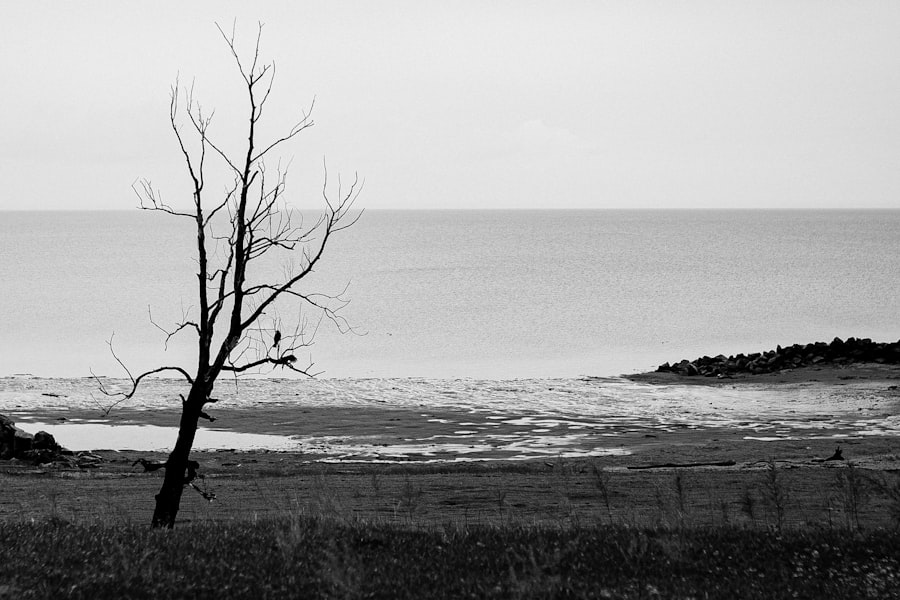
The shrinking of the Dead Sea has profound and cascading ecological consequences, threatening the unique and fragile ecosystem that has adapted to its extreme conditions. The dramatic changes in salinity, water level, and shoreline habitat are impacting both flora and fauna.
Impact on Biodiversity: From Microbes to Mammals
The hypersaline environment of the Dead Sea supports a unique suite of extremophile microorganisms, such as halophilic bacteria and archaea, which are crucial components of its food web. As the salinity increases and the water body shrinks, these organisms face immense pressure, potentially leading to population declines and shifts in microbial communities. While larger animals are less directly dependent on the hypersaline water itself, the surrounding terrestrial and aquatic environments are vital for their survival.
Halophilic Microorganisms and Their Role
The microscopic life of the Dead Sea is the foundation of its food web. Halophilic microorganisms are specially adapted to survive in the extreme salt concentrations, playing essential roles in nutrient cycling and decomposition. The changes in salinity and water volume directly impact these delicate microbial ecosystems, with unpredictable consequences for the entire Dead Sea biosphere.
Terrestrial Wildlife and Habitat Loss
The receding shores of the Dead Sea create vast salt flats, altering the landscape and impacting the habitats of terrestrial wildlife. Animals that rely on the Dead Sea for water or for the insects and plants that grow near its shores are losing vital resources. The expansion of salt crusts can also make it difficult for some species to access food and water, leading to habitat fragmentation and population stress.
Changes in Salinity and Water Chemistry
As water evaporates from the Dead Sea, the concentration of dissolved salts increases. This escalating salinity poses a significant threat to any life forms that might have previously existed in the more diluted parts of the lake or that are dependent on the surrounding ecosystem. The chemical composition of the water is also changing, with potential implications for the unique geological formations and the therapeutic properties for which the Dead Sea is known.
The Increasing Salt Concentration
The most obvious chemical change is the relentless increase in salt concentration. As freshwater inflow dwindles, the salts that are continuously carried into the lake by tributaries become more concentrated. This creates an increasingly hostile environment for any life that is not adapted to extreme salinity. The concentration of specific salts can also change, leading to further chemical stresses on the ecosystem.
Alteration of Mineral Composition
Beyond just salt concentration, the overall mineral composition of the Dead Sea is subject to change as its volume decreases. This can affect the delicate balance of the water chemistry, influencing the formation of mineral deposits, the solubility of certain elements, and potentially impacting the therapeutic qualities of the mud and water.
Formation of Sinkholes: A Dangerous Byproduct
The receding Dead Sea has created a new and dangerous environmental hazard: the proliferation of sinkholes. As the freshwater that previously supported underground cavities near the Dead Sea coastline is no longer present, the salt layers dissolve, leading to the collapse of the ground above. These sudden and unpredictable sinkholes pose a significant threat to human safety and infrastructure.
The Dissolution of Salt Layers
Beneath the surface of the Dead Sea’s shores lies a vast network of salt layers, deposited over millennia. The receding waterline means that freshwater, which was once present in underground aquifers, is no longer readily available to dissolve these salt layers. As the brine from the Dead Sea encroaches underground, it dissolves the salt, creating voids.
Consequences for Infrastructure and Tourism
The formation of sinkholes has severe implications for the infrastructure surrounding the Dead Sea, including roads, hotels, and agricultural land. The unpredictable nature of these collapses makes development risky and costly. Furthermore, the growing number of sinkholes poses a significant threat to tourism, a vital economic industry for the region, deterring visitors and impacting local businesses.
Human Impact and Economic Ramifications

The vanishing Dead Sea is not just an environmental tragedy; it carries significant economic and social ramifications for the communities that depend on its unique resources and attractions. The decline impacts livelihoods, industries, and the very identity of the region.
The Tourism Industry’s Decline
The Dead Sea has long been a major tourist destination, attracting visitors from around the globe who come to experience its unique buoyancy, therapeutic mud, and dramatic landscapes. However, the receding coastline, the appearance of sinkholes, and the degradation of beaches are making it increasingly difficult and less appealing for tourists. Access to the sea is becoming more challenging, and the overall visitor experience is being diminished.
Challenges for Beach Access and Amenities
As the water level drops, the distances to the sea from existing infrastructure increase. This creates logistical challenges for hotels and tour operators, requiring longer walks to the water’s edge. Furthermore, the increased formation of salt crusts on former beaches makes them less accessible and less aesthetically pleasing. Many traditional beach amenities are now rendered unusable or are at risk of being inundated by encroaching salt.
Loss of Income and Local Employment
The decline in tourism directly translates to a loss of income for local businesses, hotels, restaurants, and tour operators. This, in turn, leads to job losses and economic hardship for the communities that rely on the Dead Sea for their livelihoods. The ripple effect extends to artisans, souvenir sellers, and service providers who cater to the tourist influx.
Economic Losses in Mineral Extraction
While mineral extraction provides economic benefits, the shrinking of the Dead Sea also presents challenges for these industries. As the water surface area decreases, the efficiency of existing evaporation ponds can be affected, and the overall sustainability of such large-scale operations in a diminishing water body becomes questionable.
Adapting to a Smaller Water Body
The companies involved in mineral extraction face the challenge of adapting their operations to a smaller and potentially more concentrated water body. This might require significant investment in new technologies and infrastructure to maintain their production levels. The long-term viability of these industries is directly tied to the future of the Dead Sea itself.
The Cost of Environmental Degradation
The environmental degradation caused by the Dead Sea’s decline also carries economic costs. The remediation of sinkholes, the efforts to protect infrastructure, and the potential loss of unique natural assets all represent significant financial burdens that the region and its stakeholders must confront.
Impact on Regional Water Security
The diversion of water that would otherwise flow into the Dead Sea highlights the broader issue of regional water scarcity. The practices that contribute to the Dead Sea’s demise are indicative of a larger struggle for water resources in an arid region, with significant implications for the long-term water security of all its inhabitants.
Competition for Scarce Water Resources
The Dead Sea’s predicament is a symptom of intense competition for scarce water resources between different sectors and countries in the region. The prioritization of human consumption and agriculture over ecological needs creates a precarious balance that can no longer be sustained.
The Need for Sustainable Water Management
Ultimately, the vanishing Dead Sea serves as a stark warning about the unsustainable nature of current water management practices. It underscores the urgent need for integrated and sustainable approaches that consider the ecological needs of vital water bodies alongside human demands.
The alarming phenomenon of the Dead Sea coastline disappearing has raised significant environmental concerns, prompting researchers to explore its implications. A related article discusses the various factors contributing to this dramatic change and highlights the urgent need for sustainable water management practices. For more insights on this pressing issue, you can read the full article here. Understanding the challenges faced by this unique ecosystem is crucial for developing effective strategies to preserve it for future generations.
Potential Solutions and the Road Ahead
| Year | Rate of Disappearance (meters per year) | Reason |
|---|---|---|
| 1990-2000 | ~1 meter | Water diversion for agriculture and industry |
| 2000-2010 | ~1.5 meters | Continued water diversion and mineral extraction |
| 2010-2020 | ~2 meters | Increased evaporation and reduced inflow from Jordan River |
The challenges facing the Dead Sea are immense, but the international community and regional stakeholders are exploring a range of potential solutions to halt its decline and explore avenues for its restoration. These solutions, however, are often complex, costly, and fraught with geopolitical considerations.
The Red Sea-Dead Sea Water Conveyance Project
One of the most ambitious and discussed proposals is the Red Sea-Dead Sea Water Conveyance (RSDSC) project. This ambitious engineering feat would involve piping desalinated water from the Red Sea to the Dead Sea to replenish its diminishing water levels. Proponents argue it could help stabilize the Dead Sea and provide much-needed water for Jordan.
Desalination and Pumping Infrastructure
The RSDSC project would require the construction of massive desalination plants on the Red Sea coast and extensive pumping infrastructure to transport the water over a significant distance and elevation. The scale of this undertaking involves considerable financial investment and environmental impact assessments related to construction and operation.
Environmental and Economic Feasibility
The environmental implications of such a large-scale project are a major concern, including the impact of brine discharge from desalination plants on the Red Sea ecosystem and the potential ecological consequences of introducing Red Sea water into the Dead Sea. Economically, the project’s cost is substantial, and its long-term financial viability and benefits are subject to ongoing debate and analysis.
Water Management Reforms and Conservation Efforts
Beyond large-scale engineering projects, a crucial component of any solution lies in implementing significant reforms in water management and promoting conservation efforts across the region. This involves a multi-pronged approach to reduce water consumption and improve efficiency.
Improving Irrigation Efficiency
Implementing more efficient irrigation techniques in agriculture, such as drip irrigation and precision farming, can significantly reduce water usage. Educating farmers on water-saving practices and providing incentives for adoption are vital steps in this direction.
Reducing Domestic and Industrial Water Consumption
Encouraging water conservation in households and industries through public awareness campaigns, promoting water-efficient technologies, and implementing stricter regulations on water usage can contribute to overall water savings.
International Cooperation and Regional Agreements
Addressing the Dead Sea crisis effectively necessitates robust international cooperation and the renegotiation or strengthening of existing regional agreements regarding water resource management. The shared nature of the Dead Sea and its tributaries demands a unified approach.
Reconsidering Water Allocation Policies
A critical step involves reconsidering current water allocation policies to ensure that the ecological needs of the Dead Sea are given due consideration alongside human demands. This requires a shift towards a more holistic and sustainable approach to water management.
Joint Research and Monitoring Initiatives
Fostering joint research and monitoring initiatives between the riparian countries can enhance understanding of the Dead Sea’s complex ecosystem and the effectiveness of various interventions. This collaborative approach can build trust and facilitate evidence-based decision-making.
The Future of the Dead Sea: A Race Against Time
The vanishing Dead Sea is a stark reminder of the intricate interconnectedness between human activities and the environment. Its receding shores serve as a powerful symbol of the challenges posed by unsustainable resource management and the urgent need for collective action.
The Urgency of the Situation
The window of opportunity to save the Dead Sea is rapidly closing. The longer action is delayed, the more difficult and costly any remedial efforts will become. The ecological consequences are already being felt, and the potential for irreversible damage is a looming threat.
A Call for Global Awareness and Action
The plight of the Dead Sea should serve as a global wake-up call. It highlights the vulnerability of unique natural wonders in the face of human pressures and the critical importance of environmental stewardship. Raising global awareness and mobilizing international support are essential for addressing this pressing environmental crisis.
A Symbol of Hope or a Cautionary Tale?
The future of the Dead Sea hangs in the balance. It can either become a cautionary tale of environmental neglect and the devastating consequences of inaction, or, with concerted effort, innovative solutions, and unwavering political will, it can be a symbol of hope, demonstrating that even in the face of immense challenges, humanity can work together to preserve its most precious natural heritage for generations to come. The path forward requires a fundamental shift in how we value and manage our planet’s finite resources.
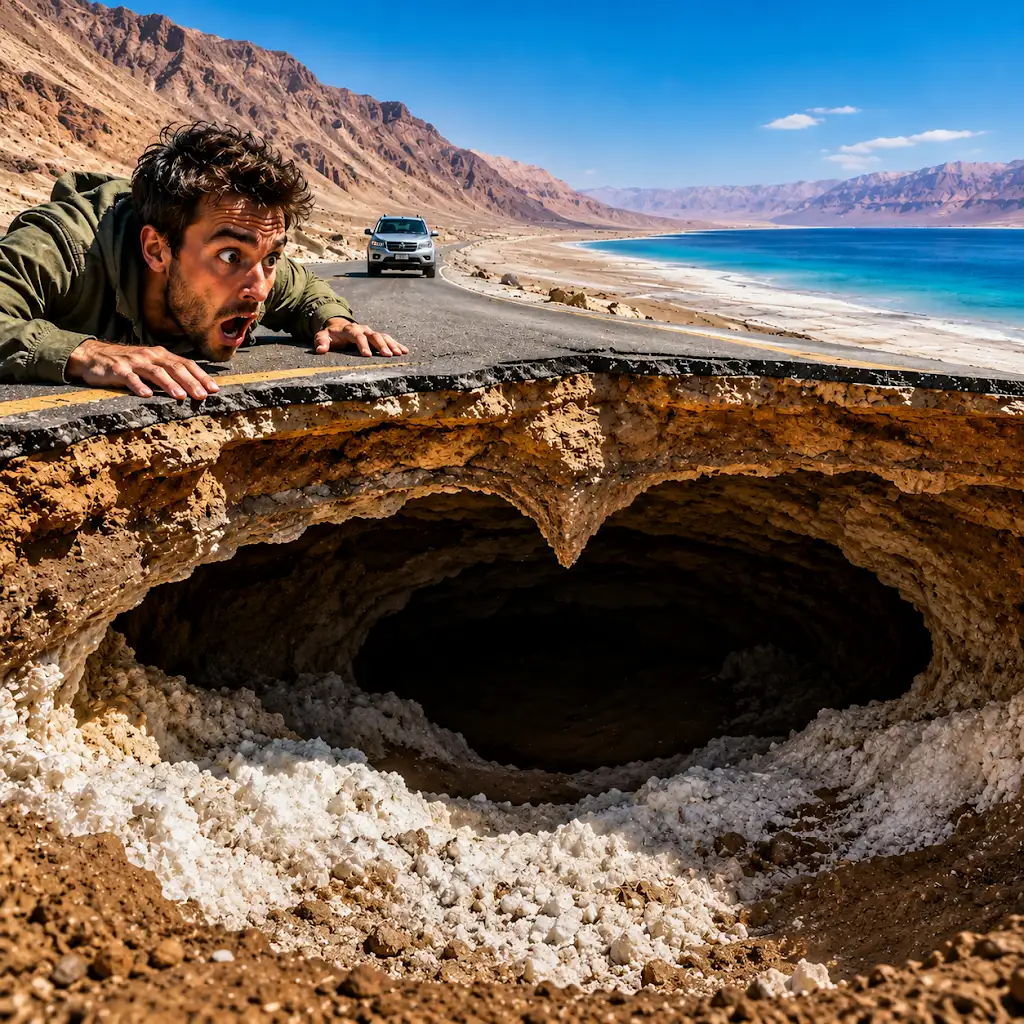
The Dead Sea Is Vanishing — And Leaving Giant Holes Behind
FAQs
What is causing the Dead Sea coastline to disappear?
The Dead Sea coastline is disappearing due to a combination of factors, including diversion of water from the Jordan River, mineral extraction, and evaporation ponds.
How much has the Dead Sea coastline receded?
The Dead Sea coastline has receded by approximately 1.2 kilometers per year, leading to a significant loss of land and environmental impact.
What are the environmental consequences of the disappearing Dead Sea coastline?
The disappearing Dead Sea coastline has led to environmental consequences such as sinkholes, loss of unique ecosystems, and damage to the surrounding landscape.
What is being done to address the issue of the disappearing Dead Sea coastline?
Efforts are being made to address the issue, including the Red Sea-Dead Sea Water Conveyance project, which aims to replenish the Dead Sea with water from the Red Sea.
What can individuals do to help protect the Dead Sea coastline?
Individuals can help protect the Dead Sea coastline by supporting conservation efforts, reducing water consumption, and advocating for sustainable water management practices in the region.