
The foundations of our built environment are often laid with a material that, upon the end of its initial life cycle, becomes a significant component of landfill. Concrete, a cornerstone of modern civilization, presents a dual challenge: the environmental impact of its production and the disposal of its demolition waste. However, a paradigm shift is underway, one where the remnants of the old are not relegated to obsolescence but are instead meticulously transformed into the building blocks of the new. This article explores the burgeoning field of utilizing Recycled Concrete Aggregate (RCA) for constructing strong, durable, and sustainable structures. RCA represents a tangible solution to several pressing environmental and resource-related issues, offering a path towards a more circular economy within the construction industry. Imagine the discarded shell of a demolished building not as a tomb of forgotten materials, but as a treasure trove of potential, waiting to be reanimated. This reanimation process, the transformation of waste into raw material, is precisely what RCA embodies.
Understanding the Genesis of Recycled Concrete Aggregate
From Demolition Debris to Valuable Resource
When a concrete structure reaches the end of its service life, whether due to age, damage, or planned obsolescence, the material is typically crushed and processed. This process, often referred to as demolition and recycling, involves more than just breaking down old concrete. It is a sophisticated operation designed to separate concrete from other construction and demolition (C&D) waste materials, such as rebar, wood, and plastics. The primary goal is to isolate the concrete itself, ensuring a cleaner and more homogenous recycled product. This initial separation is akin to a miner sifting through ore to extract the precious metals, focusing on the valuable component while discarding the impurities.
The Mechanical Transformation: Crushing and Screening
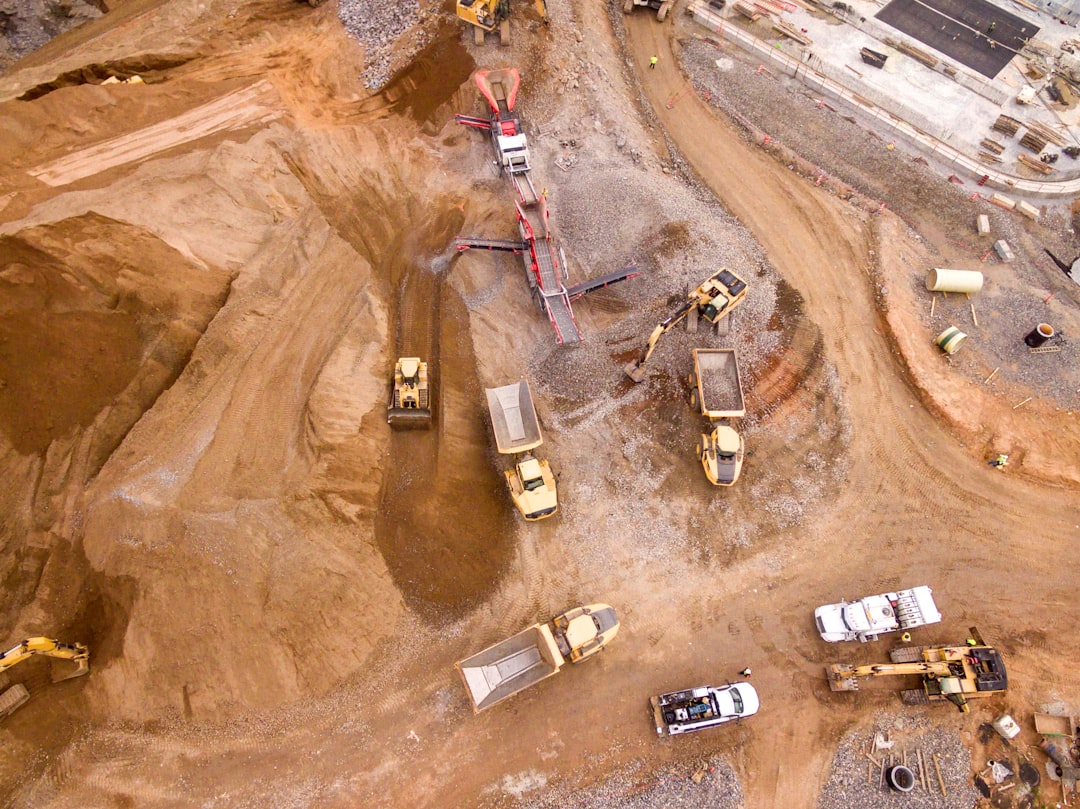
The separated concrete then undergoes a series of mechanical processes. Primary crushing reduces large chunks into smaller fragments, after which secondary crushing further refines the size. Following crushing, various screening and separation techniques are employed. Vibrating screens, for instance, are used to classify the aggregate by size, creating different grades of RCA suitable for various applications. Magnetic separators are utilized to remove ferrous metals like rebar that may remain. Water washing can also be employed to remove fine dust and other deleterious materials, which can potentially compromise the performance of the recycled aggregate. The rigor of these processing stages directly influences the quality and consistency of the final RCA product.
Material Composition: What Constitutes Recycled Concrete Aggregate?
Recycled Concrete Aggregate, at its core, is crushed concrete that has been processed to meet specific size and quality requirements. Its composition, therefore, is intrinsically linked to the original concrete it was derived from. This means RCA will contain both the original coarse and fine aggregates (such as crushed gravel and sand) and a significant proportion of hydrated cement paste. This cement paste is the binding agent of the original concrete and its presence is a defining characteristic of RCA, distinguishing it from virgin aggregate. Understanding the characteristics of this adhered cement paste is crucial for predicting the performance of RCA in new applications. The volume of adhered cement paste can vary significantly depending on the crushing and cleaning processes.
The Role of Adhered Cement Paste
The adhered cement paste is arguably the most significant differentiator between RCA and virgin aggregate. This paste, the result of the chemical reaction between cement and water, is porous and less dense than the original aggregate. Consequently, RCA tends to have a higher water absorption capacity and a lower specific gravity compared to virgin aggregate. These properties can influence the workability of concrete mixes containing RCA, as well as its strength and durability characteristics. The degree of adhered cement paste can be a critical factor, and aggressive cleaning techniques aim to reduce its presence, thereby creating a more inert and predictable aggregate.
Variability and Quality Control
A key consideration when utilizing RCA is its inherent variability. The source of the original concrete, its mix design, its age, and the specific processing methods all contribute to the characteristics of the resulting RCA. Consequently, rigorous quality control measures are paramount. This involves testing the RCA for properties such as aggregate grading, particle shape, strength (e.g., Los Angeles abrasion value), water absorption, and the presence of deleterious substances. Establishing clear quality standards and conducting regular testing are essential to ensure that RCA meets the performance requirements for its intended application. Without meticulous oversight, one could be building on a foundation of inconsistent building blocks.
Engineering Applications and Performance Characteristics
The Nuances of Concrete Mix Design with RCA
Incorporating RCA into new concrete mixes requires a nuanced approach to mix design. The presence of adhered cement paste means that RCA behaves differently from virgin aggregate. It tends to be more angular and have a rougher surface texture, which can improve mechanical interlocking and bond strength. However, its higher water absorption necessitates adjustments in the water-cement ratio to maintain desired workability and prevent excessive drying shrinkage. This often involves pre-wetting the RCA or using water-reducing admixtures. The design engineer must become a skilled conductor, orchestrating the elements of the mix to achieve the desired harmony of strength and workability.
Adjusting Water-Cement Ratio and Admixtures
A fundamental adjustment in mix design when using RCA is related to the water-cement ratio. Because RCA has a higher water absorption rate, the mix design must account for this by either adding extra water to the mix or, more commonly, by pre-wetting the RCA to its saturated surface-dry (SSD) condition before adding it to the mix. This ensures that the free water available for hydration is controlled. Furthermore, chemical admixtures, such as superplasticizers, can be employed to enhance the workability of RCA concrete without increasing the water content, thereby preserving the strength.
Impact on Compressive Strength and Durability
The effect of RCA on the compressive strength of concrete is a widely studied aspect. While early research indicated a potential reduction in strength with increasing RCA content, advancements in processing and mix design have demonstrated that concrete with moderate to high RCA replacement levels can achieve comparable strengths to conventional concrete. The adhered cement paste can, in some instances, lead to slightly lower tensile strength and a greater susceptibility to freeze-thaw damage due to its higher porosity. However, careful control of mix proportions, adequate curing, and the use of appropriate admixtures can mitigate these potential drawbacks. The goal is to engineer a concrete that not only stands tall but also endures the rigors of time and weather.
Structural Integrity and Load-Bearing Capacity
The suitability of RCA for structural applications hinges on its ability to contribute to the overall integrity and load-bearing capacity of the structure. For lower-strength applications, such as sub-base layers for roads or non-structural fill, RCA can be used directly without extensive modification. When used in structural concrete, however, careful consideration must be given to the proportion of RCA and the desired performance. Research has shown that RCA can effectively replace a significant percentage of virgin aggregate in structural elements like beams, columns, and slabs, provided that the mix design and quality control are meticulously managed. The strength of a structure is only as good as its weakest link, and with RCA, each link must be carefully examined and validated.
Foundations and Sub-base Applications
RCA has found early and widespread adoption in foundation and sub-base applications. Its angular shape and interlocking properties make it an excellent material for road bases, highway shoulders, and as a fill material. In these applications, the demand on compressive strength is generally lower, making RCA a cost-effective and environmentally sound choice. Its ability to compact well also contributes to the stability of these foundational layers. These are the silent guardians of our infrastructure, bearing the initial brunt of everyday use.
High-Rise Buildings and Critical Infrastructure
The frontier for RCA utilization lies in its application to high-rise buildings and critical infrastructure, such as bridges and dams. This demands a higher level of assurance regarding its performance. Extensive research and pilot projects have demonstrated that with stringent quality control and advanced mix design techniques, RCA can be successfully incorporated into structural elements of these demanding projects. The key lies in understanding the specific demands of the application and tailoring the RCA and its incorporation to meet those needs. This is where the reinvention truly shines, turning the discarded into the dependable.
Environmental and Economic Advantages
Reducing Landfill Burden and Resource Depletion
One of the most compelling arguments for utilizing RCA is its direct contribution to reducing the immense pressure on landfills. Construction and demolition waste constitutes a significant portion of the waste stream globally. By diverting concrete from landfills and reintroducing it into the construction cycle, we conserve valuable landfill space and mitigate the environmental hazards associated with waste disposal. Furthermore, the extraction of virgin aggregate for concrete production is an resource-intensive process that can lead to habitat destruction and landscape alteration. RCA offers a sustainable alternative, lessening the demand for virgin materials and preserving natural resources. This is not merely waste management; it is resource regeneration.
Minimizing Quarrying and Associated Impacts
The continuous demand for virgin aggregate necessitates extensive quarrying operations. These operations can have substantial environmental consequences, including habitat loss, soil erosion, water pollution from runoff, and noise pollution. The utilization of RCA significantly reduces the need for new quarrying, thereby preserving natural landscapes and minimizing these associated environmental impacts. It is a conscious choice to tread lighter on the Earth.
Lowering Carbon Footprint and Energy Consumption
The production of cement, a key component of concrete, is an energy-intensive process that generates substantial greenhouse gas emissions. By reducing the demand for new concrete, and consequently for cement, the use of RCA indirectly contributes to a lower carbon footprint for construction projects. While the recycling process itself consumes energy, it is generally significantly lower than the energy required for quarrying, transporting, and processing virgin aggregate, as well as the energy associated with cement production. The carbon savings can be substantial, offering a greener path forward.
Cost-Effectiveness and Market Opportunities
In many regions, the cost of RCA can be more competitive than virgin aggregate, especially when considering transportation costs. Local sourcing of demolition waste significantly reduces hauling distances compared to sourcing virgin aggregate from distant quarries. This not only offers an economic advantage but also further reduces the carbon footprint associated with transportation. The growing market for sustainable building materials also creates new economic opportunities for businesses involved in concrete recycling and the production of RCA. This economic viability transforms an environmental imperative into a sound business strategy.
Reduced Transportation Costs
The proximity of demolition sites to processing facilities and construction sites is a critical factor in the economic feasibility of RCA. When concrete is recycled locally, the transportation distances for both the demolition waste and the processed RCA are significantly reduced. This directly translates into lower hauling costs, making RCA a more attractive option compared to virgin aggregate that may need to be transported from remote quarries.
Creating a Circular Economy in Construction
The widespread adoption of RCA is a vital step towards establishing a truly circular economy within the construction sector. This model moves away from a linear “take-make-dispose” approach towards one where materials are kept in use for as long as possible, with their value retained through reuse and recycling. RCA exemplifies this principle by transforming waste into a valuable resource, creating a closed-loop system that benefits the environment and the economy.
Challenges and Future Directions
Overcoming Perceived Performance Limitations
Despite the advancements, there remains a perception in some sectors that RCA is an inferior material compared to virgin aggregate, especially for demanding structural applications. This perception is often rooted in older research or a lack of familiarity with current best practices. Educating engineers, contractors, and specifiers about the proven performance of RCA, backed by robust data and successful case studies, is crucial to overcome these lingering reservations. The narrative needs to shift from caution to confidence.
Standardization and Performance-Based Specifications
The development and adoption of comprehensive standards and performance-based specifications for RCA are critical for its wider acceptance. Clear guidelines regarding testing methods, quality assurance protocols, and performance requirements will instill confidence in its use across a broader range of structural applications. These standards act as a common language, ensuring that RCA is understood and trusted across the industry.
Enhancing Processing Technologies
Continuous innovation in concrete crushing, screening, and cleaning technologies can further enhance the quality and consistency of RCA. Advanced separation techniques, such as optical sorting and electrostatic separation, hold promise for removing more deleterious materials and producing RCA with properties closer to virgin aggregate. The pursuit of technological refinement is the engine driving progress.
Developing Advanced Cleaning and Separation Methods
Future research and development efforts should focus on enhancing cleaning and separation processes to produce RCA with a lower percentage of adhered cement paste and fewer deleterious substances. Technologies that can effectively remove impurities while preserving the integrity of the original aggregate particles will be invaluable. This is about refining the raw material to its highest potential.
Expanding the Scope of Application
The future of RCA lies in expanding its application beyond the current mainstream uses. Research into its performance in high-strength concrete, specialized mortars, and even in the development of novel composite materials is ongoing. Exploring its potential in applications requiring specific properties, such as thermal insulation or sound absorption, could unlock new markets and further solidify its role as a versatile construction material. This forward-looking exploration seeks to unlock every facet of this transformed resource.
Research into High-Performance Concrete with RCA
Further research is essential to fully understand and optimize the use of RCA in high-performance concrete (HPC) applications. This includes investigating its impact on rheology, long-term durability, and resistance to aggressive environments. By pushing the boundaries of what is currently understood, we can unlock the full potential of RCA in the most demanding structural scenarios.
Conclusion: A Cornerstone of Sustainable Construction
The utilization of Recycled Concrete Aggregate is no longer a niche concept; it is a burgeoning necessity and a significant contributor to a more sustainable and circular construction industry. As processing technologies advance and our understanding of its performance characteristics deepens, RCA is steadily shedding its image as a waste product and evolving into a valuable and reliable construction material. By embracing RCA, we are not only addressing pressing environmental challenges but also forging a path towards more resource-efficient and economically viable construction practices. The discarded fragments of our past are actively being woven into the fabric of our future, constructing stronger, more resilient, and more responsible structures. The journey from ruin to robust foundation is a testament to human ingenuity and our commitment to building a sustainable tomorrow.
WATCH NOW ▶️ WARNING: Why the World is Running Out of Sand (And You Never Noticed)
FAQs

What is recycled concrete aggregate (RCA)?
Recycled concrete aggregate (RCA) is a material produced by crushing and processing concrete debris from demolished structures. It is used as a substitute for natural aggregates in construction projects.
Can recycled concrete aggregate be used for structural applications?
Yes, recycled concrete aggregate can be used for structural applications, provided it meets specific quality and strength requirements. Proper processing and testing ensure its suitability for load-bearing elements.
What are the benefits of using recycled concrete aggregate in construction?
Using RCA reduces the demand for natural aggregates, lowers construction costs, minimizes environmental impact by recycling waste, and conserves natural resources.
Are there any limitations to using recycled concrete aggregate in structural use?
Limitations include potential variability in material properties, presence of contaminants, and generally lower strength compared to virgin aggregates. Careful quality control and mix design adjustments are necessary.
How is the quality of recycled concrete aggregate ensured for structural use?
Quality is ensured through proper sorting, removal of impurities, crushing to specified sizes, and testing for properties such as strength, density, and absorption. Compliance with relevant standards and guidelines is essential.