
The concept of the “Urban Doom Loop” describes a self-reinforcing cycle of decline that can afflict certain urban areas. It is characterized by a series of interconnected negative feedback mechanisms, where a decline in one aspect of urban life exacerbates decline in others, leading to a protracted period of stagnation or even regression. The “Urban Doom Loop Expansion: Territory Map” provides a conceptual framework for understanding how these loops not only persist within existing urban cores but also have the potential to spread and manifest in new territories. This mapping exercise is not about predicting a deterministic future, but rather about identifying patterns and the underlying conditions that can foster such a phenomenon.
The initial emergence of an urban doom loop is often rooted in a confluence of economic, social, and demographic shifts. These shifts, while sometimes seemingly localized, can trigger a cascade of negative consequences. Understanding these initial triggers is crucial for identifying the earliest signs of an impending loop.
Economic Disadvantage and Deindustrialization
A primary catalyst for urban doom loops is often the decline of a region’s dominant economic engine. Historically, many cities were built around manufacturing or extractive industries. When these industries face global competition, technological obsolescence, or a shift in global supply chains, the economic base of the city erodes. This leads to job losses, reduced tax revenues, and a decline in investment.
- Loss of Primary Employment Sectors: The closure of factories, mines, or other large-scale employers can create immediate and widespread unemployment. This impacts not only those directly displaced but also the ancillary businesses that supported these industries.
- Shrinking Tax Base: As businesses close and residents move away seeking opportunities, the municipal tax base shrinks. This significantly constrains the ability of local governments to fund essential services like public safety, infrastructure maintenance, and social programs.
- Reduced Private Investment: With a struggling economy and a dwindling population, private sector investment in new businesses, housing, and commercial development becomes a less attractive proposition. This lack of investment further hinders economic recovery and perpetuates stagnation.
Demographic Shifts and Population Out-migration
Economic hardship invariably leads to demographic shifts. As opportunities diminish, residents, particularly those with skills and resources, tend to seek them elsewhere. This out-migration further weakens the urban fabric.
- Brain Drain and Skill Erosion: The departure of skilled workers and young professionals creates a “brain drain,” leaving behind an older population with fewer specialized skills. This can make it even harder to attract new industries in the future.
- Declining Consumer Demand: A smaller and less affluent population means reduced consumer demand for goods and services. This can lead to the closure of local businesses, further exacerbating economic decline.
- Aging Population and Dependency Ratios: As younger individuals leave, the proportion of elderly residents may increase. This can strain social services and healthcare systems, and lead to higher dependency ratios where fewer working individuals support a larger number of non-working individuals.
Deterioration of Public Services and Infrastructure
With a shrinking tax base and a declining population, municipal governments often struggle to maintain the quality and scope of public services. This deterioration then becomes a contributing factor to further decline.
- Reduced Funding for Education and Policing: Cuts to school budgets can lead to lower educational attainment, making it harder for the next generation to compete. Reduced police presence and resources can contribute to rising crime rates.
- Neglect of Infrastructure: Potholed roads, failing bridges, and outdated public transportation systems not only inconvenience residents but also impede economic activity. Inadequate infrastructure can deter businesses from locating or expanding in an area.
- Decline in Parks and Public Spaces: The maintenance of parks, libraries, and other public spaces often falls victim to budget cuts. This can lead to a less attractive urban environment, impacting quality of life and community cohesion.
In exploring the concept of urban doom loops and their impact on city planning, a related article that provides valuable insights is available at this link: Urban Doom Loop Expansion Territory Map. This article delves into the geographical implications of urban decay and the cyclical nature of economic decline, offering a comprehensive analysis of how certain areas are affected by these phenomena. By examining the expansion territory map, readers can gain a clearer understanding of the regions most vulnerable to the challenges posed by urban doom loops.
The Feedback Loops: Mechanisms of Entrenchment
Once initiated, the elements of an urban doom loop begin to reinforce each other. The initial decline in one area amplifies the problems in others, creating a cyclical pattern of worsening conditions.
Interconnected Decline: The Vicious Cycle

The core of the urban doom loop lies in the interconnectedness of its negative components. Each element exacerbates the others, creating a self-perpetuating cycle.
Escalating Crime and Safety Concerns
As economic opportunities dwindle and public services deteriorate, crime rates can begin to rise. This creates a perception of unsafety, which further discourages investment and population growth.
- Impact on Business Viability: High crime rates can deter customers, increase insurance costs for businesses, and lead to greater security expenses. This can force businesses to close or relocate.
- Resident Fear and Neighborhood Decline: Residents may become more fearful of leaving their homes, leading to a decline in community interaction and the abandonment of public spaces. This can create a sense of disempowerment and apathy.
- Strain on Law Enforcement Resources: As crime increases, law enforcement agencies are placed under greater strain. Without adequate resources, their effectiveness can further diminish, creating a positive feedback loop for criminal activity.
Housing Abandonment and Blight
The combination of economic hardship, out-migration, and rising crime often leads to a significant increase in vacant properties and urban blight. This physical decay further diminishes the attractiveness of the area.
- Foreclosures and Mortgage Defaults: As residents lose jobs and face financial distress, mortgage defaults rise, leading to an increase in foreclosures and vacant homes.
- Property Value Decline: The abundance of vacant properties and the perception of decline depress property values across the board, making it difficult for homeowners to sell or refinance their properties.
- Visual and Environmental Degradation: Dilapidated buildings, overgrown lots, and accumulating trash create an unappealing environment, which can further discourage new residents and businesses. The presence of blight can also be linked to increased crime and health hazards.
Weakening of Social Capital and Community Cohesion
The cumulative effects of economic decline, out-migration, and physical decay can erode social capital and weaken community bonds. This loss of social connection further hinders recovery efforts.
- Reduced Civic Engagement: When residents feel disenfranchised and see little hope for improvement, their motivation to participate in community initiatives or local governance may decline.
- Increased Social Isolation: As people leave and neighborhoods become less safe, individuals may become more socially isolated, leading to diminished informal support networks.
- Erosion of Trust: A sustained period of decline can lead to a breakdown of trust between residents, institutions, and local government, making it harder to build consensus for solutions.
The Expansionary Dynamics: Spreading the Loop
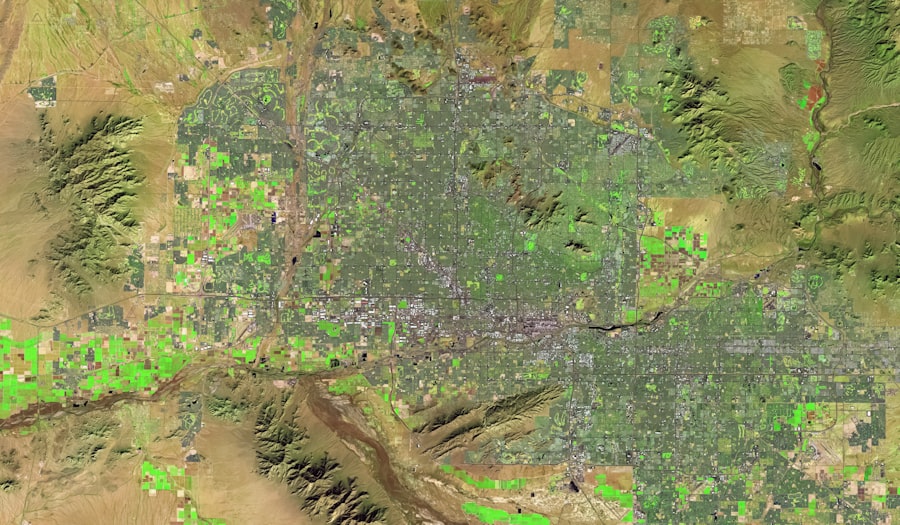
The “Urban Doom Loop Expansion: Territory Map” considers how these dynamics can move beyond their initial locale, impacting adjacent areas or even becoming a pattern that repeats in new urban environments.
Urban expansion often leads to complex challenges, including the phenomenon known as the urban doom loop, which can significantly impact city planning and sustainability. A related article that delves deeper into this topic is available on MyGeoQuest, where you can explore the intricacies of urban development and its implications. For more insights, you can read the article here, which provides valuable information on mapping urban territories and understanding the dynamics of urban growth.
Territorial Reach: From Core to Periphery
| City | Population | Unemployment Rate | Crime Rate |
|---|---|---|---|
| New York | 8,336,817 | 5.3% | 3.4% |
| Los Angeles | 3,979,576 | 7.5% | 4.9% |
| Chicago | 2,693,976 | 6.8% | 5.5% |
The decline within an urban core can exert a gravitational pull, drawing adjacent or interconnected areas into its negative trajectories.
Spillover Effects on Adjacent Neighborhoods
The problems of a declining urban core do not always remain contained. They can gradually extend to neighboring areas, even those that were once considered more stable.
- Increased Crime in Bordering Areas: As law enforcement resources are stretched thin in the core, criminal activity may spill over into adjacent residential areas, leading to a perceived increase in crime.
- Downward Pressure on Property Values: The blight and negative reputation of the core can depress property values in immediately surrounding neighborhoods, making them less attractive to buyers and potentially leading to disinvestment.
- Flight of Businesses and Services: Businesses that serve a broader metropolitan area may choose to relocate away from the declining core and its associated challenges, impacting employment and access to services in neighboring zones.
Commuting Patterns and Suburban Strain
Changes in urban employment and housing markets can also affect suburban areas, sometimes pulling them into the broader pattern of decline.
- Jobless Commutes: As jobs disappear in the urban core, residents who previously commuted into the city for work may be forced to seek employment elsewhere. If successful, this can lead to a decline in local suburban employment centers. If unsuccessful, it contributes to unemployment within the suburbs.
- In-migration of Lower-Income Residents: As housing costs in the urban core become more affordable due to decline, or as suburban housing becomes less attainable due to economic shifts, there can be an in-migration of lower-income individuals to more affordable areas, which may include suburbs that were previously more affluent. This can place additional strain on suburban resources and services.
- Strained Infrastructure and Services: Increased population density in formerly less populated suburban areas, or shifts in demographic composition, can strain existing suburban infrastructure and service delivery, creating a form of localized doom loop.
The Role of Transportation Networks
Transportation infrastructure, once a driver of urban growth, can also facilitate the spread of doom loop dynamics.
- Facilitating Out-migration: Well-developed highways and transit systems allow residents to leave declining areas more easily, contributing to population loss.
- Extended Commuting and Reduced Local Spending: If residents are forced to commute longer distances for work, their disposable income and their likelihood of spending it in their immediate local communities (whether urban or suburban) can decrease.
Identifying the Triggers for Expansion
Recognizing the conditions under which a doom loop expands is crucial for proactive intervention and mitigation strategies.
Infrastructure Vulnerabilities
Key infrastructure weaknesses can act as conduits for the expansion of urban decline.
- Aging or Inadequate Public Transit: Poorly funded or inefficient public transportation systems can isolate communities, making it harder for residents to access jobs and services, and conversely, making it harder for businesses to recruit talent. This can trap people in declining areas.
- Degrading Utility Networks: Failing water, sewer, or power grids can deter new investment and make existing areas less livable, contributing to blight and abandonment that can spread.
- Limited Broadband Access: In the digital age, lack of reliable and affordable internet access can hinder economic development, remote work opportunities, and access to education, further isolating communities and making them less competitive.
Economic Linkages and Interdependencies
The economic ties between urban areas and their surrounding regions play a significant role in transmission.
- Concentration of Specific Industries: If a region’s economy is overly reliant on a few dominant industries, the decline of any one of those industries can have a cascading effect across multiple communities.
- Weak Regional Economic Cooperation: A lack of coordinated economic development strategies between a central city and its surrounding municipalities can allow decline to spread unchecked as efforts are not aligned.
- Property Market Contagion: In a highly interconnected real estate market, a significant downturn in property values in one area can exert downward pressure on prices in adjacent or similarly situated areas.
Governance and Policy Gaps
Lapses in effective governance and policy can create opportunities for doom loops to take hold and spread.
- Fragmented Municipal Governance: A multitude of small, independent municipalities within a metropolitan area can struggle to address regional issues like economic development, affordable housing, or transportation planning collaboratively. This fragmentation allows problems to bypass jurisdictional boundaries.
- Lack of Regional Planning Authorities: The absence of effective regional planning bodies that can implement coordinated strategies for land use, economic development, and infrastructure investment leaves metropolitan areas vulnerable to unmanaged decline.
- Inadequate Investment in Redevelopment: A failure to proactively invest in the revitalization of declining areas, or a lack of effective policies to incentivize redevelopment, can allow blight and abandonment to fester and spread.
The Long-Term Implications: Persistent Stagnation
The expansion of urban doom loops can lead to a more widespread and enduring pattern of urban stagnation, impacting regional economies and the well-being of their inhabitants.
The Map of Decline: Visualizing the Spread
Creating a “Territory Map” for urban doom loop expansion involves identifying spatial patterns and the factors that facilitate their propagation.
Identifying Zones of Vulnerability
Certain characteristics make areas more susceptible to falling into or being drawn into a doom loop.
- Areas with Declining Industrial Heritage: Communities with a history of manufacturing or resource extraction that has experienced significant decline are prime candidates.
- Neighborhoods with High Vacancy Rates and Blight: Physical decay is a strong indicator of existing or developing doom loop conditions.
- Areas with Significant Population Out-migration: A steady decline in population, particularly of working-age individuals, signals economic distress.
- Communities with Limited Economic Diversification: Economies heavily reliant on a single industry or a narrow range of sectors are more vulnerable to shocks.
Analyzing Connectivity and Sprawl
How areas are connected geographically and economically influences the spread of doom loops.
- Proximity to Existing Doom Loop Cores: Neighborhoods physically adjacent to or well-connected to established declining urban areas face a higher risk of contagion.
- Transportation Corridor Vulnerabilities: Areas situated along transportation routes that have seen a decline in economic activity or an increase in outward-flowing traffic can become conduits for spread.
- Impact of Suburban Sprawl: Uncontrolled or poorly planned suburban expansion can sometimes create new, lower-density areas that eventually experience their own economic and social challenges, mirroring earlier urban patterns.
The Role of Policy Interventions
The “map” is not static and can be influenced by deliberate policy choices.
- Targeted Investment Areas: Identifying areas that, if neglected, are likely to fall into a doom loop, and directing resources towards their revitalization.
- Regional Cooperation Zones: Establishing formal agreements and shared planning bodies for contiguous areas to address common challenges.
- Infrastructure Reinvestment Priorities: Prioritizing upgrades to transportation, utilities, and broadband in at-risk areas to foster resilience and attract new opportunities.
Conclusion: Navigating the Challenge
The concept of the “Urban Doom Loop Expansion: Territory Map” underscores the complex and interconnected nature of urban decline. It highlights that these cycles are not confined to isolated pockets but can spread, affecting wider regions. Understanding the genesis of these loops, the feedback mechanisms that entrench them, and the territorial dynamics of their expansion is essential for developing effective strategies to foster urban resilience and prevent further cycles of decline. The map serves as a diagnostic tool, guiding policymakers and urban planners to identify vulnerabilities and to focus interventions where they are most needed, aiming to break these self-reinforcing negative patterns before they encompass broader territories.
FAQs
What is the urban doom loop expansion territory map?
The urban doom loop expansion territory map is a visual representation of the areas within a city that are experiencing rapid urbanization and expansion, often at the expense of natural habitats and green spaces.
How is the urban doom loop expansion territory map created?
The map is created using geographic information systems (GIS) technology, which allows for the analysis and visualization of urban growth patterns, land use changes, and environmental impacts over time.
What are the key features of the urban doom loop expansion territory map?
Key features of the map may include areas of high population density, infrastructure development, loss of green spaces, encroachment on natural habitats, and potential environmental degradation.
What are the implications of the urban doom loop expansion territory map?
The map can help policymakers, urban planners, and environmentalists understand the impact of urban expansion on the environment, identify areas at risk, and develop strategies for sustainable urban development.
How can the urban doom loop expansion territory map be used to address urbanization challenges?
By using the map, stakeholders can make informed decisions about land use planning, conservation efforts, and infrastructure development to mitigate the negative effects of urban expansion and promote sustainable urban growth.