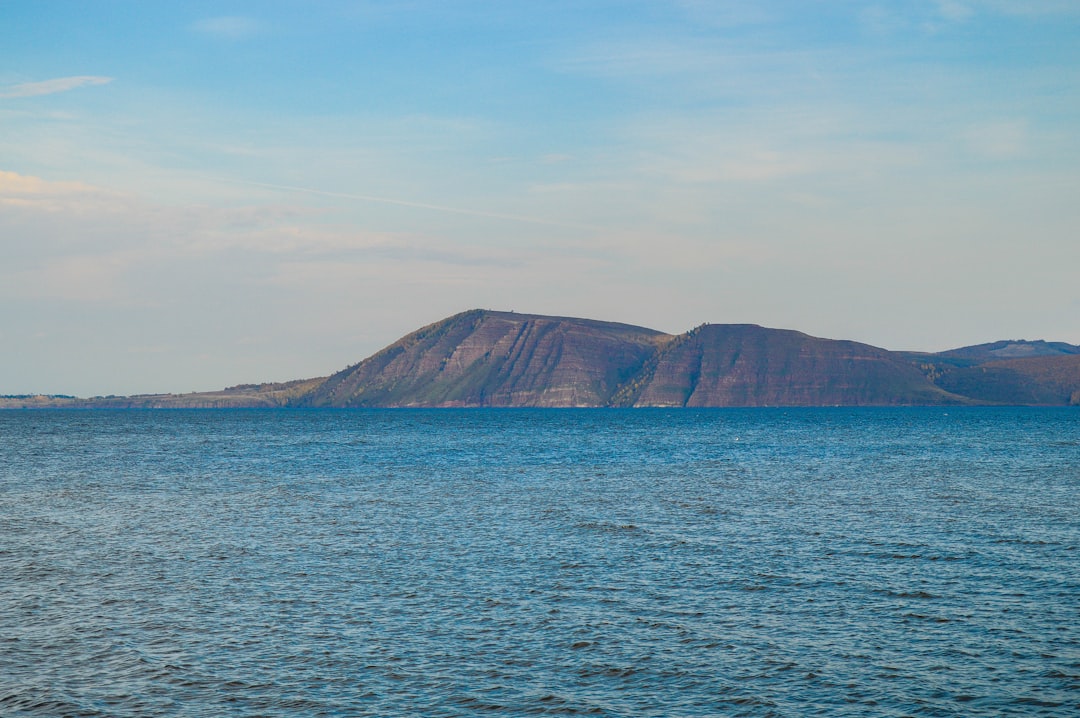
The Ural River, a silent giant that bisects Eurasia, plays a pivotal role in the intricate hydro-ecological tapestry of the Caspian Basin. Its water levels, often fluctuating like the tides of fortune, send ripples of consequence across this vast inland sea and the surrounding arid landscapes. Understanding these fluctuations is not merely an academic exercise; it is a strategic imperative for nations that share the Caspian’s bounty, influencing everything from agriculture and industry to biodiversity and geopolitical stability.
The Ural River, originating in the southern Ural Mountains of Russia, embarks on a journey of over 2,400 kilometers before emptying into the Caspian Sea. This serpentine waterway, a vital artery in a region predominantly characterized by steppe and semi-desert, irrigates vast tracts of land, sustains significant human populations, and forms a crucial component of the Caspian Sea’s hydrological balance. Its water, a finite resource in an often thirsty land, is a silent arbiter of prosperity and scarcity.
Geographical Significance and Flow Dynamics
The Ural’s geographical placement is paramount. It acts as a natural boundary, separating Europe from Asia for a considerable portion of its course. This territorial demarcation, however, is less significant than its hydrological function. The river’s flow is primarily fed by snowmelt from its mountainous headwaters and, to a lesser extent, by rainfall. This dependence on seasonal precipitation makes its discharge inherently variable, susceptible to the vagaries of climate.
Headwaters and Tributaries
The snow-capped peaks of the Ural Mountains serve as the cradle for the Ural River. Here, numerous small streams converge, gradually swelling into the mighty river. Its significant tributaries, such as the Sakmara, Tanalyk, and Ilek, contribute substantial volumes of water, particularly during the spring melt. These tributaries, themselves vital water sources for their local ecosystems, collectively feed the primary artery that nourishes the downstream regions.
Mouth and Delta Formation
Upon reaching its terminal destination, the Ural River fans out into an extensive delta before discharging into the northeastern sector of the Caspian Sea. This delta, a labyrinth of channels and wetlands, is a bio-diverse hotspot, providing crucial habitats for a multitude of flora and fauna, including significant fish populations. The volume of water entering the Caspian via the Ural delta directly impacts local salinity levels and nutrient transport.
Historical Significance and Human Interaction
For millennia, the Ural River has been a lifeline for the people inhabiting its basin. Nomadic tribes, agrarian communities, and industrial enterprises have all relied on its waters. This long history of interaction has shaped both the environment and the human societies that depend on it. The river has been a silent witness to empires rise and fall, and its currents have carried stories of trade, conflict, and adaptation.
Early Settlements and Nomadic Cultures
The fertile floodplains of the Ural have historically supported human settlements. Early nomadic cultures grazed their livestock along its banks, and later, more sedentary agricultural communities cultivated the land, relying on the river’s seasonal inundation for crop irrigation. The river was not just a water source; it was the very foundation of their existence.
Industrialization and Resource Exploitation
The advent of industrialization in the 19th and 20th centuries brought a new dimension to human interaction with the Ural. The development of agriculture, mining, and later, oil and gas extraction, placed increasing demands on the river’s water resources. This period marked a shift from a harmonious coexistence to a more exploitative relationship, the consequences of which are still being felt.
Recent studies have highlighted the fluctuating water levels of the Ural River and their implications for the Caspian Basin ecosystem. An insightful article discussing these changes and their environmental impact can be found at MyGeoQuest. This resource provides valuable information on the interconnectedness of river systems and their influence on regional climates and biodiversity.
Fluctuating Fortunes: Drivers of Ural River Water Levels
The water levels of the Ural River are not static. They are a dynamic phenomenon, influenced by a complex interplay of climatic, hydrological, and anthropomorphic factors. These drivers, like unseen hands, shape the river’s pulse, determining the volume of water it carries to the Caspian Sea.
Climatic Influences: The Hand of Meteorology
The most fundamental driver of Ural River water levels is climate. Changes in temperature and precipitation patterns, both historically and in response to global climate change, directly impact the river’s discharge.
Precipitation Patterns: The Rainfall and Snowfall Equation
The volume of rainfall and snowfall in the Ural Mountains and the river’s basin is the primary determinant of its water content. Periods of abundant precipitation lead to higher water levels, while droughts can significantly diminish the river’s flow, sometimes to critical lows. The regularity and intensity of these events are increasingly influenced by broader climate patterns.
Seasonal Variations: Spring Thaw and Summer Scarcity
The river’s discharge exhibits pronounced seasonal variations. The spring snowmelt, often a dramatic surge of water, is the most significant contributor to annual flow. Conversely, the summer months typically see a reduction in flow due to increased evaporation, higher demand for irrigation, and diminished precipitation. This cyclical pattern dictates the rhythm of water availability.
Temperature: The Evaporative Effect
Rising temperatures, particularly during the summer, exacerbate water loss through evaporation, not only from the river’s surface but also from soils and vegetation in the basin. This “thirst” of the atmosphere, amplified by warmer climates, further reduces the volume of water reaching the Caspian.
Hydrological Factors: The River’s Internal Mechanics
Beyond meteorological influences, the river’s own hydrological characteristics also play a role in determining its water levels.
Groundwater Recharge: The Hidden Reserves
The Ural River’s flow is indirectly sustained by groundwater discharge into its bed and tributaries. The rate of groundwater recharge, influenced by precipitation and the geology of the basin, acts as a buffer, moderating the impact of surface-level fluctuations. However, excessive groundwater extraction for human use can deplete these reserves, impacting long-term flow.
Channel Morphology and Sedimentation: The River’s Bed
The physical characteristics of the river channel, including its width, depth, and gradient, affect its flow dynamics. Sedimentation, the accumulation of sand and silt, can reduce channel capacity, leading to increased flooding during high-flow periods and potentially restricting flow during low-flow periods.
Anthropogenic Impacts: The Sculpting Hand of Humanity
Human activities exert a profound and often dominant influence on Ural River water levels, turning a natural phenomenon into a carefully managed, or sometimes mismanaged, resource.
Water Abstraction for Agriculture: The Thirst of the Fields
Agriculture is a major consumer of Ural River water. Irrigation systems, particularly those used for cotton and grain cultivation in the arid Kazakh steppes, draw substantial volumes, especially during the growing season. The scale of this abstraction directly impacts the amount of water that ultimately reaches the Caspian.
Industrial and Municipal Demand: The City’s Needs
Industrial facilities, including power plants and manufacturing sites, also require significant water intake. Municipalities along the river draw water for domestic consumption, sanitation, and other urban needs. While individually smaller than agricultural demand, the cumulative impact of these demands can be considerable.
Dam Construction and Reservoir Management: The Controlled Flow
The construction of dams and reservoirs along the Ural River, such as the Verhneuralskoye Reservoir, has fundamentally altered its natural flow regime. These structures are designed to regulate water levels, store water for irrigation and power generation, and mitigate flood risks. However, their operation strategy, including release schedules and water allocation, has a direct and often contentious impact on downstream water availability and the Caspian Sea’s input.
Impact on the Caspian Sea: The River’s Oceanic Legacy
The Ural River, a significant contributor to the Caspian Sea’s hydrological budget, influences its delicate ecosystem and the livelihoods of those who depend on its resources. The water that flows from the Ural is not just water; it carries with it nutrients, sediments, and a salinity signature that shapes the character of the world’s largest inland body of water.
Salinity Dynamics: The Salt of the Earth
The Caspian Sea’s salinity is a complex balance, influenced by freshwater input from its major rivers, evaporation, and the geological history of the basin. The Ural River, with its freshwater discharge, plays a crucial role in moderating salinity levels, particularly in the northeastern Caspian.
Regional Salinity Variations: The Gradient of Salt
Lower water levels in the Ural, due to reduced flow, can lead to increased salinity in the northeastern Caspian. This is because the same amount of salt is dissolved in a smaller volume of water. Conversely, higher flow rates from the Ural can dilute the Caspian’s waters, lowering salinity. These variations create gradients of salinity that influence the distribution and survival of aquatic life.
Impact on Biodiversity: The Sensitive Balance
Many Caspian species have specific salinity tolerances. Fluctuations caused by changes in Ural River discharge can stress these organisms, impacting their reproduction, growth, and survival. For example, certain fish species may struggle to spawn if salinity levels are too high or too low.
Ecosystem Health: The River’s Ecological Footprint
The Ural River’s contribution extends beyond mere water volume; it carries vital nutrients and sediments that sustain the Caspian’s rich ecosystem.
Nutrient Transport: The River’s Fertile Gift
The river carries dissolved nutrients, such as nitrogen and phosphorus, from the terrestrial environment into the Caspian. These nutrients are essential for the primary productivity of the Caspian’s food web, supporting phytoplankton growth, which in turn sustains zooplankton and fish populations. Changes in Ural flow can alter nutrient availability, with cascading effects throughout the ecosystem.
Sediment Load: The River’s Sedimented Story
Sediments carried by the Ural River can deposit in the Caspian, contributing to the formation of shallow-water habitats and influencing water clarity. While excessive sedimentation can be detrimental, a certain level is natural and supports specific benthic communities. Altered flow regimes, particularly those resulting from dam construction, can significantly change sediment transport patterns.
Fisheries and Economic Consequences: The River’s Economic Echo
The health of the Caspian Sea’s fisheries is intrinsically linked to its water levels and the ecological conditions maintained by its inflowing rivers.
Sturgeon Populations: The Prized Jewels
The Caspian Sea is historically famous for its sturgeon populations, the source of valuable caviar. These ancient fish are highly sensitive to environmental changes, including salinity and water quality fluctuations, which can be influenced by the Ural River’s discharge. Reduced freshwater inflow can impact their spawning grounds and migration patterns.
Commercial Fishing: The Livelihoods at Stake
The commercial fishing industry in the Caspian Basin relies on healthy fish stocks. Declines in fish populations, partly attributable to altered water levels and their ecological consequences, can have severe economic repercussions for the communities that depend on fishing for their livelihoods.
Management and Mitigation: Navigating the Currents of Change
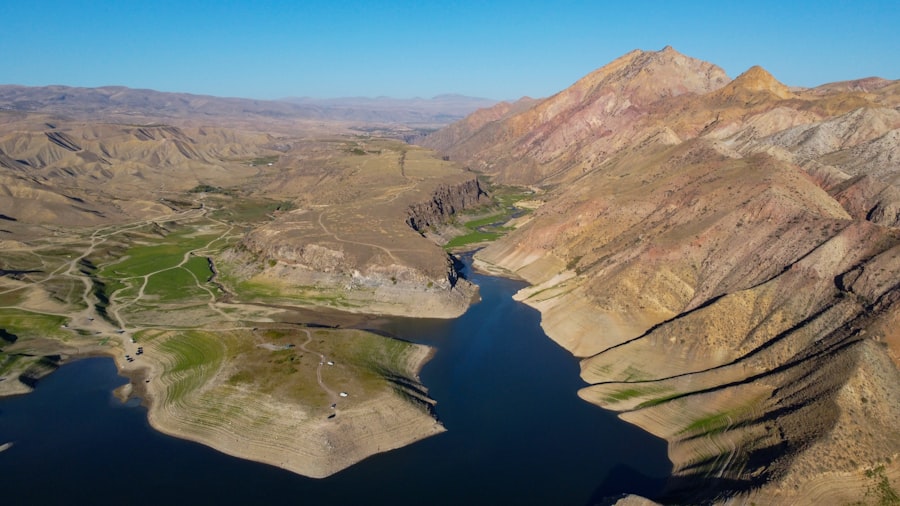
The interconnectedness of the Ural River and the Caspian Sea necessitates careful management and proactive mitigation strategies to address the challenges posed by fluctuating water levels. This requires a comprehensive understanding of the drivers of these changes and a commitment to sustainable water resource management.
International Cooperation: A Shared Responsibility
As the Ural River flows through multiple nations before reaching the Caspian Sea, international cooperation is paramount for effective water management. Agreements and collaborative efforts are essential for harmonizing water use policies and addressing transboundary environmental issues.
Transboundary Water Agreements: The Legal Framework
Establishing and adhering to transboundary water agreements provides a legal and operational framework for managing shared water resources. These agreements should address water allocation, data sharing, and joint monitoring programs to ensure equitable and sustainable use.
Joint Monitoring and Research: Illuminating the Unknowns
Collaborative efforts in scientific research and water monitoring are crucial for understanding the complex dynamics of the Ural River and the Caspian Sea. This shared knowledge base can inform policy decisions and guide adaptive management strategies.
Sustainable Water Management Practices: Taming the Flow Wisely
Implementing sustainable water management practices at the basin level is essential for ensuring the long-term health of both the Ural River and the Caspian Sea.
Improving Irrigation Efficiency: Watering Wisely
Given the significant demand from agriculture, improving irrigation efficiency is a critical step. Transitioning to more water-saving techniques, such as drip irrigation, and investing in modernized infrastructure can substantially reduce water abstraction without compromising crop yields.
Addressing Industrial Water Use: Reducing the Footprint
Industries must also adopt more water-efficient practices. This includes investing in water recycling and reuse technologies, optimizing industrial processes to minimize water consumption, and ensuring effective wastewater treatment to prevent pollution.
Climate Change Adaptation: Preparing for the Unpredictable
Recognizing the impact of climate change, adaptation strategies are vital. This includes developing drought-resistant crops, enhancing water storage capacity where appropriate, and implementing early warning systems for floods and droughts.
Environmental Protection and Restoration: Nurturing the Ecosystem
Protecting and restoring the ecological integrity of the Ural River and its delta is crucial for maintaining the health of the Caspian Sea.
Wetland Conservation: The River’s Natural Filters
The wetlands of the Ural River delta are vital ecological assets, acting as natural water filters and providing critical habitats. Conservation efforts should focus on protecting these areas from degradation and pollution.
Fisheries Management and Conservation: Saving the Stocks
Implementing sustainable fisheries management practices, including quotas, seasonal restrictions, and efforts to combat illegal fishing, is essential for conserving Caspian fish stocks. Restoring fish passage where it has been impeded by infrastructure is also important.
Recent studies have highlighted the fluctuations in water levels of the Ural River, which significantly impact the Caspian Basin ecosystem. These changes not only affect local biodiversity but also influence the livelihoods of communities reliant on the river for fishing and agriculture. For a deeper understanding of the dynamics at play, you can explore a related article that discusses the implications of these water level changes in detail. This insightful piece can be found here.
The Future Outlook: Charting a Course for Sustainability
| Date | Location | Water Level (m) | Flow Rate (m³/s) | Comments |
|---|---|---|---|---|
| 2024-04-01 | Ural River near Orsk | 3.45 | 120 | Normal seasonal level |
| 2024-04-01 | Ural River near Atyrau | 2.85 | 95 | Stable flow |
| 2024-05-01 | Ural River near Orsk | 3.60 | 130 | Spring melt increase |
| 2024-05-01 | Ural River near Atyrau | 3.00 | 105 | Rising water levels |
| 2024-06-01 | Ural River near Orsk | 3.55 | 125 | Stable after peak melt |
| 2024-06-01 | Ural River near Atyrau | 2.95 | 100 | Normal summer level |
The future of the Ural River water levels and their impact on the Caspian Basin hinges on the choices made today. The confluence of climatic uncertainties and escalating human demands presents a formidable challenge, but also an opportunity for innovative solutions and a renewed commitment to environmental stewardship.
Climate Change Projections: The Uncertain Horizon
Climate change models project continued warming and potential shifts in precipitation patterns across the Ural River basin. Understanding these projections is crucial for proactive planning and adapting water management strategies to future conditions. This includes anticipating more extreme weather events, such as prolonged droughts and intense rainfall.
Potential for Reduced Flow: The Slow Drip
Some projections suggest a potential for reduced overall flow in the Ural River due to increased evaporation and altered precipitation patterns. This scenario would place further pressure on water resources and necessitate even more stringent water conservation measures.
Increased Variability: The Erratic Pulse
Conversely, climate change may also lead to increased variability in river discharge, with more frequent and intense floods interspersed with prolonged periods of low flow. This erratic pulse will challenge traditional water management approaches that rely on predictable patterns.
Economic Development and Water Demand: The Growing Thirst
As economies in the Caspian Basin develop, the demand for water is likely to increase. Balancing economic growth with the imperative of water conservation will be a critical task. This requires careful planning that integrates water resource considerations into all development strategies.
Agricultural Modernization: The Balancing Act
Modernizing agricultural practices to be more water-efficient offers a significant opportunity. However, the economic incentives for adopting new technologies must be carefully considered, and support mechanisms may be needed to facilitate the transition.
Industrial Growth and Water Footprint: The Industrial Thirst
Industrial expansion must be accompanied by a commitment to minimizing water consumption and pollution. Stringent environmental regulations and the promotion of green technologies will be essential to ensure that industrial growth does not disproportionately deplete water resources.
The Caspian Sea’s Enduring Significance: The Inland Jewel
The Caspian Sea, a unique and ecologically vital region, will continue to be a focal point for environmental concern and international cooperation. Its future health is indelibly linked to the management of its inflowing rivers, including the Ural.
Biodiversity Conservation: Protecting the Priceless
The imperative to conserve the Caspian’s exceptional biodiversity, particularly its iconic sturgeon populations, will remain a guiding principle. This necessitates a holistic approach that addresses all contributing factors, including water levels and quality.
Geopolitical Stability and Resource Management: The Shared Waters
The equitable and sustainable management of the Caspian Sea’s resources, including its water, is crucial for maintaining regional stability and fostering cooperation among the littoral states. The Ural River’s contribution to this delicate balance cannot be overstated.
In conclusion, the Ural River serves as a vital conduit, its water levels acting as a barometer for the health of a vast ecological and socio-economic system. Understanding the intricate dance between its flow and the Caspian Sea is not a matter of passive observation but an active pursuit of knowledge and a call to responsible stewardship. The future of this interconnected basin rests on the ability to navigate its changing currents with wisdom and foresight, ensuring that this vital artery continues to nourish the land and the sea for generations to come.
FAQs
What is the Ural River and where is it located?
The Ural River is a major river in Russia and Kazakhstan that flows from the Ural Mountains into the Caspian Sea. It serves as a natural boundary between Europe and Asia.
Why are water levels in the Ural River important for the Caspian Basin?
Water levels in the Ural River directly affect the hydrology of the Caspian Basin, influencing water supply, ecosystem health, and the overall water balance of the Caspian Sea.
What factors influence the water levels of the Ural River?
Water levels in the Ural River are influenced by seasonal precipitation, snowmelt from the Ural Mountains, water withdrawals for agriculture and industry, and climate change impacts.
How do changes in Ural River water levels impact the Caspian Sea?
Fluctuations in the Ural River’s flow can lead to changes in the Caspian Sea’s water volume, affecting salinity, fish habitats, and coastal ecosystems, as well as regional water management strategies.
Are there any measures in place to monitor or manage the Ural River water levels?
Yes, both Russia and Kazakhstan have monitoring systems and cooperative agreements to manage water resources in the Ural River basin to ensure sustainable use and mitigate negative environmental impacts.