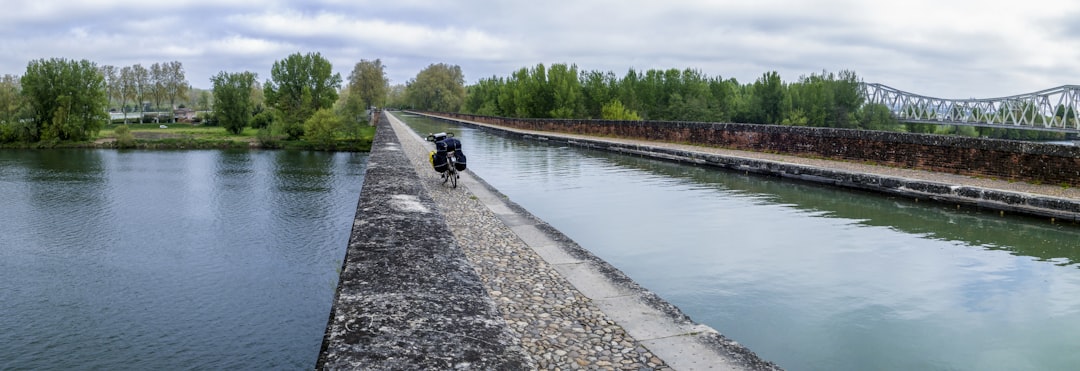
The Volga-Don Canal, a vital artery in Russian transportation networks, stands at a crossroads. Its continued relevance and capacity to serve a growing global demand for freight movement are increasingly being scrutinized. As trade routes evolve and the need for efficient waterway transit intensifies, a comprehensive reassessment of the canal’s infrastructure and operational capabilities becomes imperative. This article delves into the intricacies of a feasibility study for upgrading the Volga-Don Canal, examining the multifaceted considerations that underpin such a significant undertaking.
The Volga-Don Canal, a man-made marvel connecting the Volga River to the Don River, and subsequently to the Black Sea, has been a cornerstone of Russian inland navigation for decades. Its construction, completed in 1952, represented a monumental engineering feat, opening up new possibilities for cargo interlinking by removing the overland portage that once separated these two crucial river systems. The canal, comprising 11 locks on the Volga side and 4 on the Don side, along with various dams, bypass channels, and pumping stations, enables vessels to navigate a difference in elevation of approximately 100 meters.
Historical Significance and Operational Load
The canal’s historical significance lies not only in its engineering prowess but also in its strategic economic and geopolitical importance. It has been instrumental in facilitating the movement of bulk commodities, grain, petroleum products, minerals, and manufactured goods across vast swathes of Russia and, by extension, to international markets. Year-round operation, with the aid of icebreakers during winter months, has ensured its consistent utility, although ice conditions can significantly impact transit times and vessel capacities. The operational load on the canal has steadily increased over the years, mirroring Russia’s economic development and its role in global trade. However, this increased usage also places immense strain on the aging infrastructure.
Ageing Infrastructure and Maintenance Demands
The passage of time has inevitably impacted the 70-year-old infrastructure of the Volga-Don Canal. Like a seasoned athlete, the canal’s components, from the concrete structures of its locks to the mechanical systems that operate them, are exhibiting signs of wear and tear. Regular and often extensive maintenance is required to keep it operational, consuming significant financial and human resources. These maintenance efforts, while essential, are often reactive, addressing existing issues rather than proactively improving capacity or efficiency. The cumulative effect of this wear means that the canal’s ability to handle modern, larger vessels, or even the current volume of traffic without delays, is being tested.
Environmental Considerations and Ecological Impact
The construction and operation of large-scale water infrastructure projects inevitably have environmental repercussions. The Volga-Don Canal is no exception. Issues such as altered water flow regimes, changes in aquatic ecosystems, potential impacts on fish migration, and sediment management are all critical factors that need to be continuously monitored and addressed. Upgrades, while potentially beneficial for navigation, must also consider their environmental footprint, ensuring that any new infrastructure or operational changes do not exacerbate existing problems or create new ecological challenges. The canal acts as a corridor, and understanding the health of the ecosystems it traverses is paramount not only for environmental sustainability but also for the long-term viability of the waterway itself.
The feasibility of upgrading the Volga Don Canal has garnered significant attention, particularly in light of recent discussions surrounding infrastructure improvements in Russia. A related article that delves into the implications of such upgrades can be found at My Geo Quest. This article explores the potential economic benefits, environmental considerations, and logistical challenges associated with enhancing this critical waterway, making it a valuable resource for understanding the broader context of the canal’s development.
The Rationale for Upgrading: Modernizing a Lifeline
The decision to consider upgrading the Volga-Don Canal is not born out of mere whim but is a strategic response to a confluence of factors demanding modernization. The current infrastructure, while functional, is increasingly becoming a bottleneck, hindering the full potential of the waterway as a facilitator of economic growth and international trade. A well-executed upgrade can transform the canal from a historic relic into a future-proofed logistical nexus.
Enhancing Navigational Capacity and Vessel Size
One of the primary drivers for an upgrade is the need to accommodate larger vessels. Modern shipping, both inland and maritime, trends towards larger ship sizes to achieve economies of scale. The current lock dimensions and channel depths of the Volga-Don Canal are a limiting factor, restricting the types and sizes of vessels that can transit. Upgrading these aspects would allow for the passage of Panamax and even post-Panamax sized vessels, significantly increasing the cargo-carrying capacity per voyage. This would translate into fewer transits required to move the same volume of goods, reducing congestion and operational costs, akin to widening a highway to accommodate more efficient traffic flow.
The recent discussions surrounding the feasibility of upgrading the Volga Don Canal have sparked interest in various infrastructure projects across the region. For those looking to explore similar initiatives, an insightful article can be found that delves into the implications of such upgrades on trade and transportation efficiency. You can read more about it in this related article, which provides a comprehensive overview of the potential benefits and challenges associated with enhancing this vital waterway.
Increasing Throughput and Reducing Transit Times
The current limitations also translate into longer transit times. Bottlenecks at locks, coupled with the need for smaller vessels to navigate the system, contribute to delays. A modernized canal, with larger locks that accommodate more vessels simultaneously, deeper channels that allow for faster transit speeds, and potentially improved traffic management systems, could dramatically increase the throughput. This enhanced efficiency would make the canal a more attractive option for time-sensitive cargo, further solidifying its position in the global supply chain. The rhythm of commerce often dictates speed, and an upgrade aims to synchronize the canal with that pulse.
Improving Economic Competitiveness and Regional Development
An upgrade to the Volga-Don Canal has the potential to significantly boost Russia’s economic competitiveness. By facilitating the more efficient and cost-effective movement of goods, it can lower transportation costs for businesses, making Russian exports more attractive on the international market. Furthermore, improved connectivity can spur regional development along the canal’s route, attracting investment, creating jobs, and fostering new economic activities. The canal can become an even greater engine of local prosperity.
Meeting Growing Demand for Waterborne Transport
Globally, waterborne transport is recognized for its environmental efficiency and cost-effectiveness for bulk cargo. As global populations grow and demand for goods intensifies, the reliance on efficient transportation networks will only increase. The Volga-Don Canal, as a key component of Russia’s vast inland waterway system, is poised to play an even more crucial role. An upgrade would ensure it can meet this growing demand, preventing it from becoming a choke point in the broader network of global logistics.
Key Areas of Feasibility Assessment
A thorough feasibility study is a complex undertaking, requiring a deep dive into a multitude of interconnected factors. It’s not simply a matter of drawing lines on a map; it’s about understanding the pulse of the ecosystem, the sinews of the infrastructure, and the heartbeat of the economy.
Engineering and Structural Upgrades
The core of any upgrade will involve significant engineering work. This section of the study would meticulously assess the existing lock structures, dams, and approach channels.
Lock Modernization and Expansion
This would involve evaluating the feasibility of widening and deepening existing locks to accommodate larger vessels. It might also include proposals for constructing new, larger locks to supplement or replace existing ones. The structural integrity of the lock walls, gates, and operating mechanisms would be rigorously examined, and the costs associated with their refurbishment or replacement would be a major component of the assessment. This is akin to upgrading a city’s sewage system to handle a growing population – a fundamental, yet often invisible, but critical task.
Channel Dredging and Deepening
To allow larger vessels to navigate, the canal’s channels would likely require dredging to increase their depth and width. This process involves removing sediment and other obstructions from the waterway floor. The study would assess the volume of material to be dredged, the environmental implications of dredging operations, and the most effective and sustainable methods for spoil disposal.
Infrastructure Reinforcement and Rehabilitation
Beyond the locks and channels, other associated infrastructure, such as bridges (if they pose clearance issues), shorelines, and embankment stability, would also need to be evaluated. Strengthening or rehabilitating these elements ensures the overall safety and operational integrity of the canal system.
Operational and Technological Enhancements
Beyond the physical infrastructure, the study must also look at how the canal operates and can be improved through technological integration.
Traffic Management Systems
Implementing advanced traffic management systems, including real-time vessel tracking, communication networks, and automated scheduling, can significantly improve efficiency and safety. This would involve assessing the need for new technologies and the integration of these systems with existing navigational aids. Imagine an air traffic control system for ships moving along the canal.
Navigation Aids and Safety Systems
The study would also consider the deployment of modern navigation aids, such as improved lighting, buoys, radar, and potentially satellite-based navigation systems, to enhance safety, especially in challenging weather conditions. Enhancing visibility is crucial when navigating a complex waterway.
Maintenance and Dredging Strategies
A forward-looking strategy for ongoing maintenance and dredging would be developed. This would include assessing the frequency and scale of maintenance required for the upgraded infrastructure, as well as optimizing dredging operations to ensure consistent navigability.
Environmental Impact Assessment and Mitigation Strategies
Any large-scale engineering project invariably has environmental consequences. A robust assessment is crucial to ensure responsible development.
Impact on Water Quality and Aquatic Ecosystems
The study would analyze the potential impacts of dredging, construction, and increased vessel traffic on water quality, including sedimentation, pollution levels, and dissolved oxygen. It would also examine the potential effects on fish populations, their migration patterns, and the broader aquatic ecosystem. This is about ensuring the canal doesn’t become a wound in the natural landscape.
Biodiversity and Habitat Protection
Measures to protect biodiversity and preserve sensitive habitats along the canal corridor would be a significant part of the assessment. This might involve restrictions on construction activities in certain areas or the implementation of habitat restoration programs.
Water Resource Management and Hydrology
The study would also investigate the potential impacts of the upgrade on water availability and flow regimes, particularly in relation to the operation of locks and dams. Ensuring the continued availability of water for agriculture, industry, and domestic use is a critical consideration.
FAQs
What is the Volga-Don Canal?
The Volga-Don Canal is a key waterway in Russia that connects the Volga River with the Don River, facilitating navigation between the Caspian Sea and the Sea of Azov. It plays a significant role in regional transportation and trade.
Why is an upgrade to the Volga-Don Canal being considered?
An upgrade is being considered to improve the canal’s capacity, efficiency, and safety. Enhancements could support larger vessels, increase cargo throughput, and reduce transit times, thereby boosting economic activity in the region.
What factors are evaluated in the feasibility study for the canal upgrade?
The feasibility study assesses technical, economic, environmental, and social factors. This includes analyzing the canal’s current condition, potential engineering solutions, cost estimates, environmental impact, and benefits to local communities and industries.
What potential benefits could result from upgrading the Volga-Don Canal?
Upgrading the canal could lead to increased shipping capacity, reduced transportation costs, enhanced regional connectivity, and stimulation of economic growth. It may also improve water management and support tourism development.
Are there any environmental concerns related to the canal upgrade?
Yes, environmental concerns include potential impacts on local ecosystems, water quality, and biodiversity. The feasibility study typically includes an environmental impact assessment to identify and mitigate any negative effects associated with the upgrade.