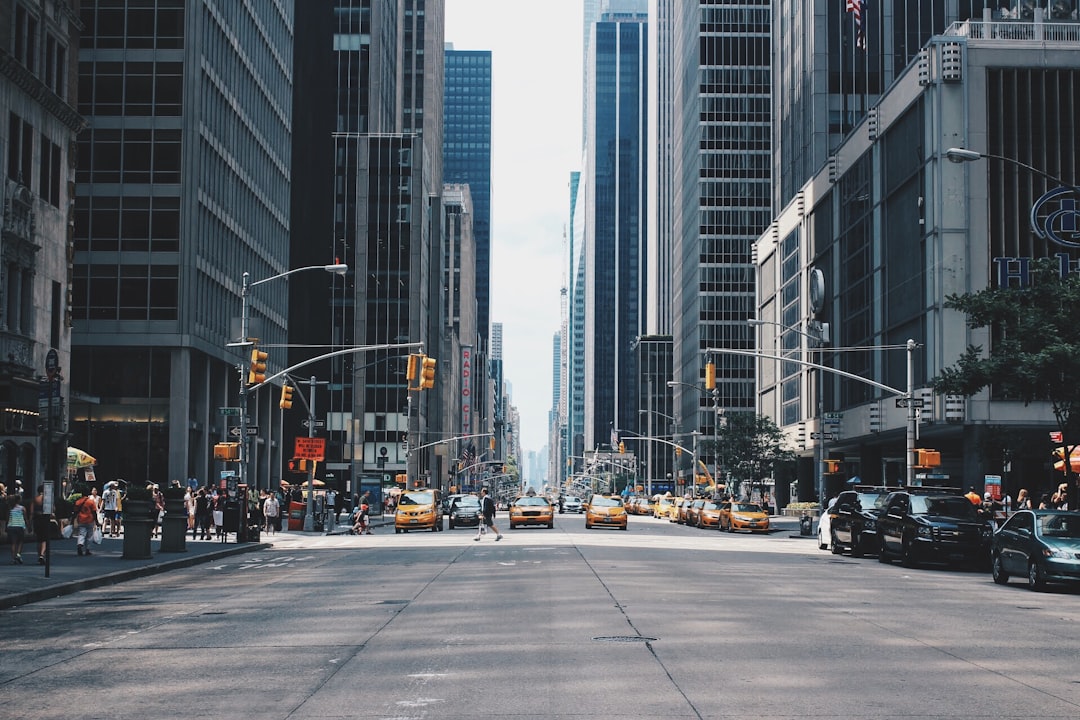
The sprawling metropolises that define our modern world are far more than just collections of buildings and streets. They are intricate, dynamic ecosystems, humming with activity and driven by complex systems that often remain invisible to the casual observer. To truly understand the pulse of a city is to delve into these hidden mechanisms, to unveil the inner workings that allow millions to live, work, and thrive. This exploration takes us beyond the visible infrastructure and into the networks, flows, and decision-making processes that shape urban life.
The most immediate and palpable inner working of any city is the constant, intricate dance of human movement. From the morning commute to the evening crawl, the way people navigate their urban environments is a fundamental aspect of city function. This isn’t a chaotic scramble; rather, it’s a remarkably organized, albeit sometimes frustrating, system driven by infrastructure, technology, and human behavior.
The Arteries of the City: Transportation Networks
At the core of urban mobility lies the transportation network. These are the arteries through which the lifeblood of the city – its

Why Japan Can’t Build Another Tokyo
FAQs
What are the key components of a city’s infrastructure?
Cities are made up of various infrastructure components, including transportation systems (roads, public transit, airports), utilities (water, electricity, gas), communication networks (internet, phone lines), and public services (police, fire, healthcare).
How are city governments structured and organized?
City governments are typically organized with a mayor or city manager at the top, overseeing various departments such as public works, planning and zoning, finance, and public safety. City councils or boards often serve as the legislative body, making decisions and setting policies for the city.
What role do urban planners play in shaping cities?
Urban planners are responsible for designing and organizing the physical layout of cities, including land use, transportation systems, and public spaces. They work to create sustainable, functional, and aesthetically pleasing urban environments.
How do cities manage their budgets and finances?
Cities generate revenue through taxes, fees, and grants, which are used to fund public services, infrastructure projects, and administrative costs. City governments carefully manage their budgets to ensure financial stability and meet the needs of their residents.
What are some common challenges that cities face?
Cities often grapple with issues such as traffic congestion, affordable housing shortages, environmental sustainability, public safety concerns, and economic development. Addressing these challenges requires collaboration among city officials, community members, and various stakeholders.