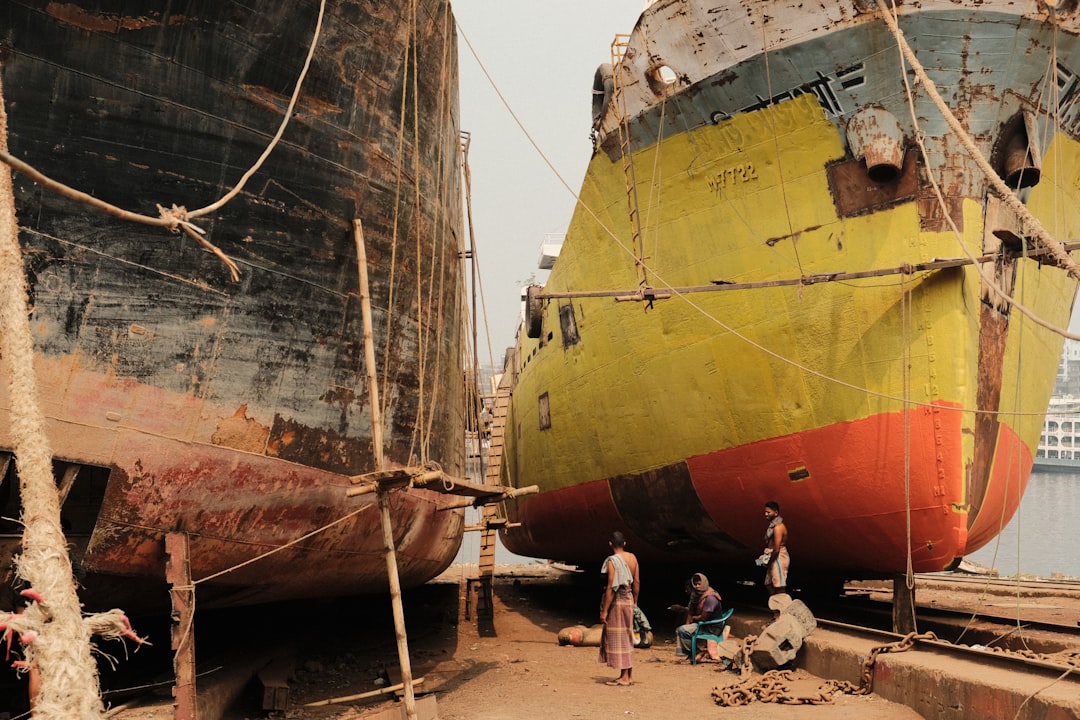
The colossal hulls of decommissioned cargo ships, once symbols of global trade and industrial might, eventually face a different kind of journey. This transition from active service to a final resting place is a complex and often overlooked industrial process known as ship dismantling, or more commonly, ship breaking. It’s a world of towering cranes, specialized labor, and significant environmental considerations, a far cry from the romanticized image of seafaring adventure. Understanding the ship dismantling process offers a glimpse into the practical realities of managing the lifecycle of these massive vessels, a necessary undertaking that balances economic imperatives with the need for responsible environmental stewardship. This article aims to unveil the intricate steps involved in transforming a steel leviathan into raw materials, highlighting the challenges, the technologies, and the evolving standards that govern this critical industry.
Before the first torch ignites or the first bolt is loosened, a meticulous preparatory phase ensures the dismantling process is safe, efficient, and compliant with international regulations. This stage is as crucial as the physical dismantling itself, laying the groundwork for every subsequent action.
Initial Assessment and Survey
The journey begins with a thorough assessment of the vessel. Experienced surveyors, often a team of naval architects, engineers, and environmental specialists, board the ship to conduct a comprehensive survey. This involves:
Structural Integrity Evaluation
They meticulously inspect the hull, superstructure, and internal compartments to understand the ship’s overall structural condition. This assessment dictates the methods and equipment that will be employed, particularly for heavily corroded or damaged sections. The presence of fatigue cracks, rust, and compromised bulkheads are all noted.
Hazardous Material Identification
A critical component of the survey is the identification and inventory of hazardous materials. Older ships, in particular, may contain asbestos in insulation, paints containing heavy metals like lead and cadmium, polychlorinated biphenyls (PCBs) in electrical equipment, and ozone-depleting substances in refrigeration systems. An accurate inventory is paramount for safe removal and disposal. This survey often involves sampling and laboratory analysis to confirm the presence and concentration of these substances.
Inventory of Valuable Components
Beyond hazardous materials, the survey also identifies components that can be salvaged and resold. This can include engines, generators, navigation equipment, winches, anchors, and even valuable metals like copper wiring. This inventory helps to offset the costs of dismantling and contributes to the circular economy.
Regulatory Compliance and Permitting
Ship dismantling is a heavily regulated industry, subject to international conventions and national laws. Before any work commences, the dismantling yard must secure all necessary permits and ensure compliance with:
International Maritime Organization (IMO) Regulations
The Hong Kong International Convention for the Safe and Environmentally Sound Recycling of Ships (the Hong Kong Convention) provides a framework for safe and environmentally sound ship recycling. While not universally ratified, its principles guide many dismantling operations. Compliance with the International Labour Organization (ILO) guidelines for occupational safety and health is also essential.
National and Local Environmental Laws
Each country where dismantling occurs has its own set of environmental regulations concerning waste disposal, emissions, and the protection of marine environments. This includes laws governing the handling of hazardous waste and the prevention of pollution from the dismantling activities.
Social Responsibility Standards
Increasingly, dismantling operations are held to social responsibility standards, ensuring fair labor practices, safe working conditions for employees, and the protection of local communities from the negative impacts of dismantling operations, such as noise and air pollution.
Site Selection and Preparation
The choice of dismantling yard is crucial. Ideal sites possess:
Suitable Docking Facilities
Deep-water ports with ample space for maneuvering large vessels and the presence of specialized dry docks or floating docks are essential. The capability to safely beach a vessel on a tidal shore is also a common practice, particularly in some regions.
Essential Infrastructure
The yard must have robust infrastructure including heavy-lift cranes, cutting equipment, welding machinery, material handling equipment, and facilities for storing and segregating salvaged materials and waste.
Environmental Management Systems
A well-equipped yard will have systems in place for managing wastewater, controlling airborne dust and emissions, and safely storing and transporting hazardous materials. This includes designated areas for decontamination and processing.
The cargo ship dismantling process is a critical aspect of maritime industry sustainability, addressing both environmental concerns and economic factors. For an in-depth exploration of this topic, you can refer to a related article that discusses the various methods and regulations involved in ship recycling. This article provides valuable insights into the challenges and innovations within the industry. To read more, visit this link.
The Decommissioning and Cleaning Process
Once the preparatory phase is complete and the vessel is berted at the dismantling yard, the next crucial stage involves rendering the ship safe for human entry and subsequent dismantling. This is a meticulous process of removing all substances that could pose a danger during the cutting and dismantling operations.
Tank Cleaning and Inerting
Fuel tanks, ballast tanks, and cargo holds are prime candidates for thorough cleaning and inerting. This is a critical safety measure to prevent explosions or fires.
Residual Fuel and Sludge Removal
Any remaining fuel, oil, or sludge is carefully pumped out and transferred to specialized containment facilities for proper disposal or recycling. This can be a challenging process, especially in older tanks where residue may be hardened.
High-Pressure Washing and Degreasing
Tanks are then subjected to rigorous high-pressure washing and degreasing processes to remove any remaining contaminants. This often involves the use of specialized cleaning agents.
Inerting Procedures
Following cleaning, tanks are often filled with an inert gas, such as nitrogen, to displace oxygen. This creates an atmosphere where flammable vapors cannot ignite, significantly reducing the risk of explosions during cutting operations. Gas monitoring equipment is used to ensure the oxygen levels remain below the threshold for combustion.
Removal of Hazardous Materials
This phase is paramount for environmental protection and worker safety, directly addressing the findings of the initial survey.
Asbestos Abatement
Asbestos-containing materials, often found in insulation, gaskets, and coatings, must be carefully removed by trained and certified professionals. This involves specialized personal protective equipment (PPE), containment procedures to prevent the spread of fibers, and meticulous disposal in designated hazardous waste facilities.
Paint and Coating Removal
Paints and coatings containing heavy metals like lead and cadmium are stripped using methods that minimize dust generation, such as wet abrasive blasting or chemical stripping. The removed materials are collected and managed as hazardous waste.
Electrical Equipment and PCB Removal
Older electrical equipment may contain PCBs. These components are carefully removed and processed according to strict regulations for hazardous waste management. Cooling systems containing ozone-depleting substances are also decommissioned and their contents safely recovered.
De-oiling of Machinery and Systems
All machinery, piping systems, and hydraulic equipment are drained of residual oils, lubricants, and hydraulic fluids. These fluids are collected and sent for appropriate treatment or disposal. This prevents environmental contamination during the dismantling process and allows for the recovery of some valuable materials.
The Dismantling Stages: From Hull to Scrap
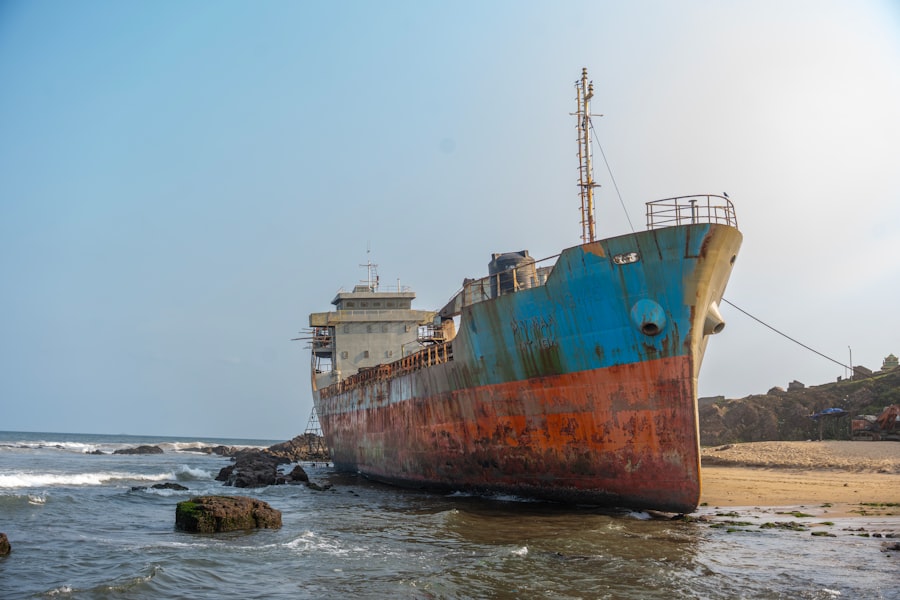
With the vessel safely decommissioned and cleaned, the physical dismantling process begins. This is a highly skilled operation that employs a variety of techniques and heavy machinery to systematically break down the ship.
Stripping of Non-Structural Components
The initial phase involves the removal of all non-structural elements, allowing for better access to the ship’s core structure.
Removal of Superstructure and Deck Fittings
The bridge, accommodation blocks, funnels, cranes, and other deck fittings are dismantled. This often involves cutting through bolted connections and welding seams.
Interior Outfitting Removal
Furniture, galley equipment, cabins, piping, and electrical cables are removed from the interior spaces. This material is sorted for potential resale or recycling.
Machinery Extraction
Main engines, generators, auxiliary machinery, and propellers are carefully extracted. This is a complex operation requiring specialized lifting equipment and precise maneuvering. These large components are often sold as is for reuse or further refurbishment.
Hull Cutting and Sectioning
The main hull structure is the most significant part of the dismantling process. It is typically cut into manageable sections for easier handling and transportation to the processing facilities.
Methodologies for Cutting
- Oxy-fuel Cutting (Flame Cutting): This is the most common method, utilizing a torch that burns acetylene or propane with pure oxygen. The intense heat melts the steel, allowing it to be cut. Operators must be highly skilled to make precise cuts and avoid compromising structural integrity of salvaged sections.
- Plasma Cutting: For thinner materials or more intricate cuts, plasma cutters offer a faster and cleaner alternative. They use an electric arc to ionize gas, creating a hot plasma stream that melts and severs the metal.
- Demolition Saws: Large hydraulic saws can be used for cutting through thicker sections or for specific demolition tasks.
Strategic Sectioning
The hull is strategically sectioned based on the capabilities of the dismantling yard’s lifting equipment and the capacity of the subsequent metal processing facilities. Sections are often cut into pieces that can be loaded onto barges or trucks. This requires careful planning to ensure balance and stability during cutting.
Material Segregation and Sorting
As the ship is dismantled, immediate segregation and sorting of materials are crucial for efficient recycling and waste management.
Ferrous Metals
Steel from the hull and superstructure is the primary product. It is segregated by type and quality, with different grades of steel being destined for different recycling processes.
Non-Ferrous Metals
Copper wiring, aluminum components, and other non-ferrous metals are meticulously collected and segregated due to their higher scrap value and distinct recycling requirements.
Plastics and Composites
These materials, where present, are sorted for specialized recycling streams.
Waste Disposal
Any remaining non-recyclable waste, after all salvageable materials have been extracted, is disposed of in accordance with environmental regulations.
Advanced Technologies and Safety Measures in Modern Ship Dismantling
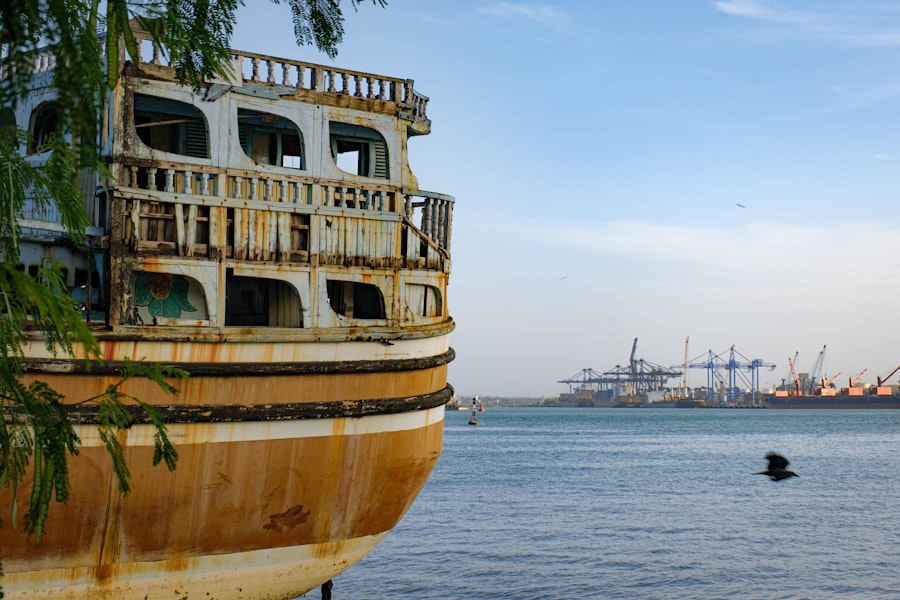
The ship dismantling industry is constantly evolving, with new technologies being adopted to enhance efficiency, safety, and environmental performance. Modern dismantling yards are moving away from the dangerous and environmentally damaging practices of the past.
Robotic Cutting and Automation
The introduction of robotic cutting systems and automated machinery is revolutionizing the dismantling process.
Precision Cutting
Robotic arms equipped with plasma or oxy-fuel torches can perform highly precise cuts, reducing material waste and improving the quality of salvaged steel.
Hazardous Area Operations
Robots can operate in confined spaces or areas with residual hazardous substances, significantly reducing the risk to human workers. This is particularly beneficial in the early stages of dismantling where risks are highest.
Increased Efficiency
Automation allows for continuous operation and faster dismantling times, leading to improved productivity.
Environmental Monitoring and Control Systems
State-of-the-art dismantling yards implement comprehensive environmental monitoring and control systems to minimize their ecological footprint.
Air Quality Monitoring
Sensors continuously monitor airborne dust, particulate matter, and emissions, ensuring compliance with air quality standards. Extraction systems and water misting are employed to suppress dust.
Water Management
Wastewater from cleaning and dismantling operations is collected, treated, and often recycled to minimize water usage and prevent pollution of surrounding waterways.
Hazardous Waste Management Systems
Sophisticated systems are in place for the safe containment, storage, and transportation of hazardous waste, ensuring compliance with international regulations.
Advanced Safety Protocols and Training
Worker safety remains a top priority. Modern dismantling operations adhere to stringent safety protocols and invest heavily in training.
Comprehensive Risk Assessments
Detailed risk assessments are conducted for every stage of the dismantling process, identifying potential hazards and implementing mitigation strategies.
Specialized Personal Protective Equipment (PPE)
Workers are equipped with advanced PPE, including respirators, protective suits, safety harnesses, and specialized footwear.
Regular Safety Audits and Drills
Frequent safety audits and emergency response drills are conducted to ensure preparedness and reinforce safety awareness among the workforce.
Competency-Based Training Programs
Workers undergo rigorous training programs to develop the specific skills and knowledge required for safe and efficient ship dismantling. This includes certification for specialized tasks.
The cargo ship dismantling process is a complex and often environmentally challenging endeavor that requires careful planning and execution. For those interested in exploring this topic further, a related article provides valuable insights into the various methods and regulations surrounding ship recycling. You can read more about it in this informative piece on the subject, which highlights the importance of sustainable practices in the industry. For more details, check out the article here.
The Environmental and Economic Impact of Ship Dismantling
| Stage | Metrics |
|---|---|
| Preparation | Number of workers involved |
| Dismantling | Weight of scrap metal recovered |
| Recycling | Percentage of materials recycled |
| Environmental Impact | Amount of hazardous materials disposed |
Ship dismantling, when conducted responsibly, plays a vital role in the global economy and the drive towards a circular economy. However, its environmental implications necessitate careful management.
Contribution to the Circular Economy
The vast quantities of steel and other materials recovered from decommissioned ships are a significant resource for the steel industry and other manufacturing sectors.
Steel Recycling
The primary output of ship dismantling is recycled steel, which is a crucial raw material for new construction, infrastructure projects, and the production of various manufactured goods. This reduces the demand for virgin ore extraction.
Salvage of Valuable Components
Engines, generators, navigation equipment, and other machinery can be refurbished and reused, extending their lifespan and reducing the need for new manufacturing.
Reduction of End-of-Life Waste
By dismantling ships, a significant volume of bulky and potentially polluting waste is prevented from simply being abandoned or improperly disposed of.
Environmental Challenges and Mitigation Strategies
Despite advancements, ship dismantling can pose environmental risks if not managed properly.
Pollution from Hazardous Materials
Improper handling of asbestos, heavy metals, and oils can lead to soil and water contamination. Strict adherence to regulations, thorough cleaning, and certified hazardous waste disposal are crucial mitigation measures.
Air and Noise Pollution
Cutting operations can generate significant dust and noise. Dust suppression techniques, enclosed work areas, and scheduled work times help to minimize these impacts.
Impact on Marine Ecosystems
Dismantling activities near coastal areas can pose risks to marine life if not carefully managed. Strict environmental permits and monitoring are essential to protect sensitive ecosystems.
Socio-Economic Considerations
Ship dismantling is a labor-intensive industry that provides employment in many regions.
Job Creation
The process creates numerous jobs, from skilled welders and engineers to material handlers and administrative staff.
Economic Contribution
The sale of scrap metal and salvaged components contributes significantly to the local and national economies.
Ethical Considerations and Responsible Recycling
The ethical dimension of ship dismantling is increasingly under scrutiny. Ensuring safe working conditions, fair wages, and environmentally sound practices are paramount. The push for certification and adherence to international conventions like the Hong Kong Convention highlights a global commitment to responsible ship recycling. The industry is moving towards greater transparency and accountability, recognizing that the final journey of a ship must be as safe and environmentally conscious as its working life.

The Beaches Global Trade Can’t Afford to Lose
FAQs
What is the cargo ship dismantling process?
The cargo ship dismantling process refers to the systematic breaking down of a cargo ship at the end of its operational life. This process involves the removal and recycling of various components and materials from the ship.
What are the steps involved in the cargo ship dismantling process?
The cargo ship dismantling process typically involves several key steps, including pre-cleaning and draining of hazardous materials, removal of equipment and machinery, cutting and dismantling of the ship’s structure, and recycling of materials such as steel, aluminum, and other metals.
What are the environmental and safety considerations in cargo ship dismantling?
Cargo ship dismantling can pose environmental and safety risks due to the presence of hazardous materials such as asbestos, lead, and other toxic substances. Proper handling, disposal, and recycling of these materials are essential to minimize environmental impact and protect the health and safety of workers involved in the dismantling process.
Where does the cargo ship dismantling process take place?
Cargo ship dismantling often takes place in specialized shipbreaking yards located in various parts of the world, including countries such as India, Bangladesh, Pakistan, and Turkey. These yards are equipped to handle the dismantling process and ensure proper disposal and recycling of materials.
What are the regulations and guidelines governing cargo ship dismantling?
There are international regulations and guidelines, such as the Hong Kong International Convention for the Safe and Environmentally Sound Recycling of Ships, as well as national regulations, that govern the cargo ship dismantling process. These regulations aim to ensure safe and environmentally responsible dismantling practices.