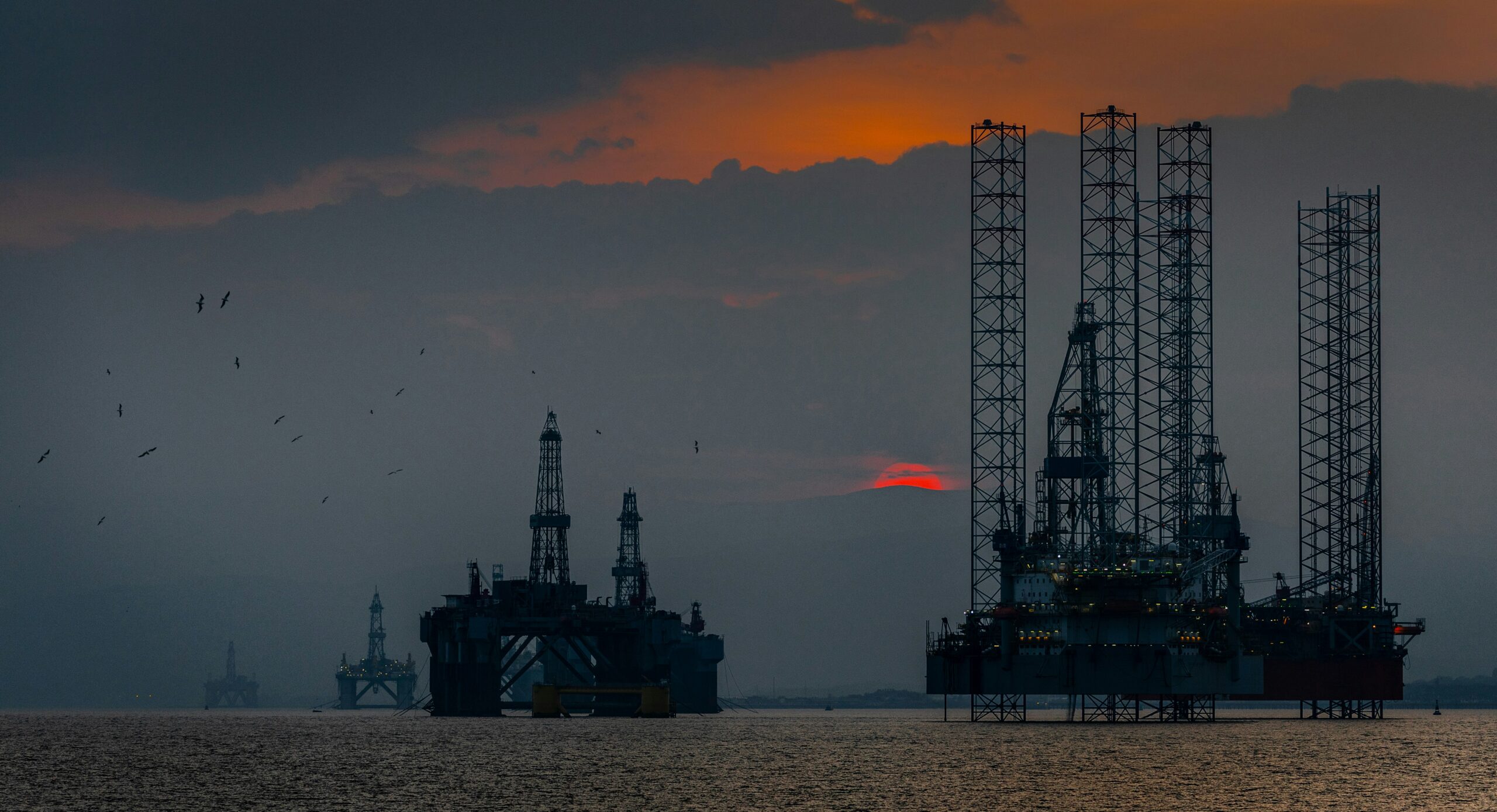
The vast, often unforgiving expanse of the North Sea holds a hidden world beneath its surface, a realm of engineering marvels and intricate operations that fuel economies and power nations. For decades, colossal structures have stood sentinel, extracting the precious black gold that has shaped modern industrial society. These are the North Sea oil rigs, complex self-contained ecosystems designed to withstand the harshest conditions while performing a vital, albeit often unseen, task. This article aims to unveil these giants, providing a comprehensive explanation of their purpose, design, operation, and the enduring impact they have on both the environment and the economies they serve.
The discovery of significant hydrocarbon reserves in the North Sea in the late 1960s marked a pivotal moment in global energy production. Previously considered a relatively barren expanse, the seabed of this notoriously turbulent sea revealed itself to be a treasure trove of oil and natural gas. This revelation spurred a rapid and intense period of exploration and development, a race against time and the elements to tap into these newfound riches.
Early Discoveries and the Spark of Innovation
The initial explorations were driven by advances in seismic surveying technology and a growing understanding of offshore drilling techniques. Companies, primarily from Norway, the United Kingdom, the Netherlands, and Denmark, pooled resources and expertise. The Groningen gas field in the Netherlands, discovered in 1959, provided crucial early insights into the geological formations of the region. However, it was the discovery of the Ekofisk oil field by Phillips Petroleum in 1969 that truly ignited the North Sea oil rush, signaling the immense potential lying beneath the waves. This discovery prompted a surge of investment and a rapid expansion of offshore capabilities.
The Geopolitical Landscape and Economic Imperative
The geopolitical implications of these discoveries were profound. For many European nations, particularly the UK and Norway, access to domestic oil and gas reserves offered a pathway to energy independence, reducing reliance on less stable international suppliers. The economic benefits were equally compelling, promising substantial revenue streams, job creation, and the development of new industries. The North Sea became a focal point of national ambition and economic strategy, driving a relentless pursuit of these valuable resources.
For those interested in a deeper understanding of the complexities surrounding North Sea oil rigs, a related article can be found at this link. This resource provides valuable insights into the operational challenges, environmental considerations, and technological advancements associated with offshore drilling in the North Sea, making it a great complement to the information about oil rigs.
The Anatomy of a North Sea Oil Rig: Engineering Marvels in Motion
North Sea oil rigs are not monolithic structures; they are diverse, highly specialized engineering platforms, each designed to meet the unique challenges of its specific location and the nature of the reservoir it exploits. Their construction and operation represent a pinnacle of human ingenuity and technological prowess.
Types of Offshore Platforms: Adaptability to the Environment
The evolution of offshore drilling technology has led to a variety of platform designs, each with its own advantages and applications. The harsh conditions of the North Sea – including strong currents, high winds, and towering waves – have necessitated the development of robust and adaptable structures.
Fixed Platforms: The Stalwarts of the Shallow Waters
Fixed platforms are the most traditional and robust type, anchored directly to the seabed. They are typically constructed from steel or concrete and are used in shallower waters where they can be economically and safely installed. These platforms are essentially vertical structures, with legs or a jacket extending down to the seafloor. They provide a stable base for drilling, production, and accommodation facilities.
Jacket Platforms: Steel Frameworks for Stability
Jacket platforms consist of a steel lattice structure that is lowered onto the seabed and then secured with piles. This design is favored for its strength and ability to withstand significant lateral forces from waves and currents. The jacket supports the topside facilities, which house all the necessary equipment for extracting and processing oil and gas.
Gravity-Based Structures (GBS): Immense Concrete Foundations
Gravity-based structures, often made of reinforced concrete, are massive caissons that rest on the seabed, their immense weight providing stability. They are particularly well-suited for areas with soft seabed conditions. GBS platforms can be designed to store hydrocarbons, offering an integrated approach to production and storage.
Floating Platforms: Navigating Deeper Waters and Mobilizing Resources
As exploration moved into deeper waters, floating platforms became essential. These structures are not fixed to the seabed but are moored in place, offering greater flexibility and the ability to operate in areas where fixed platforms are not feasible.
Tension Leg Platforms (TLPs): Anchored by Tensioned Tendons
Tension leg platforms are characterized by vertical tendons that connect the platform to the seabed. These tendons are kept in constant tension, which limits the vertical movement of the platform and provides significant stability, even in rough seas. TLPs are well-suited for deepwater fields and offer a more stable platform than traditional semi-submersibles.
Semi-Submersible Platforms: Buoyant Stability for Exploration and Production
Semi-submersibles are the workhorses of exploration and early production in deeper waters. They consist of pontoons submerged beneath the surface, providing buoyancy, and vertical columns that support the main deck. This design offers excellent stability by minimizing the impact of surface waves. They can be moved from one location to another, making them ideal for exploration campaigns and for developing smaller, isolated fields.
Spar Platforms: Vertical Cylinders for Deepwater Resilience
Spar platforms are characterized by a large, cylindrical hull that is moored to the seabed. The majority of the hull is submerged, providing exceptional stability. The deck is supported by a relatively small surface area, minimizing exposure to wave action. Spars are particularly effective in ultra-deepwater environments.
The Topsides: A City in the Sky
The topside facilities of an oil rig are where the actual magic happens. This is a complex assembly of equipment designed to drill, extract, process, and prepare the hydrocarbons for transport. It’s a self-contained city, supporting hundreds of workers in a remote and demanding environment.
Drilling Equipment: The Gateway to the Reservoir
At the heart of any exploration rig is its drilling apparatus. This includes the derrick, drawworks, rotary table or top drive, drill string, and the drill bit itself. Sophisticated systems are in place to manage the enormous pressures and temperatures encountered deep within the earth.
Drilling Derricks and Drawworks: Lifting and Lowering the Drill String
The derrick is the towering structure that supports the drilling equipment. The drawworks are powerful winches that control the lifting and lowering of the drill string, a crucial operation that can involve thousands of meters of pipe.
Drill Bits and Drill String: Breaking Through Rock and Transporting Fluids
The drill bit, made of extremely hard materials, grinds its way through rock formations. The drill string, a series of connected pipes, transmits the rotational force from the surface to the bit and also serves as a conduit for drilling fluids.
Production Equipment: Extracting the Black Gold
Once a reservoir is confirmed, the rig transitions to production. This involves a suite of specialized equipment designed to extract the oil and gas from the well.
Christmas Trees: The Control Hub for Individual Wells
A “Christmas tree” is a complex assembly of valves and controls installed at the wellhead. It regulates the flow of oil and gas from the reservoir to the surface, ensuring safe and efficient production.
Separation and Processing Units: Refining the Raw Output
The raw hydrocarbons brought to the surface are a mixture of oil, gas, water, and sediment. Separation units use gravity, pressure, and temperature to separate these components. Further processing removes impurities and prepares the oil and gas for transport.
Accommodation and Support Facilities: Life on the Rig
Life on a North Sea oil rig is a unique experience. These are isolated, high-pressure environments that require comprehensive support for the personnel.
Living Quarters and Recreational Areas: Comfort and Well-being
Rig workers typically live in comfortable cabins and have access to communal dining areas, lounges, and recreational facilities to maintain morale and well-being during their rotations, which can last several weeks.
Helidecks and Supply Vessels: Essential Logistics Lifelines
Helidecks are critical for transporting personnel and essential supplies to and from the rig. Supply vessels are responsible for delivering bulk materials, equipment, and provisions, forming the vital logistical lifeline for these offshore operations.
The Intricate Dance of Operations: From Exploration to Decommissioning

Operating an oil rig in the North Sea is a continuous, multifaceted endeavor, involving a complex interplay of engineering, logistics, and human expertise. Every stage, from the initial search for hydrocarbons to the eventual dismantling of the structure, is carefully managed.
Exploration and Appraisal: The Hunt for Hydrocarbons
The initial phase of oil rig operations is the exploration for new reserves. This involves using sophisticated geological and geophysical techniques to identify potential hydrocarbon-bearing formations.
Seismic Surveys: Peering Beneath the Seabed
Seismic surveys use sound waves to map the subsurface geology. Ships emit sound pulses that travel through the water and rock, and the reflected waves are recorded by sensors. This data allows geophysicists to create detailed 3D images of the Earth’s crust, identifying potential traps for oil and gas.
Exploration Drilling: Proving the Presence of Reserves
Once promising targets are identified, exploration wells are drilled to confirm the presence of hydrocarbons. This is a high-risk, high-reward phase, as not all exploration wells yield commercial quantities of oil or gas.
Appraisal Drilling: Quantifying the Potential
If an exploration well proves successful, appraisal wells are drilled to determine the size and quality of the reservoir. This information is crucial for deciding whether to proceed with full-scale production.
Production and Maintenance: Sustaining the Flow
Once a commercial discovery is made, the rig transitions to the production phase, which involves extracting the hydrocarbons and maintaining the integrity of the equipment.
Well Management and Stimulation: Optimizing Extraction
The performance of individual wells is carefully monitored and managed. Techniques like hydraulic fracturing or acidizing may be employed to stimulate production from tighter formations, ensuring a consistent and efficient flow of hydrocarbons.
Routine Maintenance and Safety Inspections: Preventing Catastrophe
The harsh North Sea environment places immense stress on the rig’s structure and equipment. Routine maintenance, inspections, and rigorous safety protocols are paramount to prevent equipment failures and ensure the well-being of the crew. This includes regular checks of structural integrity, pipeline integrity, and safety systems.
Transportation and Storage: Getting the Product to Market
The extracted oil and gas need to be transported to shore for processing and distribution. This involves a sophisticated logistical network.
Subsea Pipelines: The Veins of the North Sea
The majority of oil and gas from North Sea fields is transported to shore via a network of subsea pipelines. These are massive engineering feats, laid on the seabed and designed to withstand immense pressure and corrosive conditions.
Tankers and Shuttle Systems: Flexible Delivery Options
In some cases, especially for smaller or more remote fields, oil is transported to shore via specialized shuttle tankers. These vessels load directly from the production platform and ferry the cargo to onshore terminals.
Decommissioning: The End of an Era
When a field is depleted, the oil rig must be decommissioned. This is a complex and environmentally sensitive process, involving the safe removal of the structure from the seabed.
Removal and Recycling: Responsible Asset Management
The process of decommissioning can involve cutting up large sections of the rig and transporting them to shore for recycling. Some parts, particularly concrete structures, may be left in situ if deemed safe and environmentally acceptable.
Site Remediation: Restoring the Marine Environment
Efforts are made to remediate the seabed after decommissioning, minimizing the environmental impact of the former rig’s presence.
The Human Element: Life and Work on the Rig

The operation of North Sea oil rigs is a testament to the dedication and expertise of the thousands of individuals who work offshore. Their lives are defined by a unique blend of challenging work, camaraderie, and extended periods away from home.
The Workforce: A Diverse and Skilled Crew
The crew of an oil rig is a highly specialized and diverse group. It includes roustabouts who perform general labor, derrickhands who work on the drilling floor, toolpushers who supervise drilling operations, engineers who maintain the complex machinery, geologists who interpret subsurface data, and many more.
Rotations and Schedules: The Offshore Lifestyle
Most North Sea rig workers operate on a rotational schedule, typically working for two weeks on and two weeks off, or longer periods depending on the operation. This means extended periods away from family and friends, followed by concentrated time at home.
Training and Safety Culture: A Non-Negotiable Priority
Given the inherent risks of working offshore, training and safety are paramount. Rig workers undergo extensive training in emergency procedures, hazard recognition, and safe work practices. A strong safety culture is ingrained in every aspect of rig operations.
The Challenges of Offshore Life: Isolation and Intensity
Life on a rig is not without its challenges. The isolation from the mainland, the demanding nature of the work, and the constant need for vigilance can take a toll.
Psychological Impact of Isolation: Maintaining Mental Well-being
The extended periods away from home and the confined living spaces can present psychological challenges. Rig operators often provide support services and encourage the development of strong social bonds within the crew to mitigate these effects.
The Ever-Present Risk: Safety as a Paramount Concern
The North Sea is a formidable environment, and the potential for accidents, however small the probability, is always present. A robust safety management system, continuous training, and a proactive approach to risk assessment are essential for ensuring the well-being of the crew.
The complexities of North Sea oil rigs are fascinating, and for those looking to delve deeper into this topic, a related article can provide valuable insights. You can explore the intricacies of offshore drilling and its environmental impacts in this informative piece. For more details, check out the article on MyGeoQuest, where you’ll find a comprehensive overview of the technologies and challenges associated with these massive structures.
Environmental Considerations and the Future of North Sea Oil
| Category | Metrics |
|---|---|
| Number of Oil Rigs | There are approximately 184 oil rigs in the North Sea. |
| Oil Production | The North Sea oil rigs produce around 1.7 million barrels of oil per day. |
| Gas Production | They also produce around 6.2 billion cubic feet of natural gas per day. |
| Employment | It is estimated that the North Sea oil rigs employ around 330,000 people directly and indirectly. |
The extraction of North Sea oil has always been accompanied by environmental scrutiny. While the industry has made significant strides in mitigating its impact, the legacy of past operations and the ongoing challenges of climate change necessitate a continued focus on sustainability.
Environmental Impact and Mitigation Efforts: A Balancing Act
The potential environmental impacts of oil and gas operations include oil spills, habitat disruption, and greenhouse gas emissions. The industry has implemented stringent regulations and technologies to minimize these risks.
Oil Spill Prevention and Response: Preparedness is Key
The prevention of oil spills is the primary focus, with robust containment systems and strict operational procedures. In the event of a spill, comprehensive response plans and specialized equipment are in place to mitigate the damage.
Emissions Control and Waste Management: Reducing the Footprint
Efforts are made to reduce greenhouse gas emissions from offshore operations through improved efficiency and the capture of associated gas. Responsible waste management practices are also crucial to prevent pollution of the marine environment.
The Transition to Renewables: A Changing Landscape
As the world transitions towards cleaner energy sources, the role of North Sea oil and gas is evolving. The infrastructure and expertise developed for offshore hydrocarbon extraction are increasingly being repurposed for renewable energy projects.
Offshore Wind Power: Leveraging Existing Expertise
The North Sea is a prime location for offshore wind farms. The engineering and logistical knowledge gained from oil and gas operations are directly transferable to the development and maintenance of these wind installations.
Carbon Capture and Storage (CCS): A Potential Future Role
Carbon capture and storage (CCS) technologies are being explored as a means to mitigate the emissions from remaining fossil fuel operations. The geological formations beneath the North Sea are being investigated as potential sites for storing captured carbon dioxide.
The North Sea oil rigs stand as powerful symbols of human ingenuity and industrial progress. They are not merely platforms for resource extraction but complex ecosystems that have shaped economies, fostered technological innovation, and provided livelihoods for generations. As the world navigates the complexities of energy transition, the legacy and future of these offshore giants will undoubtedly continue to evolve, reflecting the ongoing quest for sustainable energy solutions.

The Dangerous Sea Europe Can’t Live Without
FAQs
What are North Sea oil rigs?
North Sea oil rigs are large structures used for the exploration and extraction of oil and natural gas from beneath the seabed of the North Sea. These rigs are typically located in waters off the coasts of Norway, Denmark, the United Kingdom, Germany, and the Netherlands.
How do North Sea oil rigs work?
North Sea oil rigs use a combination of drilling equipment, platforms, and pipelines to extract oil and natural gas from beneath the seabed. The process involves drilling wells into the seabed, extracting the oil and gas, and then transporting it to onshore facilities for processing and distribution.
What are the environmental impacts of North Sea oil rigs?
The operation of North Sea oil rigs can have environmental impacts, including the potential for oil spills, disruption to marine ecosystems, and greenhouse gas emissions. However, the industry has implemented measures to mitigate these impacts, such as improved technology and stricter regulations.
How long have North Sea oil rigs been in operation?
The first North Sea oil rig was installed in 1965, marking the beginning of offshore oil and gas production in the region. Since then, the North Sea has become one of the most important oil and gas producing areas in the world.
What is the future of North Sea oil rigs?
The future of North Sea oil rigs is uncertain, as the industry faces challenges such as declining reserves, aging infrastructure, and the transition to renewable energy sources. However, efforts are being made to extend the life of existing rigs and to explore new technologies for oil and gas extraction in the region.