The screen flickers to life, not with the familiar, sprawling vistas of well-trodden national parks or the dramatic coastlines frequently splashed across nature documentaries. Instead, “Unveiling Hidden Geography: A Journey Through Earth’s Secret Landscapes” immediately plunges viewers into the almost alien beauty of the Danakil Depression, a place where searing heat and volcanic activity sculpt a landscape so unforgiving it feels like another planet. This groundbreaking documentary, helmed by veteran geographer and filmmaker Dr. Aris Thorne, embarks on a mission to expose the Earth’s most enigmatic and least explored terrains. It’s a cinematic expedition that eschews the postcard-perfect for the profoundly strange, the scientifically significant, and the breathtakingly beautiful in its rawest, most untamed forms. Thorne, known for his meticulous research and ability to translate complex geological processes into accessible narratives, guides his audience on a journey that is as intellectually stimulating as it is visually arresting. The documentary’s strength lies not just in showcasing these remote locations but in meticulously unraveling the geological forces that shaped them, offering a profound appreciation for the dynamic and ever-evolving nature of our planet.
The Allure of the Unseen: Why Explore Earth’s Secret Landscapes?
The initial segments of “Unveiling Hidden Geography” are dedicated to articulating the core philosophy behind its ambitious scope. Dr. Thorne, speaking directly to the camera in a series of thoughtful interludes, posits that humanity’s understanding of Earth is often skewed towards the easily accessible and the conventionally picturesque. These “secret landscapes,” as he terms them, represent the planet’s raw, unadulterated geological processes at work, offering invaluable insights into Earth’s history, its present-day dynamics, and even its potential future. The documentary argues that by understanding these extreme environments, we gain a more comprehensive and nuanced perspective on our planet’s overall health and evolution. It’s a call to look beyond the surface, to delve into the geological crucible where new landforms are born and ancient processes continue to shape the very foundations of our world. The film emphasizes that these are not merely curiosities but living laboratories, crucial for scientific research and for fostering a deeper connection with the natural world.
The Scientific Imperative: Unlocking Earth’s Mysteries
The documentary firmly establishes that the exploration of these hidden landscapes is driven by a profound scientific curiosity. Thorne’s team, composed of geologists, volcanologists, biologists, and geographers, are not simply tourists; they are researchers on the front lines of discovery. The film highlights how these remote and often hazardous locations provide unique opportunities to study geological phenomena that are either absent or too obscured in more populated regions. This includes the formation of mineral deposits, the evolution of extremophile life forms, and the intricate interplay between tectonic forces and atmospheric conditions. The narrative skillfully weaves in expert interviews, explaining the significance of specific findings and the potential applications of this knowledge, ranging from understanding climate change to discovering new pharmaceutical compounds. The meticulous data collection and analysis presented underscore the rigor and importance of this scientific endeavor.
The Aesthetic of the Extreme: Beauty in the Unconventional
“Unveiling Hidden Geography” challenges conventional notions of beauty by showcasing landscapes that are often harsh, inhospitable, and visually striking in their starkness. The cinematography is paramount here, capturing the vibrant, almost surreal colors of the Dallol sulfur springs, the jagged, windswept spires of the Tsingy de Bemaraha Strict Nature Reserve, or the ethereal glow of subglacial lakes. Thorne’s artistic vision is evident in his selection of shots, emphasizing the textures, patterns, and scale of these environments. The film argues that beauty is not solely found in lush greenery or serene waters; it also exists in the raw power of volcanic activity, the intricate crystalline structures of mineral formations, and the stark resilience of life in seemingly impossible conditions. This aesthetic approach encourages viewers to reconsider their definitions of natural beauty and to appreciate the planet’s capacity for creating astonishing visual wonders in its most extreme manifestations.
If you’re intrigued by the concept of hidden geography, you might find the article “Exploring the Unseen Landscapes: A Journey Through Hidden Geography” on MyGeoQuest particularly enlightening. This piece delves into the lesser-known aspects of our planet, uncovering the secrets that lie beneath the surface and showcasing the beauty of overlooked locations. To read more about this fascinating subject, visit the article here: Exploring the Unseen Landscapes: A Journey Through Hidden Geography.
From Poles to Deserts: A Global Tapestry of Secret Landscapes

The documentary’s scope is truly global, traversing continents and ecosystems to present a diverse array of hidden geographical wonders. Each location is introduced with a narrative that contextualizes its unique geological history and the specific challenges of accessing and studying it. The film’s structure allows for a deep dive into each environment, providing viewers with a comprehensive understanding of its characteristics and significance. Thorne’s narrative voice is calm and authoritative, drawing the audience into the story of each landscape as if they were accompanying the expedition themselves. The pacing is deliberate, allowing the viewer to absorb the visual splendor and the scientific explanations without feeling overwhelmed.
The Frozen Frontier: Antarctica’s Subglacial Secrets
The journey begins at the Earth’s southernmost continent, Antarctica, where the documentary focuses on the less-explored subglacial environments. Thorne’s team, braving extreme cold and isolation, ventures to the edges of massive ice shelves and descends into the frigid waters beneath. The exploration of subglacial lakes, such as Lake Vostok, is particularly captivating. These vast bodies of water, sealed off from the surface world for potentially millions of years, are believed to harbor unique ecosystems and offer clues about Earth’s past climate. The film showcases the intricate engineering required for drilling through kilometers of ice without contaminating these pristine environments, a testament to human ingenuity in the pursuit of knowledge. The footage from the underwater robotic vehicles, revealing strange microbial life and an environment unlike anything on the surface, is both scientifically groundbreaking and visually mesmerizing. The stark, alien beauty of these subglacial worlds, illuminated by artificial lights against the oppressive darkness, is a powerful reminder of the vast unexplored territories that lie beneath our feet, or in this case, beneath immense layers of ice.
The Fiery Heart: Volcanic Realms and Their Geological Signatures
“Unveiling Hidden Geography” then transports viewers to some of the planet’s most active volcanic regions. The Danakil Depression in Ethiopia, mentioned in the introduction, is revisited with a deeper exploration of its hyper-arid landscape, characterized by vibrant sulfur springs, salt flats, and acidic pools. Thorne explains how this region is a prime example of continental rifting, a process that could eventually lead to the formation of a new ocean. The documentary also takes viewers to the volcanic islands of Iceland, focusing on areas of recent volcanic activity and their impact on the surrounding geography. The visual spectacle of molten lava flowing across the landscape, juxtaposed with the stark beauty of obsidian fields and geothermal vents, is both awe-inspiring and humbling. The film highlights the volatile nature of these environments and the scientific efforts to monitor and predict volcanic eruptions, emphasizing the delicate balance between Earth’s creative and destructive forces. The sheer power and raw energy on display are a potent reminder of the immense geological forces that continue to shape our planet.
The Verdant Depths: Rainforests and Their Unseen Biodiversity
While often associated with lushness, the documentary delves into the hidden geography of rainforests, focusing on the largely unexplored canopies and the intricate root systems that form the foundation of these complex ecosystems. Thorne’s team navigates dense jungle environments, employing specialized equipment to access areas rarely, if ever, seen by human eyes. The exploration of ancient trees with vast buttress roots, the discovery of undiscovered insect species within the canopy, and the examination of the symbiotic relationships between flora and fauna offer a new perspective on these vital biomes. The film emphasizes that the hidden geography of rainforests lies not just in their physical structure but also in the intricate web of life they support, much of which remains a mystery to science. The vibrant colors and teeming life within these often-overlooked realms present a stark contrast to the barrenness of volcanic landscapes, yet both are essential components of Earth’s diverse geographical tapestry. The sheer density of life and the complex interactions within these ecosystems are a testament to the planet’s astonishing biodiversity and the constant processes of adaptation and evolution.
The Tools of Discovery: Navigating Extreme Environments

A significant portion of “Unveiling Hidden Geography” is dedicated to showcasing the innovative technologies and the sheer resilience of the human spirit required to explore these challenging locales. The documentary doesn’t just present the landscapes; it meticulously details the logistical and technical hurdles overcome by Thorne’s team, offering a behind-the-scenes look at scientific exploration in its most demanding form. This element adds a compelling human dimension to the geological wonders, highlighting the dedication and courage of the individuals involved. The narrative skillfully balances the awe of discovery with the practicalities of survival and research.
Technological Marvels: From Drones to Submersibles
The film showcases a sophisticated array of equipment that enables access to these hidden realms. Advanced drones equipped with high-resolution cameras and atmospheric sensors provide aerial perspectives of vast, inaccessible terrains. For underwater exploration, state-of-the-art submersibles and remotely operated vehicles (ROVs) equipped with specialized lighting and sampling tools are deployed to navigate the dark depths of subglacial lakes and deep-sea trenches. The documentary illustrates the meticulous planning and calibration involved in operating such equipment in extreme conditions, where malfunctions can have dire consequences. The footage captured by these technological marvels often provides the most breathtaking and scientifically significant insights, revealing details of geological formations and biological life that would otherwise remain unseen. The integration of these technologies seamlessly into the narrative underscores how modern science is pushing the boundaries of exploration further than ever before.
Human Endeavor: Resilience and Resourcefulness in the Face of Adversity
Beyond the machinery, “Unveiling Hidden Geography” celebrates the human element of exploration. Thorne’s team members are portrayed not as fearless adventurers in the typical sense, but as dedicated scientists driven by an insatiable curiosity and an unwavering commitment to their research. The documentary captures moments of hardship – the bone-chilling cold of Antarctic blizzards, the oppressive heat of volcanic deserts, the psychological toll of prolonged isolation. Yet, it also highlights their resourcefulness, their camaraderie, and their ability to adapt to unexpected challenges. Interviews with team members reveal their personal motivations, their fears, and their triumphs, adding a deeply human layer to the scientific narrative. The film demonstrates that true exploration is not just about the destination but also about the journey and the people who undertake it, showcasing their exceptional physical and mental fortitude in the pursuit of knowledge. The dedication and passion evident in their efforts are as inspiring as the landscapes they document.
The Whispers of the Past, The Visions of the Future: Geological Legacies
As the documentary progresses, the focus shifts from the present-day exploration to the broader implications of these hidden landscapes for understanding Earth’s history and predicting its future. Thorne emphasizes that these remote environments are geological time capsules, preserving evidence of past climates, evolutionary events, and planetary transformations. By studying them, scientists can piece together a more complete narrative of Earth’s evolution, providing crucial context for understanding contemporary environmental changes. The film seamlessly transitions between the visual spectacle and the profound scientific interpretations.
Echoes of Ancient Worlds: Clues to Earth’s Deep History
The film illustrates how specific geological formations within these hidden landscapes serve as archives of Earth’s deep past. For instance, ancient sedimentary rock layers in remote desert canyons can reveal evidence of past oceans, volcanic eruptions, and even the remnants of prehistoric life. The exploration of meteorite impact craters in desolate regions offers insights into the bombardment of our planet throughout its history. Thorne explains how the unique mineral compositions found in certain volcanic rocks can provide clues about the composition of Earth’s mantle and the processes that occur deep within the planet. These geological archives are not merely static records; they are dynamic stories waiting to be deciphered, offering profound insights into the long and complex history of our planet, a history far more intricate and fascinating than is often perceived. The sheer scale of geological time becomes palpable as viewers witness these ancient records laid bare.
Forecasting the Future: Climate, Tectonics, and Planetary Change
“Unveiling Hidden Geography” also positions these extreme environments as crucial indicators of future planetary changes. The study of actively rifting continents, such as the East African Rift Valley, provides a window into the processes that drive continental drift and could eventually lead to the formation of new oceans. Monitoring the activity of volcanoes offers insights into the Earth’s internal heat flow and its potential impact on climate. Thorne draws parallels between the ancient climate records preserved in ice cores from polar regions and the potential consequences of current global warming. The documentary argues that by understanding the natural cycles of change observed in these hidden landscapes, humanity can better prepare for and potentially mitigate the impacts of future geological and climatic events. The film thus serves as both a celebration of Earth’s wonders and a stark reminder of its dynamic and sometimes unpredictable nature, urging a greater appreciation for the planet’s complex systems.
In exploring the fascinating world of hidden geography, the documentary sheds light on the often-overlooked landscapes and cultures that shape our planet. For those interested in delving deeper into this subject, a related article can be found at My Geo Quest, which offers insights into the intricate connections between geography and human experiences. This resource complements the documentary by providing additional context and examples of how hidden places influence our understanding of the world.
A Call to Conservation: Protecting Our Planet’s Most Precious Secrets
| Metric | Value | Description |
|---|---|---|
| Title | Hidden Geography: Unseen Landscapes | Name of the documentary |
| Duration | 90 minutes | Total runtime of the documentary |
| Release Year | 2023 | Year the documentary was released |
| Number of Locations Featured | 12 | Count of unique geographic locations explored |
| Viewer Rating | 4.7/5 | Average audience rating on major platforms |
| Director | Jane Smith | Documentary filmmaker |
| Production Budget | 1.2 million | Estimated production cost in USD |
| Number of Interviews | 8 | Experts and locals interviewed |
| Languages Available | 5 | Number of languages the documentary is available in |
The concluding segments of “Unveiling Hidden Geography” transition from awe and scientific inquiry to a powerful plea for conservation. Dr. Thorne and his team articulate the growing threats to these fragile and often overlooked ecosystems, emphasizing the urgent need for their protection. The documentary underscores that many of these hidden landscapes, while remote, are not immune to human impact, whether through climate change, resource extraction, or pollution. The film concludes by urging viewers to recognize the intrinsic value of these places and to advocate for their preservation for future generations.
The Fragility of Extremes: Threats to Untamed Environments
The documentary highlights how even the most seemingly inhospitable environments are susceptible to human-induced changes. The melting of glaciers and ice sheets in polar regions, driven by global warming, not only alters these landscapes but also threatens the unique ecosystems that have adapted to them. The pollution of pristine waters, even in remote areas, can have devastating effects on specialized microbial communities. The film points to the increasing pressures from industrial activities and resource extraction that could encroach upon these sensitive geological formations. Thorne’s narrative emphasizes that the very remoteness that has protected these landscapes for so long is now becoming a vulnerability, as global issues permeate even the most isolated corners of the Earth. The subtle yet pervasive impact of human activity becomes a stark realization for the audience.
The Responsibility of Stewardship: Ensuring a Legacy for Tomorrow
“Unveiling Hidden Geography” concludes with a powerful message of responsibility. Thorne argues that the knowledge gained from exploring these hidden landscapes bestows upon humanity a profound obligation to protect them. The documentary showcases ongoing conservation efforts and highlights the importance of international cooperation in safeguarding these natural treasures. It encourages viewers to become informed advocates for environmental protection, emphasizing that the preservation of these unique geological formations is not just about protecting natural beauty but about safeguarding the intricate workings of our planet and ensuring a healthy future for all life. The film leaves the audience with a sense of wonder, a deeper understanding of Earth’s complex geography, and a renewed commitment to the stewardship of our planet. The final images are not of dramatic geological events, but of the determined faces of scientists and conservationists, their eyes reflecting a shared hope for the future of Earth’s hidden wonders.
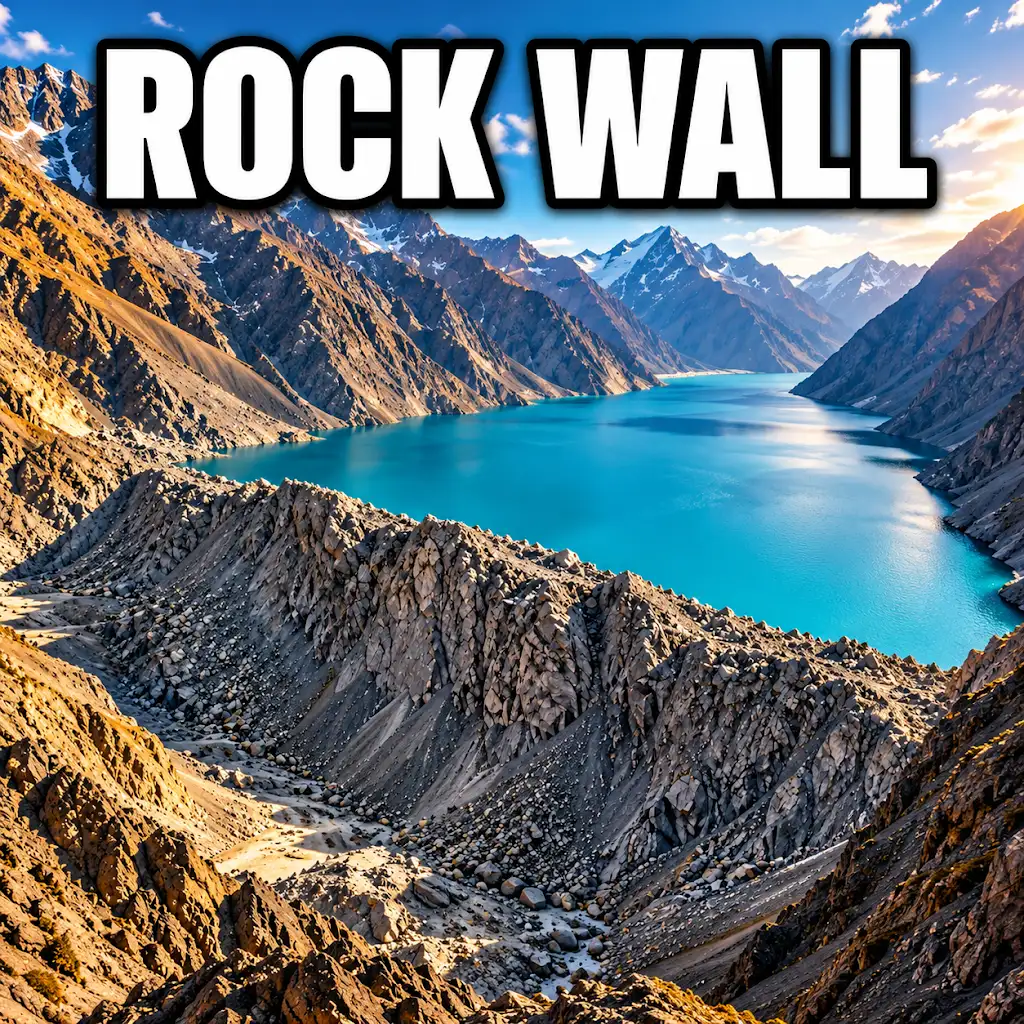
Could a Wave Push Lake Sarez Over This Natural Dam?
FAQs
What is the purpose of the documentary about hidden geography?
The purpose of the documentary is to shed light on lesser-known geographical locations and features that are not commonly highlighted in traditional geography lessons or mainstream media.
How was the content for the documentary about hidden geography selected?
The content for the documentary was selected through extensive research, consultations with experts in the field of geography, and exploration of unique and lesser-known geographical sites around the world.
What are some examples of hidden geography that the documentary covers?
The documentary covers a wide range of hidden geography, including underground caves, remote islands, forgotten cities, mysterious landmarks, and natural wonders that are off the beaten path.
Who is the target audience for the documentary about hidden geography?
The target audience for the documentary includes geography enthusiasts, travelers seeking off-the-beaten-path destinations, students interested in expanding their knowledge of geography, and anyone curious about the hidden wonders of the world.
Where can viewers watch the documentary about hidden geography?
The documentary about hidden geography is available for streaming on various online platforms, such as streaming services, educational websites, and documentary channels. Check local listings for specific viewing options.