
Unraveling the Supply Chain: A Documentary
The intricate web of global commerce, a system that seamlessly delivers everything from the phone in our pocket to the food on our tables, often operates as an invisible force. We seldom pause to consider the immense journey these goods undertake before reaching their final destination. “Unraveling the Supply Chain,” a groundbreaking documentary series, dedicates itself to peeling back the layers of this complex organism, exposing its inner workings, its triumphs, and its inherent vulnerabilities. Through compelling narratives and breathtaking cinematography, the series invites viewers on an eye-opening exploration of the forces that shape our modern economy.
The documentary begins by meticulously tracing the origin of everyday products, challenging the simplistic notion that items are simply “made.” It delves into the initial stages of production, highlighting the essential role of raw materials and the often-overlooked human labor that extracts, cultivates, or manufactures them.
From Earth to Factory Floor: The Raw Material Hunt
“Unraveling the Supply Chain” doesn’t shy away from the arduous and sometimes ethically complex processes involved in sourcing raw materials. Viewers are transported to vast agricultural fields where crops are grown under challenging conditions, to remote mining operations where precious metals are extracted from the earth, and to bustling workshops where essential components are painstakingly crafted. The series emphasizes the geographical dispersion of these origins, showcasing how a single product, like a laptop, might draw its components from continents apart. It explores the geographical and political factors that influence material availability, from geopolitical stability in resource-rich nations to environmental regulations impacting extraction.
The Human Element: Labor and Skill
Beyond the raw materials, the documentary places a significant emphasis on the human element that underpins every step of the supply chain. It introduces viewers to the skilled artisans who transform raw materials into usable components, the factory workers who assemble complex products, and the farmers who nurture crops from seed to harvest. The series often highlights the dedication and expertise of these individuals, while also raising critical questions about working conditions, fair wages, and the global disparity in labor costs. The intimate portraits of these workers offer a poignant reminder that behind every manufactured item is a human story, a narrative of effort, skill, and often, economic necessity. Examples might include close-ups of a weaver’s hands expertly manipulating threads or a technician meticulously soldering delicate circuits.
Agricultural Roots: Feeding the World
A significant portion of the series focuses on the agricultural supply chain, a particularly critical and often volatile segment. It examines the journey of food from farm to fork, revealing the intricate logistics of harvesting, processing, packaging, and transporting perishable goods. The documentary exposes the reliance on a global network of farms, many of which are susceptible to climate change, extreme weather events, and fluctuating market demands. Viewers witness the immense effort involved in ensuring a consistent and safe food supply, from the specialized machinery used in harvesting to the rigorous testing required for food safety. The series might illustrate the challenges of transporting fresh produce across vast distances, highlighting the need for refrigeration, specialized containers, and efficient transportation networks. It could also touch upon the impact of government subsidies, trade agreements, and consumer demand on agricultural production and distribution.
If you’re interested in exploring the complexities of supply chains further, you might find the article on the impact of technology on logistics and supply chain management insightful. It delves into how innovations are reshaping the industry and enhancing efficiency. You can read it here: Impact of Technology on Supply Chain Management.
The Arteries of Commerce: Transportation and Logistics
Once materials are sourced and products are manufactured, they embark on another complex journey, utilizing a vast and interconnected network of transportation and logistics. “Unraveling the Supply Chain” dedicates a substantial portion of its narrative to exploring the arteries of commerce, showcasing the innovative technologies and the sheer scale of operations that keep goods moving across the globe.
The Oceanic Titans: Shipping and Freighters
The documentary underscores the indispensable role of maritime shipping in global trade. Viewers are treated to visually stunning sequences of colossal container ships navigating treacherous seas, their decks laden with thousands of containers. The series explains the intricate coordination required for port operations, from the swift loading and unloading of cargo by massive cranes to the complex management of port traffic. It delves into the economic significance of shipping lanes, the geographical choke points that can disrupt global flow, and the environmental impact of this essential industry. The sheer scale of these vessels and the volume of goods they transport is a recurring theme, emphasizing how a significant percentage of global trade relies on this mode of transport.
The Backbone of Land: Trucks and Trains
While ships carry the bulk of goods over long distances, trucks and trains form the critical backbone of domestic and regional distribution. The documentary showcases the relentless pace of trucking, with drivers traversing highways day and night to meet delivery deadlines. It highlights the technological advancements in fleet management, route optimization, and safety protocols. The series also explores the vital role of freight trains, particularly for bulk goods and long-haul transportation, demonstrating their efficiency in moving large volumes of materials across continents. Viewers might witness the challenges of maintaining rail infrastructure, the coordination between different rail companies, and the impact of weather and other disruptions on train schedules.
The Airborne Express: Air Cargo and Its Speed
For time-sensitive goods, air cargo represents the fastest, albeit most expensive, mode of transportation. “Unraveling the Supply Chain” provides a glimpse into the bustling world of air cargo terminals, where specialized aircraft are loaded with everything from high-value electronics to vital medical supplies. The documentary explains the rigorous security measures and the time-critical nature of air freight, highlighting its importance in sectors like fashion, pharmaceuticals, and technology. The series might contrast the speed of air travel with the slower pace of other modes, illustrating the trade-offs between speed, cost, and environmental considerations.
Warehousing and Distribution Centers: The Hubs of Activity
The documentary also sheds light on the critical role of warehouses and distribution centers, the often-overlooked hubs where goods are stored, sorted, and prepared for their final delivery. Viewers witness the automated systems and advanced inventory management technologies that these facilities employ to efficiently handle vast quantities of products. The series explains how these centers act as intermediaries between manufacturers and consumers, ensuring that goods are readily available when and where they are needed. The scale and complexity of these facilities, often sprawling across vast acres, are a testament to the meticulous planning and organization required to manage global inventory.
The Digital Nervous System: Technology and Data in the Supply Chain

In the modern era, the effective functioning of the supply chain is inextricably linked to technology and the seamless flow of data. “Unraveling the Supply Chain” meticulously examines the digital nervous system that connects every facet of the journey, from the initial order to the final delivery.
The Power of Information: Tracking and Tracing
The documentary introduces viewers to the sophisticated tracking and tracing technologies that have revolutionized supply chain visibility. Through GPS, RFID tags, and barcode scanning, every movement of a product can be monitored in real-time. This transparency, the series argues, is crucial for efficiency, security, and customer satisfaction. Viewers see how businesses can proactively identify and address potential bottlenecks or disruptions, minimizing delays and preventing losses. The series might showcase how a retailer can instantly know the exact location of a shipment of goods, allowing for accurate delivery estimates to consumers.
Automation and Artificial Intelligence: The Future of Efficiency
“Unraveling the Supply Chain” looks towards the future by exploring the increasing integration of automation and artificial intelligence within the supply chain. The documentary showcases robotic systems in warehouses, autonomous vehicles for transportation, and AI-powered algorithms for demand forecasting and inventory management. These technologies, the series suggests, are not only enhancing efficiency but also fundamentally reshaping the nature of work within the industry. The ethical implications of widespread automation and its impact on employment are also touched upon, offering a balanced perspective on technological advancement.
Blockchain and Transparency: Building Trust
The series also delves into emerging technologies like blockchain, which holds the promise of unprecedented transparency and trust within the supply chain. By creating an immutable ledger of transactions, blockchain can verify the authenticity and provenance of goods, reducing the risk of counterfeiting and fraud. The documentary explores how this technology can empower consumers with greater confidence in the products they purchase, particularly in sectors where traceability is paramount, such as food and pharmaceuticals.
Vulnerabilities and Resiliency: Navigating the Risks
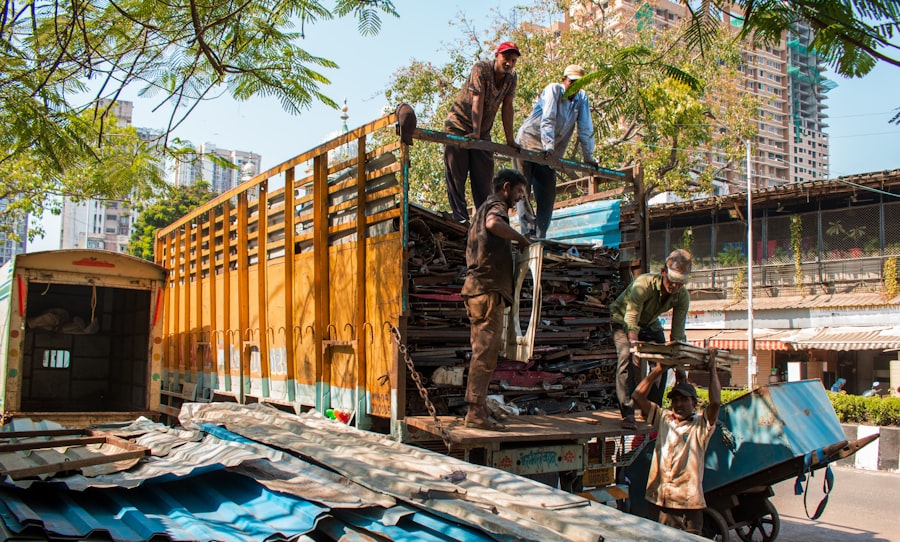
Despite its impressive efficiency, the global supply chain is inherently susceptible to disruptions. “Unraveling the Supply Chain” dedicates a significant portion of its narrative to exploring these vulnerabilities and the strategies employed to build greater resilience.
The Domino Effect: Global Shocks and Their Impact
The documentary illustrates how seemingly localized events can have far-reaching consequences across the entire supply chain. Viewers witness the ripple effects of natural disasters, such as earthquakes or hurricanes, that can cripple production facilities or disrupt transportation networks. The series also examines the impact of geopolitical tensions, trade wars, and public health crises, like pandemics, which can lead to widespread shortages and price volatility. The interconnectedness of the global system means that a disruption in one region can quickly cascade through the entire network.
The Fragility of “Just-in-Time”: Re-evaluating Inventory Strategies
The series critically examines the “just-in-time” inventory strategy, which, while efficient in reducing storage costs, can leave businesses exposed during periods of unexpected demand or supply disruption. Through case studies, the documentary shows how companies that relied heavily on this model struggled to meet demand during periods of crisis, leading to stockouts and lost revenue. “Unraveling the Supply Chain” explores the growing trend towards diversifying suppliers, increasing buffer stocks, and developing more agile and adaptable supply chain models.
Fortifying the Network: Strategies for Resilience
The documentary showcases innovative approaches to building a more resilient supply chain. This includes strategies such as nearshoring and reshoring production to reduce reliance on distant manufacturing hubs, investing in advanced analytics to predict and mitigate risks, and fostering stronger collaborations between supply chain partners. The series highlights the importance of agility, flexibility, and proactive risk management in ensuring the continuous flow of goods in an increasingly unpredictable world.
In exploring the complexities of modern logistics, the recent supply chain documentary sheds light on the challenges and innovations shaping the industry today. For those interested in a deeper understanding of these dynamics, a related article discusses the impact of technology on supply chain efficiency and sustainability. You can read more about it in this insightful piece on supply chain management. This connection highlights how advancements are not only streamlining processes but also addressing environmental concerns.
The Consumer Connection: Impact and Responsibility
| Documentary Title | Release Year | Director | Runtime |
|---|---|---|---|
| The True Cost | 2015 | Andrew Morgan | 92 minutes |
| Inside the Garment Industry | 2019 | Various | 60 minutes |
| Slavery: A Global Investigation | 2000 | Brian Woods | 60 minutes |
Ultimately, the complex journey of goods culminates with the consumer, and “Unraveling the Supply Chain” emphasizes this crucial link. The documentary provokes thought about the choices consumers make and their role in shaping the supply chain.
The Power of Choice: Ethical Consumption and Sustainability
The series encourages viewers to consider the ethical and environmental implications of their purchasing decisions. It highlights the growing consumer demand for sustainable and ethically sourced products, and how this demand is driving change within the supply chain. The documentary might showcase brands that are actively working to reduce their environmental footprint, ensure fair labor practices, and promote transparency in their operations. This section encourages a mindful approach to consumption, prompting viewers to ask questions about where their products come from and how they are made.
The Future of Fulfillment: Meeting Evolving Demands
“Unraveling the Supply Chain” concludes by looking towards the future of fulfillment, exploring how the supply chain will continue to adapt to evolving consumer expectations. The series touches upon the rise of e-commerce, the demand for faster and more personalized delivery options, and the increasing importance of circular economy principles, where products are designed for longevity and recyclability. The documentary leaves viewers with a profound appreciation for the invisible infrastructure that supports their daily lives and a sense of agency in influencing its future direction. The final segments might offer optimistic visions of a more sustainable, equitable, and resilient supply chain, driven by both technological innovation and conscious consumerism.

The Three Ingredients That Feed the World
FAQs
What is a supply chain documentary?
A supply chain documentary is a film or video production that explores the various aspects of supply chain management, including sourcing, production, transportation, and distribution of goods and services.
What are the benefits of watching a supply chain documentary?
Watching a supply chain documentary can provide valuable insights into the complexities of global supply chains, the impact of supply chain decisions on the environment and society, and the challenges faced by supply chain professionals.
Are there any popular supply chain documentaries available?
Yes, there are several popular supply chain documentaries available, such as “The True Cost,” “Inside the Garment Industry,” and “Food, Inc.” These documentaries offer in-depth looks at the supply chains of specific industries and their impact on various stakeholders.
Where can I watch supply chain documentaries?
Supply chain documentaries can be found on various streaming platforms, such as Netflix, Amazon Prime, and Hulu. Additionally, some documentaries may be available for purchase or rental on platforms like iTunes or Google Play.
Who should watch supply chain documentaries?
Supply chain documentaries are beneficial for anyone interested in learning more about the global economy, sustainability, ethical sourcing, and the interconnectedness of supply chains. This includes students, professionals, and consumers who want to make more informed purchasing decisions.