
The world stage, a complex tapestry woven with threads of power, ideology, and ambition, often presents a bewildering array of events that leave observers struggling to discern the underlying currents. Geopolitics, the study of the influence of geography on politics and international relations, seeks to untangle these knots, revealing the forces that shape nations’ destinies and drive global dynamics. This article delves into the art of unraveling geopolitical mysteries, exploring the key concepts, methodologies, and critical perspectives that illuminate the intricate dance of nations.
At its core, geopolitical analysis is about understanding why things happen on the international stage. It moves beyond superficial news headlines to explore the deep-seated factors that influence decision-making, shape alliances, and ignite conflicts. This involves a multidisciplinary approach, drawing insights from history, economics, sociology, and even psychology.
The Geographical Imperative: Land, Sea, and Air
Geography is not merely a backdrop in geopolitical calculations; it is a fundamental determinant of power and influence. The size and terrain of a nation, its access to waterways, its natural resources, and its strategic location all play crucial roles.
Heartland Theory and Rimland Theory: Competing Visions of Power
Early geopolitical thinkers, such as Halford Mackinder, proposed the “Heartland Theory,” suggesting that control over the vast Eurasian landmass was the key to global domination. This theory posits that whoever controls Eastern Europe and Central Asia controls the “World Island,” and from there, the world. Conversely, Nicholas Spykman’s “Rimland Theory” countered this by arguing that control over the peripheral coastal areas surrounding the Eurasian heartland – the Rimland – was more critical. This area, he argued, acts as a buffer and a launching pad for projecting power. Understanding these competing theories helps explain historical expansionist ambitions and ongoing territorial disputes.
Chokepoints and Strategic Waterways: The Arteries of Trade and Power
The control of vital maritime chokepoints – narrow passages where sea traffic is forced to converge, such as the Strait of Hormuz, the Suez Canal, or the Strait of Malacca – is paramount. These arteries of global trade and military movement are sources of immense leverage and potential conflict. Nations vie for influence or direct control over these areas, recognizing that disruption or denial of passage can cripple economies and undermine security.
Resource Geography: The Scramble for Essential Commodities
The availability and accessibility of natural resources – oil, gas, rare earth minerals, arable land, and fresh water – are potent drivers of geopolitical strategy. Nations rich in these resources often wield significant influence, while those dependent on imports are vulnerable to supply disruptions and price volatility. This has led to intense competition for resource-rich territories, fostering both cooperation and conflict.
The Power Equation: Military, Economic, and Soft Power
Geopolitics is intrinsically linked to power. However, power is not monolithic. It manifests in various forms, each with its own strategic implications.
Military Might: The Hard Power of Coercion
The possession of a strong military, including advanced weaponry, well-trained forces, and a robust defense industry, is a traditional measure of national power. Military strength can be used for deterrence, coercion, or direct intervention. Understanding a nation’s military capabilities and its willingness to deploy them is essential for assessing its geopolitical standing.
Economic Leverage: The Currency of Influence
Economic power, through trade, investment, financial markets, and technological innovation, offers a subtler yet equally potent form of influence. Nations can use economic sanctions, trade agreements, and development aid to shape the behavior of other states. The rise of economic interdependence can create both opportunities for cooperation and vulnerabilities that can be exploited.
Soft Power and Ideological Appeal: The Battle for Hearts and Minds
Joseph Nye’s concept of “soft power” highlights the ability of a nation to attract and persuade others through the appeal of its culture, political values, and foreign policies. Ideological competition, whether it be democracy versus authoritarianism, or different religious or economic philosophies, plays a significant role in shaping alliances and influencing global narratives. The battle for hearts and minds is often as consequential as the clash of armies.
For those intrigued by the complexities of international relations and the hidden narratives that shape our world, a fascinating article can be found at My Geo Quest. This resource delves into various geopolitical mysteries, offering insights into the factors that influence global dynamics and the often-overlooked events that have significant implications for nations and their citizens. Whether you’re a seasoned analyst or simply curious about the forces at play in global affairs, this article is a must-read for anyone looking to deepen their understanding of the intricate web of geopolitics.
Decoding State Behavior: Motivations and Decision-Making
Understanding why states act the way they do requires delving into their motivations, their internal dynamics, and the decision-making processes within their governments.
National Interests: The Primacy of Self-Preservation and Prosperity
At the heart of every state’s foreign policy lies the pursuit of national interests. These are often defined by a nation’s perceived need for security, economic prosperity, territorial integrity, and the preservation of its political system and values. However, the interpretation and prioritization of these interests can vary significantly, leading to divergent foreign policy approaches.
Realism vs. Liberalism: Competing Frameworks for Understanding State Motivation
Geopolitical analysis often grapples with the tension between realist and liberal perspectives. Realists argue that states are primarily driven by self-interest and the pursuit of power in an anarchic international system. Liberals, on the other hand, emphasize the role of international institutions, cooperation, and shared norms in shaping state behavior. Understanding these theoretical lenses helps to interpret the underlying motivations behind international actions.
Domestic Politics and Leadership: The Internal Drivers of Foreign Policy
The internal political landscape of a nation, including its form of government, the influence of domestic interest groups, public opinion, and the personal characteristics and ideologies of its leaders, profoundly shapes its foreign policy.
The Role of the Leader: Individual Agency in Geopolitical Shifts
While structural factors are important, the decisions and visions of individual leaders can sometimes be the tipping point in geopolitical shifts. The personality, risk tolerance, and historical context of a leader can dramatically alter the trajectory of a nation’s foreign policy and, consequently, global dynamics.
Interest Groups and Public Opinion: The Domestic Undercurrents
The pressure from domestic interest groups, such as powerful industries, ethnic minorities, or advocacy organizations, can significantly influence a government’s foreign policy choices. Similarly, public opinion, particularly in democracies, can act as a constraint or a catalyst for particular foreign policy initiatives.
The Interplay of International Actors: Beyond the Nation-State
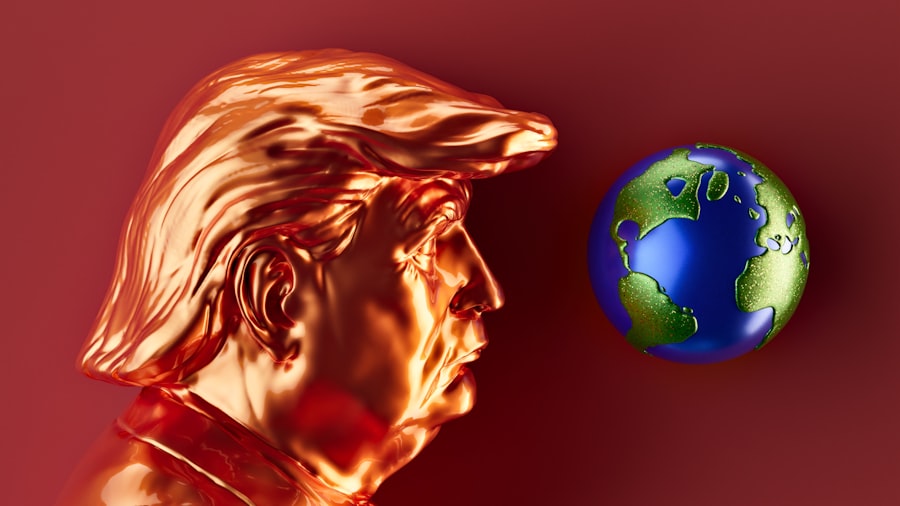
While nation-states remain the primary actors on the global stage, the geopolitical landscape is increasingly shaped by a diverse array of non-state actors.
International Organizations: The Architecture of Global Governance
Organizations like the United Nations, the World Trade Organization, and regional blocs such as the European Union and ASEAN play a crucial role in setting international norms, facilitating cooperation, and mediating disputes. Their effectiveness, however, is often contingent on the willingness of member states to adhere to their mandates.
The UN Security Council: A Hub of Power and Vetoes
The United Nations Security Council, with its permanent members holding veto power, exemplifies the complex interplay of power and consensus in international governance. Understanding the dynamics within the Security Council is key to deciphering the global response to major crises.
Non-Governmental Organizations (NGOs) and Civil Society: The Voice of the People
NGOs and civil society organizations, from human rights advocates to environmental groups, exert influence through advocacy, awareness campaigns, and the provision of humanitarian aid. They can challenge state policies, shape public discourse, and hold governments accountable.
Transnational Corporations (TNCs): Economic Giants with Geopolitical Reach
The immense economic power of TNCs allows them to influence national economies, labor practices, and even government policies through lobbying and investment decisions. Their global operations can transcend national borders, creating complex challenges for national sovereignty and regulation.
Analyzing Geopolitical Trends: Identifying Patterns and Forecasting Futures

Unraveling geopolitical mysteries involves not only understanding the present but also identifying discernible trends and attempting to forecast future developments.
Shifting Power Balances: The Rise and Fall of Great Powers
History is replete with examples of rising and falling great powers. Geopolitical analysis seeks to identify the factors contributing to these shifts, whether they be economic dynamism, technological innovation, demographic changes, or strategic missteps. Understanding the dynamics of power transitions is crucial for anticipating future global orders.
The Multipolar World: A New Era of Competition?
The concept of a multipolar world, where power is distributed among several major poles rather than concentrated in one or two superpowers, is a significant contemporary trend. This shift can lead to increased competition, regional rivalries, and the potential for greater instability.
Technological Disruption: The Double-Edged Sword of Innovation
Rapid advancements in technology, from artificial intelligence and cyber warfare to biotechnology and space exploration, are profoundly reshaping the geopolitical landscape. These innovations offer new opportunities for economic growth and national security but also present novel challenges and potential threats.
Cyber Warfare and Information Operations: The New Battlegrounds
The rise of cyber warfare and sophisticated information operations has created new domains of conflict. The ability to disrupt critical infrastructure, manipulate public opinion, and spread disinformation poses a significant challenge to national security and democratic processes.
Climate Change and Environmental Security: An Emerging Geopolitical Force
The escalating impacts of climate change, including rising sea levels, extreme weather events, and resource scarcity, are increasingly recognized as significant geopolitical forces. These environmental challenges can exacerbate existing tensions, create new conflicts over resources, and necessitate unprecedented international cooperation.
In exploring the intricate world of geopolitical mysteries, one can find fascinating insights in a related article that delves into the historical context of territorial disputes and their implications for global stability. For a deeper understanding of these complex issues, you can read more in this informative piece on geopolitical dynamics. This article sheds light on how past events shape current international relations and the ongoing challenges faced by nations today.
The Art of Interpretation: Critical Thinking and Avoiding Bias
| Geopolitical Mystery | Explanation |
|---|---|
| Bermuda Triangle | Many disappearances can be attributed to human error, natural disasters, and strong currents. |
| Nazca Lines | Believed to be created for religious or ceremonial purposes by the ancient Nazca people. |
| Area 51 | Used by the US government for testing experimental aircraft and weapons. |
| Stonehenge | Constructed as a prehistoric temple aligned with the movements of the sun. |
Even with a thorough understanding of the underlying factors, interpreting geopolitical events requires critical thinking and a constant awareness of potential biases.
The Importance of Multiple Perspectives: Seeing Beyond the Official Narrative
Geopolitical analysis is often complex, and official narratives from governments can be self-serving. It is crucial to seek out diverse perspectives from academics, independent analysts, journalists from different countries, and even the voices of those directly affected by geopolitical events.
Confirmation Bias and the Echo Chamber: The Pitfalls of Limited Information
The human tendency towards confirmation bias, where individuals seek out and interpret information that confirms their pre-existing beliefs, can be a significant impediment to accurate geopolitical analysis. The proliferation of online echo chambers further exacerbates this problem, limiting exposure to alternative viewpoints.
The Role of Data and Evidence: Rigor in Analysis
While interpretation is key, sound geopolitical analysis relies on robust data and verifiable evidence. This includes economic indicators, military spending figures, historical records, and credible intelligence. Distinguishing between speculation and evidence-based reasoning is paramount.
Forecasting vs. Prediction: Navigating Uncertainty
It is important to distinguish between geopolitical forecasting, which involves identifying trends and assessing probabilities, and making definitive predictions. The inherent complexity and unpredictability of human affairs mean that absolute certainty is rarely achievable. Acknowledging uncertainty and focusing on plausible scenarios is often a more effective approach.
In conclusion, unraveling geopolitical mysteries is an ongoing and multifaceted endeavor. It requires a deep understanding of geography, power dynamics, state motivations, and the evolving roles of international actors. By embracing critical thinking, seeking diverse perspectives, and grounding analysis in evidence, observers can begin to make sense of the intricate forces that shape our interconnected world, moving beyond the bewilderment of daily headlines to a more profound comprehension of the global stage.

What Happens When No Country Owns a Place?
FAQs
What are some examples of geopolitical mysteries?
Some examples of geopolitical mysteries include the Bermuda Triangle, the disappearance of Malaysian Airlines Flight 370, and the assassination of John F. Kennedy.
How do geopolitical mysteries impact global politics?
Geopolitical mysteries can impact global politics by creating uncertainty and speculation, leading to diplomatic tensions and conspiracy theories. They can also influence public opinion and government decision-making.
What are some common theories surrounding geopolitical mysteries?
Common theories surrounding geopolitical mysteries include natural phenomena, human error, government cover-ups, and extraterrestrial involvement. These theories often vary in credibility and are subject to ongoing debate and investigation.
How do researchers and experts approach solving geopolitical mysteries?
Researchers and experts approach solving geopolitical mysteries by conducting thorough investigations, analyzing available evidence, and considering multiple perspectives. They may also use advanced technology and collaborate with international partners to uncover the truth.
What are the implications of solving geopolitical mysteries?
The implications of solving geopolitical mysteries can range from providing closure to affected individuals and communities, to revealing important insights about historical events and global security. Additionally, solving these mysteries can help prevent similar incidents from occurring in the future.