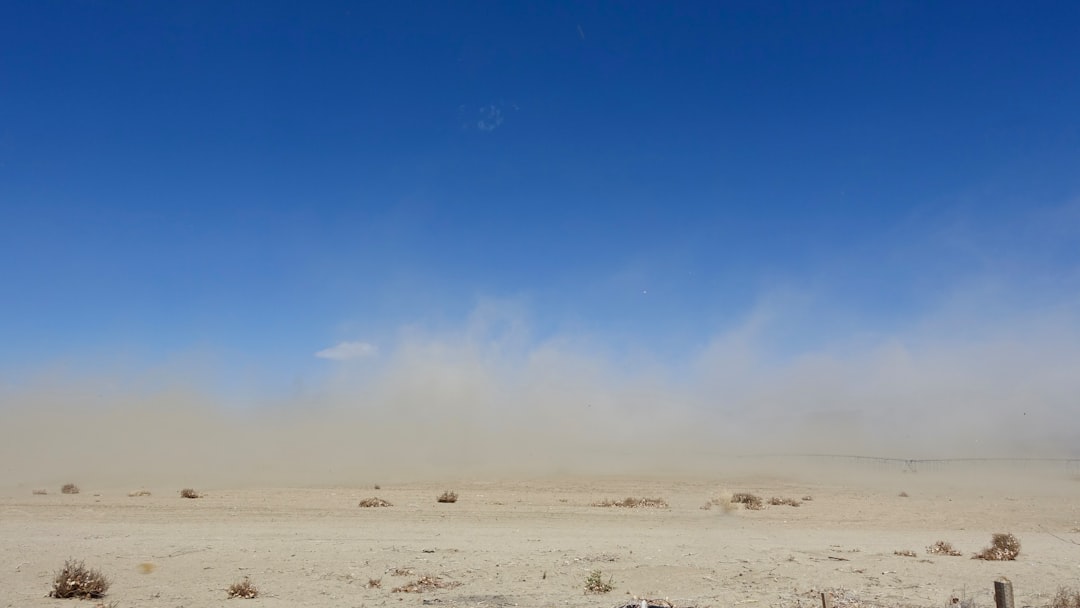
The Wasatch Front, a populous corridor of Utah nestled between the dramatic Wasatch Mountains and the arid Great Salt Lake Desert, experienced an unprecedented series of super dust storms during the spring and early summer of [Insert Year]. These meteorological events, characterized by their extreme intensity, duration, and widespread impact, redefined the region’s battle against atmospheric particulate matter, transforming familiar landscapes into eerie, alien vistas and posing significant challenges to public health, infrastructure, and the economy. The frequency and ferocity of these storms surpassed historical records, leaving residents and scientists alike grappling with the complex interplay of environmental factors contributing to this phenomenon.
The term “super dust storm” is not a formally defined meteorological classification but rather a descriptive label used to convey the exceptional nature of these events. In the context of the Wasatch Front, these storms distinguished themselves through a combination of factors:
Wind Speed and Duration
The most immediate and visible characteristic of these super dust storms was the intensity of the winds. Sustained wind speeds frequently exceeded 45 miles per hour, with gusts often reaching or surpassing 70 miles per hour. These velocities are significantly higher than those typically associated with seasonal dust events in the region. The duration of these storms was also a crucial factor. While dust storms can be transient, these events often persisted for multiple days, transforming periods of visibility from hours to mere feet. This prolonged exposure to airborne particulate matter amplified their detrimental effects.
Particulate Matter Density
The sheer volume of dust suspended in the atmosphere was another defining feature. Visibility was reduced to near-zero levels for extended periods, akin to navigating through a dense fog but with solid, abrasive particles. This created an environment where even short outdoor excursions could involve inhaling significant quantities of fine dust. The composition of this dust, primarily composed of silt and clay particles, also contributed to its pervasive nature, allowing it to remain suspended in the air for extended durations.
Geographic Extent
Unlike localized dust devils or smaller frontal passages, these super dust storms blanketed the entire Wasatch Front, from Logan in the north to Provo in the south, and extended their reach into surrounding valleys. This widespread impact meant that a significant portion of Utah’s population was simultaneously affected, necessitating coordinated responses and imposing a shared burden on communities.
Super dust storms are a significant concern for the Wasatch Front, impacting air quality and visibility in the region. For a deeper understanding of this phenomenon and its effects on local communities, you can read a related article that explores the causes and consequences of these storms. To learn more, visit this article.
Contributing Factors to the Unprecedented Scale
The emergence of these super dust storms was not a singular event but rather a culmination of several interconnected environmental and climatic factors. Scientists have identified a confluence of conditions that created the perfect storm for such an atmospheric assault on the Wasatch Front.
Prolonged Drought Conditions
The Wasatch Front, and indeed much of the Intermountain West, has been grappling with a prolonged and severe drought. This extended period of low precipitation has had a profound impact on vegetation cover. Vast expanses of rangelands and arid basins, which typically act as natural barriers against wind erosion, have become desiccated and sparse. The absence of stabilizing vegetation means that the soil is left exposed and vulnerable, acting as a vast, unbound reservoir of fine particulate matter ready to be lofted into the atmosphere by any significant wind event. Imagine a desert floor that has been baked dry for years, its surface cracking and crumbling, waiting for the slightest disturbance to send its particles airborne.
Impact of Reduced Precipitation
The lack of consistent rainfall over several years has weakened the root systems of grasses and shrubs, rendering them less effective at binding the soil. Furthermore, the biological crusts that form on desert soils, which play a crucial role in soil stability, have been diminished or destroyed due to the arid conditions. This loss of natural anchoring mechanisms directly translates to an increased susceptibility to wind erosion.
Role of Snowpack Deficits
The winter snowpack, a critical source of moisture for the region, has been consistently below average for several consecutive years. This deficit in snowpack not only exacerbates drought conditions but also impacts the moisture content of soils in the spring, a period when winds are often strong and soil is exposed after winter. A thinner, earlier-melting snowpack offers less sustained moisture to the land.
Shifting Wind Patterns and Atmospheric Dynamics
While drought sets the stage, the actual impetus for the dust storms comes from the atmosphere. Scientists have observed potential shifts in regional wind patterns and strengthened atmospheric pressure gradients, contributing to the increased wind speeds.
Jet Stream Anomalies
Research is ongoing to investigate potential anomalies in the polar jet stream and its influence on weather systems over the Intermountain West. Changes in the jet stream’s behavior can lead to more persistent high-pressure systems, which often bring dry, clear conditions conducive to dust storms, and can also steer stronger storm systems across the region, fueling increased wind speeds. These are like cosmic winds, capable of orchestrating the movement of weather patterns across continents.
Increased Frequency of Dry Fronts
The region experienced an increased occurrence of “dry fronts” – cold air masses moving in without significant precipitation. While these fronts can bring cooler temperatures, they also create strong downdrafts and wind surges upon reaching the ground. When these winds encounter dry, exposed soil, the conditions are ripe for dust generation.
Land Use and Management Practices
While a natural phenomenon, human activities can also play a role in exacerbating dust storm potential. Certain land use practices can impact soil stability and vegetation cover.
Dust Sources in Arid Basins
Large, undeveloped arid basins, such as the Great Salt Lake Desert, are natural sources of dust. These vast expanses are inherently susceptible to wind erosion due to their arid climate and minimal vegetation. While these areas have always been a source, the combination of drought and intensified wind events amplifies their dust-generating capacity.
Influence of Disturbance
Activities that disturb the land surface, such as off-road vehicle use, agricultural practices in marginal lands, and construction, can break up existing vegetation and soil structure, making them more vulnerable to wind erosion. While these activities might be localized, their cumulative impact in an already stressed environment can contribute to the overall dust load.
Impacts of the Super Dust Storms
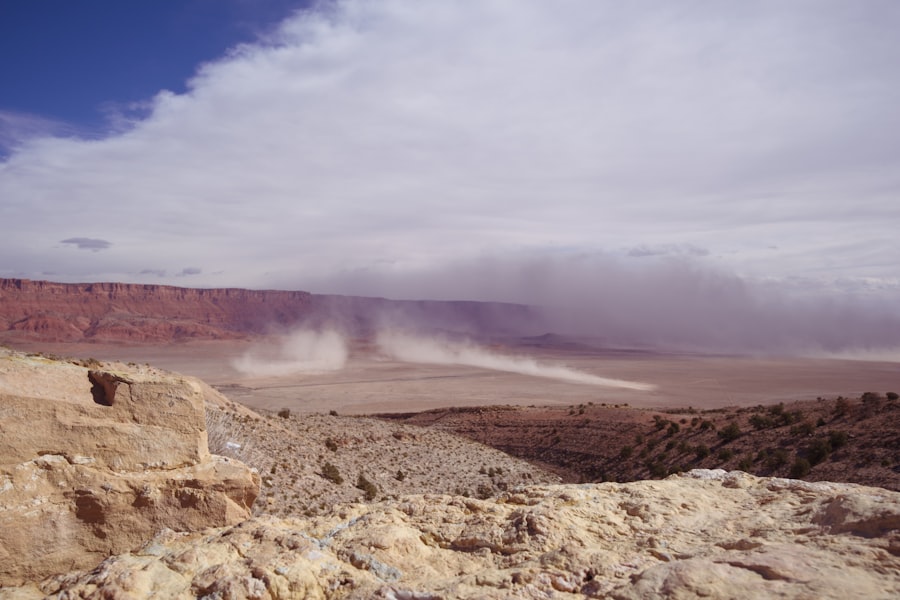
The consequences of these unprecedented super dust storms reverberated across multiple facets of life on the Wasatch Front, from the immediate health risks to the broader economic disruptions.
Public Health Crisis
The most immediate and concerning impact was on public health. The fine particulate matter suspended in the air, classified as PM10 and PM2.5, posed significant respiratory and cardiovascular risks.
Respiratory Illnesses and Exacerbations
Individuals with pre-existing respiratory conditions, such as asthma, chronic obstructive pulmonary disease (COPD), and emphysema, experienced severe exacerbations of their symptoms. The dust acted as a constant irritant, triggering coughing fits, wheezing, and shortness of breath. Emergency room visits for respiratory complaints surged during and in the immediate aftermath of these storms. The lungs, delicate organs designed to process air, were essentially assaulted by microscopic sandpaper.
Cardiovascular Strain
Studies have shown a correlation between exposure to fine particulate matter and increased risk of heart attacks, strokes, and other cardiovascular events. The tiny particles can enter the bloodstream, leading to inflammation and stress on the cardiovascular system. Elderly individuals and those with pre-existing heart conditions were particularly vulnerable.
Eye and Skin Irritation
Beyond respiratory issues, the abrasive nature of the dust caused widespread eye irritation, redness, and discomfort. Many residents reported feeling gritty sensations in their eyes throughout the day. Skin irritation and dryness were also common complaints.
Disruptions to Daily Life and Infrastructure
The sheer scale and intensity of the dust storms paralyzed daily routines and tested the resilience of the region’s infrastructure.
Transportation Hazards
Visibility was reduced to near zero in many areas, creating extremely hazardous driving conditions. Numerous traffic accidents, some severe, were attributed to the dust. The Department of Transportation was forced to implement widespread speed restrictions and closures on major highways, including Interstate 15, the primary north-south artery of the state. This effectively brought travel to a standstill.
Air Travel Delays and Cancellations
Airports, including Salt Lake City International Airport, experienced significant delays and cancellations as flight operations were suspended due to the lack of visibility and potential damage to aircraft engines. This had a ripple effect on regional and national travel networks.
School and Business Closures
In response to public health advisories and the extreme visibility challenges, many school districts and businesses made the difficult decision to close their doors for extended periods. This resulted in lost learning days for students and economic losses for businesses. The rhythm of life was effectively paused.
Damage to Property and Equipment
The abrasive nature of the dust meant that homes, vehicles, and outdoor equipment were subjected to constant exposure to fine particles. This led to increased wear and tear, requiring more frequent cleaning and maintenance. Delicate electronic equipment, both indoors and outdoors, was particularly susceptible to damage.
Economic Repercussions
The economic impact of the super dust storms was multifaceted, affecting various sectors and individuals.
Healthcare Costs
The surge in respiratory and cardiovascular-related hospital visits and emergency room treatments placed a significant strain on healthcare providers and increased healthcare costs for individuals and the system as a whole.
Lost Productivity and Revenue
Business closures, transportation disruptions, and the need for employees to stay home due to health concerns resulted in a significant loss of productivity and revenue across numerous industries. This was a palpable economic slowdown.
Agricultural Impacts
While the Wasatch Front is not a primary agricultural hub, surrounding agricultural areas could experience impacts on crops and livestock due to dust deposition and potential long-term soil degradation. Reduced sunlight penetration could also affect plant growth.
Tourism and Recreation
The tourism and recreation sectors, a vital part of Utah’s economy, were likely impacted by the adverse weather conditions. Potential visitors might have been deterred by the dust storms, leading to cancellations or reduced bookings.
Scientific Response and Research Efforts

The unprecedented nature of these dust storms galvanized the scientific community, prompting intensified research and monitoring efforts to better understand the contributing factors and forecast future events.
Enhanced Monitoring and Data Collection
Meteorological agencies and research institutions increased their monitoring of atmospheric conditions, focusing on real-time data collection of wind speeds, particulate matter concentrations, and atmospheric pressure. This data is crucial for developing more accurate predictive models.
Modeling and Simulation
Scientists are employing advanced atmospheric modeling techniques to simulate the conditions that lead to these super dust storms. These models help researchers identify the critical thresholds for wind speed, soil moisture, and atmospheric stability that trigger such events.
Dust Source Identification and Characterization
Ongoing research focuses on pinpointing the primary sources of dust and characterizing the composition of the particulate matter. This involves analyzing dust samples collected during storms and utilizing remote sensing data to map susceptible areas. Understanding the origin of the dust is like identifying the villain in a crime scene.
Climate Change and Long-Term Trends
A significant area of investigation is the potential link between these events and long-term climate change trends. Scientists are assessing whether increased drought severity, altered precipitation patterns, and changes in atmospheric circulation are indicative of a changing climate that could lead to more frequent and intense dust storms in the future.
Super dust storms are a significant concern for the Wasatch Front, impacting air quality and visibility in the region. These powerful weather events can arise from a combination of dry conditions and strong winds, leading to hazardous situations for residents. For those interested in understanding more about the causes and effects of such phenomena, a related article can be found at My Geo Quest, which delves into the science behind dust storms and their implications for local communities.
Mitigation and Adaptation Strategies
| Metric | Value | Unit | Description |
|---|---|---|---|
| Event Name | Super Dust Storm Wasatch Front | – | Major dust storm event affecting the Wasatch Front region |
| Date | April 2023 | – | Month and year of the super dust storm occurrence |
| Peak Wind Speed | 45 | mph | Maximum recorded wind speed during the storm |
| Visibility Reduction | 0.2 | miles | Lowest visibility recorded during the storm |
| PM10 Concentration | 350 | µg/m³ | Peak particulate matter (10 microns) concentration |
| Duration | 6 | hours | Total duration of the dust storm event |
| Affected Area | Wasatch Front | Region | Geographic area impacted by the dust storm |
| Health Advisories Issued | Yes | – | Whether health warnings were issued during the event |
In the face of these recurring challenges, there is an increasing focus on developing and implementing strategies to mitigate the impact of dust storms and adapt to the changing environmental conditions.
Improved Forecasting and Early Warning Systems
Enhanced meteorological forecasting capabilities are crucial for providing timely warnings to the public. This allows individuals and authorities to take preventative measures, such as staying indoors, reducing outdoor activities, and preparing for transportation disruptions.
Land Management and Rehabilitation
Efforts to stabilize exposed soils and re-establish vegetation in arid and semi-arid areas are long-term strategies for dust mitigation. This can include revegetation projects, controlled grazing practices, and measures to prevent land degradation. Restoring the land’s protective mantle is key.
Public Health Interventions
Public health agencies are continuously working to educate the public about the health risks associated with dust storms and advise on protective measures, such as wearing N95 masks when outdoors during high-pollution events, improving indoor air filtration, and staying informed about air quality advisories.
Infrastructure Resilience
There is a growing need to consider the impact of dust storms on critical infrastructure. This could involve developing more robust designs for transportation systems, improving air filtration systems in buildings, and establishing protocols for managing equipment exposed to dust.
The unprecedented super dust storms that gripped the Wasatch Front served as a stark reminder of the delicate balance of our environment and the profound impact that climate and weather patterns can have on human populations. As the region continues to grapple with these increasingly frequent and intense events, a sustained commitment to scientific understanding, proactive mitigation, and adaptive strategies will be essential for safeguarding the health, well-being, and prosperity of its residents. The lessons learned from these dusty onslaughts will undoubtedly shape the region’s approach to environmental challenges for years to come, urging a deeper respect for the forces that shape our world.

WATCH NOW ▶️ WARNING: The $10 Trillion Toxic Lie Killing the American West
FAQs
What causes super dust storms on the Wasatch Front?
Super dust storms on the Wasatch Front are typically caused by strong winds picking up loose, dry soil and dust from the surrounding desert and dry lake beds. Factors such as drought, land disturbance, and seasonal wind patterns contribute to the frequency and intensity of these storms.
How often do super dust storms occur in the Wasatch Front area?
Super dust storms are relatively rare but can occur several times a year, especially during the spring and fall when wind speeds are higher and the ground is dry. The exact frequency varies depending on weather conditions and land use changes.
What are the health impacts of super dust storms on residents of the Wasatch Front?
Exposure to dust storms can cause respiratory issues, eye irritation, and exacerbate conditions like asthma and bronchitis. Fine dust particles can penetrate deep into the lungs, posing health risks especially for children, the elderly, and those with pre-existing respiratory conditions.
What measures can be taken to reduce the impact of super dust storms on the Wasatch Front?
Measures include planting vegetation to stabilize soil, implementing land management practices to reduce soil erosion, using dust suppressants on exposed soil, and issuing public health advisories during dust storm events to minimize exposure.
How do super dust storms affect transportation and daily life on the Wasatch Front?
Super dust storms can significantly reduce visibility, leading to hazardous driving conditions and increased risk of accidents. They can also disrupt outdoor activities, cause damage to property, and lead to temporary closures of schools and businesses to protect public safety.