
The stark, yet undeniably beautiful, landscape of the Dead Sea cradles an extraordinary treasure trove of minerals. For millennia, this hypersaline lake, nestled in the Jordan Rift Valley, has captivated explorers, healers, and scientists alike with its unique composition. The exceptionally high concentration of dissolved salts and minerals, a result of its low elevation and the arid climate, offers a potent cocktail with a diverse range of applications. Unlocking the benefits of Dead Sea mineral extraction is not merely about harvesting raw materials; it is about harnessing centuries of geological evolution to unlock solutions for health, wellness, and even industrial innovation. This exploration delves into the multifaceted advantages derived from the careful and sustainable extraction of these precious elements.
The Dead Sea’s exceptional salinity, around 34.2% (compared to the ocean’s average of 3.5%), is the primary driver of its rich mineral content. This elevated concentration means that a smaller volume of water holds a significantly higher quantity of dissolved elements. The unique geological setting, influenced by tectonic activity and the absence of an outlet, concentrates these minerals over time, creating a distinct chemical profile that sets it apart from any other body of water on Earth.
A Symphony of Essential Elements
The primary constituents of Dead Sea water are not just sodium chloride (common salt), as one might initially assume. While present, it is the abundance of other minerals that truly sets the Dead Sea apart. Magnesium chloride, calcium chloride, potassium chloride, and bromide are present in significantly higher concentrations than in typical seawater.
Magnesium: The Cornerstone of Cellular Function
Magnesium is a vital mineral for countless biochemical reactions within the human body, playing a crucial role in over 300 enzymatic processes. Its presence in Dead Sea mud and water is exceptionally high.
Benefits of Topical Magnesium Absorption
Through osmosis, when the skin is exposed to Dead Sea water or mud, magnesium ions are readily absorbed. This topical absorption can contribute to muscle relaxation, reduced inflammation, and improved skin barrier function. It is believed to aid in alleviating symptoms associated with conditions like eczema and psoriasis.
Calcium: Building Blocks and Beyond
Calcium is well-known for its role in bone health, but it also plays a critical part in nerve function, muscle contraction, and blood clotting. Dead Sea minerals provide a readily available source of calcium.
Supporting Skeletal Health
The absorption of calcium from Dead Sea products can be a beneficial adjunct to a healthy diet for maintaining bone density and strength.
Neuromuscular Function
Calcium’s involvement in nerve impulse transmission and muscle contraction means its topical application can contribute to easing muscle cramps and spasms.
Potassium: The Electrolyte Powerhouse
Potassium is essential for maintaining fluid balance, nerve signals, and muscle contractions. It works in tandem with sodium to regulate these crucial bodily functions.
Fluid Balance and Hydration
The presence of potassium in Dead Sea formulations can aid in cellular hydration and the maintenance of proper fluid distribution within the body.
Nerve Signal Transmission
Adequate potassium levels are crucial for the efficient transmission of electrical signals along nerves, supporting overall neurological health.
Beyond the Major Players: Trace Minerals and Their Significance
While the major minerals command attention, the Dead Sea also boasts a rich array of trace minerals, each contributing to its therapeutic and beneficial properties.
Bromide: A Soothing Presence
Bromides are known for their calming and sedating effects. Their concentration in the Dead Sea is significantly higher than in oceanic waters.
Promoting Relaxation and Reducing Stress
Topical application of Dead Sea products containing bromide can contribute to a sense of relaxation and may help alleviate stress and anxiety.
Soothing Properties for Skin Irritations
Bromides can possess anti-inflammatory properties, making them beneficial for soothing irritated or inflamed skin conditions.
Sulfur: The Body’s Natural Detoxifier
Sulfur is a key component of amino acids and is vital for protein synthesis, detoxification, and collagen production.
Aiding in Skin Renewal and Detoxification
Sulfur’s role in cell turnover and its antimicrobial properties make Dead Sea mud a popular choice for deep cleansing and detoxification of the skin. It can help to remove impurities and promote a clearer complexion.
Supporting Joint Health
Sulfur is also an important component of cartilage, suggesting its topical application might offer some benefits for joint discomfort.
The extraction of minerals from the Dead Sea has garnered significant attention due to its unique geological properties and the economic potential it presents. For a deeper understanding of the processes involved and the implications of this industry, you can read a related article that explores the environmental and economic aspects of Dead Sea mineral extraction. To learn more, visit this link.
Health and Therapeutic Applications of Dead Sea Minerals
The mineral-rich waters and mud of the Dead Sea have been recognized for their healing properties for centuries. Ancient civilizations documented their use for various ailments, and modern science is increasingly validating these historical claims through rigorous research. The unique synergy of these minerals creates a powerful therapeutic agent.
Dermatological Benefits: A Natural Panacea for Skin Conditions
The most widely recognized benefits of Dead Sea minerals lie in their remarkable impact on skin health. The high concentration of magnesium, bromide, sulfur, and other minerals works in concert to alleviate a range of dermatological concerns.
Alleviating Psoriasis Symptoms
Numerous studies have demonstrated the efficacy of Dead Sea mineral treatments in reducing the inflammation, scaling, and itching associated with psoriasis. The minerals are believed to slow down skin cell turnover, a key factor in psoriasis development.
Reduced Inflammation and Redness
The anti-inflammatory properties of minerals like magnesium and bromide help to calm irritated skin and reduce redness.
Decreased Scaling and Itching
The unique mineral composition aids in softening and loosening psoriatic scales, and the soothing effect helps to alleviate intense itching.
Managing Eczema and Atopic Dermatitis
Similar to psoriasis, eczema sufferers often find significant relief from Dead Sea mineral therapies. The minerals help to restore the skin barrier and reduce inflammation.
Improved Skin Barrier Function
Magnesium, in particular, is crucial for maintaining a healthy skin barrier, which is often compromised in eczema.
Hydration and Moisture Retention
The mineral content can help to draw moisture to the skin, combating the dryness characteristic of eczema.
Acne and Oily Skin Management
The detoxifying and antimicrobial properties of Dead Sea mud make it an effective treatment for acne and oily skin.
Deep Cleansing and Pore Purification
The mud effectively draws out impurities, excess sebum, and toxins from the pores, preventing blockages.
Antimicrobial Action
Sulfur and other minerals possess natural antibacterial properties that can help to combat acne-causing bacteria.
Anti-Aging and Skin Rejuvenation
Beyond treating specific conditions, Dead Sea minerals contribute to overall skin health and can impart a more youthful appearance.
Enhanced Cell Renewal
The minerals stimulate cell regeneration, leading to smoother, more radiant skin.
Improved Skin Elasticity
Certain minerals can promote collagen production, contributing to increased skin firmness and elasticity.
Musculoskeletal Relief: Soothing Aches and Pains
The therapeutic benefits of Dead Sea minerals extend beyond the skin to offer relief for musculoskeletal conditions. The unique mineral composition can penetrate the skin to influence deeper tissues.
Arthritis and Joint Pain Management
The anti-inflammatory and pain-relieving properties of Dead Sea minerals have been recognized for their ability to ease the symptoms of various forms of arthritis, including osteoarthritis and rheumatoid arthritis.
Reducing Joint Inflammation
The mineral salts, particularly magnesium and bromide, possess significant anti-inflammatory effects that can reduce swelling and discomfort in the joints.
Pain Relief Through Osmosis
The osmotic effect of the mineral-rich water draws inflammatory fluid away from the affected joints, providing natural pain relief.
Muscle Relaxation and Recovery
For athletes and individuals experiencing muscle tension or soreness, Dead Sea mineral baths can offer significant benefits.
Easing Muscle Spasms and Cramps
The high magnesium content is known to promote muscle relaxation and can help to alleviate painful spasms and cramps.
Promoting Post-Exercise Recovery
Soaking in Dead Sea water can aid in reducing muscle fatigue and promoting faster recovery after strenuous physical activity.
Respiratory Health and Detoxification
While less commonly discussed, the unique atmospheric conditions and the presence of bromide in the Dead Sea region also contribute to respiratory well-being.
Benefits for Respiratory Conditions
The air around the Dead Sea is exceptionally clean and rich in oxygen, with a higher atmospheric pressure due to its low elevation. This unique environment, coupled with the aerosolized minerals from the water, can benefit individuals with respiratory ailments.
Improved Lung Function
Inhaling the mineral-rich air, particularly bromide, is believed to have a bronchodilating effect, potentially improving lung capacity and function for individuals with conditions like asthma and bronchitis.
Mucus Thinning and Clearance
The minerals may help to thin mucus, making it easier to expel from the airways.
General Detoxification and Well-being
The holistic benefits of Dead Sea mineral treatments contribute to an overall sense of well-being and can support the body’s natural detoxification processes.
Promoting a Sense of Calm and Relaxation
The mineral bath experience itself, coupled with the therapeutic properties of the salts, can induce a profound sense of relaxation and stress reduction.
Supporting Natural Detoxification Pathways
The mineral balance can aid in supporting the body’s natural processes of eliminating toxins.
Sustainable Extraction and Environmental Considerations
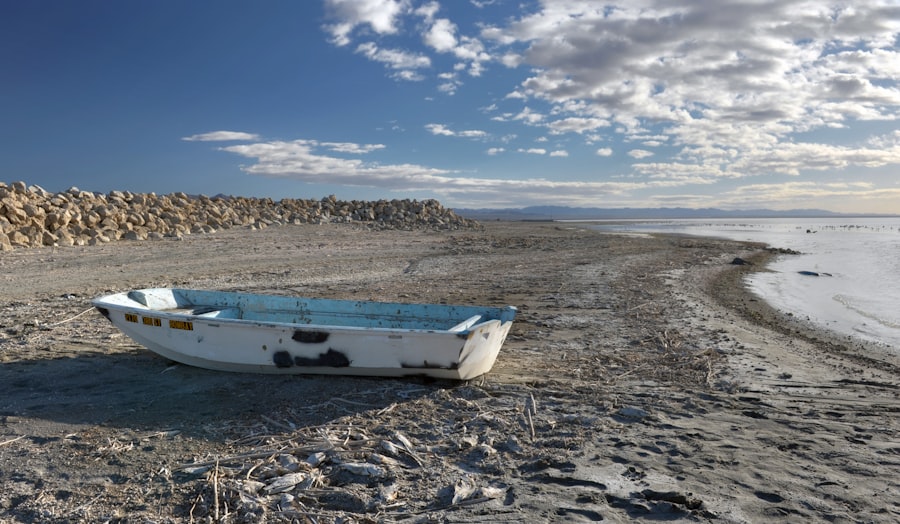
As the demand for Dead Sea minerals grows, ensuring their sustainable extraction becomes paramount. The unique ecosystem of the Dead Sea is fragile, and responsible practices are essential to preserve its natural bounty for future generations.
Balancing Resource Utilization with Ecological Preservation
The extraction of Dead Sea minerals, primarily through evaporation ponds and direct harvesting, must be carefully managed to minimize its impact on the surrounding environment.
Evaporation Ponds and their Impact
Large-scale industrial extraction often involves creating evaporation ponds. While efficient for concentrating minerals, these ponds can alter water levels and affect local flora and fauna.
Water Level Management
Strict monitoring of water levels is crucial to prevent further decline of the Dead Sea, a long-standing concern.
Habitat Preservation
Careful planning and zoning of extraction areas are necessary to protect sensitive habitats and biodiversity within and around the Dead Sea.
Minimizing Chemical Runoff
Processes used in extraction and processing must be designed to prevent the release of harmful chemicals into the surrounding environment.
Wastewater Treatment
Implementing advanced wastewater treatment technologies is vital to ensure that any discharged water is free from pollutants.
Byproduct Management
Responsible management of any byproducts generated during mineral processing is essential to avoid environmental contamination.
Innovative Extraction Technologies
The development of more efficient and environmentally friendly extraction methods is an ongoing area of research and development.
Advanced Mineral Harvesting Techniques
Exploring and implementing technologies that minimize water usage and maximize mineral yield are key to sustainable practices.
Membrane Filtration and Selective Extraction
These technologies offer the potential to extract specific minerals with greater efficiency and less environmental footprint compared to traditional evaporation methods.
Promoting Eco-Tourism and Education
Encouraging responsible tourism and educating visitors about the unique ecosystem of the Dead Sea can foster a greater appreciation and commitment to its preservation.
Supporting Local Communities
Sustainable extraction can provide economic opportunities for local communities, creating a vested interest in environmental protection.
Raising Awareness
Educating the public about the importance of the Dead Sea and the need for its preservation is crucial for long-term conservation efforts.
Beyond Cosmetics: Industrial and Agricultural Applications
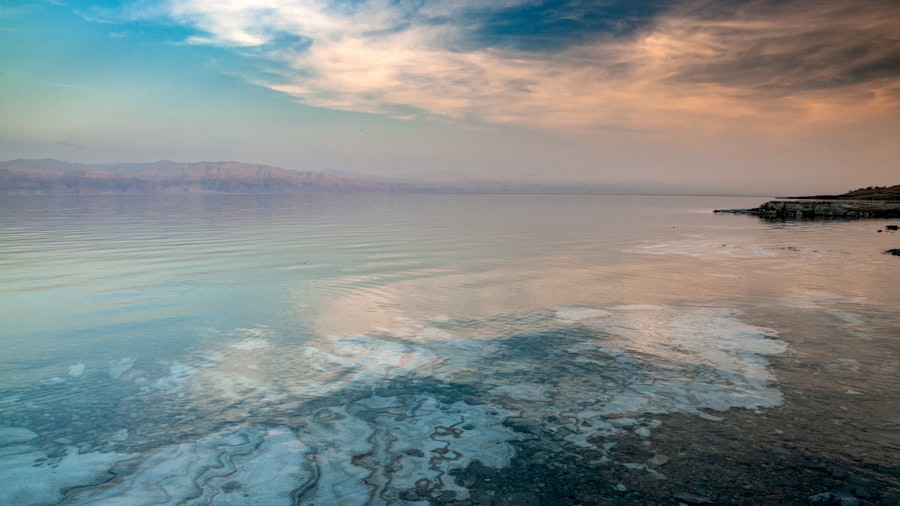
While the therapeutic and cosmetic benefits of Dead Sea minerals are widely known, their applications extend into crucial industrial and agricultural sectors, offering innovative solutions.
Agriculture: Enhancing Crop Yield and Quality
The mineral-rich Dead Sea water can be a valuable resource for improving agricultural practices, particularly in arid and semi-arid regions.
Improving Soil Fertility
The unique mineral composition can enhance soil structure and nutrient availability, leading to increased crop yields.
Nutrient Supplementation for Arid Lands
In regions with nutrient-poor soils, Dead Sea minerals can act as a natural fertilizer, providing essential elements for plant growth.
Enhancing Water Retention
The mineral salts can improve the soil’s ability to retain moisture, which is particularly beneficial in water-scarce environments.
Stimulating Plant Growth and Disease Resistance
Certain minerals have been shown to promote plant growth and bolster their natural defenses against pests and diseases.
Bio-stimulant Properties
Specific mineral compounds can act as bio-stimulants, promoting stronger root development and overall plant vigor.
Natural Pesticidal Effects
Some minerals possess inherent antimicrobial and insecticidal properties, offering a more natural approach to crop protection.
Industrial Uses: Diverse and Emerging Opportunities
The chemical properties of Dead Sea minerals lend themselves to a variety of industrial applications, some established and others still in development.
Water Treatment and Purification
The unique chemical properties of Dead Sea minerals can be harnessed for water purification processes.
Flocculation and Coagulation Agents
Certain mineral compounds can act as effective flocculants, helping to aggregate and remove impurities from water.
Desalination Technologies
Research is ongoing into utilizing Dead Sea minerals in advanced desalination processes, potentially offering more energy-efficient solutions.
Construction and Material Science
The mineral composition offers potential for innovative applications in building materials and other industrial products.
Flame Retardants
The mineral salts can exhibit flame-retardant properties, making them valuable additives in various materials.
Corrosion Inhibitors
Certain minerals can help to prevent or slow down the corrosion of metals, extending the lifespan of industrial equipment.
Other Emerging Applications
The ongoing research into Dead Sea minerals continues to uncover new and exciting possibilities for their use in various industries.
Oil and Gas Industry
Minerals like magnesium chloride have applications in drilling fluids and other aspects of oil and gas extraction.
Pharmaceutical Precursors
The unique mineral profile may serve as a source for specific chemical compounds with pharmaceutical applications.
The extraction of minerals from the Dead Sea has garnered significant attention due to its unique geological properties and the economic potential it holds. For those interested in exploring this topic further, a related article can be found at My Geo Quest, which delves into the various methods and implications of mineral extraction in this region. This resource provides valuable insights into the environmental and economic aspects of the industry, making it a worthwhile read for anyone looking to understand the complexities surrounding Dead Sea mineral extraction.
The Future of Dead Sea Mineral Extraction: Innovation and Global Reach
| Mineral | Extraction Rate | Usage |
|---|---|---|
| Potassium | Approximately 1.5 million tons per year | Used in fertilizers, potassium hydroxide, and potassium chloride |
| Magnesium | Approximately 200,000 tons per year | Used in alloys, healthcare products, and industrial applications |
| Bromine | Approximately 40,000 tons per year | Used in flame retardants, water treatment, and pharmaceuticals |
The journey of unlocking the benefits of Dead Sea minerals is far from over. Continued innovation in extraction technologies, coupled with a deeper understanding of their biological and industrial applications, promises a future where these precious resources contribute even more significantly to human well-being and technological advancement.
Advancements in Extraction and Processing
The pursuit of more efficient, sustainable, and cost-effective extraction methods will continue to drive progress.
Precision Extraction Technologies
Developing technologies that allow for the targeted extraction of specific minerals with minimal waste is a key focus.
Bioremediation and Mineral Recovery
Exploring biological methods for mineral extraction and recovery could offer novel and environmentally friendly approaches.
Enhanced Product Formulation
Innovations in how Dead Sea minerals are formulated into consumer and industrial products will enhance their efficacy and accessibility.
Nanotechnology and Mineral Delivery
Utilizing nanotechnology to improve the absorption and targeted delivery of Dead Sea minerals in cosmetics and pharmaceuticals holds immense potential.
Advanced Mineral Blends
Creating synergistic blends of Dead Sea minerals tailored for specific therapeutic or industrial outcomes will expand their utility.
Expanding Global Markets and Accessibility
As research validates new applications and extraction becomes more efficient, the global reach of Dead Sea mineral products is set to expand.
Increased Demand for Natural and Therapeutic Products
The growing consumer preference for natural ingredients and evidence-based therapeutic solutions will fuel demand for Dead Sea-based products.
Global Health and Wellness Trends
The increasing focus on holistic health and preventative care aligns perfectly with the known benefits of Dead Sea minerals.
Technological Transfer and Collaboration
Sharing knowledge and expertise in extraction and application will foster wider adoption and innovation globally.
International Research Partnerships
Collaborations between research institutions and companies across different nations can accelerate the discovery of new uses for Dead Sea minerals.
Standardized Quality and Regulation
Establishing international standards for the quality and safety of Dead Sea mineral products will build consumer trust and facilitate market entry.
The Dead Sea, a testament to nature’s remarkable alchemy, continues to offer a profound source of benefits. From alleviating chronic skin conditions and easing musculoskeletal pain to revolutionizing agricultural practices and driving industrial innovation, the unlocking of its mineral wealth is a story of harnessing geological time for contemporary solutions. With a steadfast commitment to sustainability and a spirit of ongoing innovation, the full potential of Dead Sea mineral extraction is poised to benefit humanity for generations to come.

The Dead Sea Is Vanishing — And Leaving Giant Holes Behind
FAQs
What are Dead Sea minerals?
Dead Sea minerals are natural compounds found in the Dead Sea, which is known for its high mineral content. These minerals include magnesium, calcium, potassium, and bromine, among others.
How are Dead Sea minerals extracted?
Dead Sea minerals are extracted through a process called solar evaporation. This involves pumping seawater into large evaporation ponds, where the water is left to evaporate under the sun. As the water evaporates, the minerals become concentrated and can be harvested.
What are the uses of Dead Sea minerals?
Dead Sea minerals are used in various industries, including skincare, cosmetics, and pharmaceuticals. They are known for their therapeutic properties and are often used in products for treating skin conditions such as psoriasis and eczema.
What are the environmental concerns related to Dead Sea mineral extraction?
The extraction of Dead Sea minerals can have environmental impacts, including the depletion of the sea’s water levels and the disruption of its delicate ecosystem. Efforts are being made to mitigate these impacts through sustainable extraction practices.
Are there regulations in place for Dead Sea mineral extraction?
Yes, there are regulations in place to govern the extraction of Dead Sea minerals. These regulations aim to ensure sustainable extraction practices and minimize the environmental impact of mineral extraction.