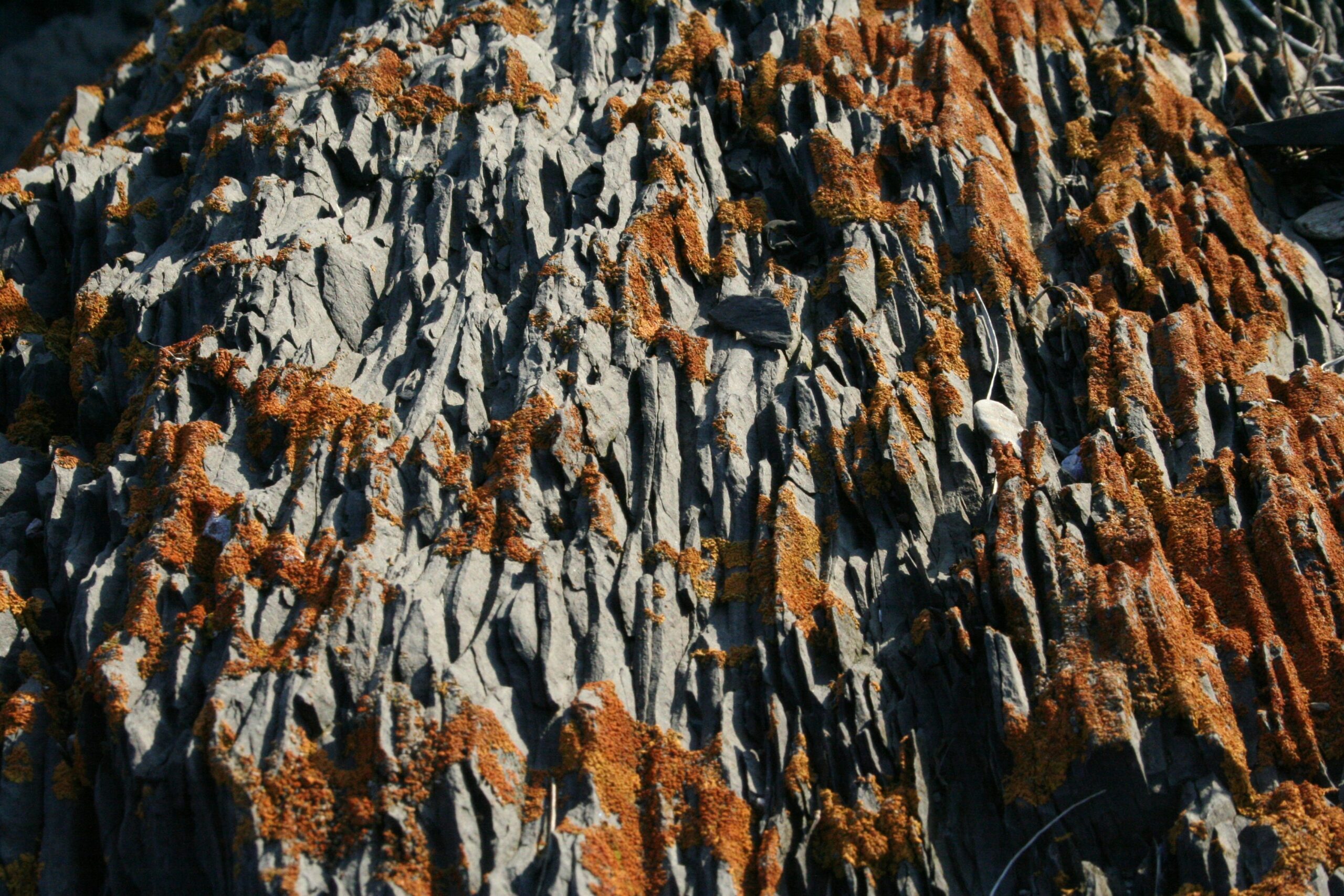
The hum of the projector faded, replaced by the slow, deliberate rumble of an awakening planet within the hushed darkness of the theater. This was not merely a film; it was an invitation, a deep dive into the very foundations of our existence. “Unearthing Earth: A Geology Documentary” is a cinematic odyssey that transcends the dry textbooks and sterile museum displays, offering a visceral and breathtaking exploration of the forces that have shaped, and continue to shape, our world.
From the fiery birth of molten rock to the slow, imperceptible creep of continents, the documentary meticulously unpacks the intricate tapestry of geological processes. It is a narrative woven not with human dialogue, but with the silent, powerful language of stone, seismic waves, and the ceaseless churn of the Earth’s interior. The filmmakers, clearly driven by a profound respect for their subject, have managed to distill millennia of scientific discovery into a visually stunning and intellectually stimulating experience. For anyone who has ever gazed at a mountain range with wonder, or felt the tremor of an earthquake, this is a journey of profound discovery.
The documentary begins at the very beginning, transporting the viewer back to a time before life, before oceans, before even a stable crust. The imagery is raw and dynamic, depicting the violent ballet of celestial bodies coalescing to form our nascent planet.
From Cosmic Dust to Molten Sphere
The opening sequences are a masterclass in visualizing the abstract. Through a stunning combination of CGI and expert narration, the film illustrates the accretion of dust and gas in the early solar system. The immense gravitational forces at play are conveyed through swirling nebulae and the insistent pull of nascent celestial bodies. The sheer scale of this process is humbling, a stark reminder of the cosmic lottery that brought our planet into being. The melting of the early Earth, a consequence of countless impacts and radioactive decay, is depicted with ferocious beauty. Rivers of molten rock flow across a pockmarked surface, a chaotic yet fundamental stage in planetary formation.
The Great Iron Catastrophe
A pivotal moment in Earth’s early history, the “Great Iron Catastrophe,” is brought to life with terrifying grandeur. The documentary explains how the collision with a Mars-sized protoplanet, Theia, is believed to have melted the Earth’s mantle and caused its heavier elements, primarily iron, to sink to the core. This separation of molten materials is crucial to understanding the development of our planet’s magnetic field and its internal dynamics, which are explored later in the film. The visual representation of this cataclysmic event is both awe-inspiring and fearsome, underscoring the violent forces present during Earth’s infancy.
The Birth of the Moon
While not solely the purview of geology, the formation of the Moon is intrinsically linked to early Earth’s history and is presented here as a direct consequence of these primordial events. The documentary dedicates a segment to the impact hypothesis, showcasing the scale of the collision and the resulting ejection of debris that coalesced to form our celestial companion. This event, while devastating, ultimately played a significant role in stabilizing Earth’s axial tilt and influencing tidal forces, shaping our planet’s environment in profound ways.
If you’re interested in exploring the fascinating world of geology through captivating visuals and expert insights, you might want to check out a related article that delves deeper into the subject. This article provides a comprehensive overview of geological formations and their significance in understanding Earth’s history. You can read more about it by visiting this link: Geology Documentary Insights.
The Slow Unfolding: Plate Tectonics in Motion
Once the initial chaos subsided and a semblance of a crust began to form, the real geological drama began: the relentless, yet incredibly slow, dance of the Earth’s tectonic plates. “Unearthing Earth” excels at making this vast, often invisible, process tangible.
The Earth’s Unyielding Skin
The documentary effectively breaks down the concept of the lithosphere, the rigid outer layer of the Earth, and its division into numerous plates. Animation sequences that trace the movement of these plates are particularly effective, illustrating how they float on the semi-fluid asthenosphere beneath. The concept of convection currents within the Earth’s mantle, the engine driving this tectonic movement, is explained with clear, concise visuals and analogies that make complex physics accessible. The idea of a dynamic, ever-shifting surface, rather than a static globe, is powerfully conveyed.
Convergence and Collision: Building Mountains
The formation of mountain ranges, iconic symbols of Earth’s power, is meticulously detailed. The film explores different types of plate boundaries, focusing on convergent boundaries where plates collide. The dramatic uplifts that occur when oceanic and continental plates meet, or when two continental plates crunch together, are visualized with breathtaking simulations of rock folding, faulting, and the subsequent erosion that sculpts these majestic peaks. The Himalayas and the Andes are presented not just as geological features, but as testaments to billions of years of sustained pressure and uplift. The sheer force and time involved in creating these colossal structures are emphasized, leaving the viewer with a profound appreciation for geological timescales.
Divergence and Creation: New Ocean Floors
Conversely, the documentary also illuminates the process of divergence at mid-ocean ridges. Here, plates pull apart, allowing magma from the mantle to rise and solidify, creating new oceanic crust. The visual depiction of underwater volcanoes and the steady expansion of the ocean floor is mesmerizing. The film uses sonar data and deep-sea submersible footage to provide an intimate look at these often-hidden geological nurseries. The mid-Atlantic Ridge is highlighted as a prime example of this ongoing creation, a testament to the Earth’s capacity for renewal.
Transform Faults and Slipping Continents
The subtle yet potent forces at play along transform fault boundaries, where plates slide past each other horizontally, are also explored. The San Andreas Fault is a prominent example, and the documentary effectively explains how the friction and stress build-up along these faults can lead to devastating earthquakes. The film avoids sensationalism, instead focusing on the scientific understanding of these seismic events as natural consequences of plate movement. The visual representation of fault lines and the potential for sudden release of energy provides a sobering yet important perspective on our dynamic planet.
The Deep Pulse: Understanding the Earth’s Interior

“Unearthing Earth” doesn’t stop at the surface; it delves deep into the planet’s hidden realms, revealing the secrets held within its core and mantle. The exploration of these internal structures is crucial to understanding the forces that drive surface geology.
The Mantle’s Fiery Heart
The documentary meticulously explains the layered structure of the Earth’s interior, focusing on the mantle. Through advanced seismic imaging and sophisticated models, the viewer is granted a glimpse into this vast, semi-molten region. The complex convection currents within the mantle, responsible for the movement of tectonic plates, are depicted with clarity. The film highlights the role of heat from the Earth’s core as the primary driver of these currents, illustrating the interconnectedness of our planet’s internal systems. The concept of plumes of hot mantle rising from the deep interior, leading to volcanic activity like the Hawaiian Islands, is explained with captivating visuals.
The Core: A Hidden Dynamo
The Earth’s core, a realm of extreme pressure and temperature, is presented as the planet’s engine. The documentary distinguishes between the solid inner core and the liquid outer core, emphasizing the latter’s crucial role in generating Earth’s magnetic field. The molten iron and nickel in the outer core, in constant motion, create electrical currents that shield our planet from harmful solar radiation. This invisible shield, a product of geological processes, is vital for life on Earth, and the film underscores this profound connection. The visualization of the magnetic field lines extending from the Earth is a powerful reminder of this unseen protective force.
The Source of Volcanic Fury
Volcanoes, often viewed as destructive forces, are presented in the documentary as vital conduits for the Earth to release internal heat and pressure. The film traces the journey of magma from the mantle to the surface, explaining the different types of volcanic eruptions and the geological settings in which they occur. From effusive lava flows to explosive ash clouds, the diversity of volcanic activity is showcased with stunning footage and scientific analysis. The documentary doesn’t just show the spectacle; it explains the underlying geological mechanisms, making each eruption a lesson in Earth science.
The Sculptors of Stone: Erosion and Weathering

While the powerful forces of plate tectonics and internal heat create the Earth’s surface features, it is the gentle, persistent work of erosion and weathering that sculpts them into the landscapes we recognize. “Unearthing Earth” dedicates significant time to these processes.
The Relentless Power of Water
Water, in its various forms, is depicted as a primary sculptor. The documentary showcases the erosive power of rivers carving canyons through millennia, the persistent work of ocean waves shaping coastlines, and the slow, steady melt of glaciers carving out valleys and fjords. Time-lapse photography and comparative imagery of landscapes over time effectively illustrate the dramatic impact of hydrological processes. The Grand Canyon, for instance, is presented not only as a majestic vista but as a testament to the enduring power of water over eons.
Wind and Ice: Nature’s Engravers
The role of wind and ice in shaping the land is also thoroughly explored. The documentary highlights how wind can create stunning desert formations like sand dunes and arches, and how glaciers, the slow-moving rivers of ice, have carved out U-shaped valleys and sculpted mountain peaks. The film utilizes drone footage and microscopic imagery to reveal the intricate patterns left by these enforcers of erosion. The stark beauty of glacial landscapes and the aerodynamic artistry of wind-sculpted rock are presented with equal fascination.
The Chemistry of Change: Chemical Weathering
Beyond the physical forces, the documentary also delves into the often-overlooked realm of chemical weathering. The slow breakdown of rocks and minerals through chemical reactions, often driven by rain and the presence of organic matter, is explained. The formation of soil, a vital component of terrestrial ecosystems, is directly linked to this process. The visualization of minerals dissolving and transforming over time provides a clear understanding of how even seemingly inert rock can be slowly decomposed.
If you’re fascinated by the intricate processes that shape our planet, you might enjoy exploring a related article that delves into the fascinating world of geological formations. This article provides insights into how various natural forces contribute to the Earth’s diverse landscapes. You can read more about it in this geology documentary, which offers a captivating look at the dynamic systems at play beneath our feet.
The Living Planet: Geology and Life’s Tapestry
| Documentary Title | Release Year | Duration (minutes) | Rating |
|---|---|---|---|
| Planet Earth: The Complete Collection | 2006 | 550 | 9.4/10 |
| Life on Earth | 1979 | 780 | 8.9/10 |
| Earth: The Biography | 2008 | 300 | 8.7/10 |
The documentary masterfully connects geological processes to the evolution and sustenance of life on Earth. It highlights how the planet’s dynamic geology has created and continues to influence the environments in which life thrives.
Earth’s Cradle: Oceans and Atmospheres
The formation of Earth’s oceans and atmosphere, critical for the emergence and survival of life, is presented as a direct consequence of geological activity. The outgassing of volcanoes released water vapor and other gases, forming our early atmosphere and eventually leading to the formation of oceans. The documentary emphasizes how the planet’s geological history provided the foundational conditions for life to begin and evolve.
A Dynamic Balance: Geology and Biology Intertwined
The interconnectedness of geological processes and biological evolution is a recurring theme. The film illustrates how geological events, such as volcanic eruptions and continental drift, have influenced climate change, mass extinctions, and the subsequent diversification of life. The formation of fertile soils from weathered rock, the presence of mineral resources essential for life, and the very habitability of our planet are all shown to be products of our dynamic geology. The visual juxtaposition of geological formations with the ecosystems they support creates a profound appreciation for this intricate relationship.
The Future’s Foundation: Resources and Resilience
“Unearthing Earth” concludes with a forward-looking perspective, emphasizing the importance of understanding our planet’s geological processes for managing its resources and building resilience against future environmental challenges. The documentary touches upon the formation of mineral deposits, the cycling of essential elements, and the ongoing impact of human activities on geological systems. It serves as a powerful reminder that our understanding of geology is not merely academic; it is essential for our survival and the well-being of future generations. The film leaves the audience with a sense of responsibility, urging them to appreciate and protect this incredible, living planet that we call home.

The Water Beneath America’s Breadbasket
FAQs
What is a geology documentary?
A geology documentary is a film or video production that explores various aspects of the Earth’s geology, including its formation, structure, and the processes that have shaped its surface over millions of years.
What topics are typically covered in a geology documentary?
Geology documentaries often cover a wide range of topics, including plate tectonics, volcanic activity, erosion, sedimentation, and the formation of mountains, valleys, and other geological features. They may also explore the impact of geological processes on the environment and human civilization.
What are the benefits of watching a geology documentary?
Watching a geology documentary can provide viewers with a deeper understanding of the Earth’s geological history and the forces that have shaped the planet. It can also help raise awareness about environmental issues and the importance of preserving natural resources.
Where can I find geology documentaries to watch?
Geology documentaries can be found on various streaming platforms, such as Netflix, Amazon Prime, and Hulu, as well as on educational websites and YouTube channels dedicated to science and nature documentaries.
Are geology documentaries suitable for all ages?
Geology documentaries are generally suitable for all ages, although some may contain complex scientific concepts that younger viewers may find challenging to understand. Parents and educators may want to preview documentaries to ensure they are appropriate for younger audiences.