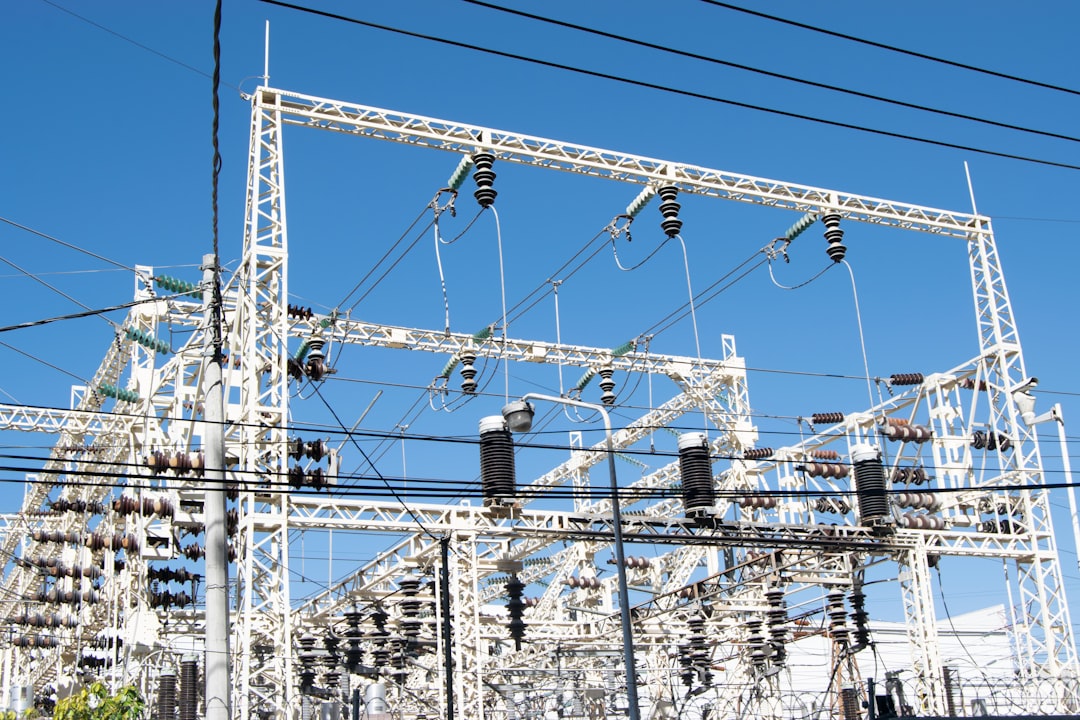
Transmission lines form the critical infrastructure for electrical power distribution, transporting electricity from generation facilities to end users. These lines operate within specific capacity constraints that define the maximum electrical power they can safely transmit without degrading performance or causing system failures. Transmission line capacity represents a fundamental parameter in power system design and operation, directly impacting grid reliability and efficiency as global electricity consumption increases.
Effective capacity management is necessary to maintain grid stability and prevent power outages. The transition to renewable energy sources has intensified focus on transmission line capacity limitations. Integrating variable generation from wind, solar, and other renewable technologies into existing electrical grids creates operational challenges related to power flow management and infrastructure utilization.
The intermittent nature of renewable sources requires transmission systems to accommodate fluctuating power levels while maintaining system stability. This analysis examines the technical factors that determine transmission line capacity, the consequences of operating beyond these limits, and current methods for optimizing capacity utilization to meet increasing electricity demand while integrating renewable energy resources.
Key Takeaways
- Transmission line capacity is constrained by thermal, voltage, and stability limits that ensure safe and reliable power delivery.
- Key factors affecting capacity include conductor properties, environmental conditions, and system load demands.
- Regular monitoring and maintenance are critical to prevent overloading and extend transmission line lifespan.
- Overloading transmission lines can lead to equipment damage, power outages, and reduced system reliability.
- Advances in technology and innovative strategies are essential to address future challenges and enhance transmission line capacity.
Factors Affecting Transmission Line Capacity
Several factors play a pivotal role in determining the capacity of transmission lines. One of the most significant is the physical characteristics of the line itself, including its length, material composition, and design. For instance, aluminum conductors are commonly used due to their lightweight and conductive properties, but they also have specific thermal and electrical limitations that must be considered.
The configuration of the transmission line, such as whether it is overhead or underground, also impacts its capacity. Overhead lines typically have higher capacity limits due to better cooling from ambient air compared to underground lines, which can be subject to higher thermal constraints. Environmental conditions further complicate the assessment of transmission line capacity.
Temperature fluctuations can significantly affect the performance of transmission lines; as temperatures rise, conductors expand, which can lead to sagging and increased resistance. Additionally, weather events such as storms or heavy snowfall can impose additional stress on transmission lines, potentially leading to failures if capacity limits are exceeded. Therefore, understanding both the physical and environmental factors is essential for accurately determining how much power a transmission line can handle safely.
Understanding Thermal Limits and Voltage Limits

Thermal limits and voltage limits are two critical parameters that define the operational boundaries of transmission lines. Thermal limits refer to the maximum temperature that a conductor can reach before it risks damage or failure. When a transmission line carries more current than it is designed for, it generates heat due to electrical resistance.
If this heat exceeds the thermal limit, it can lead to conductor sagging, insulation breakdown, or even catastrophic failure. Therefore, utilities must carefully monitor current loads to ensure they remain within safe thermal limits. Voltage limits, on the other hand, pertain to the maximum voltage that can be applied to a transmission line without causing insulation breakdown or other electrical failures.
High voltages are necessary for efficient long-distance power transmission; however, exceeding voltage limits can lead to arcing or flashover events that compromise system integrity. Both thermal and voltage limits are interrelated; as current increases, so does the voltage drop across a transmission line. Understanding these limits is vital for grid operators who must balance supply and demand while ensuring safety and reliability.
Importance of Monitoring and Maintenance
Regular monitoring and maintenance of transmission lines are essential for ensuring their longevity and operational efficiency. Advanced monitoring technologies allow utilities to track real-time data on line conditions, including temperature, current load, and environmental factors. This data is invaluable for identifying potential issues before they escalate into serious problems.
For instance, thermal imaging cameras can detect hotspots along transmission lines that may indicate excessive loading or equipment failure, enabling proactive maintenance measures. Moreover, routine maintenance practices such as vegetation management, equipment inspections, and structural assessments are crucial for preventing outages and ensuring that transmission lines operate within their capacity limits. Neglecting maintenance can lead to increased wear and tear on infrastructure, ultimately resulting in reduced capacity and reliability.
By investing in monitoring technologies and maintenance programs, utilities can enhance the resilience of their transmission networks and better meet the demands of an evolving energy landscape.
Impacts of Overloading Transmission Lines
| Transmission Line | Voltage Level (kV) | Thermal Capacity (MW) | Reactance (Ω) | Line Length (km) | Capacity Limit Reason |
|---|---|---|---|---|---|
| Line A | 230 | 300 | 0.15 | 50 | Thermal limit |
| Line B | 345 | 600 | 0.10 | 80 | Voltage stability |
| Line C | 138 | 150 | 0.25 | 30 | Thermal limit |
| Line D | 500 | 1000 | 0.08 | 120 | Stability limit |
| Line E | 230 | 280 | 0.18 | 60 | Thermal limit |
Overloading transmission lines can have severe consequences for both the infrastructure itself and the broader electrical grid. When lines are subjected to loads beyond their capacity limits, they can experience overheating, leading to physical damage such as conductor sagging or even breakage. This not only disrupts power delivery but also poses safety risks to nearby communities and infrastructure.
In extreme cases, overloaded lines can trigger cascading failures throughout the grid, resulting in widespread outages that can take days or even weeks to resolve. The economic implications of overloading are also significant. Utilities may incur substantial costs associated with repairs and lost revenue during outages.
Additionally, regulatory bodies may impose fines or penalties for failing to maintain reliable service standards. As energy demands continue to rise globally, understanding the impacts of overloading becomes increasingly critical for utilities striving to balance supply with demand while ensuring system reliability.
Strategies for Increasing Transmission Line Capacity
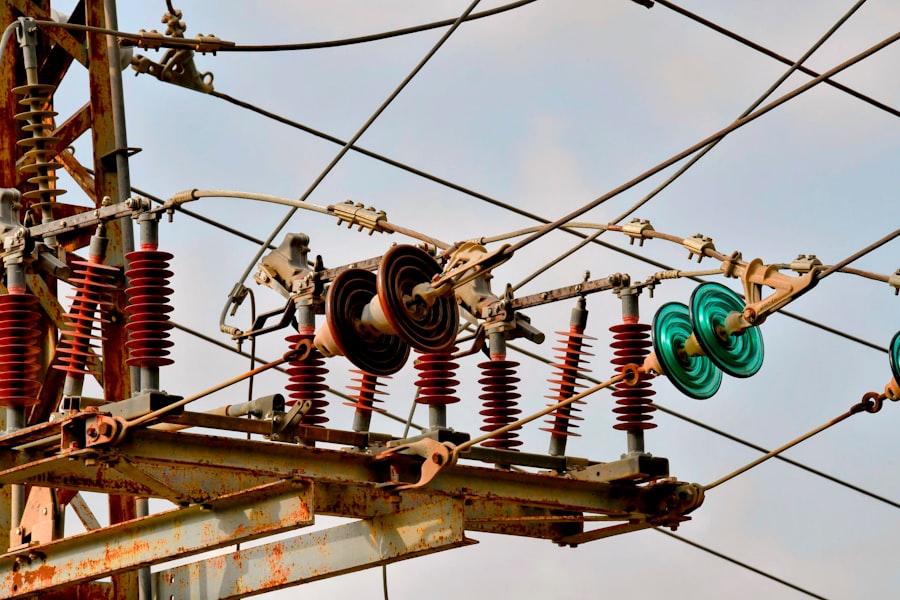
To address the challenges posed by increasing energy demands and aging infrastructure, utilities are exploring various strategies to enhance transmission line capacity. One approach involves upgrading existing lines with advanced materials that offer improved conductivity and thermal performance. For example, high-temperature superconductors (HTS) can carry significantly more current than traditional conductors without overheating, thereby increasing overall capacity.
Another strategy is the implementation of dynamic line rating (DLR) systems that allow utilities to adjust capacity limits based on real-time environmental conditions. By continuously monitoring factors such as temperature and wind speed, DLR systems enable operators to safely increase current loads during favorable conditions while reducing them during adverse weather events. This flexibility not only maximizes existing infrastructure but also enhances grid reliability by allowing for better integration of renewable energy sources.
Role of Technology in Managing Capacity Limits
Technology plays a crucial role in managing transmission line capacity limits effectively. Advanced monitoring systems equipped with sensors and data analytics capabilities provide utilities with real-time insights into line conditions and performance metrics. These technologies enable operators to make informed decisions regarding load management and maintenance scheduling, ultimately enhancing system reliability.
Moreover, smart grid technologies facilitate better communication between different components of the electrical grid. By integrating automated control systems with real-time data feeds, utilities can optimize power flow across transmission lines while minimizing losses and ensuring that capacity limits are not exceeded. The adoption of artificial intelligence (AI) and machine learning algorithms further enhances predictive maintenance capabilities by analyzing historical data patterns to forecast potential issues before they arise.
Future Challenges and Innovations in Transmission Line Capacity
As the energy landscape continues to evolve, several challenges lie ahead for managing transmission line capacity effectively.
Additionally, aging infrastructure presents ongoing maintenance challenges that require significant investment in upgrades and replacements.
However, these challenges also present opportunities for innovation.
For instance, developments in nanotechnology may lead to lighter yet stronger conductors that can carry more power without compromising safety or reliability.
In conclusion, understanding transmission line capacity limits is essential for ensuring a reliable electrical grid in an era of growing energy demands and renewable integration. By addressing the factors affecting capacity, implementing effective monitoring and maintenance practices, and leveraging technological advancements, utilities can enhance their ability to manage these critical infrastructures effectively. As they navigate future challenges and embrace innovations, the goal remains clear: to provide safe, reliable electricity while meeting the needs of a changing world.
Understanding the capacity limits of transmission lines is crucial for ensuring efficient energy distribution and preventing outages. A related article that delves into this topic can be found at this link, where various factors affecting transmission line capacity are discussed, including environmental impacts and technological advancements. This resource provides valuable insights for engineers and policymakers alike.
WATCH THIS! The Universe’s Speed Limit Is Changing (And Nobody Can Stop It)
FAQs
What are transmission line capacity limits?
Transmission line capacity limits refer to the maximum amount of electrical power that a transmission line can safely carry without overheating or causing damage to the infrastructure.
What factors determine the capacity limits of a transmission line?
The capacity limits are influenced by conductor size and material, ambient temperature, line length, voltage level, and environmental conditions such as wind speed and solar radiation.
Why is it important to adhere to transmission line capacity limits?
Exceeding capacity limits can lead to overheating, sagging of lines, increased losses, equipment damage, and potential power outages, compromising the reliability and safety of the power system.
How is the capacity of a transmission line measured?
Capacity is typically measured in amperes (current) or megawatts (power) and is calculated based on thermal ratings, voltage levels, and system stability considerations.
Can transmission line capacity limits change over time?
Yes, capacity limits can change due to factors like aging infrastructure, changes in environmental conditions, upgrades in conductor technology, or improved cooling methods.
What methods are used to increase transmission line capacity?
Methods include reconductoring with higher capacity conductors, increasing operating voltage, implementing dynamic line rating systems, and using advanced cooling techniques.
What is dynamic line rating in the context of transmission lines?
Dynamic line rating involves real-time monitoring of environmental conditions and line parameters to adjust the capacity limits dynamically, allowing for increased utilization without compromising safety.
How do environmental conditions affect transmission line capacity?
Environmental factors such as temperature, wind speed, and solar radiation impact the cooling of conductors, thereby affecting their thermal limits and overall capacity.
Are there regulatory standards governing transmission line capacity limits?
Yes, regulatory bodies and industry standards set guidelines and safety margins to ensure transmission lines operate within safe capacity limits to maintain system reliability.
What happens if a transmission line operates beyond its capacity limit?
Operating beyond capacity can cause conductor overheating, increased sag, accelerated aging, potential line failure, and increased risk of power outages or safety hazards.