The journey of a vessel, once a proud titan of the seas, eventually culminates in its retirement from active service. This final act, however, is not a simple cessation of operation, but rather a complex and often environmentally sensitive process known as ship dismantling, or shipbreaking. Far from being a straightforward act of demolition, it is a highly specialized industry that involves meticulous planning, rigorous safety protocols, and a deep understanding of material management and environmental stewardship. For centuries, ships have been broken down to reclaim valuable materials, but in the modern era, the process has evolved significantly, driven by increasing environmental regulations and a growing awareness of the ethical implications involved. Understanding this intricate process is crucial for appreciating the lifecycle of maritime assets and the challenges and responsibilities associated with their end-of-life management.
Before any metal is cut or any component is removed, a comprehensive and meticulous preparatory phase is undertaken. This stage is critical for ensuring the safety of workers, minimizing environmental impact, and maximizing the recovery of valuable materials. It involves a detailed assessment of the vessel, its cargo, and its condition, leading to the development of a comprehensive dismantling plan.
Vessel Inspection and Inventory
The first step in the preparation process is a thorough inspection of the ship. This inspection aims to identify all materials onboard, assess their condition, and determine their potential for reuse or recycling. It involves examining every compartment, from the engine room to the accommodation areas, and meticulously cataloging all equipment, machinery, and fittings. This inventory is vital for planning the sequence of dismantling operations, estimating the quantity of materials to be processed, and identifying any hazardous substances that may be present. Specialized surveys are conducted to assess the structural integrity of the hull and superstructure, as well as the condition of tanks, piping systems, and electrical components.
Hazard Identification and Management
Ships, by their very nature, can contain a multitude of hazardous materials. These can include asbestos insulation, lead-based paints, residual fuels and oils, refrigerants, batteries, and potentially even unexploded ordnance if the vessel had a military history. A critical part of the preparation is the identification and assessment of these hazards. This involves detailed surveys, material testing, and the consultation of ship’s records. Once identified, a comprehensive hazard management plan is developed. This plan outlines the procedures for safely removing, storing, and disposing of these hazardous materials in compliance with international and local environmental regulations. Specialized teams with the necessary training and protective equipment are often employed for these tasks.
Decontamination and Inerting
Before any cutting or welding begins, the vessel must be thoroughly decontaminated and rendered inert. This involves removing all residual fuels, oils, and other flammable substances from tanks, pipelines, and machinery. Any remaining vapors are purged and neutralized. Tanks that once held flammable materials are often filled with water or inert gas to prevent the risk of explosion during the cutting process. This meticulous decontamination process is paramount for preventing fires, explosions, and the release of harmful pollutants into the environment. It requires specialized equipment and expertise to ensure all potential ignition sources are eliminated.
Development of a Dismantling Strategy
Based on the vessel inspection, hazard assessment, and decontamination procedures, a detailed dismantling strategy is formulated. This strategy outlines the order in which different sections of the ship will be dismantled, the techniques to be employed, and the safety measures that will be implemented. It also considers the most efficient methods for separating different materials, such as steel, aluminum, copper, and plastics, for recycling. The strategy will often involve the use of specialized cutting tools, lifting equipment, and transportation methods. Factors such as the size and type of the vessel, the available infrastructure at the dismantling yard, and the market demand for recycled materials all influence the development of this strategy.
The ship dismantling process is a complex and crucial aspect of maritime industry practices, focusing on the safe and environmentally responsible deconstruction of vessels. For a more in-depth understanding of this process, you can refer to a related article that explains the various stages involved in ship dismantling, including the regulatory frameworks and safety measures that are essential for protecting both workers and the environment. To read more about this topic, visit this article on MyGeoQuest.
The Core Process: Cutting and Segregation
Once the vessel has been meticulously prepared, the actual dismantling process begins. This is a physically demanding and technically intricate operation that requires skilled labor and specialized equipment. The primary goal is to efficiently and safely break down the ship into manageable components while segregating different materials for optimal recycling.
Cutting Techniques and Equipment
The most common method for dismantling a ship’s hull and superstructure is hot cutting, typically using oxy-acetylene torches or plasma cutters. These tools generate intense heat, allowing skilled workers to slice through thick steel plates and structural members. The choice of cutting technique often depends on the thickness of the material, the specific location on the vessel, and the desired precision. For smaller components or in confined spaces, mechanical cutting tools like saws and shears may be employed. The process is highly controlled, with workers carefully maneuvering the cutting equipment to minimize collateral damage and ensure the safe separation of sections.
Hull Sectioning and Removal
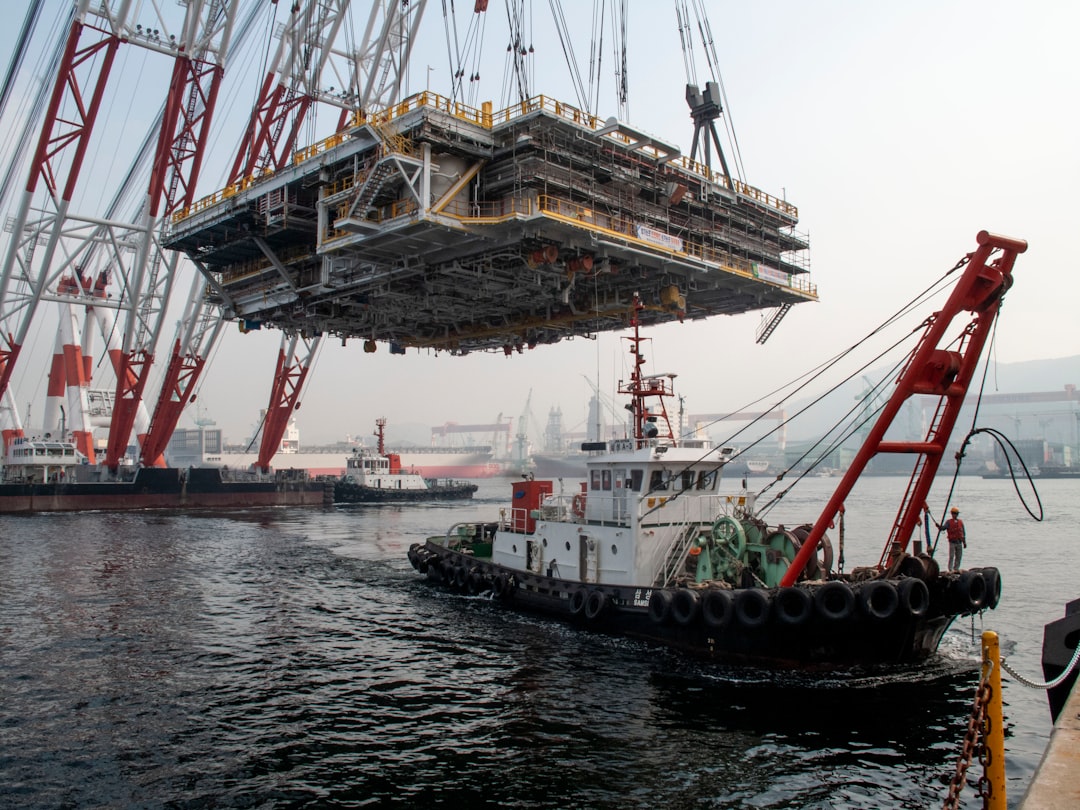
The massive hull of a ship is often too large to be dismantled in its entirety. Therefore, it is typically sectioned into smaller, manageable pieces. This can be done either in the water before the vessel is beached, or once it is securely positioned on the dismantling plot. Large cranes, often specialized floating cranes or those mounted on gantry systems, are used to lift these heavy sections. The size of the sections is determined by the lifting capacity of the available equipment and the logistics of transporting them within the dismantling yard. Careful planning is required to ensure the stability of the hull during this process.
Component Removal and Segregation
As the hull and superstructure are cut into sections, various components are removed and segregated. This includes engines, generators, pumps, navigation equipment, piping, wiring, and furnishings. Each of these components is assessed for its potential for reuse or resale as spare parts. Items that cannot be reused are then meticulously segregated by material type. Steel is the primary material recovered, but valuable non-ferrous metals like copper, brass, and aluminum are also carefully separated. Wood, plastics, and other materials are also collected and sorted, each destined for specific recycling streams. This segregation is crucial for maximizing the economic value of the dismantled vessel and ensuring that materials are processed efficiently.
Removal of Hazardous Materials (Post-Cutting)
While most hazardous materials are removed during the preparation phase, some may only become accessible or pose a risk once cutting has commenced. For example, residual chemicals within pipes or tanks might be exposed during the cutting process. The dismantling plan will include protocols for safely handling and removing any such newly identified hazardous substances, often involving specialized containment and disposal procedures. This underscores the dynamic nature of ship dismantling, where continuous vigilance and adaptability are essential.
Environmental Considerations and Waste Management
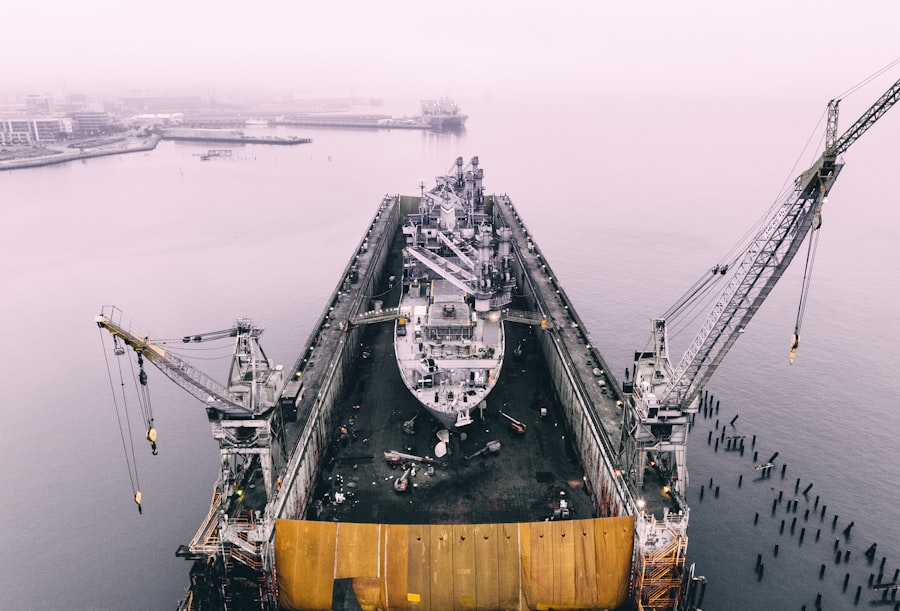
Ship dismantling, if not managed responsibly, can pose significant environmental risks. The industry has, however, made substantial strides in implementing best practices to minimize its ecological footprint. This involves a multi-faceted approach to waste management, pollution prevention, and the responsible handling of all materials.
Pollution Prevention Measures
Preventing pollution is a cornerstone of responsible ship dismantling. This includes measures to prevent the release of oils, fuels, and other hazardous liquids into the surrounding environment. Containment booms are often deployed around the vessel and dismantling area to capture any spills. Runoff water from the dismantling site is carefully collected and treated to remove any contaminants before being discharged. Strict protocols are in place to prevent the leakage of toxic substances from batteries, refrigerants, and other materials. Air pollution is also addressed through measures to control dust and fumes generated during cutting operations, often utilizing ventilation systems and dust suppression techniques.
Hazardous Waste Disposal and Treatment
The safe and legal disposal of hazardous materials is a critical aspect of ship dismantling. Asbestos, lead-based paints, and other toxic substances must be handled by specialized licensed contractors. These materials are typically transported to designated hazardous waste treatment facilities where they are rendered inert or disposed of in accordance with strict environmental regulations. The goal is to prevent these harmful substances from entering the general waste stream or contaminating soil and water. Compliance with international conventions like the Hong Kong Convention for the Safe and Environmentally Sound Recycling of Ships is increasingly becoming the benchmark.
Material Recycling and Reuse
The primary economic driver for ship dismantling is the recovery of valuable materials, predominantly steel. However, the modern industry places a strong emphasis on maximizing the recycling and reuse of as many components as possible. Steel is processed and re-melted to create new metal products. Non-ferrous metals, plastics, and even some ship components like engines and generators, if in good condition, can be refurbished and sold as spare parts or recycled into new products. This circular economy approach not only reduces waste but also conserves natural resources and reduces the energy required to produce new materials.
Landfill Minimization
A key objective in modern ship dismantling is to minimize the amount of waste sent to landfills. This is achieved through extensive segregation of materials and maximizing their recycling potential. Only materials that cannot be recycled or reused, and which are not hazardous, are typically destined for landfill. This commitment to waste reduction is a testament to the industry’s evolving environmental consciousness and its pursuit of sustainable practices.
Safety Protocols and Worker Welfare
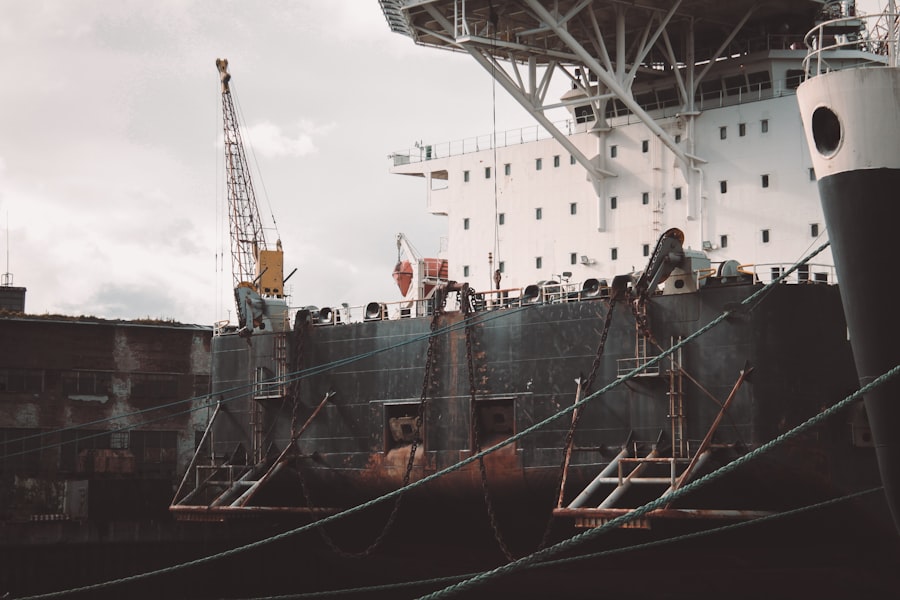
The ship dismantling industry is inherently hazardous, involving heavy machinery, high temperatures, and potentially dangerous materials. Consequently, stringent safety protocols and a strong emphasis on worker welfare are paramount.
Personal Protective Equipment (PPE)
All workers involved in ship dismantling are required to wear appropriate personal protective equipment (PPE). This includes safety helmets, sturdy footwear, protective clothing, eye protection, and hearing protection. For tasks involving cutting or handling hazardous materials, specialized PPE such as welding masks, respiratory protection, and chemical-resistant gloves are mandatory. Regular training and enforcement of PPE usage are crucial to prevent injuries.
Risk Assessment and Hazard Control
Before any operation begins, a thorough risk assessment is conducted to identify potential hazards. Control measures are then implemented to mitigate these risks. This can include establishing exclusion zones, implementing safe work procedures for lifting and cutting, and ensuring adequate ventilation in confined spaces. Regular safety inspections and audits are conducted to ensure that control measures are effective and that all safety regulations are being adhered to.
Training and Competency
Ship dismantling requires a highly skilled workforce. Workers undergo extensive training in various aspects of the process, including safe cutting techniques, equipment operation, hazardous material handling, and emergency response procedures. Continuous professional development and the assessment of competency are essential to maintain high safety standards.
Emergency Preparedness and Response
Despite rigorous safety measures, emergencies can still occur. Therefore, comprehensive emergency preparedness and response plans are in place. This includes having trained emergency response teams, readily available first-aid facilities, and clear procedures for dealing with fires, explosions, or accidents. Regular drills and simulations are conducted to ensure that workers are familiar with emergency protocols.
The ship dismantling process is a complex and environmentally sensitive operation that involves several stages, from decommissioning to recycling materials. For a more in-depth understanding of this intricate procedure, you can explore a related article that provides valuable insights into the various methods and regulations governing shipbreaking. This informative piece can be found at this link, where you will discover the challenges and innovations in the industry.
The Global Landscape of Ship Dismantling
| Stage | Description |
|---|---|
| Preparation | The ship is brought to the dismantling yard and all hazardous materials are removed. |
| Cutting | The ship is cut into smaller sections using torches or mechanical shears. |
| Recycling | The various materials such as steel, copper, and aluminum are separated and sent for recycling. |
| Waste Management | Hazardous waste such as asbestos and PCBs are properly disposed of according to regulations. |
Ship dismantling is a global industry, with dismantling yards located in various countries. The choice of location is often influenced by factors such as labor costs, environmental regulations, and the availability of infrastructure. However, this global distribution also presents challenges related to ensuring consistent safety and environmental standards across different regions.
Major Dismantling Hubs
Historically, and continuing to some extent today, the Indian subcontinent, particularly countries like India, Bangladesh, and Pakistan, has been a major hub for ship dismantling due to lower labor costs and simpler regulatory environments. However, this has also been associated with significant safety and environmental concerns. Other regions, such as Turkey, China, and parts of Europe, also have significant ship dismantling capabilities, often with more advanced infrastructure and stricter environmental controls.
Regulatory Frameworks and International Conventions
The increasing awareness of the environmental and social impacts of ship dismantling has led to the development of international regulations and conventions. The Hong Kong Convention for the Safe and Environmentally Sound Recycling of Ships, adopted by the International Maritime Organization (IMO), aims to establish a global framework for safe and environmentally sound ship recycling. It promotes higher standards for ship design, operation, and dismantling. Compliance with these conventions is becoming increasingly important for responsible ship owners and dismantling yards.
Ethical Considerations and Social Impact
Beyond environmental concerns, the ethical implications of ship dismantling are also a significant consideration. Issues such as worker safety, labor rights, and the impact on local communities are under increasing scrutiny. Responsible ship owners are increasingly opting for dismantling yards that demonstrate a commitment to fair labor practices and the well-being of their workers, moving away from the “cut and run” mentality that has sometimes characterized the industry. The rise of “green recycling” initiatives and certifications reflects this growing ethical awareness.
The Future of Ship Dismantling
The future of ship dismantling is likely to be shaped by a continued emphasis on environmental sustainability, worker safety, and ethical practices. Advancements in technology may lead to more automated and safer dismantling processes. Greater transparency and accountability throughout the supply chain will be expected, with ship owners taking more responsibility for the end-of-life management of their vessels. The industry will continue to evolve, driven by a commitment to minimizing its environmental footprint and ensuring the well-being of all involved. The move towards a truly circular economy in maritime asset management will be a defining characteristic of this evolution.

The Beaches Global Trade Can’t Afford to Lose
FAQs
What is ship dismantling?
Ship dismantling, also known as ship breaking, is the process of dismantling an old or decommissioned ship for the purpose of recycling its materials and components.
What are the steps involved in the ship dismantling process?
The ship dismantling process typically involves several steps, including pre-cleaning, removal of hazardous materials, cutting and dismantling of the ship’s structure, and recycling of the materials.
Where does ship dismantling take place?
Ship dismantling takes place in specialized shipbreaking yards, often located in developing countries such as India, Bangladesh, and Pakistan, where labor and environmental regulations may be less stringent.
What are the environmental and safety concerns associated with ship dismantling?
Ship dismantling can pose significant environmental and safety concerns, including the release of hazardous materials such as asbestos and heavy metals, as well as the risk of accidents and injuries to workers.
What are the regulations and standards governing ship dismantling?
There are international regulations and standards, such as the Hong Kong International Convention for the Safe and Environmentally Sound Recycling of Ships, aimed at improving the safety and environmental practices in ship dismantling yards. Additionally, some countries have their own regulations governing ship dismantling activities.