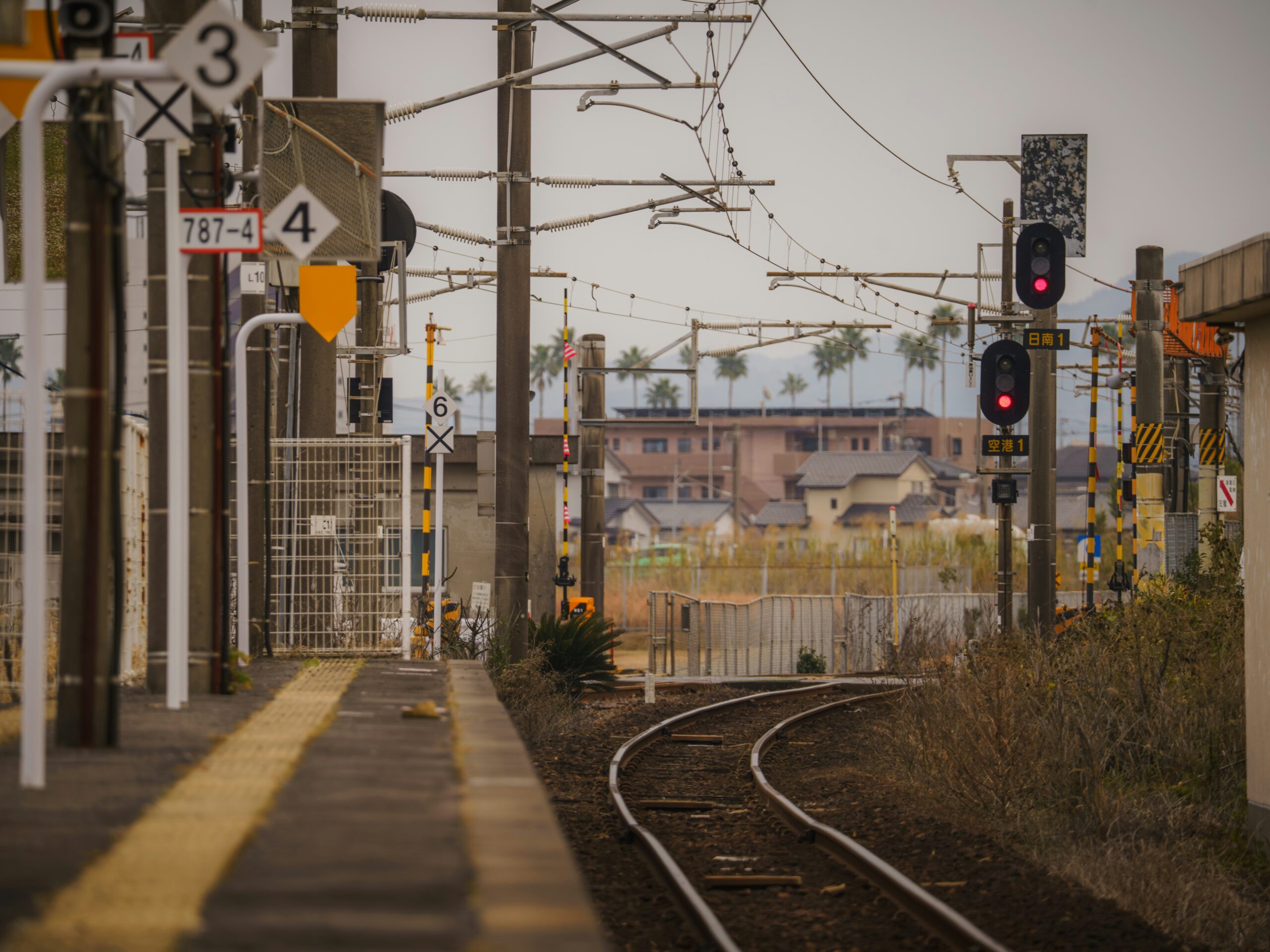
The organized track system, a cornerstone of efficient rail operations, represents a meticulously designed network of tracks, signals, and control mechanisms that dictate the movement of trains. Its primary objective is to maximize safety, optimize capacity, and ensure the seamless flow of rail traffic across vast distances. Understanding this intricate system is crucial for anyone involved in the railway industry, from operational staff to planners and engineers. It’s a complex interplay of physical infrastructure, electronic communication, and human oversight, all working in concert to prevent collisions, minimize delays, and maximize the utilization of precious railway assets.
At the heart of the organized track system lies the physical track itself. This is more than just two parallel steel rails; it’s a carefully engineered structure designed to withstand immense forces and ensure a smooth, stable passage for heavy rolling stock. The design and maintenance of this infrastructure are paramount to the safety and efficiency of the entire system.
Rails: The Guiding Path
The most visible component, rails, are specifically manufactured steel beams. They are engineered for strength, durability, and low friction. Their precise profile, known as the “head” and “foot,” is designed to guide the train wheels while providing a stable bearing surface. The weight of the rail, measured in pounds per yard (e.g., 136 lb/yd), is a critical factor in determining its load-carrying capacity and suitability for different traffic densities. Rails are laid on sleepers (or ties) which, in turn, are supported by ballast.
Types and Specifications of Rails
Rails come in various types, primarily distinguished by their weight and composition. Heavier rails are used on main lines carrying high-speed and heavy freight traffic, offering greater stability and wear resistance. Lighter rails are typically found on lighter-density lines, sidings, or industrial spurs. The steel alloy composition is also crucial, with additions of manganese and other elements enhancing hardness and resistance to fatigue. Modern rails are often continuously welded, eliminating the joints that were once a major source of noise, vibration, and wear.
Rail Joints and Expansion Gaps
While continuous welding is prevalent, some track still utilizes bolted rail joints. These joints are critical points that require regular inspection and maintenance. Expansion gaps are incorporated into jointed track to allow for thermal expansion and contraction of the rails due to temperature changes. Without these gaps, the rails could buckle under extreme heat, leading to catastrophic derailment. In continuously welded rail, internal stresses are managed through a process called stress-relieving during installation.
Sleepers (Ties): Spacing and Stability
Sleepers, historically made of wood, are now commonly constructed from reinforced concrete or steel. These elements are essential for holding the rails at the correct gauge (the distance between the inner faces of the rails) and transferring the load from the rails to the ballast. The spacing of sleepers is a critical design parameter; closer spacing provides greater support, particularly for heavier traffic.
Wood vs. Concrete Sleepers
Wood sleepers offer good elasticity and insulation but are susceptible to rot and insect damage. They require regular treatment and inspection. Concrete sleepers are more durable, resistant to decay, and can be heavier, providing better stability. However, they are less elastic than wood and can be prone to cracking under impact loads. Steel sleepers are durable but can be more expensive and offer less insulation.
The Role of Fastenings
Sleepers are secured to the rails by a system of fastenings. These include clips, bolts, and baseplates, which ensure a firm connection and transmit forces effectively. The type and condition of these fastenings are vital for maintaining track geometry and preventing any movement of the rails relative to the sleepers.
Ballast: The Load-Bearing Foundation
Ballast, typically crushed stone or gravel, forms the foundation upon which the sleepers rest. Its primary functions are to distribute the load from the sleepers over a wider area of the subgrade, provide drainage, and allow for resilient displacement under load. The quality and depth of ballast are critical for track stability, especially at high speeds.
Ballast Material and Gradation
The ballast material is carefully selected for its hardness, shape, and particle size distribution (gradation). Angular, crushed stone is preferred over rounded gravel because it interlocks better, providing greater lateral and longitudinal stability. The ballast layer must be well-drained to prevent waterlogging, which can compromise its load-bearing capacity and lead to track settlement.
Ballast Maintenance and Tamping
Over time, ballast can become fouled with dirt and debris, reducing its effectiveness. Regular maintenance, including ballast cleaning and tamping, is essential. Tamping involves mechanically inserting ballast back into the voids under the sleepers, restoring the track’s profile and stability.
For a deeper understanding of the organized track system and its applications in various fields, you can refer to the article available at this link. This resource provides valuable insights into how organized track systems enhance efficiency and organization in both transportation and logistics, making it a must-read for anyone interested in the subject.
Signaling Systems: The Language of Movement
Beyond the physical tracks, the organized track system relies heavily on sophisticated signaling systems to communicate instructions to train drivers and control train movements. These systems are the nerve center, ensuring that trains operate safely and efficiently without conflicting with each other.
Fixed Signals: Permanent Visual Cues
Fixed signals are permanently installed along the track, providing drivers with vital information about the state of the track ahead. These can range from simple semaphore signals used in older systems to the complex color-light signals found on modern railways.
Color-Light Signals
Modern railways predominantly use color-light signals. Red indicates “stop,” yellow indicates “caution” (prepare to stop at the next signal), and green indicates “clear” (proceed at full speed). Variations like flashing yellows or reds, and multiple aspects (combinations of colors), provide more nuanced instructions, such as speed restrictions or directives to change tracks.
Semaphore Signals
While largely superseded, semaphore signals, with their moving arms, are still in use in some heritage lines or as backup systems. Their position dictates the signal aspect, with horizontal typically meaning stop and inclined meaning proceed.
Cab Signaling: In-Cab Information
To enhance safety and awareness, many modern systems incorporate cab signaling. This technology transmits signal aspects directly into the driver’s cabin, displayed on screens within the locomotive. This ensures that the driver is aware of signal indications even in conditions of poor visibility, such as fog or heavy rain.
Automatic Train Protection (ATP)
Cab signaling is often integrated with Automatic Train Protection (ATP) systems. ATP actively monitors train speed and compares it to the permitted speed dictated by the signal indications. If the train exceeds the authorized speed or passes a red signal, the ATP system will automatically apply the brakes.
Interlocking: Preventing Conflicting Movements
Interlocking is a critical safety principle that ensures signals and points (switches) are operated in a way that prevents conflicting train movements. In essence, it’s a system of logic that only allows a signal to display a “clear” aspect if the route ahead is set and protected.
Mechanical Interlocking
Older systems used mechanical interlocking, where levers in a signal box were physically linked to operate both signals and points. This provided a robust but labor-intensive method of control.
Electronic and Computer-Based Interlocking
Modern interlocking systems are electronic or computer-based. These systems use sophisticated software to manage complex logic and communication, offering greater flexibility, reliability, and the ability to control larger areas of track from a central location.
Train Control Systems: Orchestrating the Flow

Train control systems are the sophisticated brains behind the organized track system, managing the movement of trains in real-time. They integrate signaling, track information, and train performance data to optimize traffic flow and ensure safety.
Block Systems: Dividing the Track
Block systems are fundamental to train control, dividing the track into sections known as “blocks.” Only one train is allowed in a block at a time to prevent collisions. The type of block system employed significantly influences the capacity of the line.
Manual Block Systems
In manual block systems, signalmen communicate with each other by telegraph or radio to ensure that blocks are clear before authorizing a train to enter. This is the simplest but least efficient form of block system.
Automatic Block Signaling (ABS)
ABS uses track circuits to detect the presence of trains. When a train enters a block, it shunts the track circuit, causing the signal protecting that block to display a “stop” aspect. As the train clears the block, the track circuit is re-established, and the signal returns to “clear” if the conditions allow. This allows for closer train spacing.
Moving Block Systems
Moving block systems, the most advanced, allow for closer train headways. Instead of fixed blocks, they define movement authorities based on the distance to the next train. This significantly increases line capacity, particularly for high-frequency services.
Centralized Traffic Control (CTC): The Command Center
Centralized Traffic Control (CTC) is a system where an operator in a central control room monitors and controls train movements over a large area of track. CTC operators have a clear overview of the entire network, including the status of all signals, points, and train locations.
Functions of CTC
CTC operators can remotely set points, change signals, and issue movement authorities to trains. This centralized control allows for rapid response to disruptions, efficient routing of trains, and optimal utilization of the track network. It is highly reliant on reliable communication systems.
Benefits of CTC
The primary benefits of CTC are increased safety, improved efficiency, and enhanced operational flexibility. It reduces the need for numerous manual signal boxes and allows for better management of complex junctions and networks.
Communication Networks: The Lifeline of the System

Reliable and efficient communication is the lifeblood of any organized track system, enabling the seamless flow of information between trains, control centers, and maintenance crews.
Radio Communication: Voice and Data
Train radio systems enable direct voice communication between train drivers and control centers. Modern systems also incorporate data transmission capabilities, allowing for the transmission of vital information such as train positions, speed, and status updates.
Digital Mobile Radio (DMR)
Digital Mobile Radio (DMR) is becoming increasingly prevalent in railway communications, offering improved audio quality, greater spectral efficiency, and enhanced data capabilities compared to older analog systems.
Trackside Communication Systems
Beyond radio, trackside communication infrastructure includes vital components such as signal boxes, track circuits, and the wiring that connects them all. These provide the physical backbone for signaling and control.
Fiber Optic Networks
Fiber optic cables are increasingly being deployed for railway communication due to their high bandwidth, immunity to electromagnetic interference, and long transmission distances. They are essential for modern CTC and train control systems.
Global System for Mobile Communications – Railway (GSM-R): A Dedicated Network
GSM-R is a specialized mobile telecommunications system designed for railways. It operates on dedicated frequencies and provides reliable voice and data communication specifically tailored to the needs of railway operations, including emergency call functions and data services for train control.
The Evolution to Future Railway Mobile Communication (FRMCS)
GSM-R is gradually being phased out, with plans for its replacement by the Future Railway Mobile Communication (FRMCS) system, based on the 5G standard, which promises even higher bandwidths and lower latency for enhanced train control and operational efficiency.
The organized track system is a fascinating topic that enhances our understanding of geographical data management. For those interested in exploring this subject further, a related article can be found at MyGeoQuest, which delves into various applications and benefits of such systems in modern mapping technologies. This resource provides valuable insights into how organized track systems can streamline data collection and improve navigation efficiency.
Operational Procedures and Human Oversight: The Crucial Human Element
| Track System | Explanation |
|---|---|
| Definition | An organized track system is a method of categorizing and managing different types of content or tasks within a system or platform. |
| Purpose | To provide a structured way to organize and prioritize work, projects, or content for efficient management and tracking. |
| Benefits | Improved visibility, better organization, enhanced collaboration, and streamlined workflow management. |
| Examples | Agile boards, project management tools, content management systems, and task tracking software. |
While technology forms the backbone of the organized track system, human operators and well-defined procedures remain indispensable. The judgment and actions of railway personnel are critical for maintaining safety and responding to unexpected situations.
Rules and Regulations: Standardized Practices
A comprehensive set of rules and regulations governs every aspect of railway operation. These are developed by regulatory bodies and railway operators, covering everything from train dispatching and speed limits to emergency procedures and personnel training. Adherence to these rules is paramount.
Rulebook Compliance
Train drivers, signalmen, and other operational staff undergo rigorous training to understand and comply with the relevant rulebooks. Regular audits and inspections ensure that procedures are being followed correctly.
Dispatching and Timetabling: Planning the Journey
Train dispatching involves the real-time management of train movements to adhere to the published timetable. Dispatchers are responsible for ensuring that trains run on schedule, managing any delays, and making necessary adjustments to the train plan.
Timetable Optimization
Timetables are meticulously planned to optimize line capacity, minimize journey times, and meet passenger and freight demands. This involves complex scheduling algorithms that consider track availability, junction capacity, and the performance of different types of trains.
Managing Disruptions and Emergencies
In the event of a failure, accident, or other disruption, established emergency procedures are activated. This involves clear communication protocols, mobilization of response teams, and prioritized restoration of services. The organized track system is designed with redundancies to mitigate the impact of unforeseen events.
Safety Culture: A Proactive Approach
A strong safety culture is essential within the railway industry. This fosters an environment where safety is prioritized above all else, and where all personnel are encouraged to report potential hazards and near misses without fear of reprétails.
Safety Reporting and Investigation
When incidents occur, thorough investigations are conducted to identify root causes and implement preventative measures. This continuous learning process is vital for improving the safety and reliability of the organized track system.
Continuous Training and Competency Assurance
Railway personnel undergo continuous training and competency assessments to ensure they possess the skills and knowledge required for their roles. This is particularly important as technology evolves and operational procedures are updated. The organized track system, with its reliance on intricate technology and rigorous procedures, is a testament to the ongoing effort to ensure safe and efficient rail transportation for passengers and freight alike. Its evolution continues, driven by technological advancements and the constant pursuit of enhanced safety and capacity.

The Invisible Highways That Cross the Atlantic
FAQs
What is an organized track system?
An organized track system is a method of managing and controlling the movement of trains on a railway network. It involves dividing the tracks into sections and using signals and switches to direct train traffic.
How does an organized track system work?
In an organized track system, each section of track is equipped with signals that indicate whether the section is clear or occupied by a train. Trains are then directed to move from one section to another using switches and signals controlled by a centralized system.
What are the benefits of an organized track system?
An organized track system helps to improve the efficiency and safety of train operations. It allows for better coordination of train movements, reduces the risk of collisions, and enables more precise scheduling of trains.
What are the different components of an organized track system?
Key components of an organized track system include signals, switches, track circuits, and a centralized control system. Signals indicate the status of track sections, switches direct trains to different tracks, and track circuits detect the presence of trains.
How is an organized track system different from other railway control methods?
An organized track system differs from other railway control methods, such as manual block signaling or centralized traffic control, in its use of automated signals and switches to manage train movements. This allows for more precise and efficient control of train traffic.