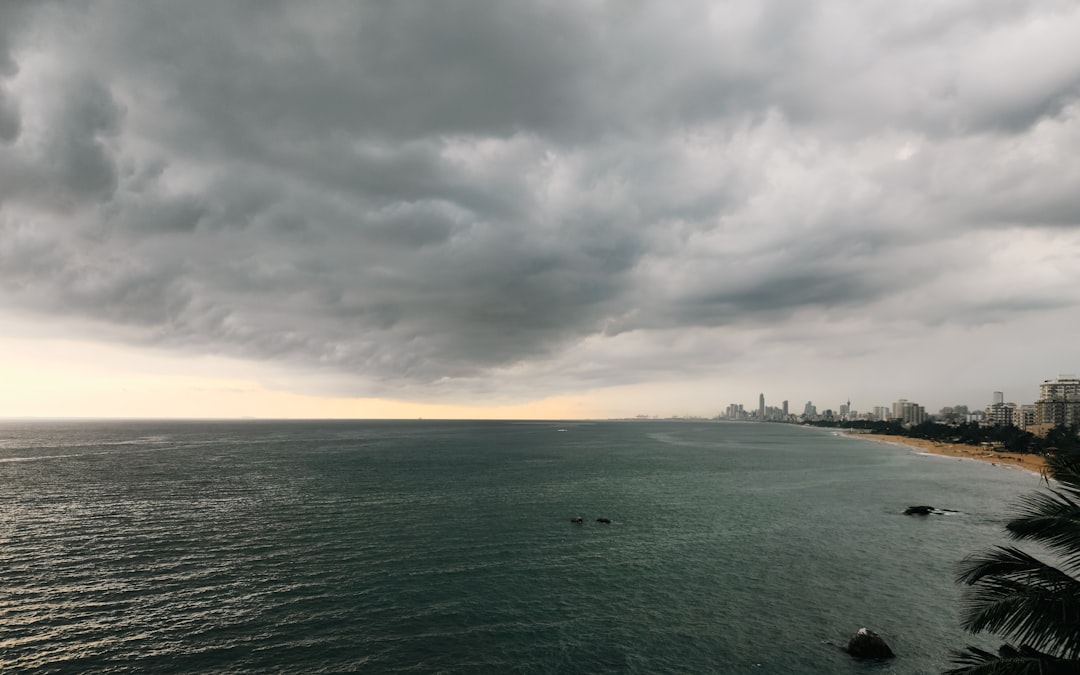
Sri Lanka’s weather is a bit of a fascinating puzzle, and a big part of that is its dual monsoon system. You might be wondering what that actually means for the island and when you’re likely to experience rain or sunshine. In essence, Sri Lanka doesn’t just have one rainy season; it has two distinct periods when the prevailing winds bring significant rainfall, but these don’t happen all over the island at the same time. This means different parts of the country experience their wettest weather at different times of the year. Understanding this rhythm is key if you’re planning a trip, growing crops, or just generally curious about how the climate works.
At its heart, Sri Lanka’s monsoon system is driven by large-scale atmospheric pressure differences between the landmasses of Asia and the Indian Ocean. During the year, the intensity of sunlight heating these vast areas shifts, creating zones of lower or higher pressure. Winds are naturally drawn to areas of low pressure, and these winds, as they travel across the ocean, pick up moisture. When they meet land, often forced upwards by mountains, this moisture condenses and falls as rain.
The Seasonal Shift: From Land to Sea and Back Again
The fundamental principle behind the monsoons is the differential heating of land and sea. Land heats up and cools down much faster than the oceans.
Summer: The Southwest Monsoon Dominates
When the landmass of India gets intensely hot during the Northern Hemisphere’s summer months (roughly from May to September), a massive low-pressure system forms over it. This draws moist air from the vast, cooler Indian Ocean towards the subcontinent. Sri Lanka, situated to the south of India, lies directly in the path of this moisture-laden air.
Bringing the Rain to the Southwest
This is where the “southwest” in the Southwest Monsoon comes from – it’s the direction the wind is blowing from. As these winds sweep across the ocean and reach Sri Lanka, they encounter the island’s western and southern coastlines and its central highlands. The higher elevations act as a natural trigger for rainfall.
Coastal Influence
The southwestern coastal regions of Sri Lanka, including popular tourist destinations like Colombo, Galle, and Bentota, receive a substantial amount of rain during this period. This doesn’t mean it rains constantly, but you can expect frequent showers and thunderstorms, particularly in the afternoons and evenings.
Highland Impact
The central highlands, a region known for its tea plantations, also experience heavy rainfall from the Southwest Monsoon. The mountains force the moist air upwards, leading to cooler temperatures and significant precipitation. This is crucial for the island’s tea production.
Winter: The Northeast Monsoon Takes Center Stage
As the Northern Hemisphere transitions into winter (roughly from December to February), the roles reverse. The vast landmass of Asia cools down considerably, creating a high-pressure area. At the same time, the Indian Ocean remains relatively warmer, creating a low-pressure zone.
The Winds Reverse Direction
This pressure gradient causes winds to flow from the cooler, drier continental interior of Asia outwards towards the warmer ocean. For Sri Lanka, this meanswinds now blow predominantly from the northeast.
The Dry Zone Receives the Bulk
Unlike the Southwest Monsoon, the Northeast Monsoon doesn’t dump its heaviest rain on the southwestern parts of the island. Instead, its moisture-laden winds travel across the Bay of Bengal, pick up humidity, and then primarily impact the northeastern, northern, and eastern parts of Sri Lanka.
####### Eastern Coastal Showers
Regions like Trincomalee, Batticaloa, and the Passikudah coast are the beneficiaries of the Northeast Monsoon. This period is their primary rainy season, and the rainfall is vital for replenishing water resources in these drier areas.
####### Inland Northern Impact
The northern parts of the island, including areas around Jaffna, also experience significant rainfall during this time. This is a crucial period for agriculture in these regions.
The dual monsoon system in Sri Lanka plays a crucial role in shaping the island’s climate and agricultural patterns. For a deeper understanding of this phenomenon, you can explore a related article that delves into the intricacies of the monsoon dynamics and their impact on the region’s weather patterns. To read more about it, visit this article.
The Inter-Monsoon Periods: Transitional Weather Patterns
Between the two major monsoons, Sri Lanka experiences transitional periods known as inter-monsoon periods. These are not periods of no weather change, but rather times when the dominant monsoon winds weaken and their influence lessens, allowing for different weather patterns to emerge.
First Inter-Monsoon: Transitioning from Northeast to Southwest
This first inter-monsoon period typically occurs from March to April. As the Northeast Monsoon starts to wane and the intense heat builds up over peninsular India, indicating the approaching Southwest Monsoon, the weather can be quite variable.
Hot and Humid Conditions
During this time, Sri Lanka often experiences hot and humid weather. The cool, dry winds of the Northeast Monsoon have largely subsided, and the moist, warm air of the Southwest Monsoon hasn’t yet fully established itself.
Afternoon Thunderstorms
This is a period characterized by warm days and a higher likelihood of localized, intense thunderstorms, particularly in the afternoons and evenings. These storms can be quite dramatic, featuring heavy downpours, strong winds, and lightning.
Inland Heating
The inland areas, away from the immediate coast, tend to experience the most pronounced heating during this period, contributing to the instability in the atmosphere that fuels these thunderstorms.
Second Inter-Monsoon: Shifting Back from Southwest to Northeast
The second inter-monsoon period occurs after the Southwest Monsoon has passed, roughly from October to November. As the Southwest Monsoon winds retreat and the atmospheric pressures begin to shift towards the setup for the Northeast Monsoon, another transitional phase unfolds.
Similarities to the First Inter-Monsoon
This period shares many characteristics with the first inter-monsoon. It’s a time of transition, and while the southwest monsoon is weakening, the northeast monsoon hasn’t yet taken full control.
Increased Rainfall in Specific Areas
However, the significant feature of this second inter-monsoon is that the direction of the winds begins to shift, and with that shift, rainfall becomes more prevalent in the southwestern parts of the island again, but this time driven by a different wind pattern. The winds are not as strong or as consistent as during the primary Southwest Monsoon.
Influence of Convection
This rainfall is often a result of convective activity, meaning the atmosphere becomes unstable due to heating and moisture, leading to thunderstorms and showers. While the main southwest monsoon brings sustained rain, this period sees more sporadic, though often heavy, downpours.
Regional Variations: Where the Rain Falls and When
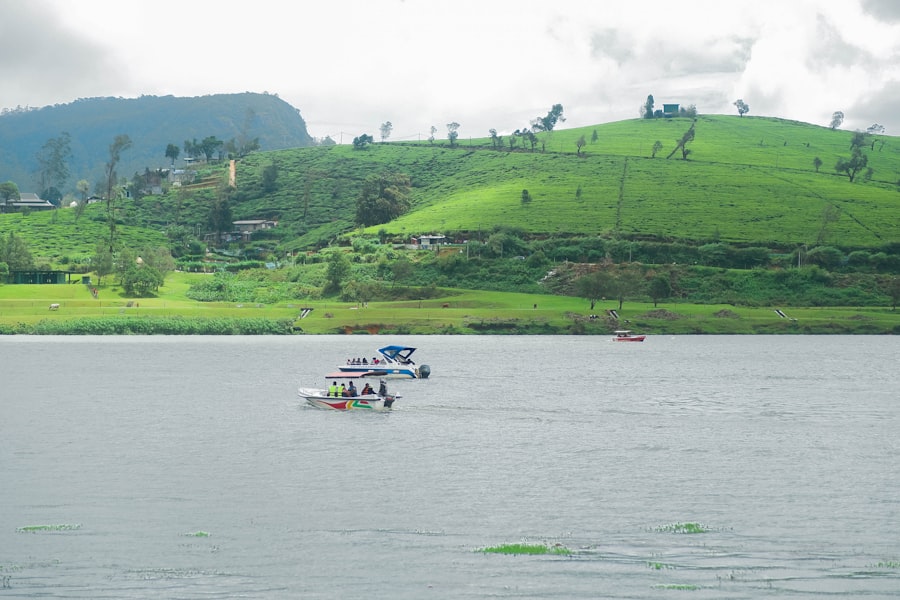
The dual monsoon system creates distinct climatic zones across Sri Lanka, making it crucial to understand regional differences when considering travel or other activities.
The Wet Zone: Experiencing Rainfall Year-Round
Sri Lanka’s southwestern quadrant is often referred to as the “wet zone.” This area receives substantial rainfall throughout the year, though the intensity and timing are dictated by the monsoons.
Southwest Monsoon’s Primary Impact
The Southwest Monsoon from May to September is the dominant rainfall provider for the western coasts, the southern regions, and the central highlands. This is their wettest period, characterized by frequent and often prolonged showers.
Northeast Monsoon’s Secondary Influence
While the Northeast Monsoon’s primary impact is elsewhere, the wet zone still experiences some rainfall during this period (December to February). This is often in the form of intermittent showers, not the heavy downpours seen in the Northeast.
Inter-Monsoon Contributions
The inter-monsoon periods also contribute to the overall rainfall in the wet zone, particularly with the development of afternoon thunderstorms during those transitional months.
The Dry Zone: Relying on Specific Monsoons
In contrast, the northern, eastern, and southeastern parts of the island constitute the “dry zone.” This region experiences a more pronounced dry season and relies heavily on specific monsoons for its water needs.
Northeast Monsoon’s Crucial Role
The Northeast Monsoon, from December to February, is the lifeline of the dry zone. This is their main rainy season, and the rainfall is crucial for agriculture and replenishing reservoirs. Without this monsoon, these regions would face severe water scarcity.
Southwest Monsoon’s Limited Impact
The Southwest Monsoon has a much less significant impact on the dry zone. Any rainfall it brings is usually minimal and often occurs on the fringes of this region, particularly in the southeastern areas.
Inter-Monsoon Variability
The inter-monsoon periods in the dry zone can be quite variable. They can be hot and dry, or they might experience some localized convective rainfall, but not with the consistency of the major monsoons.
Impact on Agriculture: A Seasonal Rhythm for Farming
Sri Lanka’s agricultural calendar is intrinsically linked to its dual monsoon system. Farmers have adapted their planting and harvesting schedules over centuries to align with the predictable (mostly) arrival of rain.
Paddy Cultivation: Synchronizing with the Rains
Paddy (rice) is the staple crop of Sri Lanka, and its cultivation is heavily dependent on rainfall. The timing of planting is critical to ensure adequate water supply for different growth stages.
Maha Season: The Bigger Rains
The Maha season, typically running from September/October to March/April, benefits from the Northeast Monsoon. This is a larger cultivation season, particularly in the dry zone, as the Northeast Monsoon brings the much-needed rains to these regions.
Yala Season: The Lesser Rains
The Yala season, from May to August, relies on the Southwest Monsoon, aligning with the wetter conditions in the southwest and central parts of the island. While it’s a significant season, it’s often considered the “lesser” season compared to Maha in terms of overall acreage cultivated.
Irrigation’s Importance
In areas within the dry zone that receive less rainfall during the Yala season, irrigation systems become vital. These systems store water collected during the Maha season or from other reliable water sources to sustain crops.
Other Crops: Tea, Rubber, and Coconut
While paddy is paramount, other major crops also feel the monsoon’s influence.
Tea Estates in the Highlands
The tea plantations of the central highlands are in the wet zone and receive ample rainfall from the Southwest Monsoon. This consistent moisture is ideal for tea growth and contributes to the quality and yield of Sri Lankan tea.
Rubber and Coconut Cultivation
Rubber and coconut, crops grown in various parts of the island including the wet zone, also benefit from rainfall. However, their cultivation can be more resilient to slight variations in monsoon patterns compared to paddy, especially when established in suitable locations.
Drought and Flood Risks
Despite the general predictability, deviations from the monsoon patterns can lead to significant challenges. Prolonged droughts can devastate crops, while excessive rainfall can cause flooding, damaging fields and infrastructure.
The dual monsoon system in Sri Lanka plays a crucial role in shaping the island’s climate and agricultural patterns. For a deeper understanding of how this unique weather phenomenon operates and its impact on the environment, you can explore a related article that delves into the intricacies of monsoon dynamics. This informative piece can be found at MyGeoQuest, where you will discover valuable insights into the seasonal variations and their significance for the region.
Planning Your Visit: Navigating Sri Lanka’s Weather
| Monsoon | Period | Impact |
|---|---|---|
| Southwest Monsoon | May to September | Brings heavy rainfall to the southwestern region of Sri Lanka |
| Northeast Monsoon | December to February | Brings rainfall to the northeastern region of Sri Lanka |
If you’re planning a trip to Sri Lanka, understanding the monsoon system can help you choose the best time to visit specific regions and pack accordingly.
Southwest Coast and Highlands: Seeking Sunshine
If your ideal holiday involves lounging on the beaches of the southwest coast (think Galle, Mirissa, Unawatuna) or exploring the verdant hills of Nuwara Eliya or Ella, you might want to aim for the period when the Southwest Monsoon is less active.
The Dry Months for the Southwest
The period from December to March generally offers the most favorable weather for this region. These are the driest months, with plenty of sunshine and less humidity, making it perfect for outdoor activities and beach relaxation.
Shoulder Seasons for Mixed Weather
The shoulder months of April and November can offer a transition. You might experience some rain, but often it’s in the form of short, intense showers followed by sunshine.
East Coast and North: Embracing the Rainy Season
Conversely, if you’re interested in visiting the beaches of the east coast (like Trincomalee, Uppuveli, Nilaveli) or exploring the cultural sites in the north (Jaffna), then timing your visit during their primary monsoon season might not be ideal for a beach holiday, but it’s when the regions are at their greenest.
East Coast’s Peak Season
The best time for the east coast is during the Northeast Monsoon’s drier period, which often extends from April to September. This is when the skies are clearest and the seas are calmer for water activities.
Northeast Monsoon’s Rainy Period
The months of October to January are when the Northeast Monsoon brings rain to the eastern and northern parts of the island. This period can see significant rainfall, making it less suitable for a typical sun-and-sand holiday in these specific areas.
Cultural Exploration in the Rainy Season
However, even during the rainy season, visiting the north and east can be rewarding for cultural exploration. The landscapes are lush, and there are fewer tourists, offering a more serene experience.
Central Highlands: Year-Round Appeal with Nuances
The central highlands, with their cooler climate and tea plantations, have a more year-round appeal. However, even here, monsoons play a role.
Southwest Monsoon’s Impact on the Hills
The Southwest Monsoon (May to September) brings significant rain to the highlands, contributing to their lush greenery. While expect showers, it’s not usually a deterrent to visiting.
Northeast Monsoon’s Drier Spell
The Northeast Monsoon period (December to February) tends to be drier and cooler in the highlands, making it a popular time for tourists seeking cooler temperatures.
Inter-Monsoon Showers
Remember that afternoon thunderstorms can occur during the inter-monsoon periods in the highlands, so an umbrella is always a good idea.
FAQs
What is the dual monsoon system in Sri Lanka?
The dual monsoon system in Sri Lanka refers to the two distinct monsoon seasons that affect the country’s weather patterns. The southwest monsoon occurs from May to September, bringing heavy rainfall to the southwestern regions, while the northeast monsoon occurs from December to February, affecting the northeastern parts of the country.
How does the dual monsoon system impact Sri Lanka’s climate?
The dual monsoon system plays a crucial role in shaping Sri Lanka’s climate, as it brings the majority of the country’s annual rainfall. The southwest monsoon brings rain to the southwestern regions, while the northeast monsoon brings rain to the northeastern parts of the country. This pattern influences agriculture, water resources, and overall weather conditions in Sri Lanka.
What are the effects of the dual monsoon system on agriculture in Sri Lanka?
The dual monsoon system is essential for agriculture in Sri Lanka, as it provides the necessary rainfall for crop cultivation. The southwest monsoon brings rain to the paddy fields in the southwestern regions, while the northeast monsoon supports agriculture in the northeastern parts of the country. Farmers rely on these monsoon seasons for successful crop production.
How does the dual monsoon system impact water resources in Sri Lanka?
The dual monsoon system significantly impacts water resources in Sri Lanka, as it replenishes reservoirs, rivers, and groundwater levels. The rainfall from both monsoon seasons contributes to the country’s water supply, which is essential for drinking water, irrigation, and hydroelectric power generation.
What are the challenges associated with the dual monsoon system in Sri Lanka?
While the dual monsoon system is crucial for Sri Lanka’s climate and agriculture, it also presents challenges such as flooding, landslides, and water management issues. The heavy rainfall during the monsoon seasons can lead to natural disasters and the need for effective water management strategies to mitigate potential risks.