Oil refinery infrastructure represents the complex and multifaceted network of physical assets and systems that enable the transformation of crude oil into a wide range of valuable petroleum products. It is the backbone of the modern energy industry, underpinning transportation, manufacturing, agriculture, and countless other sectors. Understanding this infrastructure is crucial for comprehending global energy dynamics, economic stability, and environmental considerations.
The fundamental purpose of an oil refinery is to break down the complex hydrocarbon molecules found in crude oil into simpler, more useful components. This process, known as refining, involves a series of physical and chemical separations and transformations. The efficiency and sophistication of this infrastructure directly impact the quantity and quality of products a refinery can yield.
Distillation: The Initial Separation
The initial and most critical stage of refining is distillation, also known as atmospheric distillation. Crude oil, as it arrives from the well, is a complex mixture of hydrocarbons with varying boiling points. The distillation process leverages these differences to separate the crude oil into different fractions.
Atmospheric Distillation Column
The atmospheric distillation column, often the most recognizable piece of refinery equipment, is a tall, cylindrical vessel. Inside, trays or packing material are arranged at various levels. Heated crude oil is introduced at the bottom of the column. As the oil vaporizes and rises, it cools. Different hydrocarbon fractions condense at different temperatures, collecting on trays at specific heights.
Light Ends
The lightest fractions, such as refinery gases (LPG), gasoline (petrol), and naphtha, condense at the top of the column where temperatures are lowest. These are highly volatile and have low boiling points.
Middle Distillates
Further down the column, at intermediate temperatures, middle distillates are collected. This category includes kerosene (jet fuel) and diesel fuel. These have higher boiling points than gasoline and are less volatile.
Heavy Ends
At the bottom of the column, where temperatures are highest, heavier fractions like fuel oil, lubricating oils, and asphalt condense. These have the highest boiling points and are the least volatile.
Vacuum Distillation: Recovering More Valuable Products
Even after atmospheric distillation, the bottom residue still contains valuable hydrocarbons that have not fully vaporized. To extract these, a second distillation process, vacuum distillation, is employed.
Reduced Pressure Environment
For vacuum distillation, the residue from the atmospheric column is fed into a vacuum distillation unit. Here, the pressure is significantly reduced, creating a vacuum. This lower pressure lowers the boiling points of hydrocarbons, allowing them to vaporize and be separated at much lower temperatures.
Preventing Thermal Degradation
The lower temperatures in vacuum distillation are crucial. High temperatures alone, without the vacuum, would cause the heavy hydrocarbons to break down (thermally degrade) into less valuable coke (carbon). Vacuum distillation thus allows for the recovery of valuable heavier fractions like gas oils, which can be further processed, and lubricating oil base stocks.
Conversion Processes: Enhancing Product Yields
While distillation separates crude oil into its inherent fractions, these fractions may not perfectly match market demand. For instance, there might be a surplus of heavy fuel oil and a shortage of gasoline. Conversion processes are employed to transform less desirable heavier fractions into more valuable lighter ones.
Cracking: Breaking Down Large Hydrocarbons
Cracking is a fundamental conversion process that breaks down large, complex hydrocarbon molecules into smaller, more valuable ones, such as gasoline and lighter oils. There are several types of cracking technologies.
Thermal Cracking
This is the oldest form of cracking, relying solely on high temperatures and pressure to break down hydrocarbon chains. While less sophisticated than other methods, it is still used for producing fuel oil and gas oils.
Catalytic Cracking (FCC – Fluid Catalytic Cracking)
Fluid Catalytic Cracking (FCC) is one of the most widely used conversion processes in refineries today. It uses a catalyst (typically a fine powder of zeolites) to facilitate the cracking reaction at lower temperatures and pressures than thermal cracking. The catalyst is suspended in a fluid-like state with the hydrocarbon feedstock, allowing for efficient contact.
Catalyst Regeneration
A key aspect of FCC is catalyst regeneration. The catalyst becomes deactivated over time as it accumulates coke. It is continuously circulated between a reactor and a regenerator, where the coke is burned off, reactivating the catalyst.
Hydrocracking
Hydrocracking combines cracking with hydrogenation – the addition of hydrogen. This process converts heavier feedstocks into lighter products like gasoline, jet fuel, and diesel. The presence of hydrogen helps to saturate any olefins (unsaturated hydrocarbons) formed during cracking, leading to higher-quality products with better stability and lower sulfur content.
Selectivity and Flexibility
Hydrocracking is highly selective and flexible, allowing refiners to tailor the product slate to meet specific market demands by adjusting operating conditions and catalyst types.
Coking: Processing the Heaviest Residues
Coking is a severe thermal cracking process used to convert the heaviest residual oils that cannot be economically processed by other conversion units. It essentially pushes the cracking process to its extreme, producing lighter distillates and petroleum coke.
Delayed Coking
Delayed coking is the most common type. It involves heating the heavy feedstock and feeding it into large drum-like vessels, where it is held at high temperatures for an extended period, allowing it to “coke.” The coke forms a solid, carbon-rich material, while lighter liquids and gases are vaporized and sent for further processing.
Fluid Coking
Fluid coking is another method that uses a fluidized bed of hot coke particles to transfer heat to the feedstock, allowing for continuous processing and a more manageable product stream.
Reforming: Improving Gasoline Quality
Reforming is a critical process for enhancing the octane rating of gasoline. Gasoline fractions typically have octane numbers that are too low for modern engines. Reforming converts low-octane naphthas into high-octane blending components.
Catalytic Reforming
Catalytic reforming utilizes catalysts, typically platinum-based, to rearrange the molecular structure of naphtha hydrocarbons. This process converts straight-chain alkanes into branched-chain alkanes and aromatics, both of which have higher octane numbers.
Hydrogen Production
A significant byproduct of catalytic reforming is hydrogen. This hydrogen is valuable and is used in other refinery processes, such as hydrotreating and hydrocracking.
Alkylation and Polymerization: Building Larger Molecules
Alkylation and polymerization are processes that take smaller, light hydrocarbons (like olefins produced from cracking) and combine them to form larger molecules that are valuable blending components for gasoline.
Alkylation
Alkylation combines light olefins (e.g., butylenes) with isobutane to produce alkylate, a high-octane, low-vapor-pressure gasoline blending component.
Polymerization
Polymerization joins smaller olefins (e.g., propylene and butylenes) together to form polymers, which are then blended into gasoline.
For a deeper understanding of the complexities involved in oil refinery infrastructure, you may find the article on the various components and technologies used in modern refineries particularly insightful. This resource provides a comprehensive overview of the processes and systems that ensure efficient operation and environmental compliance. To explore this topic further, visit the related article at MyGeoQuest.
Ancillary and Support Infrastructure
Beyond the core processing units, a multitude of ancillary and support infrastructure are essential for the safe, efficient, and continuous operation of an oil refinery.
Understanding oil refinery infrastructure is crucial for grasping the complexities of the energy sector. For those interested in delving deeper into this topic, a related article can provide valuable insights into the various components and processes involved in refining oil. You can explore more about this subject in the article found here, which offers a comprehensive overview of the systems that support oil refining operations.
Storage and Handling of Crude Oil and Products
Refineries require extensive storage facilities for both incoming crude oil and outgoing finished products. The sheer volume of materials handled necessitates robust and well-managed storage systems.
Tank Farms
Vast tank farms house cylindrical storage tanks of various sizes. These tanks are designed to safely store crude oil, intermediate products, and a wide array of finished products, each requiring specific storage conditions to maintain quality and prevent environmental contamination.
Tank Design and Safety Features
Tanks are constructed with materials resistant to corrosion and are equipped with safety features like pressure relief valves, flame arrestors, and containment dikes to prevent spills and fires.
Loading and Unloading Facilities
Efficient logistics are vital. Refineries are equipped with sophisticated loading and unloading facilities for various transportation modes.
Marine Terminals (Jetties and Piers)
For larger volumes, marine terminals are used to load and unload crude oil from tankers and to ship finished products to distant markets.
Rail and Truck Racks
Rail car unloading and loading facilities are common for receiving crude oil and distributing products to inland markets. Truck loading racks are used for local distribution.
Utilities and Power Generation
Refineries are energy-intensive operations. They require a constant and reliable supply of electricity, steam, and cooling water.
Steam Generation
Steam is used extensively for heating, driving turbines, and in various chemical processes. Boilers are central to steam generation.
Waste Heat Recovery
Sophisticated refineries often employ waste heat recovery systems to capture heat from process streams and use it to generate steam, improving energy efficiency.
Electrical Power Systems
A robust electrical distribution network supplies power to all the pumps, compressors, control systems, and lighting within the refinery. Many large refineries have their own captive power plants to ensure a stable and often more cost-effective power supply.
Water Treatment and Cooling Systems
Water is essential for cooling various process units and for steam generation. Extensive water treatment facilities ensure the water is suitable for these purposes, and cooling towers are used to dissipate heat from the process streams.
Safety and Environmental Control Systems
Given the hazardous nature of the materials handled, safety and environmental protection are paramount and deeply integrated into refinery infrastructure.
Fire Protection Systems
Comprehensive fire detection and suppression systems are a critical component. This includes fire hydrants, monitors, foam systems, and dedicated fire brigades.
Spill Containment and Treatment
Extensive systems are in place to contain and treat any accidental spills of oil or hazardous chemicals, both within the refinery boundaries and in the surrounding environment.
Containment Dikes and Berms
Dikes and berms around tanks and process units are designed to hold any spilled liquids.
Wastewater Treatment Plants
Wastewater generated from operations undergoes rigorous treatment to remove contaminants before being discharged or reused.
Emissions Control Technologies
Refineries employ various technologies to minimize air pollution.
Flue Gas Scrubbers
These systems remove sulfur dioxide and other acidic gases from exhaust emissions.
Vapor Recovery Units
These units capture volatile organic compounds (VOCs) released during storage and transfer of volatile products.
The Role of Instrumentation and Automation
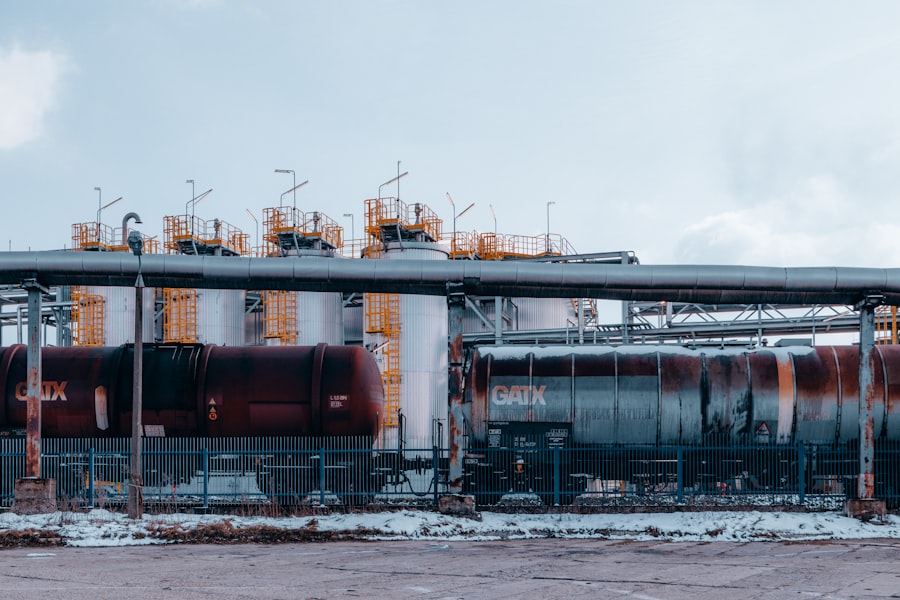
Modern oil refineries are highly sophisticated, relying heavily on advanced instrumentation and automation to ensure safety, efficiency, and product quality. These systems are the “brains” of the refinery, collecting data and controlling processes.
Process Control Systems (DCS/SCADA)
Distributed Control Systems (DCS) and Supervisory Control and Data Acquisition (SCADA) systems are the central nervous systems of a refinery. They monitor thousands of parameters (temperature, pressure, flow rates, levels) in real-time.
Sensors and Transmitters
Numerous sensors and transmitters are strategically placed throughout the refinery to measure these critical process variables.
Actuators and Control Valves
These systems then use this data to automatically adjust control valves, pump speeds, and other actuators to maintain desired operating conditions and respond to deviations.
Safety Instrumented Systems (SIS)
Safety Instrumented Systems (SIS) are independent systems designed to bring a process to a safe state in the event of a hazardous condition. They act as a final layer of protection, overriding the basic process control if necessary.
Emergency Shutdown (ESD) Systems
These systems are designed to quickly and safely shut down entire units or the entire refinery in case of an emergency.
Advanced Process Control (APC)
Beyond basic control, Advanced Process Control (APC) techniques are employed to optimize specific unit operations or the entire refinery for improved yield, energy efficiency, and profitability. These systems often use predictive models and complex algorithms.
Transportation and Logistics Infrastructure
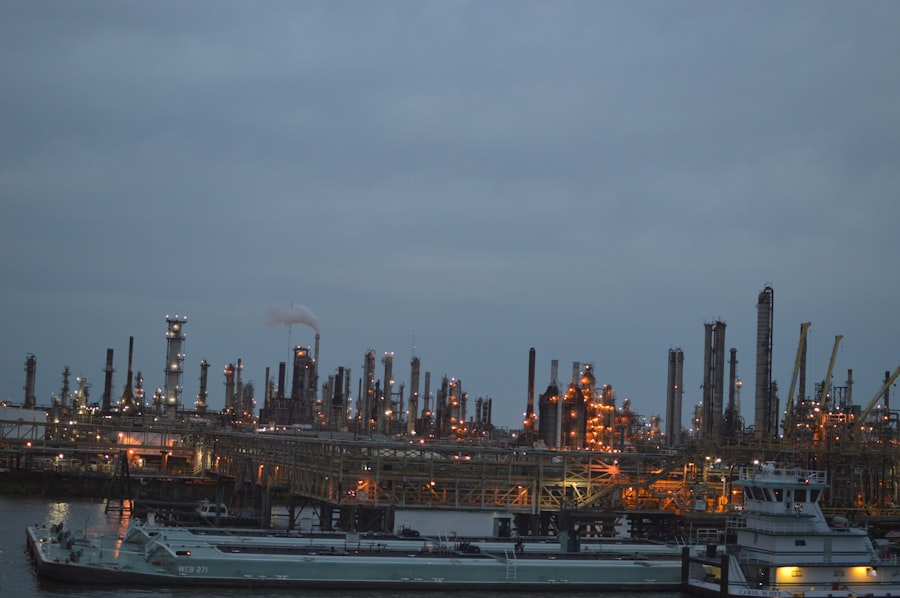
The efficient movement of crude oil to the refinery and finished products to market is a critical aspect of refinery infrastructure. This involves a complex interplay of pipelines, marine transport, rail, and road.
Pipelines: The Arteries of the Industry
Pipelines are the most efficient and cost-effective way to transport large volumes of crude oil and refined products over long distances.
Crude Oil Pipelines
These pipelines originate from oil fields and transport crude oil to refineries. They are often large in diameter and operate continuously.
Product Pipelines
Dedicated pipelines transport refined products from refineries to distribution terminals or directly to large consumers.
Metering and Pumping Stations
Along pipeline routes, metering stations ensure accurate accounting of product flow, and pumping stations provide the necessary pressure to move the liquids.
Marine Transport: For Bulk and International Trade
Tankers and barges are essential for transporting crude oil from offshore sources or international suppliers to coastal refineries, and for distributing large volumes of finished products globally.
Loading and Unloading Terminals
Specialized terminals at ports are equipped with the necessary infrastructure to safely and efficiently load and unload these vessels.
Intermodal Transportation: Flexibility and Reach
While less dominant for bulk movements, rail and road transport play a crucial role in reaching inland markets and for smaller, more localized distribution.
Rail Tank Cars
These are used to transport crude oil from remote locations to loading points for pipelines or to refineries not served by pipelines. They are also used for product distribution.
Road Tanker Trucks
These are the workhorses for localized delivery of refined products to service stations, industrial customers, and other end-users.
The infrastructure of an oil refinery is a testament to human ingenuity and engineering prowess, designed to harness the energy contained within crude oil and transform it into the myriad products that fuel modern civilization. The continuous evolution of this infrastructure, driven by technological advancements, economic pressures, and environmental regulations, ensures its ongoing significance in the global energy landscape.

Why Europe Can’t Escape This Cold War Pipeline
FAQs
What is an oil refinery?
An oil refinery is an industrial facility that processes crude oil into various petroleum products such as gasoline, diesel, and jet fuel. It involves several complex processes including distillation, cracking, and reforming to separate and transform the crude oil into different products.
What are the main components of an oil refinery?
The main components of an oil refinery include the crude oil distillation unit, where the crude oil is heated and separated into different components based on their boiling points; the catalytic cracking unit, which breaks down heavy hydrocarbons into lighter products; and the reforming unit, which converts low-octane hydrocarbons into high-octane products.
How does an oil refinery impact the environment?
Oil refineries can have significant environmental impacts due to air and water pollution, as well as the potential for accidents and spills. Emissions from refineries can contribute to air pollution and climate change, while wastewater and runoff can contaminate water sources. However, many refineries have implemented technologies and practices to minimize their environmental impact.
What is the importance of oil refineries in the global economy?
Oil refineries play a crucial role in the global economy by providing the fuels and products necessary for transportation, heating, and industrial processes. They also contribute to job creation and economic development in the regions where they are located. Additionally, refineries are key players in the energy market, impacting global supply and demand for petroleum products.
How are oil refineries adapting to changes in the energy industry?
Oil refineries are adapting to changes in the energy industry by investing in technologies to produce cleaner fuels, such as low-sulfur diesel and gasoline. They are also exploring alternative feedstocks, such as biofuels and renewable sources, to diversify their product offerings and reduce their environmental impact. Additionally, some refineries are integrating with petrochemical facilities to produce a wider range of products.