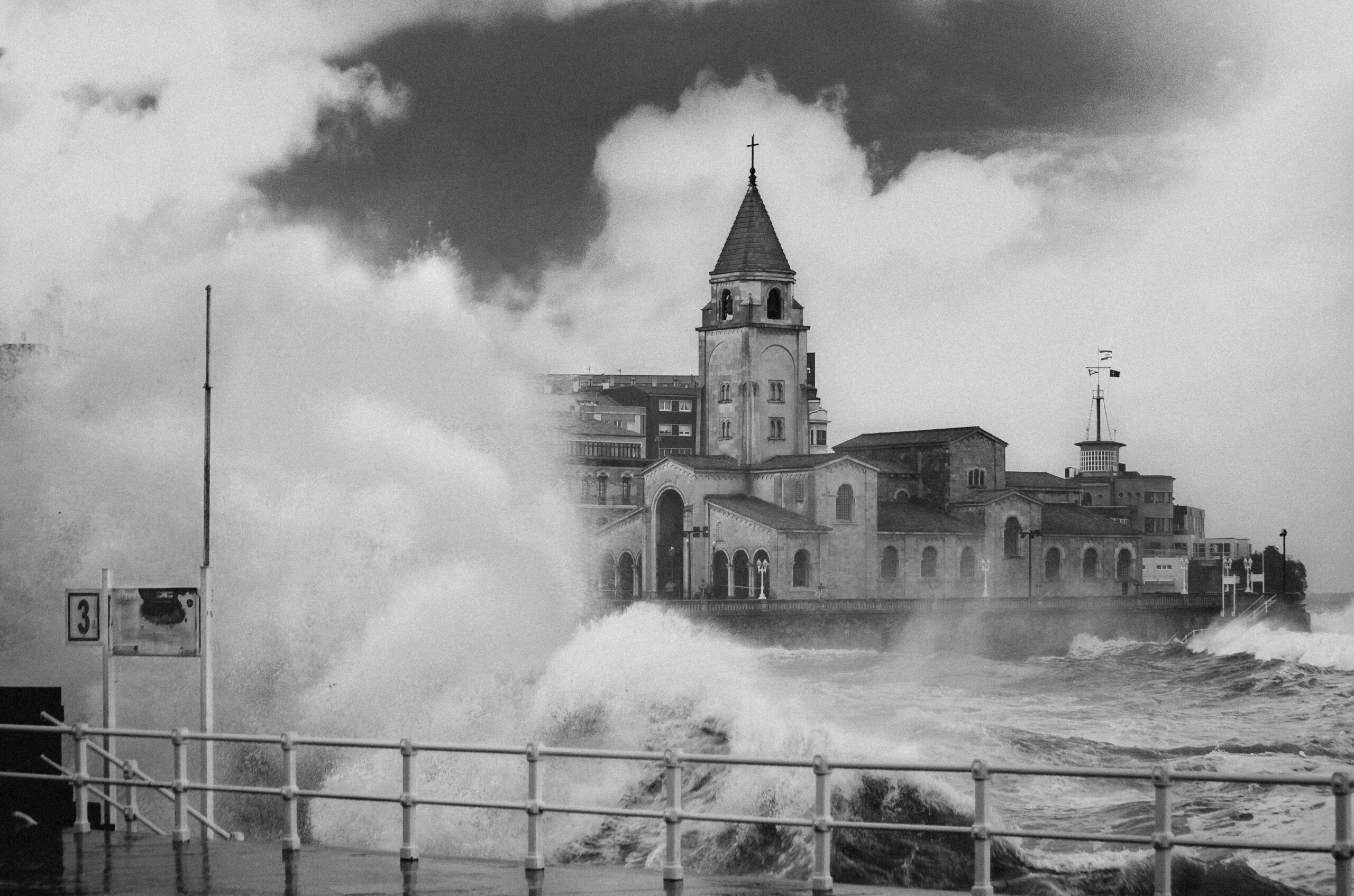
The North Sea, a body of water steeped in history and vital to the economies of surrounding nations, is also a realm of powerful and often destructive forces. Among these, storm surges represent a particularly potent threat. Understanding the mechanics and impact of these dramatic events is crucial for coastal communities, policymakers, and anyone with an interest in the dynamic interplay between the ocean and the land. This article delves into the multifaceted phenomenon of North Sea storm surges, exploring their origins, the factors that amplify them, their historical consequences, and the ongoing efforts to mitigate their destructive potential.
Storm surges are not simply an extension of high tides. They are fundamentally driven by atmospheric conditions that create a bulge of water pushed towards the coast. The primary culprit is intense low-pressure systems, often referred to as depressions or cyclones, that form and intensify over the ocean.
Low-Pressure Systems and Wind
The genesis of a storm surge is intricately linked to the behavior of these low-pressure systems. As a low-pressure center develops, the surrounding air rushes inwards, creating strong winds. These winds are the most significant factor in generating the surge itself.
Wind Speed and Fetch
The magnitude of the surge is directly proportional to the strength of the wind. Higher wind speeds exert more force on the sea surface, pushing water in the direction of the wind. Equally important is the concept of fetch. Fetch refers to the uninterrupted distance over which the wind blows across the water. A longer fetch allows winds to build up larger waves and a more substantial volume of water to be propelled towards the coast. In the relatively confined basin of the North Sea, winds blowing from the northwest, west, or southwest can have a considerable fetch, contributing to significant surge potential.
Wind Direction and Coastal Orientation
The direction of the wind plays a critical role in how effectively this accumulated water reaches the coast. In the North Sea, winds blowing onshore, particularly towards the low-lying eastern coast of England, the Netherlands, and parts of Denmark and Germany, are most effective at driving the surge inland. The funnel-like shape of some parts of the North Sea basin can further concentrate this water, exacerbating the surge height.
The Role of Atmospheric Pressure
While wind is the primary driver, the pressure differential associated with a low-pressure system also contributes to the surge, though typically to a lesser extent. In a perfect scenario, a 1-hectopascal (hPa) drop in atmospheric pressure can lead to approximately a 1-centimeter rise in sea level. However, the powerful winds of a North Sea storm can generate surges several meters higher than this pressure effect alone. Nevertheless, exceptionally deep depressions, with central pressures dropping significantly below average, can add a noticeable component to the overall surge height, especially when combined with strong onshore winds.
The North Sea storm surge is a significant meteorological event that can lead to devastating flooding and damage along the coastlines. For a deeper understanding of the factors contributing to these surges and their impact on coastal communities, you can explore a related article that provides comprehensive insights and analysis. To read more about this topic, visit this article.
Amplifying Factors: Tidal Influences and Geographic Features
While atmospheric forces initiate the surge, several other factors can significantly amplify its height and impact, transforming a potentially damaging event into a catastrophic one.
The Confluence of Tide and Surge
The timing of a storm surge in relation to the astronomical tide is perhaps the most critical amplifying factor. A surge occurring at high tide will naturally result in a higher water level than the same surge occurring at low tide.
Spring Tides and Storm Surges
Spring tides, which occur twice a month when the sun, moon, and earth are aligned, result in higher high tides and lower low tides than usual. When a powerful storm surge coincides with a spring tide, the combined effect can lead to unprecedented water levels, overwhelming coastal defenses that might otherwise be sufficient. This synergy between astronomical tides and meteorological forces is a recurring theme in major flood events.
Neap Tides and Storm Surges
Neap tides, occurring roughly twice a month when the sun and moon are at right angles to each other, result in less extreme tidal ranges. While a storm surge during a neap tide will still cause flooding, the overall water level will be lower compared to a surge during a spring tide. However, even a surge during a neap tide can be dangerous, particularly in areas with low-lying topography.
Bathymetry and Coastal Geomorphology
The shape of the seabed (bathymetry) and the configuration of the coastline play a vital role in how surge water is channeled and amplified.
Funneling Effects
The North Sea basin, with its relatively narrow northern entrance and widening southern extent, combined with its shallowing waters towards the coasts, can act as a funnel. This funneling effect concentrates the incoming surge water, increasing its height as it moves towards the coast, particularly in estuaries and bays. Areas with a wide, shallow continental shelf are particularly susceptible to surge amplification.
Estuaries and Tidal Channels
Estuaries and tidal channels act like natural conduits, guiding the surge inland. As the surge enters these constricted waterways, the volume of water is forced into a smaller area, leading to an increase in its height. The shape and length of estuaries can significantly influence the extent and severity of flooding. Rivers flowing into the North Sea, such as the Thames, Humber, and Elbe, can also act as pathways for surge water to penetrate further inland.
Coastal Defenses and Their Limitations
Historically, coastal defenses such as dikes, sea walls, and dunes have been constructed to protect vulnerable areas. However, these structures have limitations. While effective against typical high tides and moderate surges, they can be overtopped or breached by exceptionally high or prolonged surges, leading to widespread inundation. The design and maintenance of these defenses are critical in determining their resilience to storm surge events.
Historical Impact: A Legacy of Flooding

The North Sea coastlines have a long and often tragic history of being battered by storm surges. These events have shaped settlements, led to significant loss of life and property, and prompted major engineering projects.
Major Flood Events in the North Sea Region
Several catastrophic storm surge events stand out in the history of the North Sea. These events serve as stark reminders of the vulnerability of coastal communities.
The 1953 East Coast Flood
Perhaps the most devastating storm surge in recent memory occurred on the night of January 31st to February 1st, 1953. A severe depression in the North Sea, combined with a spring tide, generated a surge of unprecedented magnitude. The eastern coast of England was particularly hard hit, with over 300 fatalities and widespread flooding of low-lying agricultural land and communities. The Netherlands also suffered immensely, with over 1,800 deaths and extensive damage to its famously low-lying landscape.
Other Significant Historical Surges
Beyond 1953, numerous other significant storm surges have impacted the North Sea region. Events in the 17th, 18th, and 19th centuries, though often less well-documented, also caused considerable devastation. Recurring surges, particularly in the shallower southern North Sea, have shaped the historical development and resilience of coastal settlements. These events often led to the construction of more robust sea defenses and the abandonment of particularly vulnerable areas.
Societal and Economic Consequences
The impact of North Sea storm surges extends far beyond the immediate destruction. The societal and economic consequences can be profound and long-lasting.
Loss of Life and Displacement
The most tragic consequence of storm surges is the loss of human life. People living in low-lying areas are particularly at risk, and the suddenness and ferocity of these events can leave little time for escape. Displacement of communities, destruction of homes, and the disruption of livelihoods are also common.
Damage to Infrastructure and Agriculture
Storm surges can inflict immense damage on vital infrastructure, including roads, bridges, power lines, and water treatment facilities. Agricultural land, especially in low-lying coastal areas, can be inundated with saltwater, rendering it infertile for years. This has significant implications for food security and the rural economy.
Economic Disruption and Recovery Costs
The economic disruption caused by a major storm surge can be substantial. Businesses are forced to close, supply chains are broken, and the costs of repair and recovery can run into billions of pounds or euros. The long-term economic viability of coastal regions can be threatened if repeated or severe events occur.
Predicting and Monitoring Storm Surges: The Role of Science and Technology

In the face of such powerful natural phenomena, scientific understanding and advanced technology are crucial for predicting and monitoring storm surges, providing vital early warnings to vulnerable populations.
Meteorological Forecasting
Accurate weather forecasting is the cornerstone of storm surge prediction. Meteorologists use sophisticated computer models to track the development and movement of low-pressure systems.
Numerical Weather Prediction (NWP) Models
Numerical Weather Prediction (NWP) models are complex computer programs that simulate the Earth’s atmosphere. By inputting vast amounts of data on current atmospheric conditions, these models can forecast future weather patterns, including the formation and intensity of storms that could generate surges. The resolution and accuracy of these models have improved significantly over time, allowing for more precise predictions of storm tracks and wind speeds.
Understanding Wind Fields
A critical output of NWP models for surge forecasting is the prediction of wind fields – the speed and direction of winds over the ocean. Accurately forecasting these wind fields is essential for estimating the force that will be exerted on the sea surface, driving the surge.
Oceanographic Modeling and Surge Prediction
Once meteorological forecasts are available, oceanographic models are employed to simulate how the predicted atmospheric conditions will translate into sea level changes.
Storm Surge Models
Specialized storm surge models take the wind and pressure forecasts from NWP models and use them to calculate the expected surge height. These models incorporate bathymetry, tidal data, and coastal topography to simulate the flow of water and predict the extent of inundation. Examples include models developed by national meteorological services and research institutions.
Tide Gauges and Real-time Data
A network of tide gauges strategically located along coastlines provides real-time measurements of sea levels. This data is invaluable for monitoring existing surges, validating model predictions, and issuing timely warnings. The continuous collection of this data helps to refine our understanding of surge behavior and improve forecasting accuracy.
Early Warning Systems and Public Awareness
Effective communication of warnings is as important as accurate prediction. Robust early warning systems are vital for ensuring that people have sufficient time to take protective measures.
Alert Systems and Communication Channels
Modern early warning systems utilize a variety of communication channels, including emergency alert broadcasts, mobile phone alerts, social media, and direct communication with local authorities. The effectiveness of these systems relies on clear and consistent messaging, ensuring that the public understands the risks and the necessary actions to take.
Public Education and Preparedness
Beyond immediate warnings, public education and preparedness campaigns are crucial for building resilience. Educating communities about the risks of storm surges, evacuation procedures, and how to secure their properties can significantly reduce the impact of these events. Regular drills and community engagement foster a culture of preparedness.
The recent North Sea storm surge has raised concerns about coastal flooding and its impact on local communities. For those looking to understand the science behind such weather phenomena, a related article provides an in-depth explanation of storm surges and their causes. You can read more about it in this informative piece on MyGeoQuest, which delves into the factors contributing to these powerful surges and offers insights into their potential effects on the environment and infrastructure.
Mitigation and Adaptation: Building Resilience for the Future
| Metrics | Data |
|---|---|
| Frequency | Several times per year |
| Height | Can reach up to 6 meters |
| Causes | Low pressure systems and strong winds |
| Impacts | Coastal flooding, erosion, and damage to infrastructure |
The increasing threat of climate change, with its potential to exacerbate storm intensity and sea level rise, necessitates continuous efforts in mitigation and adaptation to protect coastal communities.
Engineering Solutions: Defending the Coastline
A significant part of the response to storm surges involves engineering solutions to strengthen coastal defenses.
Sea Defenses and Flood Barriers
The construction and maintenance of robust sea defenses, such as dikes, sea walls, and storm surge barriers, are paramount. The Netherlands, with its extensive history of flood defense, is a world leader in this field, employing advanced engineering techniques and innovative designs. Projects like the Thames Barrier in London are critical infrastructure designed to protect major urban areas from tidal surges.
Nature-Based Solutions
Increasingly, there is a focus on nature-based solutions, which harness the power of natural ecosystems to provide coastal protection. This includes the restoration and creation of salt marshes, sand dunes, and oyster reefs, which can dissipate wave energy and reduce erosion. These solutions often offer additional environmental benefits, such as habitat creation and carbon sequestration.
Policy and Planning: Strategic Coastal Management
Effective policy and planning are essential for long-term coastal resilience, considering the dynamic nature of coastal environments.
Land-Use Planning and Development Control
Strategic land-use planning plays a crucial role in avoiding development in high-risk areas. This includes restricting new construction in flood-prone zones and encouraging relocation or adaptation of existing infrastructure. Building codes and planning regulations need to account for future flood risks, incorporating projections for sea level rise and storm intensity.
Integrated Coastal Zone Management (ICZM)
Integrated Coastal Zone Management (ICZM) provides a framework for coordinating actions across different sectors and stakeholders involved in coastal management. It emphasizes a holistic approach that considers environmental, economic, and social factors, promoting sustainable development and effective risk reduction.
Climate Change and Future Projections
The long-term threat of climate change looms large over the future of storm surges in the North Sea.
Sea Level Rise
Global sea levels are projected to rise due to thermal expansion of ocean water and the melting of glaciers and ice sheets. This rise will elevate the baseline sea level, meaning that storm surges will reach higher elevations and extend further inland, even if the intensity of storms does not change.
Potential Changes in Storm Intensity
While the precise impact of climate change on storm frequency and intensity is still an area of active research, some projections suggest an increase in the frequency of extreme weather events, including intense storm systems capable of generating significant surges. This potential intensification, combined with rising sea levels, presents a compounding threat to coastal communities.
In conclusion, understanding North Sea storm surges requires a comprehensive appreciation of the interplay between atmospheric forces, oceanic dynamics, coastal geography, and historical context. While the power of these events is undeniable, ongoing scientific advancements, robust engineering solutions, and proactive policy development are essential to build resilience and safeguard the vulnerable communities that call the North Sea coast home. The continuous monitoring, prediction, and adaptation strategies are not merely responses to past events but vital investments in the future security of the region.

The Dangerous Sea Europe Can’t Live Without
FAQs
What is a North Sea storm surge?
A North Sea storm surge is a sudden and dramatic rise in sea level along the coast caused by a combination of high winds and low atmospheric pressure during a storm. This can lead to flooding and significant damage to coastal areas.
What causes a North Sea storm surge?
North Sea storm surges are primarily caused by strong winds pushing water towards the coast, combined with low atmospheric pressure which allows the sea level to rise. The shape of the North Sea basin and the shallow coastal waters also contribute to the amplification of the surge.
How often do North Sea storm surges occur?
North Sea storm surges are most common during the autumn and winter months when strong storms are more frequent. However, they can occur at any time of the year, particularly during periods of intense low pressure systems.
What are the impacts of North Sea storm surges?
North Sea storm surges can lead to coastal flooding, erosion of beaches and dunes, damage to infrastructure, and loss of life. They can also have long-term impacts on coastal ecosystems and communities.
How are North Sea storm surges monitored and managed?
North Sea storm surges are monitored using a combination of meteorological data, tide gauges, and satellite observations. Early warning systems and coastal defenses, such as sea walls and dikes, are used to mitigate the impacts of storm surges and protect coastal communities.