Lake Mead, the second-largest reservoir in the United States by volume and a vital water source for millions of people across the Southwest, has been grappling with a severe and prolonged drought crisis. This iconic body of water, formed by the Hoover Dam on the Colorado River, has become a stark symbol of the region’s mounting water scarcity challenges. Its declining levels have far-reaching implications, impacting everything from agricultural production and urban water supplies to ecosystems and the very economy of the Southwest. Understanding the multifaceted nature of this crisis, its causes, consequences, and potential solutions, is crucial for navigating the turbulent waters ahead.
The current drought plaguing Lake Mead is not a sudden event but rather the culmination of decades of compounding stressors. A complex interplay of natural climatic variations and human-induced pressures has pushed the reservoir to historic lows. Unraveling these contributing factors is the first step in grasping the severity and persistence of the predicament.
Natural Climate Variability: A Shifting Precipitation Landscape
The foundation of the Lake Mead crisis lies in significant shifts in regional precipitation patterns. For decades, the Colorado River Basin, the primary water source for the reservoir, has experienced below-average snowpack and rainfall. This is not simply a short-term dry spell; scientists point to a persistent climatic shift that has reduced the overall moisture available to the region.
Reduced Snowpack in the Rockies: The Headwaters’ Struggle
The Rocky Mountains, acting as a natural sponge for the Colorado River, have seen a dramatic decrease in snowpack accumulation. Snowmelt is the primary driver of river flow during the spring and summer months, replenishing reservoirs like Mead. Warmer temperatures, even when snow does fall, lead to earlier melt and increased evaporation, meaning less water ultimately reaches the river system. This reduction in the “snow water equivalent” (SWE) is a critical indicator of the declining water supply.
Shifting Storm Tracks and Increased Evaporation
Beyond snowpack, overall precipitation has also been less frequent and less intense in key areas of the basin. Furthermore, rising global temperatures exacerbate the problem through increased evaporation rates. Not only does more water evaporate from the surface of Lake Mead itself, but also from the surrounding lands and the rivers and streams feeding it, further diminishing the available water.
Human Demands: A Growing Thirst in an Arid Land
Intertwined with natural climatic shifts are the ever-increasing demands placed on the Colorado River system. For over a century, water management in the Southwest has been based on a series of agreements and allocations designed for a wetter era, failing to adequately account for fluctuating supply and sustained growth.
Agricultural Irrigation: The Largest Consumer
Agriculture represents the single largest user of Colorado River water. Millions of acres of farmland rely on this water for irrigation, supporting significant food production across states like Arizona, California, and Nevada. While economically vital and crucial for food security, agricultural practices, particularly in older, less efficient irrigation systems, contribute substantially to water consumption.
Urban Growth and Population Expansion
The vibrant urban centers of the Southwest, including Las Vegas, Phoenix, Tucson, and Los Angeles, have experienced unprecedented population growth. This expansion necessitates a corresponding increase in demand for municipal water for residential use, industry, and recreation. Even with increasingly sophisticated water conservation efforts, the sheer number of people dependent on the Colorado River system places immense pressure on its finite resources.
Industrial and Energy Sector Needs
Beyond agriculture and urban consumption, industries and the energy sector also draw significant amounts of water from the Colorado River system. Power plants, for instance, often use water for cooling, and various manufacturing processes require substantial water inputs. These demands, while often less visible than agricultural or residential use, are nonetheless significant contributors to the overall water draw.
The ongoing drought affecting Lake Mead has raised significant concerns about water supply and environmental sustainability in the region. For a more in-depth understanding of the factors contributing to this crisis, you can read the related article that explains the complexities of the situation and its implications for the surrounding communities. To explore this topic further, visit this article.
The Unprecedented Decline: A Visible Crisis
The cumulative impact of reduced supply and sustained, or even increasing, demand has led to a dramatic and visibly alarming decline in Lake Mead’s water levels. This decline is not a theoretical concern but a tangible reality, with profound implications for the reservoir’s functionality and the communities it serves.
Historic Lows and the Specter of Dead Pool
Lake Mead has reached and repeatedly bypassed historic low water elevations. The consequences of this sustained decline are profound, threatening the very purpose of the reservoir. The concept of “dead pool” is a chilling prospect: the elevation at which water can no longer flow by gravity from the reservoir to downstream users and through the turbines of the Hoover Dam for power generation.
The Danger of Reaching Dead Pool
Reaching dead pool would be catastrophic for the millions of people who rely on Lake Mead for their water supply. It would cripple hydropower generation, impacting electricity grids across the region. Furthermore, it would render the Hoover Dam, a monumental feat of engineering and a symbol of the West’s development, largely ineffective in its water delivery capacity. The elevation at which dead pool is predicted has been a constant source of anxiety and has driven urgent discussions about water management strategies.
Visible Markers of the Drought: The Bathtub Ring
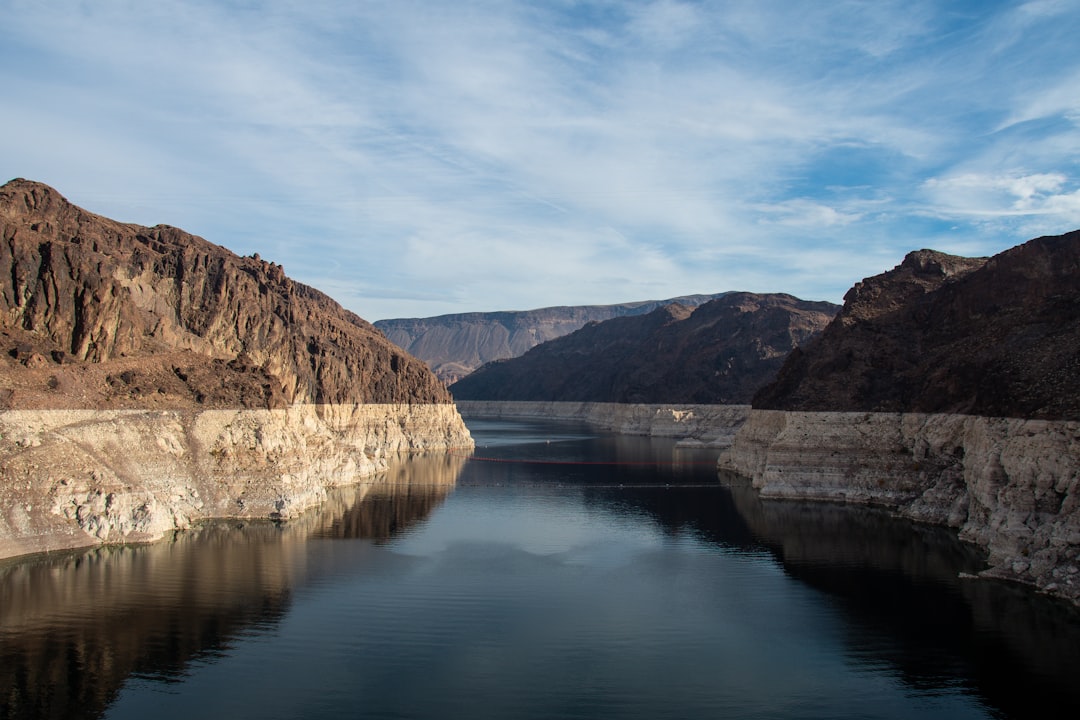
One of the most striking visual indicators of Lake Mead’s plight is the stark “bathtub ring” that encircles the reservoir. This exposed, desiccated shoreline, often hundreds of feet above the current water level, serves as a stark reminder of the water that has been lost. This ring is not merely an aesthetic concern; it represents the shrinking capacity of the reservoir and the diminished water supply available for distribution.
Impact on Hydropower Generation: Diminishing Energy Output
The Hoover Dam, an integral component of the Colorado River system and a significant source of renewable energy, is directly impacted by the dropping water levels of Lake Mead. The dam’s turbines are powered by the force of water flowing from the reservoir. As the water level recedes, the pressure behind the turbines diminishes, leading to a substantial reduction in electricity generation.
Reduced Power Output and Economic Consequences
The decline in hydropower generation from the Hoover Dam has significant economic ramifications. The revenue generated from electricity sales is a crucial source of funding for the Bureau of Reclamation, which manages the dam and many other water projects. Reduced output means less revenue, potentially impacting the ability to maintain and invest in water infrastructure. Furthermore, the loss of this relatively inexpensive and clean energy source necessitates reliance on other, potentially more expensive and less environmentally friendly, energy sources for the region.
Impacts on Grid Stability and Reliability
The reliable electricity generated by the Hoover Dam plays a role in the stability and reliability of the regional power grid. A significant reduction in this output can create challenges for grid operators striving to balance supply and demand, particularly during peak usage periods. This can lead to increased reliance on less predictable energy sources or even necessitate energy conservation measures during critical times.
Systemic Stressors: The Colorado River Basin’s Vulnerability
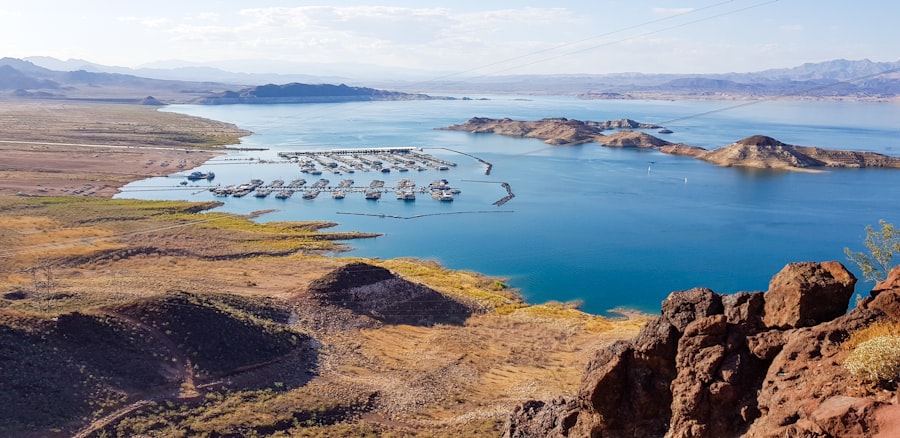
Lake Mead is but one piece of a much larger and interconnected water management system – the Colorado River Basin. Understanding the broader challenges within this basin is essential to comprehending the pressures on Lake Mead. The entire system is under immense stress, a testament to its inherent vulnerability.
The Colorado River Compact: A Foundation Under Strain
The foundation of water management in the Colorado River Basin is the Colorado River Compact of 1922. This landmark agreement allocated the river’s water among seven states: Arizona, California, Colorado, Nevada, New Mexico, Utah, and Wyoming, along with Mexico. However, the compact was based on an optimistic assessment of the river’s flow during a historically wet period and did not adequately account for future dry spells or population growth.
Historical Allocations and the Aridity Assumption
The compact divided the river’s waters into the Upper Basin states and the Lower Basin states. The Lower Basin states (Arizona, California, and Nevada) were allocated a larger share, with the assumption that the river’s flow would consistently exceed the amount needed for all existing and future users. This “aridity assumption” has proven to be a critical flaw in the long-term planning of the system.
The Never-Ending Debate: Who Gets What When Water is Scarce
As water levels decline and shortages loom, the tensions surrounding the Colorado River Compact have intensified. The compact’s allocation framework becomes increasingly contentious during times of scarcity, leading to ongoing debates and legal challenges. Negotiating fair and equitable reductions in water use among the states and Mexico is a complex and politically charged undertaking.
Interconnected Reservoirs and the Domino Effect
Lake Mead is not an isolated body of water. It is part of a complex system of reservoirs, including Lake Powell, which lies upstream. Significant reductions in water flow from the Upper Basin, which impact Lake Powell, have a direct and cascading effect on the water levels in Lake Mead.
Lake Powell and the Colorado River’s Flow
Lake Powell, formed by the Glen Canyon Dam, acts as a buffer for the Colorado River system. Its ability to store water helps regulate flow downstream to Lake Mead. However, Lake Powell has also experienced severe declines, exacerbating the water shortage crisis for both reservoirs. The management decisions made regarding Lake Powell have a direct and immediate consequence on Lake Mead’s capacity.
The Ripple Effect of Declining Inflows
The overall reduction in water flowing into the Colorado River Basin creates a ripple effect throughout the entire system. Less snowmelt and rainfall in the mountains mean less water entering Lake Powell, which in turn means less water flowing into Lake Mead. This interconnectedness means that challenges in one part of the basin inevitably impact others, creating a domino effect that amplifies the overall crisis.
Consequences Beyond the Water Level: A Multifaceted Impact
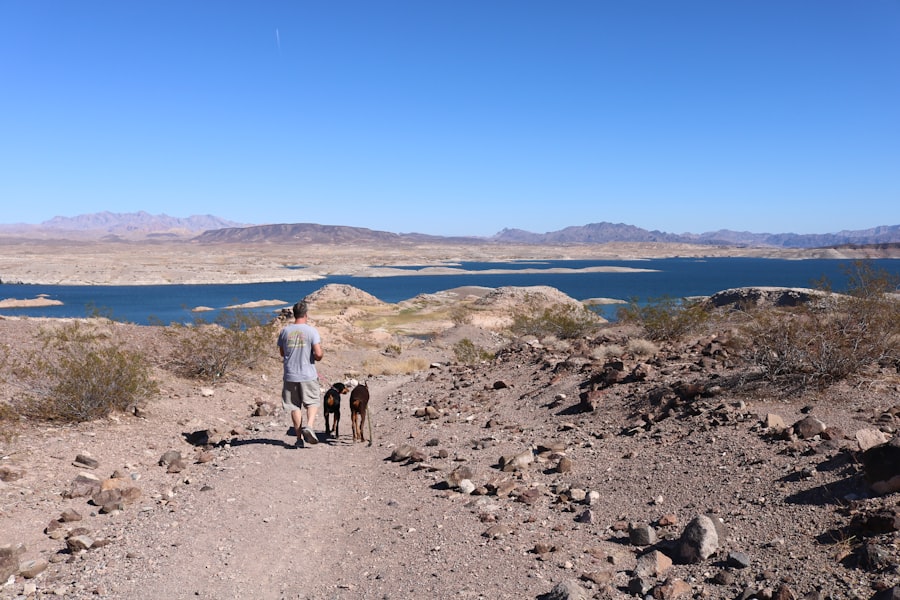
The dropping water levels of Lake Mead have consequences that extend far beyond the reservoir itself. The crisis impacts the environment, the economy, and the very fabric of life in the Southwestern United States. Understanding these far-reaching impacts is crucial for appreciating the urgency of the situation.
Environmental Degradation: Ecosystems Under Stress
The shrinking of Lake Mead and the lower flows in the Colorado River have profound negative impacts on the fragile ecosystems that depend on this water source. Aquatic life struggles, terrestrial habitats are altered, and the overall biodiversity of the region is threatened.
Impact on Aquatic Life and Fisheries
The decline in water levels and the associated changes in water quality have severely impacted fish populations and other aquatic organisms within Lake Mead and the Colorado River. Many species are adapted to specific water temperatures and flow regimes, and the current conditions are pushing them to their limits. This has particular implications for native species and established fisheries that rely on the reservoir.
Terrestrial Habitats and Wildlife Dependent on the River
The surrounding terrestrial habitats also suffer as the water recedes. Riparian zones, areas of vegetation along the riverbanks, are shrinking, impacting habitats for a wide range of wildlife. Animals that rely on the river for drinking water and food sources face increased competition and scarcity. The overall health of the desert ecosystem is inextricably linked to the health of the Colorado River and its reservoirs.
Economic Repercussions: A Strain on Livelihoods
The economic implications of the Lake Mead drought crisis are substantial, affecting multiple sectors and impacting the livelihoods of millions. Industries that depend on the reservoir’s water face significant challenges, and the broader regional economy feels the strain.
Agricultural Viability and Food Security
As previously mentioned, agriculture is a major water consumer. Reduced water allocations mean that farmers must either fallow land, purchase expensive water on the open market, or adopt more water-efficient practices. This can lead to reduced crop yields, financial losses for farmers, and potentially impact food prices and availability for consumers. The long-term viability of certain agricultural operations in the region is now in question.
Tourism and Recreation: A Hit to Local Economies
Lake Mead is a popular destination for recreation and tourism, attracting millions of visitors annually for boating, fishing, hiking, and other activities. The declining water levels have a direct impact on these industries. Boat ramps are often rendered unusable, beaches disappear, and the overall recreational experience diminishes, leading to significant losses for local businesses and communities that depend on tourism revenue.
Municipal Water Security and Urban Challenges
The most direct economic consequence for urban areas is the threat to municipal water security. Cities must implement increasingly strict water conservation measures, which can impact businesses and residents. The cost of securing alternative water sources or investing in advanced water treatment technologies also adds to the financial burden on municipalities and, ultimately, on taxpayers.
The ongoing drought affecting Lake Mead has raised significant concerns about water supply and environmental impacts in the region. For a deeper understanding of the factors contributing to this crisis, you can explore a related article that delves into the complexities of water management and climate change. This insightful piece highlights the challenges faced by communities relying on this vital resource and offers a broader perspective on the implications of prolonged drought conditions. To read more about these issues, visit this article.
Charting a Course Forward: Hope in Adaptation and Innovation
| Year | Water Level (feet) | Storage (acre-feet) |
|---|---|---|
| 2000 | 1,214 | 28,537,000 |
| 2010 | 1,090 | 9,000,000 |
| 2020 | 1,082 | 9,000,000 |
| 2021 | 1,067 | 7,500,000 |
While the challenges facing Lake Mead are daunting, they are not insurmountable. A sustainable future for the Southwest requires a multifaceted approach that embraces adaptation, innovation, and a fundamental shift in how water is managed and valued. There is hope, but it lies in proactive and collaborative action.
Water Conservation and Efficiency: Maximizing Every Drop
The most immediate and impactful solution lies in a renewed commitment to water conservation and increasing water use efficiency across all sectors. This is not just about asking people to “do more with less” but about implementing systemic changes that minimize waste and maximize the utility of every drop of water.
Advanced Irrigation Techniques for Agriculture
Investing in and incentivizing the adoption of advanced irrigation techniques like drip irrigation, micro-sprinklers, and precision agriculture can dramatically reduce water consumption in the agricultural sector. This can involve government programs, research and development, and educational initiatives to support farmers in transitioning to more sustainable practices.
Urban Water-Wise Strategies and Technologies
Urban areas can implement a range of water-wise strategies, from promoting drought-tolerant landscaping and offering rebates for water-efficient appliances to investing in leak detection and repair programs for municipal water systems. Retrofitting older buildings and promoting water recycling are also crucial components of urban water management.
Industrial and Commercial Water Management
Industries and commercial enterprises have a significant role to play in water conservation. This includes optimizing water use in manufacturing processes, implementing water reuse and recycling systems, and adopting best practices for water management. Public-private partnerships can encourage innovation and investment in water-efficient technologies.
Water Management and Infrastructure Improvements: Rethinking the System
Beyond individual conservation efforts, systemic changes to water management and infrastructure are vital. This involves policy reforms, technological advancements, and a willingness to adapt to a changing climate.
Exploring Desalination and Water Recycling Technologies
Desalination plants, which remove salt from seawater or brackish groundwater, and advanced water recycling facilities, which treat wastewater to potable standards, are becoming increasingly important tools for diversifying water sources. While these technologies can be energy-intensive and costly, they offer the potential to supplement supply in critical situations.
Investing in Water Storage and Conveyance Upgrades
While reducing demand is paramount, strategic investments in water storage and conveyance infrastructure can also play a role. This might include upgrading aging pipelines to reduce leaks, exploring innovative water storage solutions, or improving the efficiency of existing reservoir systems. However, such investments must be carefully considered in the context of climate change and long-term water availability.
Inter-Basin Transfers and Collaborative Agreements
In some cases, exploring inter-basin water transfers or strengthening collaborative agreements between states and regions might be necessary to ensure equitable water distribution. However, these are often politically contentious and require careful consideration of environmental and social impacts. The focus must remain on sustainable management within the existing basin as much as possible.
Embracing Climate Resilience: A Long-Term Vision
Ultimately, addressing the Lake Mead drought crisis requires a long-term vision that embraces climate resilience. This means acknowledging the reality of a changing climate and implementing strategies that will ensure water security for generations to come.
Adapting to a Warmer, Drier Future
The scientific consensus points to a future that will likely be warmer and drier for the Southwest. Therefore, water management strategies must be designed with this reality in mind. This involves long-term planning, flexible policies, and a commitment to continuous adaptation as climate conditions evolve.
The Importance of Public Awareness and Education
Finally, fostering public awareness and education about the complexities of the water crisis is paramount. An informed citizenry is more likely to support necessary conservation measures and policy changes. Open communication, transparent data dissemination, and engaging educational campaigns can empower individuals and communities to become active participants in securing a water-wise future for the Southwest. The story of Lake Mead is a vital lesson, and its future depends on our collective understanding and action.

Why Las Vegas Shouldn’t Exist
FAQs
What is the current drought situation at Lake Mead?
The current drought situation at Lake Mead is severe, with water levels reaching historic lows. The lake has been experiencing a prolonged drought, leading to decreased water levels and increased concerns about water scarcity in the region.
What factors have contributed to the drought at Lake Mead?
Several factors have contributed to the drought at Lake Mead, including below-average precipitation, increased water demand from surrounding areas, and the impacts of climate change. These factors have led to a significant decrease in the amount of water flowing into the lake, exacerbating the drought conditions.
How has the drought at Lake Mead impacted water supply and usage in the region?
The drought at Lake Mead has impacted water supply and usage in the region in several ways. Water allocations have been reduced for states and municipalities that rely on the lake for their water supply. Additionally, water conservation measures have been implemented to mitigate the effects of the drought and ensure sustainable water usage.
What are the potential long-term consequences of the drought at Lake Mead?
The potential long-term consequences of the drought at Lake Mead include decreased water availability for agriculture, industry, and residential use in the region. Additionally, the drought could have ecological impacts on the lake’s ecosystem and wildlife, as well as economic impacts on the surrounding communities that rely on the lake for tourism and recreation.
What measures are being taken to address the drought at Lake Mead?
Several measures are being taken to address the drought at Lake Mead, including water conservation efforts, increased investment in alternative water sources, and collaborative agreements between states and stakeholders to manage water resources more effectively. Additionally, there are ongoing discussions about potential long-term solutions to address the impacts of the drought and ensure sustainable water management in the region.