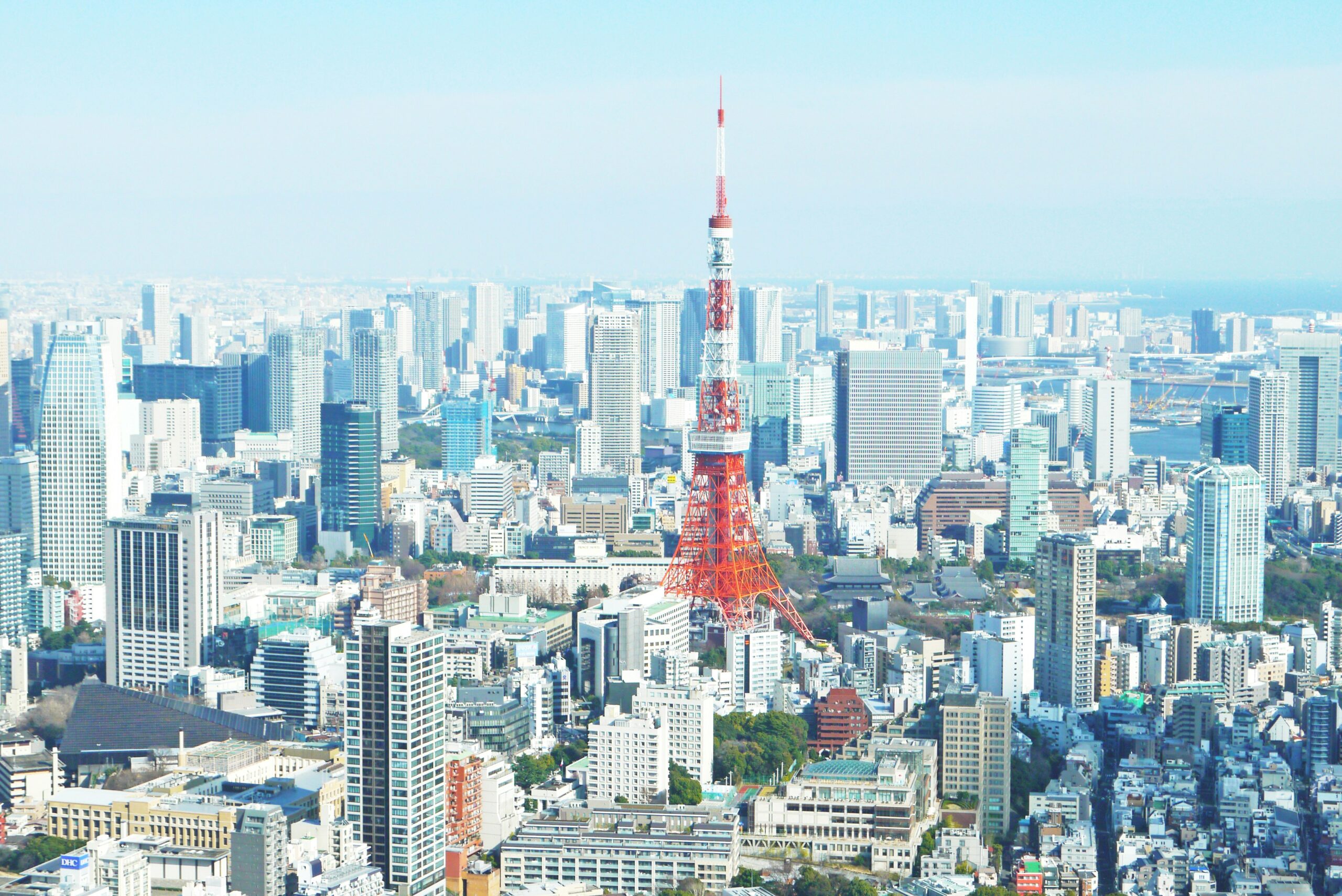
Japan’s megacities, sprawling met

Why Japan Can’t Build Another Tokyo
FAQs
What is a megacity?
A megacity is typically defined as a metropolitan area with a total population of over 10 million people. These cities are characterized by their large population, high population density, and significant economic, cultural, and political influence.
What are some key features of Japan’s megacities?
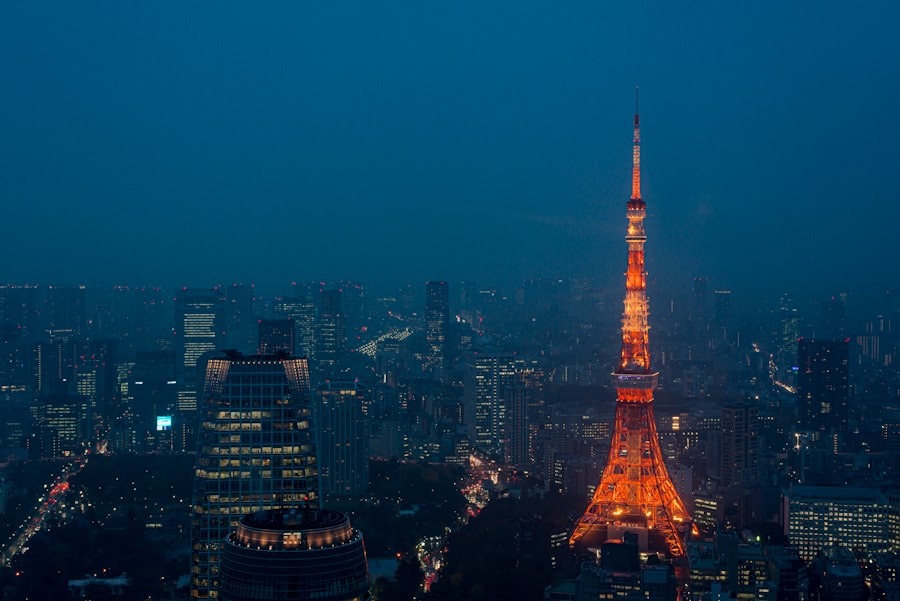
Japan’s megacities, such as Tokyo, Osaka, and Nagoya, are known for their bustling urban centers, advanced infrastructure, high-rise buildings, and efficient public transportation systems. These cities also boast a rich cultural heritage, vibrant nightlife, and diverse culinary scene.
How does Japan’s megacity infrastructure support its large population?
Japan’s megacities are equipped with extensive public transportation networks, including efficient train and subway systems, to accommodate the large population. The cities also have well-developed road networks, modern skyscrapers, and advanced telecommunications and technology infrastructure to support the needs of their residents.
What are some challenges faced by Japan’s megacities?
Challenges faced by Japan’s megacities include issues related to overpopulation, urban sprawl, environmental pollution, and natural disaster risks. Additionally, the high cost of living and limited space for expansion pose significant challenges for these densely populated urban areas.
What makes Japan’s megacities significant on a global scale?
Japan’s megacities are significant on a global scale due to their economic prowess, technological innovation, cultural influence, and contribution to global trade and commerce. These cities are also known for their resilience, efficient governance, and ability to adapt to rapid urbanization and modernization.