
Your journey into the intricate world of global logistics begins now. You might think of it as simply moving stuff from one place to another, but understand this: it’s a monumental, complex ballet of goods, information, and finances that underpins the very fabric of our interconnected world. From the smartphone in your pocket to the food you eat, almost everything you consume has, at some point, traveled an immense distance, navigated a labyrinth of rules, and been meticulously managed by the unseen hands of global logistics. This comprehensive explanation is your guide to demystifying this essential, yet often overlooked, industry.
You’re likely wondering, what exactly is global logistics? At its core, it’s the process of planning, implementing, and controlling the efficient, effective forward and reverse flow and storage of goods, services, and related information between the point of origin and the point of consumption. When you add “global” into the mix, you exponentially increase the complexity. It involves coordinating these movements across international borders, dealing with different currencies, languages, political landscapes, and vast geographical distances. Think of it as logistics on steroids, but with a global scale and impact.
What Global Logistics Encompasses
To truly grasp global logistics, you need to understand its multifaceted nature. It’s not a single activity, but a cohesive system of interconnected processes.
Sourcing and Procurement
Your journey begins long before a product even leaves its origin. Sourcing and procurement are fundamental. This involves identifying and selecting suppliers for raw materials, components, or finished goods from around the world. You’ll be making decisions about where to buy, who to buy from, and on what terms, considering factors like cost, quality, reliability, and ethical sourcing practices. This stage sets the foundation for everything that follows, and a mistake here can ripple through the entire supply chain.
Manufacturing and Assembly
Once your materials are sourced, they often need to be transformed. Manufacturing and assembly processes take those raw materials and turn them into the products you recognize. In a global context, this might involve specialized factories in different countries, each contributing a part to the final product. You might be coordinating the production of car engines in Germany, assembling them in Mexico, and then shipping the finished vehicles to consumers worldwide.
Transportation and Distribution
This is perhaps the most visible part of global logistics. It’s the actual movement of goods from one point to another. This encompasses a vast array of modes:
Ocean Freight
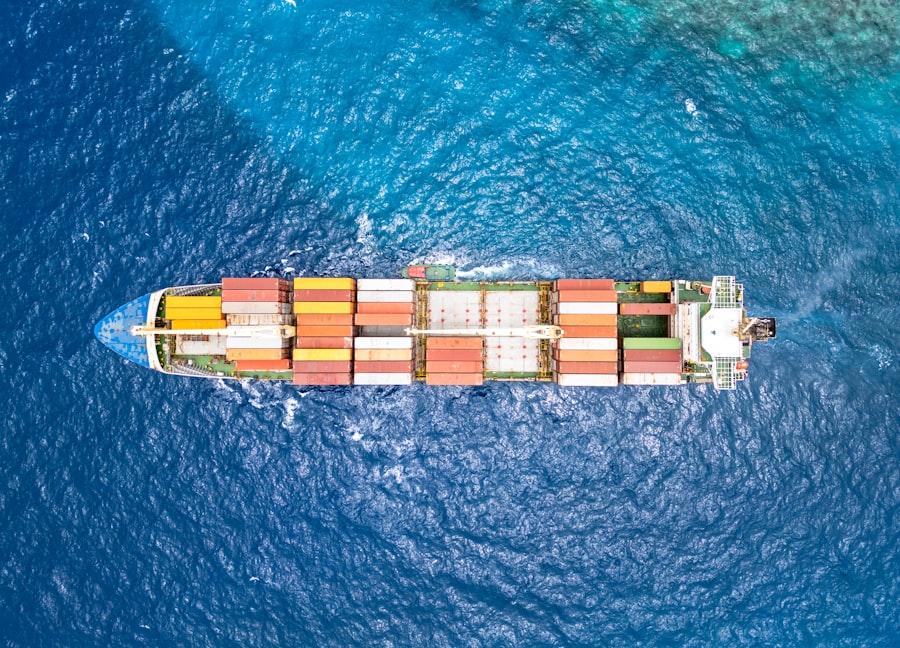
For bulk goods and large quantities, ocean freight remains the most cost-effective method. You’ll be familiar with container ships, tankers, and bulk carriers traversing the world’s oceans. Understanding different shipping terms (FOB, CIF, etc.) and the nuances of port operations is crucial here.
Air Freight
When speed is paramount, air freight is your go-to. It’s significantly more expensive than ocean freight but offers unparalleled delivery times, making it ideal for high-value, time-sensitive cargo like pharmaceuticals, electronics, and emergency supplies.
Land Transportation
Once goods reach a port or airport, they need to reach their final destination. This involves trucking, rail, and even inland waterway transport. You’ll be considering the efficiency of networks, road conditions, and customs procedures at land borders.
Multimodal Transportation
The true artistry of global logistics often lies in the seamless integration of multiple transport modes. You might ship goods by sea, then transfer them to a train, and finally to trucks for final delivery. This multimodal approach optimizes cost, speed, and efficiency depending on the specific requirements.
Warehousing and Storage
As goods move through the supply chain, they often need a place to rest. Warehousing and storage are critical for inventory management, consolidation, and distribution. Global logistics requires understanding:
Strategic Placement of Warehouses
Deciding where to locate warehouses is a strategic decision that impacts delivery times and costs. You’ll be considering proximity to production sites, major markets, and transportation hubs.
Inventory Management Techniques
How do you ensure you have enough stock without having too much? You’ll be using various inventory management techniques to minimize holding costs while meeting demand. This could include Just-In-Time (JIT) inventory or larger buffer stocks depending on the product and market volatility.
Cold Chain Logistics
For perishable goods like food and pharmaceuticals, maintaining a specific temperature range throughout the entire journey is non-negotiable. This requires specialized refrigerated containers and warehousing, known as cold chain logistics.
Information Management and Technology
In today’s digital age, information is power. Global logistics relies heavily on technology to track, manage, and optimize every step of the process.
Supply Chain Visibility
You need to know where your goods are at all times. This involves real-time tracking systems, GPS technology, and sophisticated software platforms that provide end-to-end visibility of your supply chain.
Enterprise Resource Planning (ERP) Systems
ERP systems integrate various business processes, including logistics, finance, and human resources, into a single, unified platform. This allows for better data analysis and decision-making across the organization.
Warehouse Management Systems (WMS)
WMS specifically manage the day-to-day operations of a warehouse, from receiving and put-away to order picking and shipping.
The Reverse Flow: Returns and Recycling
Global logistics isn’t just about getting products to consumers; it’s also about managing what happens after the sale.
Product Returns
Customers may return products for various reasons. Efficiently managing these returns, including inspection, refurbishment, or disposal, is a critical aspect of customer satisfaction and cost management.
End-of-Life Management
What happens to products when they are no longer usable? Global logistics plays a role in managing the collection, processing, and recycling of end-of-life products, contributing to sustainability efforts.
For a deeper understanding of the complexities involved in global logistics, you may find the article “Global Logistics Explained” particularly insightful. It covers various aspects such as supply chain management, transportation strategies, and the impact of technology on logistics efficiency. To explore this topic further, visit the article at Global Logistics Explained.
Navigating the Global Landscape: Key Challenges and Considerations
The global stage is vast and varied, presenting a unique set of challenges that you, as a logistics professional, must skillfully navigate. Simply thinking about moving goods from Point A to Point B across continents is a gross oversimplification. The reality involves a complex interplay of factors that can significantly impact your operations.
Geopolitical and Economic Factors
The world is not a static entity, and its political and economic landscapes are constantly shifting. These shifts directly impact global logistics.
Trade Agreements and Tariffs
You’ll need to be acutely aware of international trade agreements, free trade zones, and, crucially, tariffs. Tariffs are taxes imposed on imported goods, and they can dramatically alter the cost-effectiveness of sourcing from certain regions. Understanding these can make or break your supply chain strategy. You’ll need to constantly monitor changes in trade policy, as these can be implemented with little notice.
Political Instability and Conflict
Geopolitical tensions, wars, and political instability in certain regions can disrupt supply routes, making them unsafe or inaccessible. You might need to reroute shipments, seek alternative suppliers, or even halt operations entirely in affected areas. This requires constant monitoring of global news and intelligence.
Economic Fluctuations and Currency Exchange Rates
The global economy is a volatile beast. Recessions, inflation, and currency fluctuations directly affect the cost of goods, transportation, and ultimately, your profit margins. You’ll need to factor in currency exchange rate volatility when making purchasing and pricing decisions. Hedging strategies might become necessary to mitigate these risks.
Regulatory and Legal Complexities
Each country has its own set of laws and regulations, and these are applied rigorously to international trade.
Customs and Border Control
This is a significant hurdle. Every shipment crossing a border must pass through customs. This involves filing extensive paperwork, paying duties and taxes, and adhering to specific import and export regulations. Missing or incorrect documentation can lead to significant delays, fines, and even seizure of goods. You’ll need to understand:
Harmonized System (HS) Codes
These are standardized numerical classifications for traded products, crucial for customs declarations and tariff identification.
Import/Export Licenses and Permits
Certain goods require specific licenses or permits to be imported or exported, especially if they are considered controlled substances, military equipment, or fall under specific trade restrictions.
Product Standards and Certifications
Different countries have different product standards and certifications. A product that is legal and safe in your home country might not meet the safety or environmental standards of another. You’ll need to research and ensure your products comply with local regulations, which can involve costly testing and certification processes.
Intellectual Property Rights
Protecting intellectual property in a global context is paramount. You’ll need to be aware of patent laws, trademark regulations, and anti-counterfeiting measures in different countries to prevent your branded products from being illegally copied.
Infrastructure and Geographic Challenges
The physical world itself presents significant logistical hurdles.
Varying Quality of Infrastructure
While some regions boast highly developed transportation networks (roads, railways, ports, airports), others may have underdeveloped or aging infrastructure. This can lead to slower transit times, increased damage to goods, and higher operational costs. You might find yourself adapting your logistics strategy based on the specific infrastructure available in different regions.
Geographical Barriers
Natural geographical barriers like mountains, deserts, oceans, and vast distances can present significant challenges. Crossing these barriers often requires specialized transportation or complex multimodal approaches. The sheer scale of some continents means that transit times can be measured in weeks, even months.
Natural Disasters and Climate Change
You cannot control the weather, but you must plan for its impact. Earthquakes, floods, hurricanes, and other natural disasters can cripple transportation networks, damage warehouses, and disrupt production. The long-term effects of climate change, such as rising sea levels impacting port infrastructure, also need to be considered in your strategic planning.
The Human Element: Labor and Cultural Differences
Beyond the tangible infrastructure and regulations, the human element plays a crucial role.
Labor Availability and Cost
The cost and availability of labor in different regions can significantly influence warehousing, manufacturing, and transportation costs. You’ll need to understand local labor laws, unionization, and wage expectations.
Cultural Nuances and Communication
Language barriers are obvious, but cultural differences also extend to business practices, negotiation styles, and communication protocols. Building strong relationships with international partners requires sensitivity to these cultural nuances. What might be considered polite or efficient in one culture could be offensive or slow in another.
The Role of Technology in Revolutionizing Global Logistics
You are living through a period of unprecedented technological advancement, and global logistics is at the forefront of this revolution. Technology isn’t just assisting logistics; it’s fundamentally reshaping how goods are moved, managed, and tracked on a global scale. You’ve already touched upon some of it, but let’s delve deeper into how these innovations are transforming the industry.
Enhanced Visibility and Traceability
The days of wondering where your shipment is are rapidly becoming obsolete, thanks to technology’s ability to provide unparalleled visibility.
Internet of Things (IoT) Devices
IoT devices, such as sensors embedded in containers or pallets, provide real-time data on location, temperature, humidity, shock, and even light exposure. This granular level of detail allows you to proactively address issues before they impact your goods, such as detecting a temperature excursion in a cold chain shipment and alerting the carrier to take corrective action.
Blockchain Technology
Beyond simple tracking, blockchain offers a secure and immutable ledger of transactions. For global logistics, this means enhanced transparency and trust throughout the supply chain. Each step, from the origin of raw materials to the final delivery, can be recorded and verified on the blockchain, making it incredibly difficult to falsify information and reducing the risk of fraud.
Artificial Intelligence (AI) and Machine Learning (ML)
AI and ML are analyzing vast datasets to optimize routes, predict demand, and identify potential disruptions. They can forecast delivery times with greater accuracy, suggest the most efficient shipping routes based on real-time traffic and weather data, and even predict equipment failures in advance.
Automation and Robotics
The physical processes of logistics are increasingly being automated, leading to greater efficiency and reduced human error.
Automated Warehouses
Robots are now commonplace in warehouses, handling tasks such as picking, packing, and moving inventory. Automated guided vehicles (AGVs) and autonomous mobile robots (AMRs) can navigate warehouse floors, transporting goods without human intervention. This speeds up order fulfillment and reduces the risk of workplace injuries.
Autonomous Vehicles and Drones
The concept of self-driving trucks and delivery drones is no longer science fiction. While regulations are still evolving, autonomous vehicles promise to revolutionize long-haul trucking and last-mile delivery, potentially leading to faster, more cost-effective, and safer transportation. Drones are already being explored for delivering small packages in remote or difficult-to-access areas.
Data Analytics and Predictive Modeling
The sheer volume of data generated in global logistics can be overwhelming, but powerful analytical tools are turning this data into actionable insights.
Demand Forecasting
AI-powered systems can analyze historical sales data, market trends, and even social media sentiment to predict future demand with remarkable accuracy. This allows you to optimize inventory levels, preventing stockouts and reducing excess inventory costs.
Predictive Maintenance
By analyzing data from vehicles and equipment, logistics providers can predict when maintenance is needed, preventing unexpected breakdowns that can cause costly delays.
Supply Chain Risk Management
Advanced analytics can identify potential risks within your supply chain, from supplier financial instability to geopolitical threats. This allows you to develop contingency plans and mitigate potential disruptions before they occur.
Digital Platforms and Collaboration Tools
The internet has enabled unprecedented levels of collaboration and information sharing.
Cloud-Based Logistics Platforms
These platforms provide a centralized hub for all your logistics data and operations, allowing for seamless collaboration between different stakeholders, including suppliers, carriers, and customers.
Digital Freight Marketplaces
These platforms connect shippers with carriers, streamlining the process of finding and booking transportation services. They offer transparency in pricing and availability, making it easier for businesses to manage their freight needs.
The Economic and Societal Impact of Global Logistics

You’ve seen how global logistics works and the technologies driving it. Now, let’s consider its far-reaching impact on the global economy and society as a whole. It’s not just about moving goods; it’s about facilitating trade, fostering economic growth, and shaping the way we live.
Driving Economic Growth and Globalization
Global logistics is the engine that powers international trade. By enabling the efficient movement of goods and services across borders, it allows businesses to access new markets and consumers to benefit from a wider variety of products at competitive prices.
Facilitating International Trade
Without robust logistics networks, global trade as we know it would simply not exist. It allows for the specialization of production, where countries focus on producing what they do best, knowing they can export those goods and import what they need from elsewhere. This specialization leads to economies of scale and greater overall efficiency.
Expanding Market Access
For businesses, global logistics opens up a world of opportunities. You can source raw materials from the most cost-effective locations, manufacture components where expertise is highest, and sell your finished products to billions of potential customers around the globe. This expansion fuels innovation and competition.
Creating Jobs and Driving Investment
The logistics industry itself is a massive employer, creating jobs in warehousing, transportation, freight forwarding, supply chain management, and technology development. Furthermore, the efficient flow of goods makes countries more attractive for foreign investment, as businesses are confident that they can reliably receive supplies and distribute their products.
Influencing Consumer Lifestyles and Choices
Think about your daily life. How many products do you use that were made in a different country? Global logistics is directly responsible for this interconnectedness.
Access to a Wider Variety of Goods
You have access to an unparalleled selection of products from around the world. Whether it’s exotic fruits in your local supermarket, technologically advanced electronics from Asia, or fashion items from Europe, global logistics makes these global products accessible to you.
Lower Consumer Prices
By allowing for production in areas with lower labor costs or greater access to raw materials, global logistics can contribute to lower prices for consumers. Competition spurred by global trade also drives down prices.
The Rise of E-commerce
The explosive growth of e-commerce is inextricably linked to global logistics. Online retailers rely on sophisticated logistics networks to deliver products directly to consumers’ doorsteps, often within a matter of days. This has fundamentally changed how we shop and how businesses operate.
Addressing Societal Challenges
Beyond economic and consumer benefits, global logistics plays a vital role in addressing humanitarian and societal needs.
Disaster Relief and Humanitarian Aid
In times of natural disasters or humanitarian crises, efficient logistics are paramount. The ability to quickly transport food, medical supplies, shelter, and personnel to affected areas can save lives. Global logistics networks are crucial for national and international aid organizations.
Medical Supply Chains
The distribution of vaccines, medicines, and medical equipment relies heavily on precise and timely logistics. Global networks ensure that vital medical supplies reach hospitals and clinics worldwide, often requiring strict temperature control (cold chain) to maintain efficacy.
Environmental Considerations and Sustainability
While global logistics can contribute to carbon emissions through transportation, the industry is increasingly focused on sustainability. This includes:
Optimizing Routes to Reduce Fuel Consumption
Advanced software and AI are used to find the most fuel-efficient routes, minimizing mileage and associated emissions.
Transitioning to Greener Transportation Modes
There’s a growing push towards using more sustainable modes of transport, such as electric vehicles for last-mile delivery, electric trains, and even exploring alternative fuels for ships and planes.
Sustainable Packaging and Waste Reduction
Logistics providers are working with businesses to implement eco-friendly packaging solutions and reduce waste throughout the supply chain, from production to delivery and beyond.
In the realm of global logistics, understanding the intricacies of supply chain management is essential for businesses aiming to thrive in an interconnected world. A related article that delves deeper into this topic can be found at MyGeoQuest, where you can explore various strategies and technologies that enhance efficiency and reduce costs in logistics operations. This resource provides valuable insights for anyone looking to navigate the complexities of global trade and logistics.
The Future of Global Logistics: Trends and Predictions
| Aspect | Explanation |
|---|---|
| Definition | The management and coordination of the movement of goods, information, and resources across the supply chain. |
| Key Players | Includes manufacturers, suppliers, distributors, retailers, and transportation providers. |
| Challenges | Complexity of global trade regulations, infrastructure limitations, and supply chain disruptions. |
| Technologies | Utilized for tracking, inventory management, route optimization, and supply chain visibility. |
| Impact | Efficient logistics can lead to cost savings, improved customer satisfaction, and competitive advantage. |
You’ve navigated the present landscape of global logistics, but what does the future hold? The industry is in constant flux, driven by technological innovation, evolving global demand, and increasing pressure for sustainability and resilience. Keeping an eye on these trends will be crucial for anyone involved in or impacted by global logistics.
Increased Automation and AI Integration
You’re already seeing it, and the trend will only accelerate. AI and automation will become even more deeply embedded in every aspect of global logistics.
Fully Autonomous Supply Chains
Imagine a supply chain where vehicles, warehouses, and even decision-making processes are largely automated. While a fully autonomous end-to-end supply chain might be a few decades away, significant progress will be made in automating specific segments, leading to unprecedented efficiency gains and reduced human error.
AI-Powered Predictive Analytics for Proactive Management
AI will evolve from simply reacting to data to proactively anticipating future needs and disruptions. This could involve predicting market shifts, identifying potential geopolitical risks, and even forecasting labor availability, allowing for preemptive adjustments to logistics strategies.
Hyper-Personalized Delivery
As e-commerce continues to dominate, consumer expectations for faster and more personalized deliveries will soar. AI will play a key role in optimizing last-mile logistics, ensuring that packages arrive exactly when and where customers want them, potentially even through predictive delivery before an order is officially placed.
Enhanced Supply Chain Resilience and Agility
Recent global events have highlighted the vulnerability of complex supply chains. The future will be about building stronger, more adaptable networks.
Diversification of Supply Bases
To mitigate risks associated with reliance on single regions or suppliers, businesses will continue to diversify their sourcing strategies. This could involve establishing multiple manufacturing hubs in different geographical locations to ensure continuity of supply.
Nearshoring and Reshoring
In some cases, companies may choose to bring production closer to their end markets (nearshoring) or even back to their home countries (reshoring). This reduces transportation distances and lead times, making supply chains more responsive and less susceptible to global disruptions.
Digital Twins and Simulation Technologies
You’ll begin to see the widespread use of “digital twins” – virtual replicas of physical supply chains. These allow for extensive simulation and testing of different scenarios, helping logistics managers identify vulnerabilities and test mitigation strategies in a risk-free virtual environment before implementing them in the real world.
The Drive Towards Sustainability and Circularity
Environmental concerns are no longer a secondary consideration; they are a primary driver of change in global logistics.
Electrification of Transportation Fleets
The transition to electric vehicles for trucks and delivery vans will gain momentum, supported by advancements in battery technology and charging infrastructure. This will significantly reduce emissions from ground transportation.
Sustainable Aviation and Maritime Fuels
The aviation and maritime industries, historically significant polluters, will see increased investment in and adoption of sustainable fuels, such as biofuels, hydrogen, and synthetic fuels, to reduce their carbon footprint.
Embracing the Circular Economy
Global logistics will become more involved in managing the reverse flow of goods for repair, refurbishment, remanufacturing, and recycling. This circular approach aims to minimize waste and maximize resource utilization, moving away from a linear “take-make-dispose” model.
The Expanding Role of Data and Interoperability
Data will continue to be the lifeblood of global logistics, but the focus will shift towards seamless data sharing and interoperability.
Industry-Wide Data Standards
Efforts will be made to establish common data standards and protocols across the industry. This will enable different systems and stakeholders to communicate and share information seamlessly, breaking down data silos and improving overall efficiency.
Advanced Data Analytics for Strategic Decision-Making
The ability to process and analyze vast datasets will become even more sophisticated. This will empower logistics professionals to make more informed strategic decisions, optimize resource allocation, and identify emerging market trends.
The Rise of the “Logistics as a Service” (LaaS) Model
As technology advances and complexity increases, you might see a rise in “Logistics as a Service” models, where specialized companies offer end-to-end logistics solutions on a subscription basis. This allows businesses to focus on their core competencies while outsourcing their logistics operations to experts.
Your journey into understanding global logistics has been extensive, and you’ve laid the groundwork for a comprehensive grasp of this vital industry. It’s a field of constant evolution, driven by innovation and necessity. As you continue to learn and engage with this domain, remember that it is the invisible force that connects economies, empowers consumers, and ultimately, shapes the modern world you inhabit. The complexities are undeniable, but the rewards of understanding and mastering global logistics are immense.

The Taiwan Strait: The Most Dangerous Place in the Global Economy
FAQs
What is global logistics?
Global logistics refers to the process of planning, implementing, and controlling the movement and storage of goods, services, and information across international borders. It involves managing the flow of resources, materials, and finished products from the point of origin to the point of consumption.
What are the key components of global logistics?
The key components of global logistics include transportation, warehousing, inventory management, supply chain management, customs clearance, and distribution. These components work together to ensure the efficient and timely movement of goods across the global supply chain.
What are the challenges of global logistics?
Challenges in global logistics include navigating complex international regulations and trade policies, managing diverse transportation networks, dealing with currency fluctuations, and overcoming language and cultural barriers. Additionally, global logistics requires careful coordination and communication among multiple parties involved in the supply chain.
How does global logistics impact businesses?
Global logistics plays a crucial role in enabling businesses to access international markets, source materials and components from around the world, and meet the demands of global customers. Efficient global logistics can lead to cost savings, improved customer satisfaction, and competitive advantage for businesses operating on a global scale.
What are the trends in global logistics?
Some of the key trends in global logistics include the adoption of advanced technologies such as artificial intelligence, blockchain, and Internet of Things (IoT) to enhance supply chain visibility and efficiency. Additionally, there is a growing focus on sustainability and environmental responsibility in global logistics, with an emphasis on reducing carbon emissions and minimizing waste in the supply chain.