Glen Canyon Dam is a concrete arch-gravity dam located on the Colorado River in northern Arizona, approximately 13 miles upstream from the Arizona-Utah border. Construction began in 1956 and was completed in 1966 at a cost of $155 million. The dam stands 710 feet tall and 1,560 feet long, creating Lake Powell, which has a storage capacity of 24 million acre-feet when full.
The dam serves multiple functions as part of the Colorado River Storage Project, a federal water management system authorized by Congress in 1956. Its primary purposes include water storage for the Upper Colorado River Basin states, hydroelectric power generation through eight turbines with a combined capacity of 1,320 megawatts, and flood control. The facility generates approximately 4.5 billion kilowatt-hours of electricity annually, supplying power to customers in Arizona, Utah, Colorado, New Mexico, Nevada, and Wyoming.
Glen Canyon Dam operates under specific guidelines established by the Glen Canyon Dam Adaptive Management Program, which was created in 1997 to balance water delivery obligations, power generation, and environmental protection. The dam’s releases are managed according to the Colorado River Compact and subsequent agreements that allocate water among the seven Colorado River Basin states. Environmental concerns include impacts on downstream ecosystems, sediment transport, and endangered fish species such as the humpback chub.
The dam has also submerged significant archaeological sites and altered the natural character of Glen Canyon, leading to ongoing debates about water policy and environmental management in the Colorado River system.
Key Takeaways
- Glen Canyon Dam plays a critical role in water management and flood control along the Colorado River.
- It generates significant hydropower, contributing to renewable energy supply.
- The dam impacts sediment transport, affecting downstream ecosystems and river health.
- It creates recreational opportunities, boosting local tourism and economy.
- Future operations must balance environmental concerns with water resource and energy demands.
The Purpose of Glen Canyon Dam
The primary purpose of Glen Canyon Dam is multifaceted, addressing various needs that arise from the challenges of water scarcity in the arid regions of the American Southwest. One of its main functions is to provide a reliable water supply for agricultural irrigation, which is essential for sustaining farming communities in states like Arizona, California, and Nevada. By regulating the flow of the Colorado River, the dam ensures that water is available during critical growing seasons, thereby supporting local economies and food production.
In addition to irrigation, Glen Canyon Dam serves as a vital source of hydroelectric power. The dam’s power plant generates electricity that is distributed to millions of homes and businesses across the region. This renewable energy source not only helps to meet the growing demand for electricity but also contributes to reducing reliance on fossil fuels.
Furthermore, the dam plays a crucial role in flood control by managing excess water during periods of heavy rainfall or snowmelt. By carefully regulating water releases, Glen Canyon Dam helps to mitigate the risk of downstream flooding, protecting communities and infrastructure along the Colorado River.
The Role of Glen Canyon Dam in Water Management
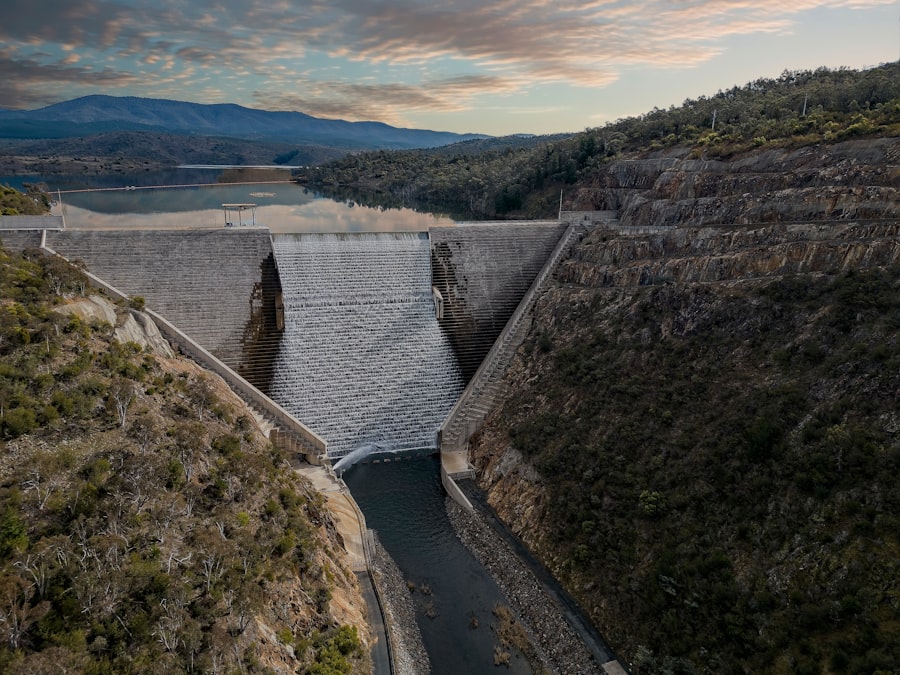
Water management is a critical issue in the arid West, where droughts and population growth place immense pressure on limited water resources. Glen Canyon Dam plays a central role in this complex system by acting as a regulatory mechanism for the Colorado River. Through its ability to store and release water, the dam helps to balance supply and demand, ensuring that water is available when and where it is needed most.
This capability is particularly important during dry years when water levels in reservoirs can drop significantly. The dam’s operations are guided by intricate agreements and regulations that govern how water is allocated among various stakeholders, including agricultural users, urban populations, and environmental interests. The Bureau of Reclamation oversees these operations, working to optimize water delivery while also considering ecological impacts.
This balancing act requires constant monitoring and adjustments to flow rates, which can be influenced by factors such as precipitation patterns and reservoir levels. As climate change continues to affect weather patterns and water availability, Glen Canyon Dam’s role in water management will likely become even more critical.
Understanding the Environmental Impact of Glen Canyon Dam
While Glen Canyon Dam has provided numerous benefits in terms of water management and energy production, its construction has also had significant environmental consequences. The alteration of the Colorado River’s natural flow has disrupted ecosystems that depend on seasonal flooding and sediment transport. Before the dam was built, the river would experience natural fluctuations in flow that supported diverse habitats along its banks.
However, with the dam’s regulation of water releases, these natural processes have been significantly altered. One major environmental concern is the impact on fish populations and other aquatic life. Species such as the native humpback chub have struggled to adapt to the changes brought about by the dam’s operations.
The cold water released from Lake Powell can be detrimental to fish spawning and growth, leading to declines in native fish populations. Additionally, sediment transport has been disrupted, affecting riverbank stability and habitat availability for various species. As scientists continue to study these impacts, there is an ongoing dialogue about how to mitigate negative effects while still meeting human needs for water and power.
The Importance of Hydropower Generation at Glen Canyon Dam
| Metric | Description | Typical Values |
|---|---|---|
| Dam Height | Vertical height of Glen Canyon Dam | 710 feet (216 meters) |
| Reservoir Name | Name of the reservoir created by the dam | Lake Powell |
| Reservoir Capacity | Maximum water storage capacity of Lake Powell | 27 million acre-feet |
| Hydroelectric Capacity | Maximum power generation capacity of the dam’s turbines | 1,320 megawatts |
| Average Annual Release | Average volume of water released downstream annually | 8.23 million acre-feet |
| Flow Regulation | Purpose of controlling water flow for downstream use | Flood control, irrigation, municipal water supply |
| Environmental Considerations | Measures to protect downstream ecosystems | Controlled flow releases, sediment management |
| Operational Constraints | Limitations on dam operations | Water rights agreements, drought conditions |
Hydropower generation at Glen Canyon Dam is a vital component of its overall function and significance. The dam’s power plant has an installed capacity of 1,320 megawatts, making it one of the largest hydroelectric facilities in the United States. This renewable energy source provides electricity to millions of people across several states, contributing to regional energy security and sustainability.
Hydropower is particularly valuable because it produces no greenhouse gas emissions during operation, making it an environmentally friendly alternative to fossil fuels. The ability to generate hydropower also allows for greater flexibility in managing electricity demand. During peak usage times, such as hot summer days when air conditioning use surges, Glen Canyon Dam can quickly ramp up electricity production to meet increased demand.
This capability helps stabilize the grid and ensures that consumers have access to reliable power. Furthermore, as renewable energy sources gain prominence in efforts to combat climate change, hydropower from facilities like Glen Canyon Dam will play an increasingly important role in transitioning to a more sustainable energy future.
How Glen Canyon Dam Regulates Flow in the Colorado River
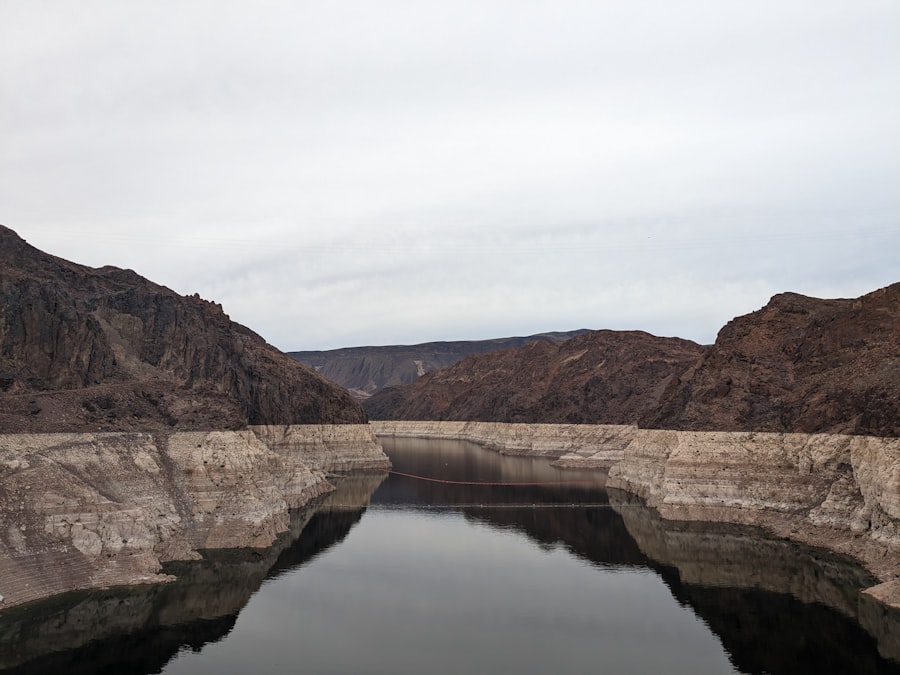
Glen Canyon Dam’s ability to regulate flow in the Colorado River is one of its most critical functions. By controlling water releases from Lake Powell, the dam can manage river levels downstream to meet various needs while also addressing environmental concerns. The Bureau of Reclamation employs sophisticated modeling techniques to determine optimal flow rates based on factors such as reservoir levels, weather forecasts, and stakeholder demands.
The regulation of flow is particularly important during periods of drought or low water availability. By carefully managing releases from Lake Powell, Glen Canyon Dam can help ensure that downstream users receive adequate water supplies while also maintaining ecological health in riverine habitats. This delicate balance requires constant monitoring and adjustments to flow rates based on real-time conditions.
Additionally, seasonal variations in snowmelt and rainfall patterns necessitate ongoing assessments to optimize water management strategies.
The Influence of Glen Canyon Dam on Sediment Transport
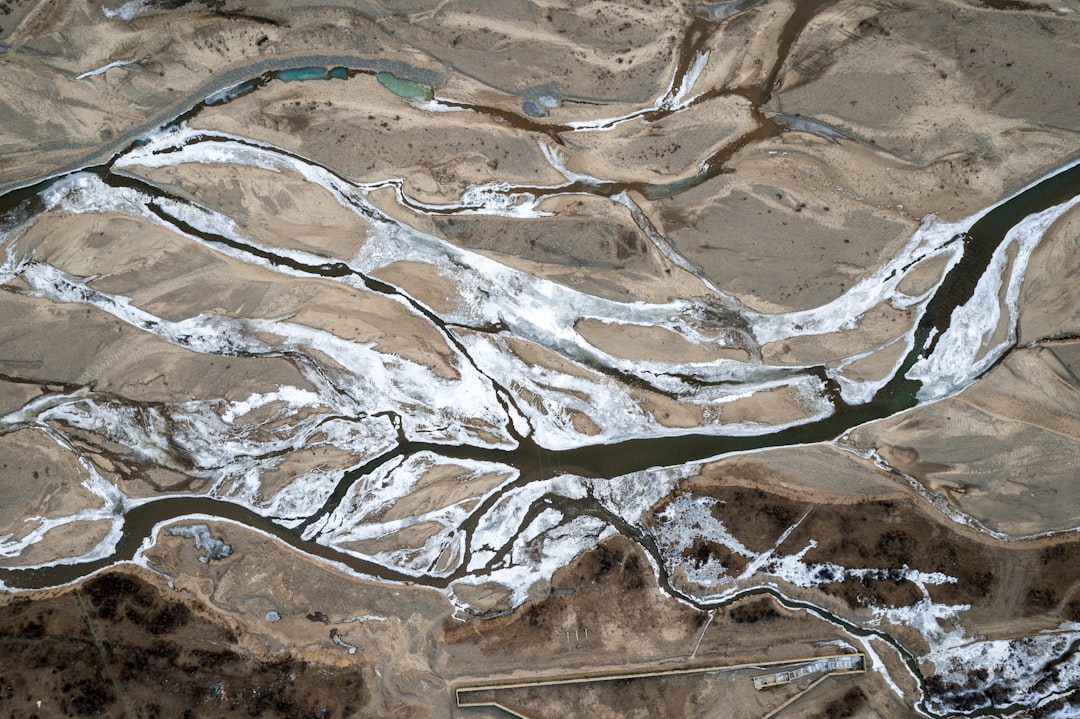
Sediment transport is a natural process that plays a crucial role in shaping river ecosystems and maintaining habitat diversity. However, Glen Canyon Dam has significantly altered this process along the Colorado River. Before the dam’s construction, sediment would flow freely downstream during seasonal floods, replenishing riverbanks and creating diverse habitats for fish and other wildlife.
With the dam in place, sediment transport has been drastically reduced due to the trapping of sediment behind Lake Powell. The consequences of this disruption are far-reaching. Without regular sediment replenishment, riverbanks can erode more rapidly, leading to habitat loss for various species.
Scientists are actively researching ways to mitigate these impacts through controlled sediment releases or other management strategies aimed at restoring some degree of natural sediment transport along the river.
The Role of Glen Canyon Dam in Flood Control
Flood control is another essential function served by Glen Canyon Dam. The dam’s design allows it to manage excess water during periods of heavy rainfall or snowmelt effectively. By regulating releases from Lake Powell, Glen Canyon Dam can help prevent downstream flooding that could threaten communities and infrastructure along the Colorado River.
The importance of flood control cannot be overstated; flooding can cause significant damage to homes, businesses, and agricultural lands. By carefully monitoring weather patterns and reservoir levels, operators at Glen Canyon Dam can make informed decisions about when and how much water to release from Lake Powell. This proactive approach not only protects lives and property but also helps maintain stability within regional economies that rely on consistent water availability.
Understanding the Recreation Opportunities Created by Glen Canyon Dam
Beyond its functional roles in water management and energy production, Glen Canyon Dam has also created numerous recreational opportunities for visitors seeking adventure and natural beauty. Lake Powell, formed by the dam’s construction, has become a popular destination for boating, fishing, kayaking, and camping. Its stunning red rock formations and expansive waters attract millions of visitors each year who come to enjoy outdoor activities amidst breathtaking scenery.
The surrounding Glen Canyon National Recreation Area offers additional recreational options such as hiking trails that wind through picturesque landscapes and provide access to stunning viewpoints overlooking both the lake and canyon formations. These recreational opportunities contribute significantly to local economies by attracting tourism dollars while also promoting outdoor recreation as a means of connecting with nature. As awareness grows about the importance of preserving these natural spaces, efforts are being made to balance recreational use with environmental conservation.
The Future of Glen Canyon Dam Operations
As society grapples with challenges related to climate change and shifting water availability patterns, the future operations of Glen Canyon Dam will likely evolve in response to these pressures. Ongoing research into environmental impacts will inform management strategies aimed at minimizing negative effects on ecosystems while still meeting human needs for water and power generation. Additionally, discussions surrounding potential modifications or upgrades to dam operations are gaining traction among stakeholders concerned about balancing ecological health with resource demands.
Innovative approaches such as controlled sediment releases or adaptive management strategies may emerge as viable solutions for addressing some of the challenges posed by altered river dynamics since the dam’s construction.
Balancing the Benefits and Challenges of Glen Canyon Dam Operations
In conclusion, Glen Canyon Dam stands as both a symbol of human achievement and a focal point for ongoing debates about resource management in an era marked by environmental change. While it provides essential benefits such as reliable water supply, hydroelectric power generation, flood control measures, and recreational opportunities for millions of visitors each year; it also presents significant challenges related to ecological impacts on river systems. As stakeholders continue navigating these complexities—balancing economic needs with environmental stewardship—the future operations at Glen Canyon Dam will require careful consideration and collaboration among diverse interests.
Ultimately, finding solutions that honor both human needs and ecological integrity will be crucial for ensuring sustainable management practices moving forward into an uncertain future shaped by climate variability and resource constraints.
For a deeper understanding of the Glen Canyon Dam operations, you may find the article on the broader implications of water management in the region insightful. It discusses various factors influencing dam operations and their environmental impact. You can read more about it in this related article: mygeoquest.
com/sample-page/’>Water Management and Its Implications.
📌Lake Mead’s Death Spiral: How a Century of Lies Built a $5 Trillion Collapse
FAQs
What is the Glen Canyon Dam?
The Glen Canyon Dam is a concrete arch-gravity dam on the Colorado River in northern Arizona. It was constructed to provide water storage, hydroelectric power generation, and flood control.
When was the Glen Canyon Dam built?
Construction of the Glen Canyon Dam began in 1956 and was completed in 1966.
What is the primary purpose of the Glen Canyon Dam?
The primary purposes of the dam are to store water in Lake Powell, generate hydroelectric power, provide water for irrigation and municipal use, and help manage river flow to prevent flooding downstream.
How does the Glen Canyon Dam generate electricity?
The dam generates electricity by releasing water through turbines located at its base. The flowing water spins the turbines, which drive generators to produce hydroelectric power.
What is Lake Powell?
Lake Powell is the reservoir created by the Glen Canyon Dam. It is one of the largest man-made reservoirs in the United States and serves as a critical water storage facility for the Colorado River Basin.
How are the operations of Glen Canyon Dam managed?
Operations are managed by the U.S. Bureau of Reclamation, which balances water storage, power generation, environmental concerns, and downstream water delivery requirements.
Does the Glen Canyon Dam impact the environment?
Yes, the dam has significant environmental impacts, including altering natural river flow, affecting fish and wildlife habitats, and changing sediment transport downstream.
Can the Glen Canyon Dam help with drought management?
Yes, by regulating water releases and storing water in Lake Powell, the dam helps manage water supply during periods of drought in the Colorado River Basin.
Is recreational activity allowed at Glen Canyon Dam and Lake Powell?
Yes, Lake Powell is a popular destination for boating, fishing, and other recreational activities, while the dam itself is a site for tours and educational visits.
Who oversees the safety and maintenance of the Glen Canyon Dam?
The U.S. Bureau of Reclamation is responsible for the safety, maintenance, and operational integrity of the Glen Canyon Dam.