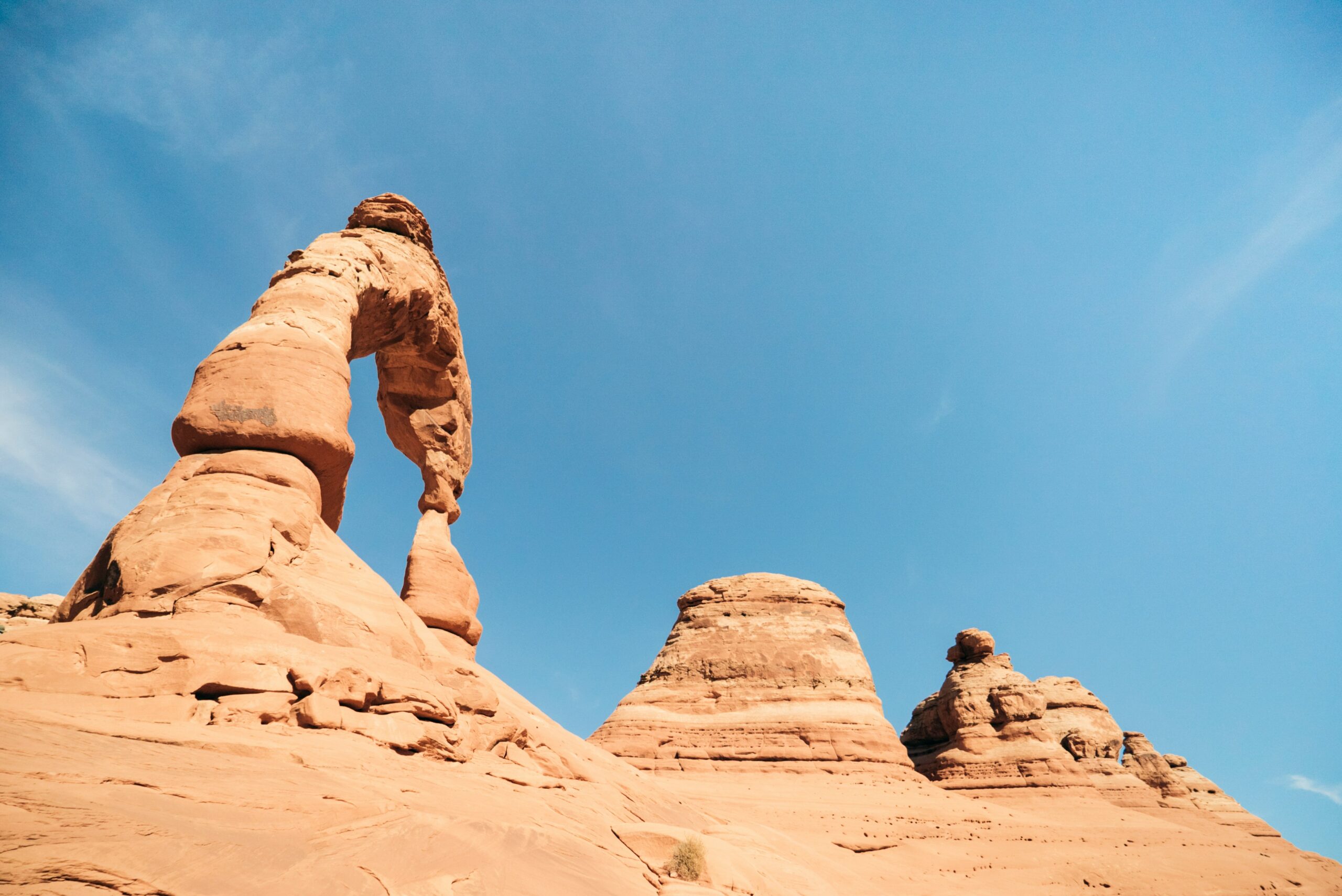
The Earth’s surface is a testament to constant, dynamic change. Unlike the seemingly static mountains and valleys we perceive, the planet is a sculptor’s workshop where natural forces relentlessly reshape the land. At the heart of this ongoing transformation are two fundamental geological processes: erosion and deposition. Together, these intertwined mechanisms orchestrate the continuous cycle of weathering, transportation, and accumulation, creating the diverse and ever-evolving landscapes we inhabit. Understanding these processes is not merely an academic pursuit; it offers profound insights into the planet’s history, its present state, and the forces that will shape its future.
Erosion is the process by which the Earth’s surface is worn away. It is not a singular event but a series of actions that break down and remove rock and soil. This constant wearing down is driven by various agents, each with its own unique power to dismantle and transport. Without erosion, the dramatic cliffs, winding canyons, and fertile plains we see today would simply not exist. It is the initial step in the grand geological cycle, breaking down existing landforms and preparing the material for its next journey. The sheer power of these forces, often acting over millennia, can transform entire continents.
Weathering: The Prelude to Erosion
Before erosion can truly begin its work of removal, the materials it acts upon must first be weakened. This preparatory stage is known as weathering, and it encompasses the physical disintegration and chemical decomposition of rocks and minerals at or near the Earth’s surface. Weathering essentially breaks down larger rock formations into smaller particles, making them more susceptible to the transportive power of erosion. It is the meticulous preparation that allows the more dramatic events of erosion to unfold.
Physical Weathering: The Mechanical Breakdown
Physical weathering, also known as mechanical weathering, refers to the breakdown of rocks into smaller pieces without changing their chemical composition. This is akin to smashing a rock with a hammer; the rock is broken, but its fundamental mineral makeup remains the same.
Freeze-Thaw Cycles (Frost Wedging):
One of the most potent forms of physical weathering, especially in temperate and polar regions, is freeze-thaw weathering, or frost wedging. Water, which is denser than ice, seeps into cracks and crevices within rocks. When temperatures drop below freezing, this water turns to ice, expanding by approximately 9% in volume. This expansion exerts immense pressure on the surrounding rock, widening the cracks. As this cycle repeats – water seeping in, freezing, expanding, and then thawing – the cracks progressively enlarge, eventually causing the rock to fracture and break apart. The persistent prying action of ice can be incredibly powerful, slowly but surely dismantling even the most robust rock formations.
Thermal Expansion and Contraction:
Another significant contributor to physical weathering is the differential expansion and contraction of rock materials due to temperature fluctuations. Rocks are composed of various minerals, each with a slightly different coefficient of thermal expansion. During the day, especially in arid and semi-arid environments where daily temperature swings can be extreme, the rock heats up and expands. At night, it cools and contracts. This repeated expansion and contraction creates stress within the rock. Over time, this stress can lead to the formation of micro-cracks and the eventual spalling or exfoliation of rock layers, resembling the peeling of an onion. This process is particularly noticeable in granite, where layers of rock can detach.
Abrasion: The Grinding Action
Abrasion is the process of wearing down rocks through friction from particles carried by wind, water, ice, or gravity. Imagine sandblasting; the constant impact of tiny abrasive particles against a surface wears it away. This occurs in various environments. Windblown sand can scour rock surfaces, creating smoothed, polished, or even sculpted features like ventifacts. Rivers carry sediment that grinds against the riverbed and banks, deepening and widening their channels. Glaciers, with their immense weight and the embedded rocks and sediment they carry, are exceptionally effective agents of abrasion, carving out U-shaped valleys and polishing bedrock.
Root Wedging: The Biological Assault
Even the seemingly gentle action of plant roots can contribute significantly to physical weathering. As plant roots grow and penetrate existing cracks in rocks, they exert outward pressure. This pressure, though often slow and gradual, can widen cracks over time, similar to the forces of frost wedging. In some cases, the roots can even pry apart large rock fragments, contributing to the disintegration of the rock mass. This highlights the interconnectedness of biological and geological processes.
Chemical Weathering: The Molecular Transformation
Chemical weathering involves the decomposition of rocks and minerals through chemical reactions. Unlike physical weathering, which simply breaks rocks apart, chemical weathering changes the chemical composition of the minerals, altering them into new substances. This process is often facilitated by the presence of water and atmospheric gases.
Dissolution: The Soluble Attack
Dissolution occurs when minerals are dissolved directly by water. Water is a universal solvent, and while it may not dissolve all minerals easily, it can effectively break down more soluble substances. For instance, limestone, primarily composed of calcium carbonate, is particularly susceptible to dissolution by slightly acidic water. Rainfall, absorbing carbon dioxide from the atmosphere, becomes weakly acidic (carbonic acid). When this acidic rainwater flows over limestone, it dissolves the calcium carbonate, leading to the formation of features like caves, sinkholes, and karst topography. Salt crystals can also be dissolved in a similar manner.
Hydrolysis: The Watery Transformation
Hydrolysis is a chemical reaction in which water breaks down minerals. In this process, water molecules react with the mineral’s structure, breaking chemical bonds and forming new compounds. Feldspar, a common mineral in many rocks, is often altered by hydrolysis to clay minerals. This process weakens the rock, making it more prone to further weathering and erosion. The formation of clays, which are softer and more easily transported than the original rock, is a significant outcome of hydrolysis.
Oxidation: The Rusting of Rocks
Oxidation is a chemical reaction where minerals react with oxygen, often in the presence of water. This process is similar to the rusting of iron, where iron combines with oxygen to form iron oxides. Many common rock-forming minerals, particularly those containing iron, are susceptible to oxidation. For example, iron-bearing minerals in rocks can be oxidized to form reddish-brown iron oxides like hematite or limonite. This process weakens the rock and can lead to a change in its color and physical properties, making it more crumbly and easily eroded.
Agents of Erosion: The Moving Forces
Once rocks are weathered and weakened, they become susceptible to transport. This is where the agents of erosion come into play. These are the natural forces that move weathered material from one place to another.
Water: The Ubiquitous Sculptor
Water is perhaps the most powerful and pervasive agent of erosion on Earth. Its ability to flow, seep, and exert pressure makes it a relentless force shaping landscapes.
Runoff and Sheet Erosion:
When rainfall exceeds the infiltration capacity of the soil, it begins to flow over the surface as runoff. If the flow is spread evenly over a large area, it is known as sheet erosion. This process removes a thin layer of soil and sediment from the entire surface, gradually lowering the land and carrying the material downslope. While often subtle, prolonged sheet erosion can lead to significant loss of fertile topsoil.
Rill and Gully Erosion:
As runoff concentrates in depressions and natural channels, it gains momentum and erosive power. This concentrated flow carves small channels known as rills. If these rills are not addressed, they can deepen and widen over time, evolving into larger features called gullies. Gully erosion is a more aggressive form of erosion that can create dramatic canyons and ravines, dissecting the landscape and causing substantial land degradation. These features are visual reminders of the destructive power of concentrated water flow.
River Erosion:
Rivers are master sculptors of the landscape. As a river flows, it erodes its bed and banks through a combination of processes. Hydraulic action involves the sheer force of the water dislodging material. Abrasion, as mentioned earlier, occurs as the sediment carried by the river grinds against the riverbed and banks. Attrition is the process where the sediment particles themselves break down and become smaller as they collide with each other. Solution, where soluble materials are dissolved, also plays a role. These processes, acting over vast stretches of time, carve out valleys, canyons, and deltas, shaping entire drainage basins.
Wind: The Desert’s Artisan
In arid and semi-arid regions, where vegetation is sparse and the ground is dry, wind becomes a significant agent of erosion. Wind erosion primarily affects unconsolidated materials like sand and silt.
Deflation: The Lifting and Carrying
Deflation is the process by which wind lifts and transports loose particles from the ground surface. It is most effective in deserts and dry, sandy areas. Lighter particles like fine sand and dust are easily picked up and carried away by the wind. Over time, deflation can lower the land surface, creating depressions known as deflation hollows. In extreme cases, deflation can expose bedrock, forming desert pavement.
Wind Abrasion (Sandblasting):
Similar to abrasion by water, wind can also cause abrasion through the action of sand grains it carries. As wind blows sand particles against rock surfaces, it acts like a natural sandblaster, wearing away the rock and shaping it. This process can create smoothed surfaces, sculpted rock formations, and unique desert features like yardangs and ventifacts.
Ice: The Glacial Grinder
Glaciers, vast rivers of ice, are incredibly powerful agents of erosion. Their immense weight and the debris they carry allow them to shape the landscape in dramatic ways.
Glacial Abrasion:
As glaciers move downslope, the rocks and sediment embedded in their base and sides grind against the underlying bedrock. This process, known as glacial abrasion, is incredibly effective at carving out and shaping the landscape. It is responsible for the formation of distinctive glacial features such as striations (scratches on bedrock), polished rock surfaces, and roche moutonnées (rock formations streamlined by glacial flow).
Plucking (Quarrying):
Glacial plucking, or quarrying, is another significant erosional process by glaciers. As meltwater seeps into cracks in the bedrock beneath a glacier, it can refreeze, expanding and wedging the rock. The glacier then moves forward, pulling chunks of loosened rock away with it. This process can detach large blocks of rock, contributing to the widening and deepening of valleys.
Gravity: The Downhill Pull
Gravity, the fundamental force that pulls everything towards the center of the Earth, plays a crucial role in erosion, particularly in mountainous and steep terrains. Mass wasting, or mass movement, refers to the downslope movement of rock and soil under the influence of gravity.
Rockfalls and Landslides:
Rockfalls occur when loosened rocks tumble down a steep slope. Landslides are more complex events involving the rapid downslope movement of a large mass of rock, debris, or soil. These events can be triggered by factors such as heavy rainfall, earthquakes, or undercutting of slopes by erosion. They can cause significant destruction and reshape landscapes in a matter of moments.
Creep: The Slow Squeeze
Soil creep is a slow, almost imperceptible downslope movement of soil and regolith. It is driven by freeze-thaw cycles, wetting and drying, and the burrowing of animals. Although slow, over long periods, creep can cause fences to tilt, trees to lean downslope, and walls to bulge. It is a constant, subtle force that contributes to the gradual reshaping of hillsides.
Erosion and deposition are fundamental processes that shape our landscapes, and understanding them is crucial for studying geography and environmental science. For a deeper insight into these processes, you can explore the article available at MyGeoQuest, which provides detailed explanations and examples of how erosion and deposition occur in various environments. This resource is invaluable for anyone looking to grasp the dynamics of earth’s surface changes.
The Accumulation Game: Understanding Deposition
While erosion is about breaking down and removing, deposition is its inevitable counterpart. Deposition is the geological process in which sediments, soil, and rocks are added to a landform or landmass. After erosion has done its work of breaking down and transporting material, these transported particles eventually lose their energy and settle out. This settling, or accumulation, is deposition. It is the creative force that builds new landforms and enriches existing ones. Deposition is the constructive side of the Earth’s remodeling.
Depositional Environments: Where Sediments Settle
The characteristics of deposited sediments and the landforms they create are heavily influenced by the environment in which deposition occurs. Different agents of erosion deposit their transported material in distinct settings.
Alluvial Fans: The River’s Gift
When a stream or river emerges from a steep, narrow valley onto a flatter, wider plain, it loses its velocity and thus its ability to carry sediment. The sediment load is then deposited in a fan-shaped or conical deposit known as an alluvial fan. These fans can be vast, accumulating sediment over thousands of years and creating fertile plains ideal for agriculture. The process is like a river shedding its burden as it enters a more open space.
Deltas: The River’s Mouth Masterpiece
Where a river enters a larger body of standing water, such as an ocean, lake, or sea, its velocity decreases dramatically. This abrupt loss of energy causes the river to deposit its sediment load at its mouth, forming a delta. Deltas are often triangular or fan-shaped, characterized by a network of distributary channels. Over time, these deposits can build up, extending the coastline and creating new land. The Nile Delta and the Mississippi Delta are prime examples of these massive depositional features.
Beaches and Sandbars: The Work of Waves and Currents
Along coastlines, the energy of waves and longshore currents plays a dominant role in deposition. Waves transport sand and other sediments along the shore, creating beaches. Longshore currents, flowing parallel to the coastline, can move sand and build up features like sandbars, spits, and barrier islands. These dynamic environments are constantly being reshaped by the ebb and flow of the tides and the power of the sea.
Floodplains: The River’s Fertile Blanket
When rivers overflow their banks during periods of high flow, they spread water and sediment across the adjacent land. This process, known as flooding, deposits a layer of nutrient-rich silt and clay onto the floodplain. Over time, repeated flooding can build up thick layers of fertile soil, making floodplains some of the most productive agricultural lands in the world. These areas are a testament to the enriching power of deposition, even from destructive events.
Glacial Till and Moraines: The Icy Legacy
When glaciers melt, they release the vast amounts of sediment they have carried. This unsorted mixture of clay, silt, sand, gravel, and boulders is called glacial till. Glaciers deposit till in various forms, creating distinctive landforms known as moraines. Terminal moraines are formed at the furthest extent of a glacier, while lateral moraines are deposited along the sides. These features are lasting monuments to the erosional and depositional power of ice.
Landforms Created by Deposition: Nature’s Sculptures
The cumulative effect of deposition over geological time results in the creation of a wide array of impressive landforms.
Mountains and Plateaus: Uplifted and Modified
While mountain building is primarily a result of tectonic forces, erosional and depositional processes play a significant role in shaping their ultimate form. The erosional removal of material from higher elevations can expose underlying rock layers and create dramatic peaks and valleys. Conversely, the deposition of sediments in basins can lead to the formation of plateaus, vast, elevated areas of relatively flat land.
Valleys and Canyons: Carved and Filled
The erosional action of rivers and glaciers carves out valleys and canyons. However, deposition also plays a role. As rivers meander, they deposit sediment on the inside bends, gradually widening the valley floor. In some instances, ancient river valleys may become filled with sediment over time, creating new, flatter landscapes.
Plains and Basins: The Depositional Depths
Vast, flat expanses of land, such as plains and basins, are often the result of extensive deposition. Sediments carried by rivers, wind, or glaciers accumulate over long periods, smoothing out the topography and creating low-lying areas. These are the cradles of human civilization, providing fertile ground for agriculture and settlement.
The Interplay of Erosion and Deposition: A Continuous Cycle

Erosion and deposition are not independent processes but are inextricably linked in a continuous geological cycle. One cannot occur without the other. Erosion breaks down and transports material, and deposition accumulates this material to form new landforms. This cycle has been operating for billions of years, shaping the Earth’s surface from the microscopic to the continental scale.
Erosion and deposition are crucial processes that shape our landscapes, and understanding them can provide valuable insights into environmental changes. For a deeper exploration of these concepts, you can read a related article that explains the mechanisms behind erosion and deposition in detail. This resource offers a comprehensive overview of how these processes interact and influence various ecosystems. To learn more, visit this informative article on erosion and deposition.
The Sediment Budget: A Balancing Act
The concept of a sediment budget is crucial to understanding the relationship between erosion and deposition. It refers to the balance between the amount of sediment being eroded and the amount being deposited within a given area.
Sources and Sinks: Where Sediment Comes From and Goes To
Sediment sources include the weathering of rocks, the erosion of landforms, and the breakdown of existing sediments. Sinks are the locations where sediment is deposited, such as oceans, lakes, riverbeds, and depositional landforms.
Equilibrium and Imbalance:
In a stable system, the sediment budget is in equilibrium, meaning the rate of erosion is balanced by the rate of deposition. However, imbalances can occur due to various factors. Increased erosion, perhaps due to deforestation or intense rainfall, can lead to an excess of sediment being transported. Conversely, dam construction can trap sediment, reducing the amount reaching downstream sinks and leading to erosion in those areas. Understanding these imbalances is vital for managing landscapes and mitigating the impacts of erosion and deposition.
Human Impact: Accelerating the Cycle
Human activities have profoundly impacted the natural rates of erosion and deposition, often accelerating these processes with significant consequences.
Deforestation and Agriculture:
The clearing of forests for agriculture, logging, and development removes vegetation that binds the soil. This leaves the soil exposed and vulnerable to erosion by rain and wind. Intensive agricultural practices, such as tilling and monoculture, can further degrade soil structure, making it even more susceptible to erosion. The resulting increased sediment runoff can silt up rivers, damage aquatic ecosystems, and lead to land degradation.
Urbanization and Construction:
The construction of buildings, roads, and infrastructure involves significant disturbance of the land surface. This exposes large areas of soil and rock to erosion. Runoff from impervious surfaces, such as roads and rooftops, can concentrate water flow, leading to increased erosion in surrounding areas and downstream.
Mining and Resource Extraction:
Mining operations, particularly surface mining, can remove vast quantities of soil and rock, exposing underlying materials to erosion. The disposal of mining waste can also create areas prone to erosion and sedimentation. The extraction of fossil fuels and other resources can lead to land disturbance and altered drainage patterns, influencing erosion rates.
Climate Change: Amplifying the Forces
Climate change is exacerbating the impacts of erosion and deposition in several ways. Increased frequency and intensity of extreme weather events, such as heavy rainfall and droughts, can lead to more severe erosion. Rising sea levels can increase coastal erosion and inundation. Changes in temperature and precipitation patterns can also influence the rates of weathering and the effectiveness of erosional agents.
The Significance of Understanding Erosion and Deposition

Grasping the intricacies of erosion and deposition is not merely an academic exercise; it holds immense practical and intellectual value. These processes are fundamental to understanding our planet and our place within it.
Shaping the Earth’s Surface: The Grand Canvas
The dramatic cliffs of the Grand Canyon, the fertile floodplains of the Amazon, the towering sand dunes of the Sahara – all are direct products of erosion and deposition. These processes have sculpted the Earth’s surface over geological timescales, creating the diverse and breathtaking landscapes that define our planet. From the microscopic alteration of minerals to the colossal carving of mountain ranges, erosion and deposition are the Earth’s grand artists.
Resource Management and Environmental Stewardship:
An understanding of erosion and deposition is critical for effective resource management and environmental stewardship. Preventing soil erosion is essential for maintaining agricultural productivity and preventing desertification. Managing river systems to control flooding and sediment transport is vital for protecting infrastructure and ecosystems. Understanding coastal erosion is necessary for planning coastal development and protecting vulnerable communities.
Paleoclimate and Earth History: Reading the Past
The sedimentary layers deposited over time act as a geological archive, preserving evidence of past climates, environments, and geological events. By studying the characteristics of these deposited sediments and the landforms they create, scientists can reconstruct past climates, understand ancient ecosystems, and unravel the history of the Earth. For instance, the layers of sediment in lakebeds or ocean floors can reveal changes in rainfall patterns, volcanic activity, and the movement of continents.
Predicting Future Landscapes: A Glimpse Ahead
By understanding the rates and patterns of erosion and deposition, scientists can make predictions about how landscapes will change in the future. This is crucial for planning infrastructure development, managing natural resources, and adapting to the impacts of climate change. For example, understanding the potential for increased erosion due to changing rainfall patterns can help inform land-use planning and conservation efforts.
In conclusion, erosion and deposition are the silent, ceaseless forces that continually reshape our planet. They are the architects of our landscapes, the builders of our continents, and the keepers of Earth’s history. By understanding these fundamental processes, we gain a deeper appreciation for the dynamic nature of our world and our responsibility to steward it wisely. The Earth is not a static entity but a living, breathing system, perpetually molded by the powerful dance of removal and accumulation.
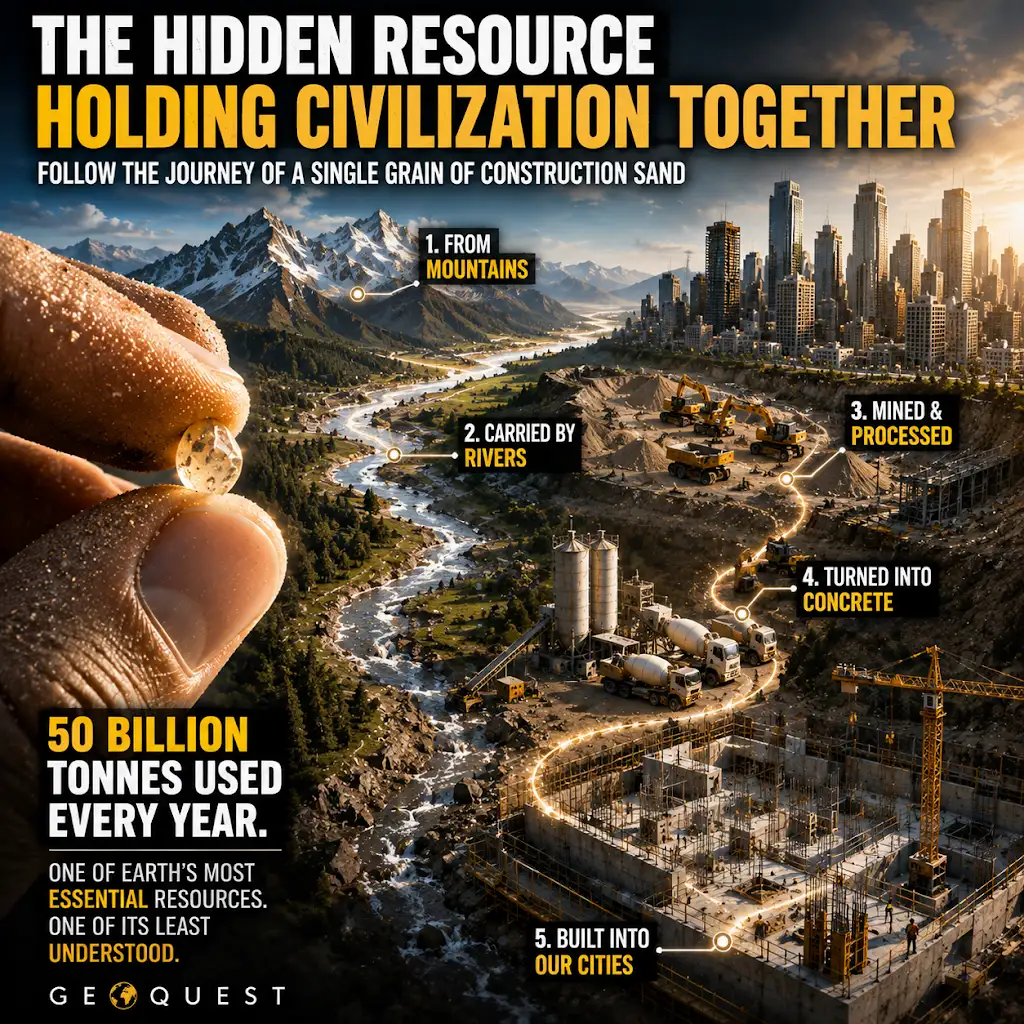
The Hidden Resource Holding Civilization Together
FAQs
What is erosion?
Erosion is the process by which soil and rock are removed from the Earth’s surface by natural forces such as wind, water, and ice. This can occur gradually over time or more rapidly during events like storms or floods.
What causes erosion?
Erosion can be caused by a variety of factors including rainfall, wind, glaciers, and human activities such as deforestation and construction. These factors can lead to the wearing away of soil and rock, resulting in the movement of sediment from one location to another.
What is deposition?
Deposition is the process by which eroded sediment is deposited or dropped off in a new location. This can occur when the energy of the transporting agent (such as water or wind) decreases, causing the sediment to settle out and accumulate in a new area.
What are the effects of erosion?
Erosion can have a range of effects on the environment, including loss of fertile soil, changes to the landscape, and increased sedimentation in water bodies. It can also lead to increased flooding and damage to infrastructure.
How can erosion be managed?
Erosion can be managed through various techniques such as planting vegetation to stabilize soil, implementing erosion control structures, and reducing activities that contribute to erosion, such as overgrazing and improper land use. Proper land management and conservation practices can help mitigate the impacts of erosion.