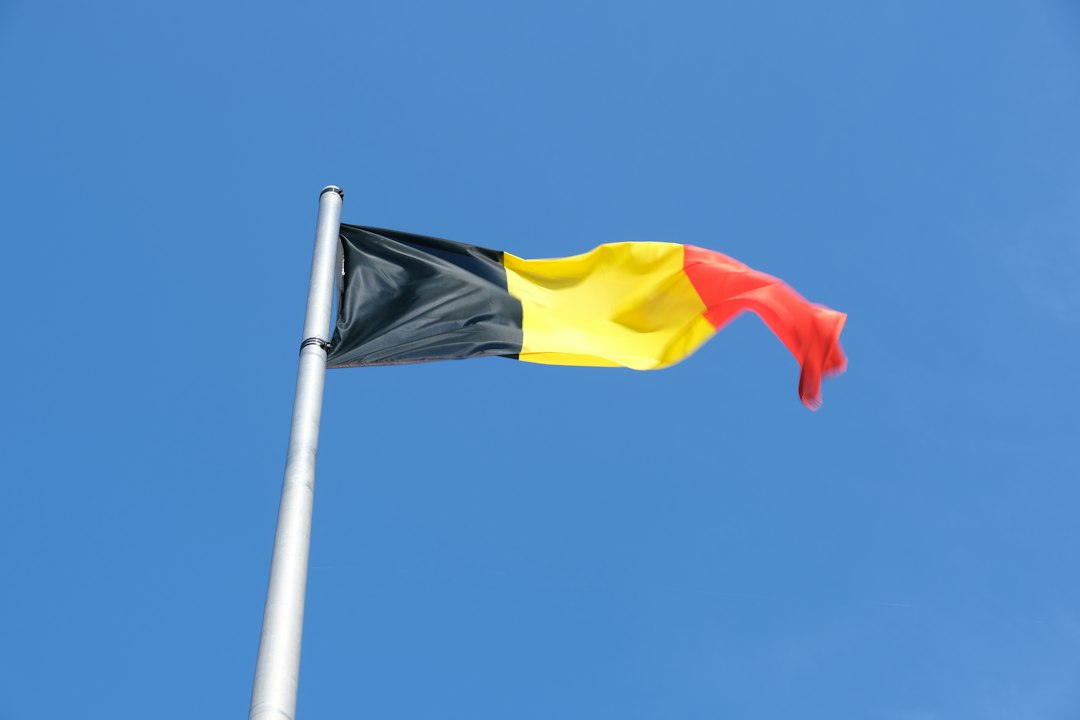
Belgium’s intricate political landscape is a fascinating study in compromise and power-sharing, a direct consequence of its deeply entrenched linguistic and cultural divisions. Understanding this complex system requires navigating a multi-layered structure of government, a unique federal setup, and a constantly shifting balance between its constituent communities. It is a system designed to accommodate diverse identities while striving for national cohesion, often resulting in intricate negotiations and a sometimes bewildering array of institutions.
The roots of Belgium’s unique political architecture can be traced back to its very formation as a nation. The country’s history is marked by a persistent tension between its Dutch-speaking Flemish majority and its French-speaking Walloon minority, with a significant German-speaking community in the east. These linguistic communities have historically developed distinct cultural, economic, and political identities, leading to a demand for greater autonomy.
The 19th Century: A Fragile Unity
Following its independence from the Netherlands in 1830, Belgium was initially a unitary state. However, the dominance of the French language and culture, particularly within the political and economic elites, quickly sowed seeds of discontent among the Flemish population. Early attempts to address these grievances were largely superficial, and the linguistic divide began to manifest in various social and political spheres. The emergence of Flemish nationalist movements in the late 19th and early 20th centuries underscored the growing dissatisfaction and the need for a more profound restructuring of the state.
The Rise of Linguistic Communities and Cultural Autonomy
The mid-20th century witnessed a pivotal shift in Belgium’s political evolution. The increasing assertiveness of Flemish and Walloon movements, coupled with demographic changes, necessitated a re-evaluation of the unitary state model. This period saw a gradual recognition of the distinct cultural identities and the development of policies aimed at granting these communities greater control over their affairs. The concept of “cultural autonomy” began to gain traction, laying the groundwork for the federalization process.
The First State Reforms: Decentralization Takes Hold
The initial attempts at decentralization were gradual but significant. The first major state reforms, occurring in stages from the 1970s onwards, marked the transition from a unitary state to a federal one. These reforms recognized linguistic communities and regions as distinct entities with their own elected councils and executive bodies, albeit with limited powers initially. The aim was to appease regional demands and prevent further societal fragmentation.
For a deeper understanding of the complexities of the Belgian political system, you can explore a related article that provides insightful analysis and context. This article delves into the unique federal structure of Belgium, its linguistic divisions, and the role of various political parties. To read more about this topic, visit this link.
Belgium’s Federal Structure: A Multi-Layered Governance Model
At the heart of Belgium’s political complexity lies its federal structure. Unlike many federations where states are primarily territorial units, Belgium’s federalism is based on both territory and community. This dualistic approach creates a unique system of governance where power is divided between federal, regional, and community levels, each with specific responsibilities.
The Federal Level: National Competences and Executive Authority
The federal government of Belgium retains responsibility for a range of crucial national competences. These include defense, foreign policy, national security, justice, federal police, and core social security aspects. The federal parliament, bicameral in nature, consists of the Chamber of Representatives and the Senate. The government is led by the Prime Minister, who is appointed by the King and typically chosen from the party or coalition that can command a majority in the Chamber of Representatives. The federal budget and the overall legislative framework for many key sectors are determined at this level. However, the extensive decentralization means that federal legislation often needs to be implemented and adapted by the regional and community authorities, leading to a complex interplay of jurisdictions.
The Regions: Territorial Competences and Economic Development
Belgium is divided into three federal regions: Flanders, Wallonia, and the Brussels-Capital Region. These regions are primarily territorial entities responsible for a broad range of matters related to their geographical area. Their competences include urban planning, environmental policy, economic development, employment, and public works. Each region has its own directly elected parliament and a government responsible for implementing regional policies. The Brussels-Capital Region is particularly unique, being officially bilingual and having a complex governance structure to accommodate both French and Dutch speakers. The economic development strategies of each region are often distinct, reflecting their differing industrial bases and historical trajectories.
The Communities: Cultural and Personal Competences
Complementing the regional structure are the three linguistic communities: the Flemish Community, the French Community, and the German-speaking Community. These communities are primarily responsible for matters related to language, culture, education, and personal affairs (such as healthcare and social assistance for specific groups). The Flemish Community’s institutions cover Flanders and the Flemish inhabitants of Brussels. The French Community’s institutions cover Wallonia and the French-speaking inhabitants of Brussels. The German-speaking Community’s institutions cover the eastern part of Wallonia. The principle of “cultural autonomy” is central here, allowing each community to manage its own cultural and educational policies, including the curriculum for schools and the support for cultural institutions. This has led to significant differences in educational systems and cultural offerings across the country.
Navigating the Institutional Maze: Interplay and Cooperation
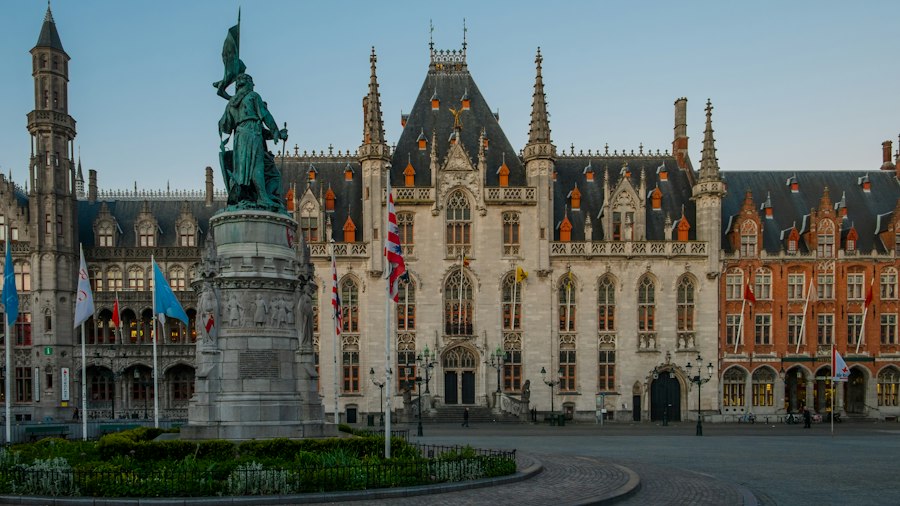
The effective functioning of Belgium’s federal system hinges on the intricate interplay and cooperation between its various levels of government. The division of powers is not always absolute, and numerous areas require coordination and agreement to ensure national coherence and prevent gridlock.
The Council of State: A Judicial and Advisory Body
The Council of State plays a crucial role in the Belgian legal system. It functions as both an administrative court and an advisory body to the government on legislative matters. Its advisory role is particularly important in ensuring that proposed legislation at all levels of government respects the constitutional framework and the division of powers. The Council of State can flag potential conflicts of jurisdiction and advise on the compatibility of regional or community legislation with federal law.
The Cooperation Agreements: Bridging the Divide
Given the overlapping competences and the need for coordinated action, cooperation agreements are a vital mechanism in Belgium. These agreements are formal arrangements between different levels of government to manage shared responsibilities or to implement joint projects. They are particularly common in areas like environmental protection, public transport, and certain aspects of social policy. Without these agreements, the system could easily grind to a halt due to jurisdictional disputes.
The Permanent Intergovernmental Conference: A Forum for Dialogue
The Permanent Intergovernmental Conference serves as a key forum for dialogue and negotiation between the federal government, the regions, and the communities. It provides a platform for addressing cross-cutting issues, resolving disputes, and coordinating policies that affect multiple levels of government. This conference is essential for maintaining a degree of national unity and for fostering a spirit of collaboration in a system inherently built on a division of powers.
The Challenges of Belgian Governance: Coalitions, Compromise, and Consensus
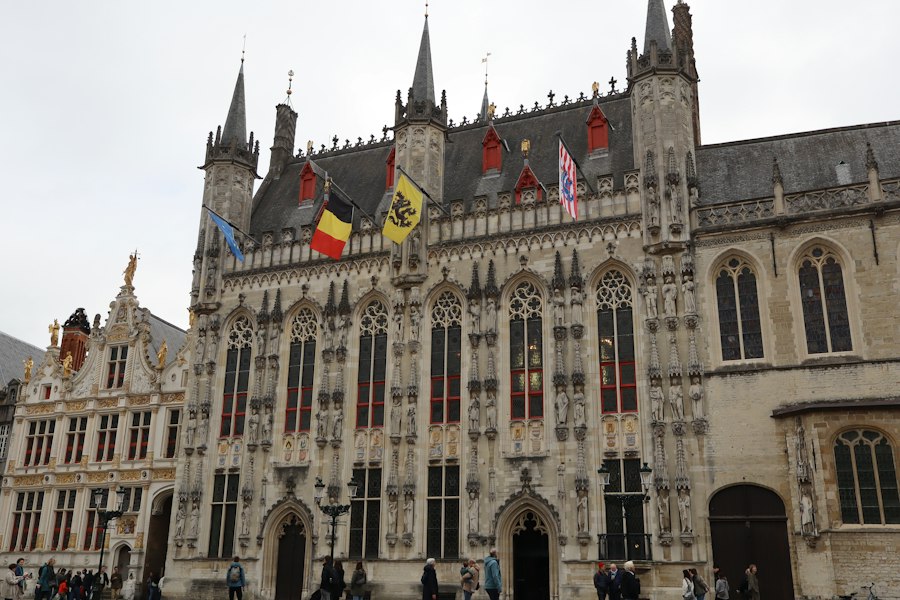
Belgium’s political system is renowned for its challenging coalition-building processes and its reliance on consensus. The absence of a clear linguistic majority at the federal level often necessitates the formation of broad coalitions that represent a significant portion of the linguistic divide, making government formation a protracted and often arduous undertaking.
Coalition Formation: A Balancing Act of Power and Identity
Forming a federal government in Belgium typically involves complex negotiations between various political parties representing different linguistic communities. Given the historical divisions, a single linguistic group rarely has enough seats to form a government alone. This means that coalition partners must be carefully selected to ensure adequate representation and to secure a working majority. The process can take months, as parties grapple with policy compromises and power-sharing arrangements. The need to appease both Flemish and Walloon interests often leads to a delicate balancing act, where concessions are made on both sides.
The Role of the King: A Symbol of Unity
The Belgian monarchy, while constitutional, plays a symbolic role in the political system. The King appoints the Prime Minister and formally sanctions laws. In times of political crisis or protracted government formation, the King can play a discreet but important role in facilitating dialogue and encouraging compromise among the political actors. He serves as a national figurehead, representing a unified Belgium, even as its internal divisions are being negotiated.
The Culture of Consensus and Compromise
The Belgian political culture is deeply rooted in consensus-building and compromise. The federal structure, with its numerous veto points and the need for broad agreement, fosters a political environment where parties are compelled to negotiate and find common ground. This can lead to slower decision-making, but it also aims to ensure that significant policy changes are broadly accepted and do not exacerbate existing tensions. However, this reliance on consensus can also lead to political stagnation when fundamental disagreements prove insurmountable.
The political system of Belgium is quite complex, characterized by its federal structure and multiple official languages. For those looking to gain a deeper understanding of how this unique system operates, a related article can provide valuable insights. You can explore more about the intricacies of Belgium’s governance by visiting this detailed overview. This resource breaks down the various levels of government and the roles they play in the country’s political landscape.
The Future of Belgium’s Political System: Reform and Adaptation
| Aspect | Description | Key Data / Metrics |
|---|---|---|
| Type of Government | Federal parliamentary constitutional monarchy | Monarch: King Philippe (since 2013) |
| Federal Structure | Divided into three regions and three communities |
Regions: Flanders, Wallonia, Brussels-Capital Communities: Flemish, French, German-speaking |
| Parliament | Bicameral legislature |
Chamber of Representatives: 150 members Senate: 60 members (mostly appointed) |
| Executive Branch | Prime Minister and Federal Cabinet | Prime Minister: Alexander De Croo (since 2020) |
| Political Parties | Multi-party system with coalition governments | Major parties: N-VA, PS, CD&V, Open VLD, MR, Ecolo, sp.a |
| Electoral System | Proportional representation | Federal elections every 5 years |
| Judiciary | Independent judiciary with Constitutional Court | Constitutional Court ensures laws comply with constitution |
| Language Communities | Official languages: Dutch, French, German |
Dutch-speaking: ~60% French-speaking: ~40% German-speaking: ~1% |
Belgium’s political system is not static; it is a constantly evolving entity, subject to ongoing debate and proposals for reform. The desire to improve efficiency, strengthen democratic accountability, and address emerging challenges continues to drive discussions about its future.
Proposals for Further Federalization or Devolution
One recurring theme in Belgian political discourse is the debate over further federalization or devolution of powers. Some argue for transferring even more competences from the federal level to the regions and communities, while others advocate for streamlining the existing structure and reducing the number of institutions. The balance of power between the federal state and its constituent parts remains a subject of continuous negotiation and potential adjustment.
The Challenges of a Multilingual Democracy
Belgium’s experience offers a unique case study in managing a multilingual democracy. The ongoing challenge is to ensure that the rights and interests of all linguistic communities are adequately protected while fostering a sense of shared national identity. The system’s success hinges on its ability to adapt to changing demographics, economic realities, and the evolving aspirations of its citizens. The constant need for compromise and negotiation, while often frustrating, is also the very mechanism that has allowed Belgium to remain a united, albeit complex, nation. The intricate tapestry of Belgium’s political system, woven from threads of history, language, and compromise, continues to be a source of fascination and a testament to the enduring power of negotiated coexistence.

Belgium Has a Border With No Wall — Here’s Why
FAQs
What is the political system of Belgium?
Belgium has a federal parliamentary democracy under a constitutional monarchy.
How is the government structured in Belgium?
The government in Belgium is divided into three levels: federal, regional, and community governments.
How is the federal government in Belgium organized?
The federal government in Belgium consists of the King, the Chamber of Representatives, and the Senate.
What are the main political parties in Belgium?
Some of the main political parties in Belgium include the New Flemish Alliance (N-VA), the Socialist Party (PS), and the Christian Democratic and Flemish (CD&V) party.
How are elections conducted in Belgium?
Elections in Belgium are held regularly for the Chamber of Representatives, the Senate, the regional parliaments, and the European Parliament.