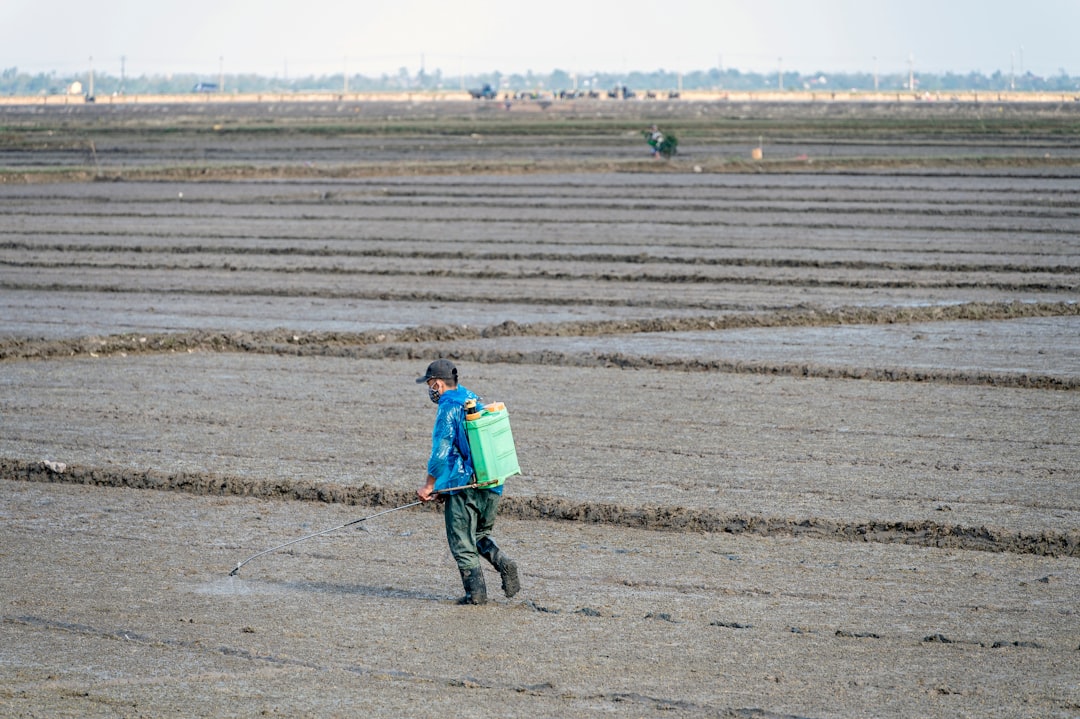
Agricultural chemicals, commonly known as agrochemicals, constitute essential components of contemporary farming systems. These compounds encompass fertilizers, pesticides, herbicides, and fungicides, which are formulated to optimize crop yields and safeguard plants against pests, diseases, and competing vegetation. The adoption of agrochemicals has transformed agricultural production since the mid-20th century, enabling farmers to achieve higher productivity levels and contribute to global food security amid increasing population demands.
The implementation of agricultural chemicals presents both benefits and challenges for farming systems. While these substances have demonstrably increased crop production efficiency, scientific research has identified potential adverse effects on soil ecosystems, biodiversity, and environmental quality. The complexity of agrochemical interactions with soil systems requires comprehensive analysis to inform evidence-based agricultural policies and practices.
This examination explores the classification and functions of agricultural chemicals, their influence on soil biological and chemical properties, and the documented impacts on soil microorganisms and long-term soil fertility. Understanding these relationships is crucial for developing integrated management approaches that optimize agricultural productivity while maintaining soil health and environmental sustainability.
Key Takeaways
- Agricultural chemicals play a significant role in modern farming but can impact soil health and microorganisms.
- Different types of agricultural chemicals include fertilizers, pesticides, and herbicides, each affecting soil differently.
- Overuse of these chemicals can lead to soil erosion, reduced fertility, and groundwater contamination.
- Sustainable agriculture practices and strategic chemical use can minimize negative effects on soil and promote long-term soil health.
- Future approaches focus on balancing agricultural productivity with environmental protection to ensure soil sustainability.
Types of Agricultural Chemicals
Agricultural chemicals can be broadly categorized into several types, each serving a specific purpose in crop production. Fertilizers are perhaps the most well-known category, providing essential nutrients such as nitrogen, phosphorus, and potassium that plants require for growth. These nutrients are crucial for enhancing crop yields and improving the quality of produce.
Fertilizers can be organic or synthetic, with organic options derived from natural sources like compost or manure, while synthetic fertilizers are chemically manufactured. Pesticides represent another significant category of agricultural chemicals. These substances are designed to control pests that threaten crops, including insects, weeds, and fungi.
Herbicides target unwanted plants that compete with crops for resources, while insecticides focus on eliminating harmful insects. Fungicides are employed to combat fungal infections that can devastate crops. The use of these chemicals has enabled farmers to protect their harvests from various threats, thereby increasing food production efficiency.
The Role of Agricultural Chemicals in Soil

Agricultural chemicals play a multifaceted role in soil management and crop production. Fertilizers contribute to soil fertility by replenishing essential nutrients that may be depleted through continuous cropping. This nutrient replenishment is vital for maintaining healthy plant growth and maximizing yields.
Additionally, fertilizers can improve soil structure and water retention capabilities, which are crucial for sustaining crops during dry periods. On the other hand, pesticides can influence soil health indirectly by reducing pest populations that may otherwise harm crops. By controlling these pests, farmers can ensure that their plants receive adequate nutrients and water without competition or damage.
However, the application of these chemicals must be carefully managed to prevent potential negative impacts on soil ecosystems. The balance between utilizing agricultural chemicals for immediate benefits and preserving long-term soil health is a critical consideration for modern agriculture.
Effects of Agricultural Chemicals on Soil Health
The effects of agricultural chemicals on soil health are complex and multifaceted. While fertilizers can enhance nutrient availability, excessive use can lead to nutrient imbalances and soil degradation. Over-reliance on synthetic fertilizers may result in the leaching of nutrients into waterways, causing eutrophication and harming aquatic ecosystems.
Furthermore, high levels of chemical inputs can disrupt the natural balance of soil organisms, leading to a decline in biodiversity. Pesticides also pose risks to soil health. While they effectively control pests, their residues can persist in the soil, affecting non-target organisms and disrupting microbial communities essential for nutrient cycling.
The long-term application of certain pesticides may lead to soil toxicity, reducing its overall fertility and resilience. As such, understanding the delicate interplay between agricultural chemicals and soil health is crucial for developing sustainable farming practices that minimize adverse effects while maximizing productivity.
Impact of Agricultural Chemicals on Soil Microorganisms
| Type of Chemical | Common Use | Soil Damage Metric | Impact Description | Recovery Time (Years) |
|---|---|---|---|---|
| Organophosphates | Pesticides | Soil Microbial Biomass Reduction: 30-50% | Disrupts microbial communities essential for nutrient cycling | 3-5 |
| Chlorinated Hydrocarbons | Insecticides | Soil Organic Matter Decrease: 15-25% | Persistent residues reduce soil fertility and biodiversity | 5-10 |
| Nitrogen-based Fertilizers | Fertilization | Soil Acidification: pH drop by 0.5-1.0 units | Leads to nutrient imbalances and metal toxicity | 2-4 |
| Glyphosate | Herbicide | Soil Enzyme Activity Reduction: 20-40% | Inhibits enzymes involved in organic matter decomposition | 1-3 |
| Carbamates | Pesticides | Soil Respiration Rate Decrease: 25-35% | Reduces microbial respiration affecting soil health | 3-6 |
Soil microorganisms play a vital role in maintaining soil health and fertility through processes such as decomposition, nutrient cycling, and organic matter formation. However, the application of agricultural chemicals can significantly impact these microbial communities. Pesticides, in particular, can be detrimental to beneficial microorganisms that contribute to soil health.
The toxicity of certain pesticides may lead to a decline in microbial diversity, which is essential for robust soil ecosystems. Moreover, fertilizers can alter the composition of microbial communities by favoring specific groups over others. For instance, an influx of nitrogen from synthetic fertilizers may promote the growth of nitrogen-fixing bacteria while inhibiting other essential microbial populations.
This shift can disrupt the natural balance within the soil ecosystem and hinder its ability to support healthy plant growth. Understanding these impacts is crucial for developing strategies that protect beneficial microorganisms while still utilizing agricultural chemicals effectively.
Soil Erosion and Agricultural Chemicals

Soil erosion is a significant concern in agriculture, often exacerbated by the use of agricultural chemicals. Intensive farming practices that rely heavily on chemical inputs can lead to soil degradation and increased erosion rates. The application of fertilizers and pesticides can alter soil structure, making it more susceptible to erosion by wind and water.
Additionally, the loss of vegetation cover due to herbicide use can further expose soil to erosive forces. The consequences of soil erosion extend beyond the immediate loss of topsoil; it can lead to decreased agricultural productivity and increased sedimentation in waterways. This sedimentation can harm aquatic ecosystems and contribute to water quality issues.
Therefore, addressing soil erosion in conjunction with agricultural chemical use is essential for promoting sustainable farming practices that protect both soil health and environmental integrity.
Contamination of Groundwater by Agricultural Chemicals
The contamination of groundwater by agricultural chemicals is a pressing environmental issue that has garnered significant attention in recent years. When fertilizers and pesticides are applied excessively or improperly, they can leach into groundwater supplies, posing risks to human health and ecosystems. Nitrate contamination from fertilizers is particularly concerning, as elevated nitrate levels in drinking water can lead to serious health issues such as methemoglobinemia or “blue baby syndrome” in infants.
Moreover, pesticide residues can persist in groundwater for extended periods, raising concerns about their long-term effects on both human health and aquatic life. The potential for groundwater contamination underscores the need for responsible agricultural practices that minimize chemical runoff and protect vital water resources. Implementing best management practices can help mitigate these risks while ensuring that farmers can continue to produce food sustainably.
The Relationship Between Agricultural Chemicals and Soil Fertility
The relationship between agricultural chemicals and soil fertility is intricate and often contentious. While fertilizers are designed to enhance nutrient availability and promote plant growth, their overuse can lead to detrimental effects on soil health over time. Excessive application of synthetic fertilizers may result in nutrient imbalances that compromise soil fertility rather than enhance it.
Furthermore, the reliance on chemical inputs can create a cycle where farmers become dependent on fertilizers to maintain yields, leading to a decline in natural soil fertility over time. Sustainable practices that focus on building organic matter through cover cropping, crop rotation, and reduced chemical inputs can help restore soil fertility while reducing reliance on synthetic fertilizers. Understanding this relationship is crucial for developing strategies that promote long-term soil health alongside agricultural productivity.
Strategies for Minimizing the Impact of Agricultural Chemicals on Soil
To minimize the impact of agricultural chemicals on soil health, several strategies can be employed by farmers and agricultural practitioners. Integrated Pest Management (IPM) is one such approach that emphasizes the use of multiple strategies to control pests while reducing reliance on chemical inputs. By combining biological control methods with targeted pesticide applications, farmers can effectively manage pest populations while minimizing negative impacts on beneficial organisms.
Additionally, adopting precision agriculture techniques allows farmers to apply fertilizers and pesticides more efficiently based on specific field conditions. This targeted approach reduces waste and minimizes the risk of runoff into waterways or groundwater supplies. Furthermore, implementing practices such as cover cropping and reduced tillage can enhance soil structure and promote microbial diversity while decreasing the need for chemical inputs.
Sustainable Agriculture Practices to Reduce Agricultural Chemical Use
Sustainable agriculture practices offer viable alternatives to conventional farming methods that heavily rely on agricultural chemicals. Organic farming is one such approach that emphasizes natural inputs and practices aimed at enhancing soil health without synthetic fertilizers or pesticides. By focusing on crop rotation, composting, and biological pest control methods, organic farmers can maintain productivity while promoting ecological balance.
Agroecology is another sustainable practice that integrates ecological principles into farming systems. This approach encourages biodiversity through polyculture systems and emphasizes local knowledge and resources to reduce dependence on external inputs like chemical fertilizers and pesticides. By fostering resilience within farming systems, sustainable agriculture practices not only protect soil health but also contribute to broader environmental sustainability goals.
Conclusion and Future Outlook for Agricultural Chemicals and Soil Health
The future outlook for agricultural chemicals and soil health is one marked by both challenges and opportunities.
The ongoing research into sustainable practices offers hope for reducing reliance on harmful chemicals while maintaining crop yields.
Innovations in biotechnology may also play a role in shaping the future of agriculture by developing crops that require fewer chemical inputs or are more resilient to pests and diseases.
Ultimately, fostering a deeper understanding of the relationship between agricultural chemicals and soil health will be essential for creating a more sustainable agricultural system that benefits both farmers and the environment alike.
As stakeholders across the agricultural spectrum work together towards this goal, there lies potential for a future where food production harmonizes with ecological integrity.
Agricultural chemicals have been a topic of concern due to their potential to cause soil damage, affecting both crop health and the broader ecosystem. A related article that delves into the implications of these chemicals on soil quality can be found at this link. It provides valuable insights into the long-term effects of chemical usage in agriculture and discusses sustainable practices that can mitigate soil degradation.
FAQs
What are agricultural chemicals?
Agricultural chemicals are substances used in farming to enhance crop production and protect plants from pests, diseases, and weeds. These include fertilizers, pesticides, herbicides, and fungicides.
How do agricultural chemicals cause soil damage?
Agricultural chemicals can cause soil damage by altering the soil’s natural composition, reducing microbial diversity, causing chemical imbalances, and leading to soil acidification or salinization. Overuse or improper application can degrade soil health and fertility.
What types of soil damage are associated with agricultural chemicals?
Common types of soil damage include nutrient depletion, contamination with toxic residues, reduced organic matter, disruption of soil microbial communities, increased soil acidity or alkalinity, and physical changes like soil compaction or erosion.
Can the use of fertilizers harm the soil?
Yes, excessive or improper use of chemical fertilizers can lead to nutrient imbalances, soil acidification, and reduced microbial activity, which negatively affect soil structure and fertility over time.
Are pesticides harmful to soil health?
Pesticides can harm beneficial soil organisms such as earthworms and microbes, disrupting soil ecosystems and reducing soil quality. Persistent pesticide residues may also contaminate soil and water sources.
How can farmers minimize soil damage from agricultural chemicals?
Farmers can minimize soil damage by using integrated pest management (IPM), applying chemicals at recommended rates, rotating crops, using organic amendments, and adopting sustainable farming practices that maintain soil health.
Is soil damage from agricultural chemicals reversible?
Some soil damage can be reversed through remediation techniques such as adding organic matter, practicing crop rotation, reducing chemical inputs, and allowing time for soil microbial communities to recover. However, severe contamination may require more intensive restoration efforts.
What are alternatives to chemical use that protect soil health?
Alternatives include organic farming, use of biofertilizers and biopesticides, crop rotation, cover cropping, conservation tillage, and integrated nutrient management, all of which promote sustainable soil management and reduce chemical dependency.
Why is maintaining soil health important in agriculture?
Healthy soil supports plant growth, improves water retention, enhances nutrient cycling, and sustains biodiversity. Maintaining soil health is essential for long-term agricultural productivity and environmental sustainability.
Where can I find more information about the impact of agricultural chemicals on soil?
Reliable information can be found through agricultural extension services, scientific journals, government environmental agencies, and organizations focused on sustainable agriculture and soil conservation.