The vast, arid landscapes of Central Asia hold stories of human ambition and ecological consequence, often whispered by the wind across forgotten shores. Among these, the tale of the Aral Sea, once the world’s fourth-largest lake, is a stark and haunting elegy. A recent documentary, “The Kok Aral Dam: An Ecological Reckoning,” delves deep into this environmental tragedy, focusing on the controversial Kok Aral Dam and its multifaceted impact on the region. This film not only chronicles the physical alteration of the landscape but also unearths the profound human and ecological narratives woven into the fabric of this disappearing body of water.
A Thriving Ecosystem, A Lifeline for Millions
The documentary begins by painting a vivid picture of the Aral Sea in its prime. Historical footage and evocative narration transport viewers to a time when the Aral was a vibrant, blue expanse teeming with life. It was a crucial source of freshwater for the surrounding populations, supporting a thriving fishing industry that sustained communities for generations. The economic prosperity derived from the Aral Sea was undeniable, with bustling ports and a rich biodiversity that included numerous species of fish, birds, and other wildlife. The lake was not merely a water source; it was an integral part of the cultural and economic identity of the region. Its bounty provided sustenance, employment, and a unique way of life for millions. The film emphasizes the sheer scale of this natural wonder, highlighting its vastness and the delicate balance of its ecosystem. Early descriptions speak of abundant catches, lively markets, and the general well-being of the people whose lives were intrinsically linked to the sea’s health. The narrative underscores the immense biodiversity, detailing the various species that called the Aral home, from migratory birds that used it as a vital stopover point to the diverse fish populations that formed the backbone of the local economy.
The Seeds of Destruction: Grand Irrigation Projects and Diverted Rivers
The docu_mentary then pivots to the genesis of the Aral Sea’s demise: the ambitious Soviet-era irrigation projects initiated in the mid-20th century. The film meticulously details how the Amu Darya and Syr Darya rivers, the Aral Sea’s primary feeders, were systematically diverted to irrigate vast cotton fields in the desert. This was a monumental undertaking, driven by the Soviet Union’s desire for agricultural self-sufficiency and its pursuit of cotton as a major export commodity. The documentary presents compelling evidence, including archival documents and interviews with former engineers and planners, that illustrate the scale of these diversions. The narrative highlights the optimistic, albeit ultimately shortsighted, vision behind these projects, a vision that prioritized agricultural output over the ecological integrity of the Aral Sea. The film doesn’t shy away from the hubris involved, showcasing how the potential consequences for the Aral were largely ignored or downplayed in the pursuit of agricultural expansion. The intricate network of canals, dams, and pumping stations constructed to facilitate this massive water transfer is visually represented, underscoring the sheer engineering feat involved. However, the documentary juxtaposes this human achievement with the devastating environmental cost, revealing how these very canals became the arteries of the Aral’s death.
The Kok Aral Dam documentary sheds light on the significant environmental and social impacts of the dam on the surrounding region, particularly in relation to the Aral Sea’s shrinking waters. For a deeper understanding of the broader implications of water management in Central Asia, you can explore a related article that discusses various projects aimed at restoring the Aral Sea and improving local livelihoods. For more information, visit My Geo Quest.
The Kok Aral Dam: A Desperate Measure with Unforeseen Consequences
A Barrier Against the Drying Tide: The Dam’s Construction and Initial Purpose
“The Kok Aral Dam: An Ecological Reckoning” dedicates a significant portion of its runtime to the construction of the Kok Aral Dam. The film explains that this ambitious engineering project, built in the early 2000s, was primarily intended to save the northern part of the Aral Sea, known as the Small Aral. As the southern Aral faced a more catastrophic decline, the northern portion, fed by the Syr Darya, offered a glimmer of hope. The documentary visually chronicles the construction process, showcasing the immense effort and resources poured into creating this massive structure. The dam’s primary objective was to prevent the saline waters of the Small Aral from mixing with the less saline waters of the Syr Darya, thereby increasing the lake’s volume and salinity levels in the north. The film emphasizes the urgency behind its construction, portraying it as a last-ditch effort to salvage a portion of the once-great sea and restore some semblance of its former ecological and economic vitality. Interviews with local residents and officials at the time reveal a mixture of hope and trepidation, a collective desire to reverse the unfolding disaster.
The Double-Edged Sword: Ecological Benefits and New Challenges
The documentary meticulously examines the immediate ecological impact of the Kok Aral Dam. It highlights the undeniable success in raising the water level and decreasing the salinity of the Small Aral. The film presents breathtaking aerial shots of the northern Aral regaining its blue hue, a stark contrast to the surrounding desert. This revival has led to the return of fish species and a resurgence of the local fishing industry, offering a much-needed economic boost to the nearby town of Aralsk. The narrative celebrates these successes, showcasing the renewed hope and improved livelihoods of the people who depend on this revitalized ecosystem. However, the documentary is unflinching in its portrayal of the dam’s unintended consequences. While the Small Aral recovers, the fate of the southern Aral, the larger and more severely impacted portion, is addressed with somber detail. The film argues that by retaining water in the north, the dam effectively sealed the fate of the southern Aral, accelerating its desiccation and transforming it into a vast, saline desert. This creates a stark geographical and ecological divide, a tangible representation of the dam’s complex and often contradictory effects.
The Environmental Fallout: A Ripple Effect Across the Landscape
The Kok Aral Dam documentary highlights the significant environmental and social impacts of the dam project on the Aral Sea region. For those interested in exploring more about the broader implications of such large-scale interventions, a related article can provide valuable insights. You can read more about the challenges and successes of water management in similar contexts by visiting this informative article. This resource delves into various case studies that echo the themes presented in the Kok Aral Dam documentary, making it a worthwhile read for anyone looking to understand the complexities of water resource management.
The Aridification of the Southern Aral: A Salt-Laden Wasteland
The film vividly depicts the consequences of the dam’s influence on the southern Aral Sea. Once a vibrant ecosystem, it has transformed into a desolate, salt-encrusted wasteland. The documentary employs striking visual metaphors to convey the scale of this transformation. Footage of the exposed seabed, littered with the rusted hulks of ships that once plied the waters, serves as a powerful testament to the sea’s disappearance. The narrative explains how the evaporation of the southern Aral has left behind vast salt flats, which are now susceptible to wind erosion. This salt and dust, laden with agricultural chemicals and pesticides from the former seabed, are carried by the wind for hundreds of kilometers, impacting air quality, soil fertility, and human health across the region. The film interviews residents of villages that were once coastal towns, now situated miles inland, their livelihoods shattered by the sea’s retreat. The desolate beauty of this salt desert is juxtaposed with the grim reality of its environmental burden, creating a powerful and unforgettable visual.
Dust Storms and Health Crises: The Human Cost of a Dying Sea
“The Kok Aral Dam: An Ecological Reckoning” does not shy away from the human cost of this environmental catastrophe. The documentary highlights the alarming increase in respiratory illnesses, cardiovascular diseases, and cancers in the populations living in the vicinity of the former Aral Sea. The dust storms, carrying toxic elements from the exposed seabed, are directly linked to these health crises. The film features poignant interviews with individuals suffering from these ailments, sharing their stories of loss and hardship. The narrative emphasizes the disproportionate impact on vulnerable populations, including children and the elderly. The documentary also touches upon the socio-economic ramifications, as the once-thriving fishing communities have been decimated, leading to widespread unemployment and migration. The film underscores the interconnectedness of environmental health and human well-being, illustrating how the desiccation of the Aral Sea has had a profound and devastating impact on the lives of its inhabitants.
Beyond the Dam: A Broader Environmental Context
The Legacy of Unsustainable Agriculture and Water Management
The documentary broadens its scope to examine the underlying systemic issues that contributed to the Aral Sea’s demise and the subsequent need for the dam. It critiques the Soviet Union’s focus on monoculture cotton farming, a practice that required massive amounts of water and led to the widespread use of harmful pesticides and fertilizers. The film argues that the relentless pursuit of agricultural output, without adequate consideration for environmental sustainability, created the conditions for the Aral Sea’s collapse. The narrative also questions the long-term viability of such agricultural practices in an arid region, highlighting the inherent unsustainability of using vast quantities of water to grow a single crop in a desert environment. The documentary suggests that the Aral Sea disaster serves as a potent case study for other regions facing similar challenges related to water scarcity and unsustainable agricultural practices, urging for a re-evaluation of development priorities.
The Global Implications of Regional Environmental Disasters
“The Kok Aral Dam: An Ecological Reckoning” concludes by emphasizing the global implications of regional environmental disasters. The film argues that the Aral Sea’s fate is not an isolated incident but rather a stark warning about the interconnectedness of global ecosystems and the far-reaching consequences of human actions. The documentary highlights how the loss of a major body of water can impact regional climate patterns, biodiversity, and even geopolitical stability. It suggests that the lessons learned from the Aral Sea crisis, including the complex and often controversial nature of engineering interventions like the Kok Aral Dam, are crucial for informing future environmental policy and conservation efforts worldwide. The film encourages viewers to consider the broader context of environmental degradation and the need for international cooperation in addressing such complex challenges. It posits that the Aral Sea’s story, a tale of human ambition intertwined with ecological tragedy, offers a profound and necessary reminder of our shared responsibility to protect the planet. The documentary aims to inspire a global conversation about sustainable development, responsible resource management, and the critical importance of preserving our planet’s precious natural resources for future generations.
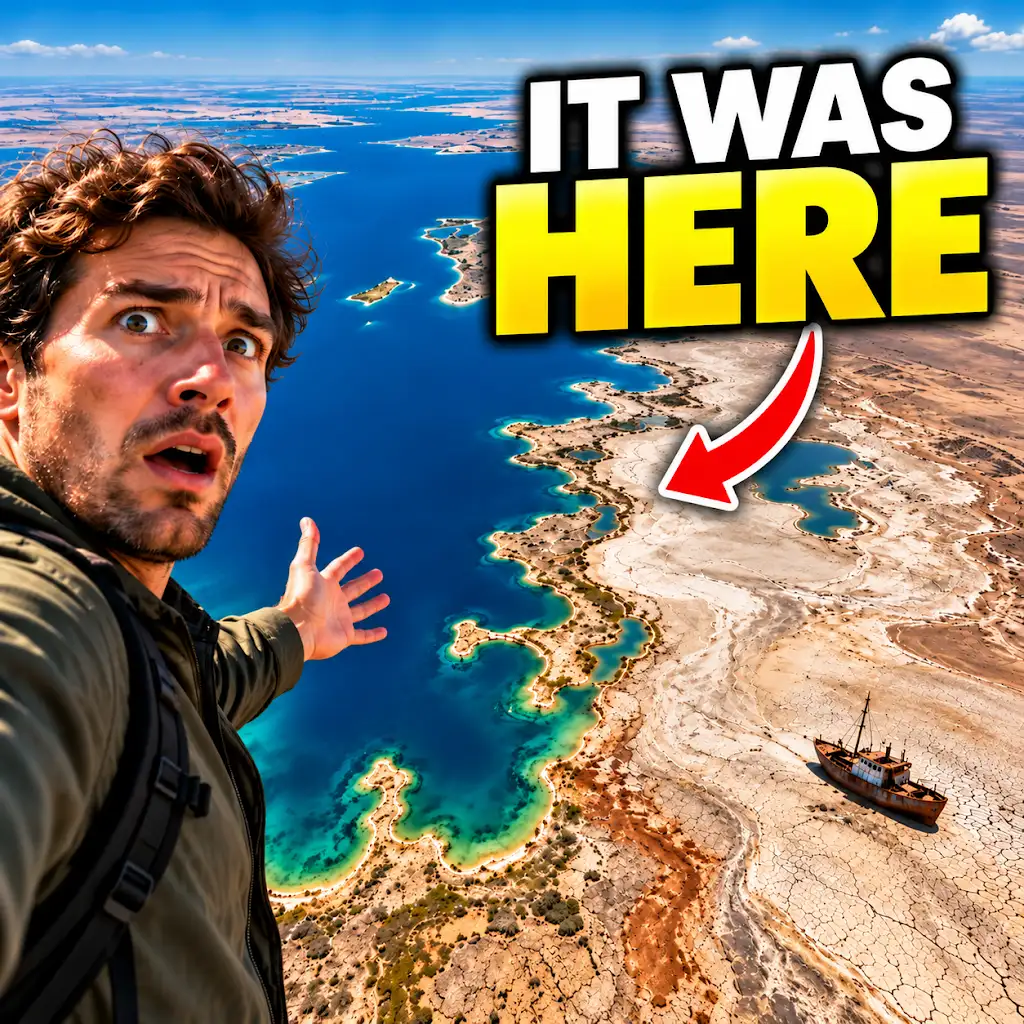
The Sea the Soviet Union Erased From the Map
FAQs
What is the Kok Aral Dam documentary about?
The Kok Aral Dam documentary is a film that explores the environmental and social impact of the construction of the Kok Aral Dam in Kazakhstan.
When was the Kok Aral Dam constructed?
The Kok Aral Dam was constructed in the 1970s as part of a large-scale irrigation project in the Aral Sea region of Kazakhstan.
What are some of the environmental consequences of the Kok Aral Dam?
The construction of the Kok Aral Dam led to the diversion of water from the Aral Sea, resulting in the shrinking of the sea and the devastation of the surrounding ecosystem. This has had severe consequences for the local environment and the communities that depend on the sea for their livelihoods.
Who is the target audience for the Kok Aral Dam documentary?
The documentary is aimed at anyone interested in environmental issues, water management, and the impact of large-scale infrastructure projects on local communities.
Where can I watch the Kok Aral Dam documentary?
The documentary may be available for streaming on various online platforms, or it may be screened at film festivals or special events. Check with the film’s production company or distributor for more information on where to watch it.