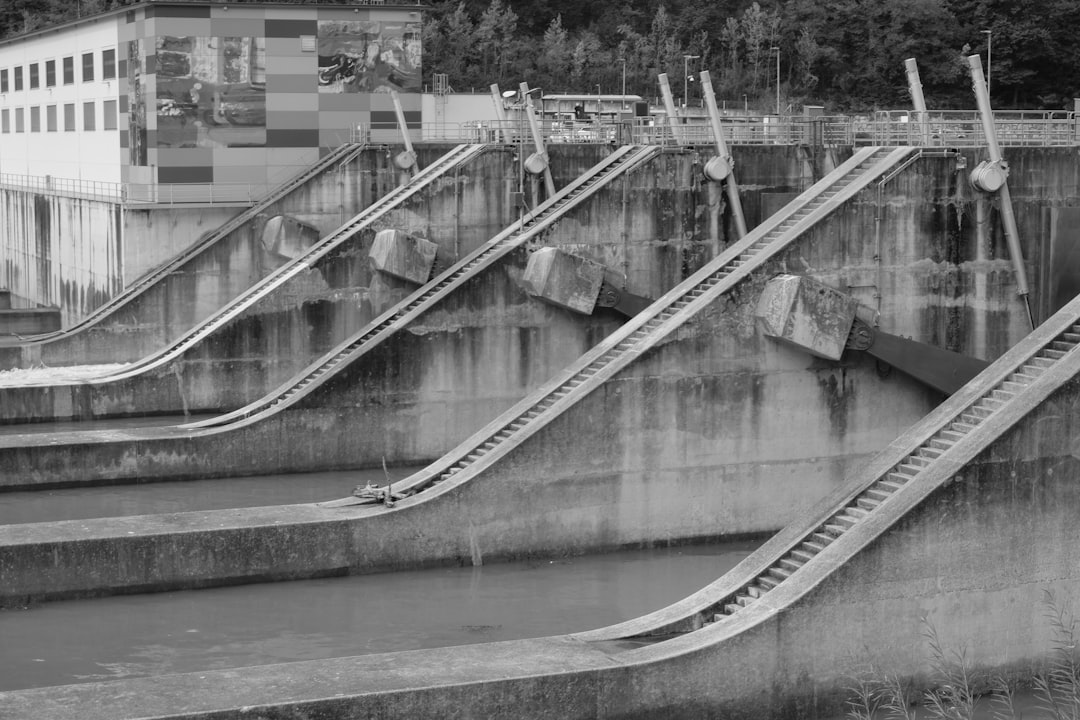
The intricate tapestry of human civilization is often woven with threads of ingenuity, and nowhere is this truer than in the realm of water management. For centuries, communities have strived to tame the volatile might of rivers, transforming destructive torrents into reliable conduits for sustenance and development. Among these triumphs of engineering, the forgotten structures of old river control systems stand as silent testaments to the foresight and skill of our predecessors. Uncovering these engineering secrets is not merely an academic exercise; it is a journey into the very bedrock of our relationship with the natural world, a deciphering of a language spoken through stone, earth, and water.
Before delving into the specific mechanisms of old river control, it is crucial to establish the context of their creation. The necessity for such endeavors was born from the very cradle of civilization. River valleys, with their fertile alluvial plains and readily available water, became the crucibles where early societies forged their destinies. However, this very fertility was often a double-edged sword, susceptible to the capricious floods that could devastate nascent settlements and obliterate years of hard-won progress. Understanding the historical drivers behind these projects reveals a deep-seated human imperative to create stability in an unpredictable environment.
The Dawn of Riverside Life: Early Settlements and Their Challenges
The earliest human settlements gravitated towards rivers for obvious reasons: fresh water for drinking and agriculture, and a means of transportation. Archaeological evidence from Mesopotamia, the Indus Valley, and ancient Egypt paints a vivid picture of communities burgeoning along these life-giving arteries. Yet, this proximity was fraught with peril. Seasonal monsoons, sudden snowmelt from distant mountains, and unpredictable rainfall patterns could transform a gentle flow into a ravenous beast, submerging fields, destroying homes, and disrupting the delicate balance of agrarian life. The desire to mitigate these recurrent disasters was the initial spark that ignited the engine of river control.
The Evolution of Water Management: From Simple Diversions to Sophisticated Networks
The earliest attempts at river control were likely rudimentary, consisting of simple earthworks or barriers designed to divert water for irrigation or to protect small areas from minor inundation. However, as societies grew more complex and their understanding of hydraulics deepened, so too did the sophistication of their engineering solutions. The challenges posed by larger rivers and more destructive floods demanded more ambitious and permanent structures. This gradual evolution, spanning millennia, saw the development of techniques that, while lacking the advanced materials of today, demonstrated a profound understanding of natural forces.
The Socio-Political Imperative: Control and Community
Beyond the immediate need for flood protection, river control projects often served broader socio-political functions. The construction and maintenance of these systems required significant organization, labor, and resources, fostering a sense of collective purpose and communal identity. In many cases, the ability to control a river was synonymous with the ability to control land and resources, thus becoming a vital component of rulership and the establishment of centralized authority. The river, once a source of potential chaos, could be harnessed as a symbol of order and prosperity, a testament to the power of the governing entity.
For those interested in the intricate engineering secrets behind old river control structures, a fascinating article can be found at My Geo Quest. This resource delves into the historical significance and technical challenges faced by engineers in the design and maintenance of these vital infrastructures, shedding light on how they have shaped our waterways and communities over the years.
Engineering the Unmanageable: Principles of Old River Control
The core principles that underpinned ancient river control systems, though executed with less sophisticated tools, were remarkably effective. These engineers understood the fundamental behavior of water and applied their knowledge with a remarkable blend of empirical observation and intuitive understanding. Their solutions were often a direct response to the specific hydrological characteristics of the river they were managing.
Understanding the River’s Nature: Flow Dynamics and Sediment Transport
A fundamental requirement for any successful river control project is a deep understanding of the river itself. Ancient engineers likely spent considerable time observing the river’s behavior: how it flowed during different seasons, where its erosive power was greatest, and how it carried sediment. This observational knowledge was the bedrock upon which their designs were built. They recognized that rivers were not static entities but dynamic systems, constantly reshaping their courses and carrying their own building materials in the form of silt and sand.
Hydraulic Principles in Practice: The Art of Channelization
One of the most common techniques employed was channelization, the process of constraining a river within a defined path. This was achieved through the construction of levees, embankments built along the riverbanks. These were not mere mounds of earth; they were carefully engineered structures, often reinforced with stone or other durable materials. The slope, height, and width of these levees were determined by the anticipated water levels and the erosive capacity of the river. The goal was to create a predictable channel, guiding the water flow and preventing it from spreading out and causing widespread flooding.
The Role of Infiltration and Permeability
The permeability of the soil and the surrounding terrain also played a crucial role in the design of ancient flood defenses. Engineers understood that certain types of soil could absorb water, reducing the runoff and the volume of water that needed to be managed. Similarly, areas with porous bedrock might allow water to seep underground, mitigating surface flooding. Designs often incorporated these natural drainage mechanisms, integrating them into broader flood control strategies.
Diverting the Deluge: Canals and Diversion Works
When direct containment was insufficient or when the goal was to utilize the river’s water rather than merely control its overflow, canals and diversion works were employed. These systems were designed to redirect portions of the river’s flow for irrigation, navigation, or to relieve pressure during flood events. The construction of these canals required meticulous planning, ensuring a gentle gradient to facilitate water movement without excessive erosion.
The Geometry of Flow: Canal Construction and Gradient
The design of canals was a sophisticated architectural undertaking. Engineers had to calculate the precise gradient required to move water efficiently from the river to its destination. Too steep a gradient would lead to unmanageable erosion, while too shallow a gradient would result in stagnant water, rendering the canal ineffective. The materials used for canal lining, such as compacted earth, stone, or even early forms of concrete, were chosen to withstand the erosive forces of flowing water and to minimize seepage.
Sluice Gates and Control Structures: Regulating the Flow
To manage the water flow within these canals and diversion systems, ancient engineers often employed rudimentary sluice gates and other control structures. These were mechanical devices, often made of wood or stone, that allowed for the controlled opening and closing of channels, regulating the amount of water entering or leaving a system. While simple in concept, their precise construction and placement were critical for effective water management.
Harnessing Water’s Power: Mills and Irrigation Systems
Beyond flood control, many old river control systems were integrated with technologies that harnessed the power of water. Watermills, for instance, were common, using the river’s flow to grind grain or power other machinery. Furthermore, sophisticated irrigation networks, often fed by canals and reservoirs, were developed to bring water to agricultural lands, transforming arid regions into fertile breadbaskets.
The integration of these functions highlights a holistic approach to water management, where the river was not just a force to be contained, but a resource to be utilized for the benefit of the community.
Structures of Resilience: Archeological Evidence and Discoveries

The tangible remnants of these ancient engineering feats are scattered across the globe, offering archaeologists and engineers invaluable insights into the past. These structures, often buried by silt or reclaimed by nature, represent a lost chapter in the history of human innovation. Uncovering them requires a detective’s diligence and an engineer’s keen eye.
The Silent Sentinels: Remnants of Ancient Embankments and Levees
Across continents, archaeologists unearth the ghosts of long-vanished defenses. The weathered stones of ancient levees, the subtle undulations in the landscape that mark the path of former embankments, and the subtle changes in soil stratigraphy all whisper stories of past engineering endeavors. These structures, built with immense labor, faced the relentless pressure of recurring floods for centuries, a testament to their robust design and construction.
Earthworks and Masonry: Techniques of Construction
The construction of these embankments varied depending on available materials and local expertise. In regions with abundant stone, solid masonry walls might have been employed, offering exceptional durability. Elsewhere, meticulously compacted earth, sometimes layered with straw or clay for added stability, formed the bulwark against the rising waters. The sheer scale of manpower and organizational prowess required to erect these structures speaks volumes about the social and economic structures of the societies that built them.
The Evolving Landscape: Erosion and Deposition
The very rivers that these structures were designed to control also play a role in their preservation and eventual disappearance. Centuries of erosion and sediment deposition can bury these ancient remains, making them difficult to detect. However, just as they can obscure, erosion can also reveal. Extreme weather events or subsequent human activity can uncover sections of these long-forgotten systems, presenting new clues to their design and function.
Submerged Histories: Underwater Archeological Discoveries
The dynamic nature of rivers means that many ancient control structures are now submerged, lying beneath the placid surface of lakes or the flowing currents of modified riverbeds. Underwater archaeology is increasingly revealing these hidden marvels, offering a unique window into their construction and the challenges of working in such environments.
The Challenges of Aquatic Excavation: Tools and Techniques
Exploring submerged archeological sites presents a distinct set of challenges. Divers and specialized equipment are required to survey, excavate, and document these fragile remains. The currents, limited visibility, and the constant presence of water demand innovative techniques and meticulous preservation efforts to ensure that these valuable artifacts are not further degraded.
Insights into Material Use and Construction Methods
Underwater discoveries can provide unparalleled insights into the materials and construction methods employed by ancient engineers. For instance, the condition of submerged timber structures can reveal techniques of joinery, while the presence of intact stonework can illuminate quarrying and shaping methods. The ability to examine these structures in situ, before they are exposed to the elements, offers a richer understanding of their original form and function.
Integrated Systems: The Interplay of Dams, Aqueducts, and Floodways
Often, the river control systems of the past were not isolated projects but part of a complex, interconnected network. Dams, aqueducts, and designated floodways worked in concert to manage water resources and mitigate flood risks. Uncovering these integrated systems reveals a sophisticated understanding of hydrological interconnectedness.
The Role of Early Dams: Storage and Diversion
While not always as massive as modern concrete structures, early dams played a crucial role in regulating river flow. Constructed from earth, stone, or timber, these dams could create reservoirs for water storage, essential for irrigation during dry seasons, or act as diversion points for canals. Their strategic placement often took advantage of natural topography to maximize their effectiveness.
Aqueducts and Water Conveyance: Bridging Landscapes
The engineering of aqueducts, networks of channels designed to carry water over long distances, is another remarkable aspect of ancient river control. These structures, often employing gravity to guide the water, demonstrate an impressive understanding of hydraulics and structural engineering. They allowed communities to tap into distant water sources, bypassing geographical obstacles and transforming hitherto unproductive land into arable fields.
Floodways and Spillways: Controlled Release Mechanisms
To prevent catastrophic overtopping of levees or the failure of dams, ancient engineers often incorporated designated floodways or spillways. These were channels designed to safely divert excess water away from populated areas or critical infrastructure during extreme flood events. Their deliberate design ensured that this excess water would be channeled to less vulnerable regions or to natural depressions where it could be absorbed or evaporated.
Lessons from the Past: Modern Applications and Future Potential

The study of old river control systems is not merely an exercise in historical curiosity. The principles and techniques employed by our ancestors hold profound relevance for contemporary water management challenges, from climate change adaptation to sustainable development.
Adapting to a Changing Climate: Lessons in Resilience
As the world grapples with the intensifying impacts of climate change, including more extreme weather events and unpredictable rainfall patterns, the ancient engineering solutions offer valuable lessons in resilience. The durable, often low-tech nature of these systems, coupled with their capacity to adapt to natural processes, provides a compelling alternative to some of the more rigid, infrastructure-heavy approaches of the past.
Embracing Natural Processes: Bioengineering and Green Infrastructure
Many ancient river control systems worked in harmony with natural processes, utilizing the landscape’s inherent ability to manage water. This resonates strongly with modern concepts of bioengineering and green infrastructure, which seek to leverage natural systems, such as wetlands and vegetated buffer zones, to mitigate flood risk, improve water quality, and enhance biodiversity.
The Longevity of Simple Design: Durability and Sustainability
The enduring presence of many ancient river control structures, even after centuries of neglect and environmental change, highlights the inherent durability and sustainability of well-conceived, relatively simple designs. These systems often relied on locally sourced materials and labor, minimizing their environmental footprint and fostering local resilience.
Reimagining Water Management: Inspiration for Modern Infrastructure
The ingenuity displayed in ancient river control systems can inspire new approaches to modern water management. By understanding the underlying principles of these historical projects, engineers can develop more effective, sustainable, and contextually appropriate solutions for the challenges of the 21st century.
The Principle of Redundancy and Decentralization
Many ancient systems incorporated a degree of redundancy, with multiple lines of defense or interconnected water management elements. This decentralized approach could be more resilient to single points of failure compared to some monolithic modern projects. Learning from this can lead to more robust and adaptable urban water management systems.
The Art of Integration: Water as a Multifunctional Resource
Ancient engineers often integrated flood control with irrigation, navigation, and power generation. This holistic perspective, seeing water not just as a problem to be managed but as a multifaceted resource, is crucial for sustainable development. Modern approaches can benefit from this integrated thinking, moving beyond single-purpose infrastructure.
Preserving Our Hydro-Heritage: The Importance of Documentation and Education
The ongoing discovery and study of old river control systems are vital for preserving our collective hydro-heritage. By documenting these structures and educating future generations about their significance, we ensure that these invaluable lessons are not lost.
In exploring the fascinating world of old river control structures, one can uncover numerous engineering secrets that have shaped our waterways. For those interested in delving deeper into this topic, a related article provides valuable insights into the historical techniques and innovations used in river management. You can read more about these intriguing engineering practices in this detailed article, which highlights the importance of understanding our past to improve future infrastructure.
Tools of the Trade: Rethinking Ancient Engineering Methods
| Metric | Value | Description |
|---|---|---|
| Construction Year | 1963 | Year when the Old River Control Structure was completed |
| Location | Louisiana, USA | Geographical location of the structure |
| Purpose | Flood Control & River Diversion | Primary engineering goals of the structure |
| Maximum Flow Capacity | 250,000 cubic feet per second | Maximum volume of water the structure can safely divert |
| Structural Components | Control Gates, Spillways, Sluiceways | Key engineering elements used to regulate river flow |
| Engineering Challenge | Prevent Mississippi River Avulsion | Critical issue addressed by the design to avoid river course change |
| Materials Used | Reinforced Concrete, Steel | Primary construction materials for durability and strength |
| Maintenance Frequency | Annual Inspections & Repairs | Regular upkeep schedule to ensure operational integrity |
| Secret Engineering Insight | Adaptive Gate Operation | Use of dynamic gate adjustments to respond to river conditions |
| Impact on Flood Control | Significant Reduction in Flood Risk | Effectiveness in protecting downstream communities |
Examining the tools and techniques used by ancient engineers allows us to appreciate the constraints and innovations of their era. While lacking the precision instruments of today, they possessed a remarkable ability to translate observations into tangible solutions.
The Ingenuity of Simple Tools: Measurement and Excavation
The primary tools of ancient hydraulic engineers were often simple yet effective. Shovels, picks, levers, and rudimentary surveying equipment allowed for the excavation of canals, the shaping of earthworks, and the measurement of gradients. The sheer physical labor involved in such projects is often staggering to contemplate.
Levels and Plumb Bobs: Achieving Geometric Accuracy
Achieving the necessary accuracy for channel gradients and structural stability relied on simple but ingenious tools. Levels, often made from water-filled channels or using weighted strings, and plumb bobs allowed for the establishment of horizontal and vertical reference points, crucial for ensuring that water flowed correctly and that structures remained sound.
The Power of Observation: Empirical Data and Experience
Perhaps the most important “tool” was the keen observation of the natural world. Generations of experience allowed ancient engineers to develop an intuitive understanding of soil mechanics, erosion patterns, and water behavior. This empirical data, passed down through generations, formed the bedrock of their design principles.
Material Science of the Ancients: Stone, Earth, and Early Binders
The choice of materials was dictated by local availability and the specific demands of the project. Stone provided durability and structural integrity, while compacted earth offered flexibility and cost-effectiveness. In some cases, early forms of binders, such as mud mortar or even rudimentary forms of concrete, were employed to enhance the strength and water resistance of structures.
The Art of Quarrying and Transporting Stone
The construction of monumental stone structures, such as robust levees or dam facings, required sophisticated quarrying techniques. Understanding the geological formations and the best methods for extracting, shaping, and transporting these heavy materials was a significant engineering feat in itself.
Compaction and Stabilization: Soil Engineering in Antiquity
The ability to effectively compact and stabilize earthworks was fundamental to the success of many ancient river control systems. Techniques involving tamping, layering, and sometimes the addition of stabilizing agents like straw or clay were employed to create structures that could withstand the immense pressure of water and the forces of erosion.
The Legacy of Human Ingenuity: A Continuous Learning Curve
The study of ancient river control systems provides a tangible link to the past and a source of inspiration for the future. These forgotten engineering marvels remind us that innovation is not confined to the present day and that the challenges of living in harmony with water have been a constant human endeavor for millennia. By uncovering these secrets, we not only gain a deeper appreciation for our ancestors’ ingenuity but also equip ourselves with invaluable knowledge for navigating the complex hydrological landscapes of tomorrow. The river, in its enduring power and ceaseless flow, continues to teach us, and the silent stones of old control systems are some of its most eloquent instructors.

WATCH NOW ▶️ SHOCKING: Mississippi: The $12 Trillion Lie Revealed
FAQs
What is the Old River Control Structure?
The Old River Control Structure is a complex of floodgates and control mechanisms located in Louisiana, designed to regulate the flow of water between the Mississippi River and the Atchafalaya River. Its primary purpose is to prevent the Mississippi River from changing its course.
Why was the Old River Control Structure built?
It was constructed to prevent the Mississippi River from diverting its main flow into the Atchafalaya River, which could have significant economic and environmental impacts, including threatening the port of New Orleans and altering navigation routes.
What engineering techniques were used in the Old River Control Structure?
The structure employs a combination of gated spillways, control gates, and auxiliary structures designed to manage water flow and sediment transport. It incorporates reinforced concrete, steel gates, and sophisticated hydraulic engineering to withstand high water pressures and flooding events.
How does the Old River Control Structure manage floodwaters?
The structure regulates the amount of water diverted from the Mississippi River into the Atchafalaya River by adjusting the gates. During high water events, it controls flow rates to prevent flooding downstream and maintain the stability of the river’s course.
What challenges have engineers faced in maintaining the Old River Control Structure?
Engineers have dealt with issues such as structural wear from constant water pressure, sediment buildup, and the risk of catastrophic failure during major floods. Continuous monitoring, maintenance, and upgrades are necessary to ensure the structure’s integrity and effectiveness.