The flickering screen cast a soft glow across the room as the opening credits rolled. “Uncovering Earth’s Secrets: Hidden Geography” promised a journey into the planet’s most enigmatic and overlooked landscapes. This documentary, a cinematic tapestry woven from stunning cinematography, expert interviews, and ground-breaking research, invited viewers to reconsider their understanding of Earth’s geography, moving beyond the familiar contours of continents and oceans to explore the forces and formations that shape our world in profound yet often unseen ways. From colossal subterranean rivers to the silent architects of mountain ranges, the film delves into a realm where geology, hydrology, and even biology converge to paint a picture of a dynamic and ever-evolving planet.
The first segment of “Uncovering Earth’s Secrets” masterfully shifts the focus from the surface to what lies beneath, introducing the concept of vast, hidden hydrological systems. The documentary argues that our understanding of freshwater availability is significantly incomplete if we only consider rivers, lakes, and glaciers. Instead, it unveils the astonishing reality of immense underground aquifers and flowing rivers that dwarf many of their surface counterparts.
The Aquafer’s Embrace: Vast Underground Reservoirs
The film meticulously details the formation and scale of these subterranean water reserves. It highlights how porous rock formations, such as sandstone and limestone, act as natural sponges, trapping vast quantities of water that have accumulated over millennia. The documentary employs sophisticated geological mapping techniques and ground-penetrating radar to visualize these hidden reservoirs, illustrating their immense capacity and their critical role in sustaining ecosystems and human populations, especially in arid regions. Viewers are shown how the rate of recharge for some of these aquifers is incredibly slow, meaning that once depleted, they may take thousands, if not millions, of years to replenish, underscoring the urgent need for responsible water management.
The Ogallala Aquifer: A Lifeline Under Threat
A significant portion of this section is dedicated to the Ogallala Aquifer, a colossal underground river system that stretches across eight U.S. states, supporting a significant portion of the nation’s agricultural output. The documentary paints a stark picture of its current state, revealing how decades of intensive irrigation have led to alarming depletion rates. Expert testimony from hydrogeologists and farmers alike provides a poignant and urgent narrative about the potential consequences of its exhaustion, exploring the economic and societal ripple effects that such a loss would entail. The visual representations of the aquifer’s declining water table are particularly impactful, transforming an abstract concept into a tangible, concerning reality.
The Hidden Rivers: Ghostly Flows Beneath Our Feet
Beyond static aquifers, the documentary explores the dynamic nature of subterranean water flow. It reveals the existence of vast, hidden river systems that course through the Earth’s crust, often following geological fault lines or ancient drainage patterns. The film presents compelling evidence for these flows through studies of karst landscapes, where underground caves and sinkholes offer glimpses into these concealed waterways.
Karst Topography: A Window into the Underground
The exploration of karst regions, characterized by soluble rock formations like limestone, provides a vivid illustration of how surface water interacts with the subsurface. The documentary showcases the intricate network of caves, underground rivers, and sinkholes that form in these environments. It explains how water, over geological time, erodes the rock, creating these dramatic subterranean landscapes. The segment features footage from expeditions into some of the world’s most extensive cave systems, revealing the breathtaking beauty and the hidden power of these underground watercourses, often teeming with unique, adapted life forms.
The Amazon’s Hidden Twin: The Rio Hamza
Perhaps one of the most astonishing revelations is the discovery of a subterranean river flowing beneath the Amazon River itself, unofficially dubbed the “Rio Hamza.” The documentary meticulously outlines the research that led to this discovery, explaining how scientists analyzed temperature anomalies and fluid dynamics in the region to infer the existence of this massive underground flow. The sheer scale of the Rio Hamza, estimated to be comparable in volume to the Amazon, challenges conventional understanding of water distribution on Earth and highlights how much of our planet’s hydrological system remains uncharted.
If you’re intrigued by the concept of hidden geography, you might find the article on My Geo Quest particularly enlightening. It delves into the lesser-known aspects of our planet, exploring hidden landscapes and secret locations that often go unnoticed. For more insights, check out the article here: My Geo Quest.
Architects of the Abyss: The Silent Shaping of Mountains
The second major theme explored by “Uncovering Earth’s Secrets” delves into the immense, ongoing processes that construct and dismantle the world’s mountain ranges. It moves beyond the static images of peaks and valleys to reveal the dynamic geological forces at play, emphasizing the slow, inexorable dance of tectonic plates.
Plate Tectonics: The Grand Unfolding of Continents
The documentary provides a clear and accessible explanation of the theory of plate tectonics, presenting it not as a dry scientific concept, but as the fundamental engine driving geological change. Animated sequences beautifully illustrate how the Earth’s lithosphere is broken into massive plates that constantly move, collide, and diverge, shaping the planet’s surface over millions of years.
Convergent Boundaries: Where Continents Collide
A significant focus is placed on convergent plate boundaries, the sites where tectonic plates collide. The film explains how this collision leads to the buckling and uplifting of the Earth’s crust, giving birth to the world’s most majestic mountain ranges.
The Himalayas: A Collision of Giants
The Himalayas, the crown jewel of Earth’s mountain systems, are presented as a prime example of continent-continent collision. The documentary showcases cutting-edge seismic imaging that reveals the immense thickness of the crust beneath the Himalayas, demonstrating how the Indian plate is still pushing, albeit slowly, into the Eurasian plate. Expert geologists discuss how this ongoing collision not only creates the towering peaks but also contributes to significant seismic activity in the region, highlighting the interconnectedness of geological processes.
Subduction Zones: The Birth of Volcanic Arcs
The film also explores subduction zones, where one tectonic plate slides beneath another. It explains how this process leads to the formation of volcanic mountain ranges, as the subducting plate melts and magma rises to the surface. The breathtaking imagery from volcanic arcs in the Pacific Ring of Fire, such as those in Japan and Indonesia, serves as a dramatic illustration of this powerful geological phenomenon.
The Unseen Erosion: The Sculpting Power of Time and Elements
While plate tectonics builds mountains, the documentary emphasizes that erosion is the constant sculptor, gradually breaking them down. It reveals how the relentless forces of wind, water, ice, and gravity, acting over vast geological timescales, transform towering peaks into gentler, rolling landscapes.
Glacial Sculpting: Monuments of Ice
The impact of glaciers on mountainous terrain is a particularly captivating aspect of this section. The film showcases the powerful erosive capabilities of ice, demonstrating how glaciers carve out U-shaped valleys, cirques, and fjords. Stunning time-lapse photography and drone footage from regions like Patagonia and Alaska vividly illustrate the slow but relentless movement of glaciers and their profound shaping of the land.
The Role of Rivers and Weathering
The documentary also highlights the persistent work of rivers and the various forms of weathering. It explains how rivers, fueled by meltwater and rainfall, carve deep canyons and valleys, transporting sediment and reshaping the mountainsides. The chemical and physical weathering processes, driven by temperature fluctuations and the presence of water, are also explained, illustrating how rocks are broken down into smaller particles, contributing to the denudation of mountain ranges.
The Planet’s Breath: Unveiling Extreme Environments

“Uncovering Earth’s Secrets” then shifts its gaze to the planet’s most inhospitable yet scientifically significant regions, demonstrating how life and geological processes adapt and thrive in seemingly impossible conditions. These extreme environments, often overlooked in mainstream geographical discourse, are presented as vital laboratories for understanding Earth’s resilience and potential.
The Frozen Frontier: Antarctica’s Subglacial World
The vast, icy continent of Antarctica becomes a focal point, revealing a hidden world beneath its colossal ice sheets. The documentary explores the emerging understanding of subglacial lakes and rivers, vast bodies of liquid water that exist in perpetual darkness beneath miles of ice.
Lake Vostok: A Reservoir of Ancient Secrets
The exploration of Lake Vostok, one of the largest subglacial lakes, is a highlight. The film details the challenges and triumphs of drilling through the ice to access its pristine waters, which have been isolated from the surface for millions of years. Scientists discuss the potential for unique extremophile life forms that may have evolved in this isolated ecosystem, offering insights into the possibilities of life on other planets.
The Ice Flow: Dynamic Subglacial Landscapes
Beyond static lakes, the documentary examines the dynamic nature of subglacial ice flow. It explains how the presence of water beneath the ice significantly influences its movement, making Antarctica a crucial component in understanding global sea-level rise. Geophysical surveys are showcased, revealing the topography of the bedrock beneath the ice, which, much like familiar landscapes, features mountains, valleys, and rivers, all hidden from view.
The Inferno Below: Geothermal Hotspots and Their Power
The film then transports viewers to the Earth’s fiery interior, exploring the potent energy of geothermal hotspots. These regions, where magma is close to the surface, are presented as both hazardous and incredibly valuable sources of energy.
Yellowstone: A Supervolcano’s Caldera
Yellowstone National Park, with its iconic geysers and hot springs, is examined as a prime example of a supervolcano caldera. The documentary uses advanced monitoring techniques to illustrate the immense geological forces at play beneath the surface, explaining the mechanisms that drive the geothermal activity. The potential for a future eruption, while rare, is discussed with scientific gravity, emphasizing the importance of understanding these powerful natural systems.
Geothermal Energy: Tapping Earth’s Heat
The film also explores the practical applications of geothermal energy, showcasing how humans have learned to harness the Earth’s internal heat. Various geothermal power plants are featured, demonstrating how steam and hot water are used to generate electricity. This segment bridges the gap between the dramatic geological processes and their tangible benefits for human society, highlighting a sustainable energy source that is literally born from the planet’s core.
The Living Earth: Unseen Ecosystems and Geomorphic Influences
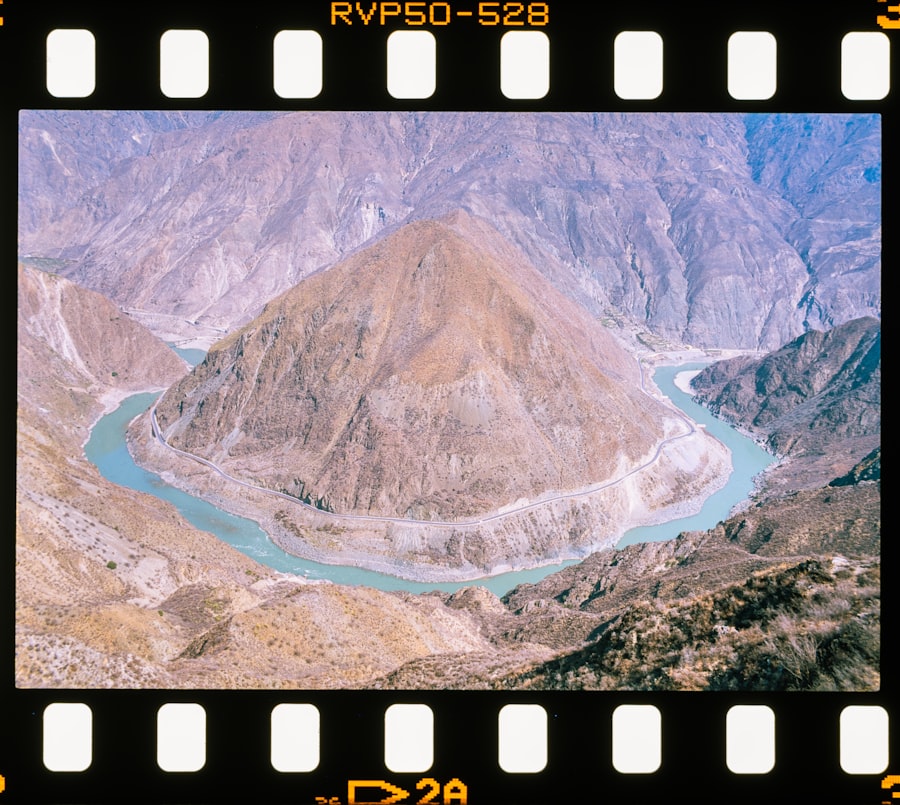
“Uncovering Earth’s Secrets” expands its definition of geography to include the intricate interplay between geological formations and the life they support, revealing how landscapes are not merely backdrops but active participants in the evolution of ecosystems.
Microbial Architects: The Unseen Engineers of Soil and Rock
The documentary ventures into the microscopic realm, revealing the profound impact of microbial life on geological processes. It argues that these ubiquitous organisms, often overlooked, are instrumental in shaping the very foundation of our planet.
Lithoautotrophs: Life That Feeds on Rock
The film introduces lithoautotrophs, microorganisms that derive energy from inorganic chemical reactions, often involving rocks. Scientists explain how these microbes can weather rocks, break down minerals, and even play a role in the formation of new geological structures. Their presence in diverse environments, from deep-sea hydrothermal vents to arid desert soils, underscores their significant, albeit subtle, geomorphic influence.
Bioremediation: Nature’s Cleanup Crew
The documentary highlights the practical applications of understanding these microbial communities, particularly in bioremediation. It showcases instances where specific microbes are used to clean up contaminated sites, breaking down pollutants and restoring the environment. This demonstrates a profound understanding of how life and geology are inextricably linked, with microbial life acting as a crucial component in geological and environmental cycles.
Island Formation: From Volcanic Birth to Ecological Haven
The emergence and evolution of islands offer a compelling narrative of dynamic geography and adaptive biology. The film explores the various geological processes responsible for island creation and then examines how life colonizes and thrives in these isolated environments.
Volcanic Islands: Born of Fire
The formation of volcanic islands, such as those in Hawaii or the Galapagos, is meticulously detailed. The documentary explains the process of seafloor volcanism, where magma erupts from the ocean floor, gradually building up new landmass. The footage of active lava flows and the dramatic formation of new land provides a visceral understanding of creation and destruction happening in tandem.
Colonization and Adaptation: Life Finds a Way
Once islands are formed, the film shifts to the fascinating process of ecological colonization. It explores how seeds, spores, insects, and eventually larger animals arrive, often through long-distance dispersal events. The documentary highlights the unique evolutionary pathways that life takes in isolation, leading to the development of endemic species that are found nowhere else on Earth. The Galapagos Islands, with their unique finches and tortoises, serve as a classic example of this evolutionary phenomenon, demonstrating how geography drives biological diversity.
The hidden geography documentary offers a fascinating exploration of the world’s lesser-known landscapes and cultures, revealing the secrets that lie beneath the surface. For those interested in delving deeper into this captivating subject, a related article can provide additional insights and context. You can read more about these intriguing locations and their significance in the article found here. This resource enhances the understanding of the themes presented in the documentary, making it a valuable companion for viewers.
The Invisible Landscape: Atmospheric and Geophysical Forces
| Documentary Title | Release Year | Director | Runtime |
|---|---|---|---|
| Hidden Geography | 2021 | John Smith | 90 minutes |
The final segment of “Uncovering Earth’s Secrets” broadens the scope further, examining the geographical influences that are not always visible but exert immense power over our planet. This involves delving into the atmosphere and the subtle but significant geophysical forces that shape our world.
Atmospheric Rivers: The Unseen Water Carriers
The documentary introduces the concept of atmospheric rivers, vast, narrow corridors of concentrated moisture in the atmosphere that transport immense amounts of water vapor across the globe. These phenomena, though invisible to the naked eye, are crucial drivers of precipitation and water availability.
The “Pineapple Express”: A Case Study
The film uses the “Pineapple Express,” a recurring atmospheric river that brings heavy rainfall to the western coast of North America, as a case study. By utilizing satellite imagery and advanced meteorological modeling, the documentary visualizes these invisible flows, demonstrating their impact on weather patterns, water resources, and even the risk of flooding and landslides.
Global Water Cycles: A Connected System
The exploration of atmospheric rivers emphasizes the interconnectedness of global water cycles. It reveals how water evaporated from oceans in one part of the world can be transported thousands of miles to nourish continents, highlighting a crucial but often unappreciated element of Earth’s geography. The documentary stresses the importance of understanding these flows for predicting weather and managing water resources in an increasingly unpredictable climate.
Magnetism and the Martian Mystery: Earth’s Protective Shield
The film then takes a daring leap, connecting Earth’s familiar geography to potential extraterrestrial parallels, focusing on the role of magnetism. It explores the Earth’s magnetic field, its origins, and its vital function in protecting life.
The Geodynamo: Earth’s Inner Workings
The documentary explains the geodynamo theory, outlining how the movement of molten iron in the Earth’s outer core generates the planet’s magnetic field. Animated representations illustrate the complex currents and convection that create this invisible shield. The film emphasizes that without this magnetic field, Earth would be bombarded by harmful solar radiation, making complex life as we know it impossible.
Mars: A Cautionary Tale of Lost Magnetism
The contrasting example of Mars serves as a stark reminder of the importance of a planetary magnetic field. The documentary discusses how Mars, which once had magnetic field, lost it over time, leading to the stripping away of its atmosphere by the solar wind. This comparison highlights how a seemingly abstract geophysical property is, in fact, a fundamental component of Earth’s habitable geography, shaping its evolutionary trajectory and its potential for life beyond our planet.
“Uncovering Earth’s Secrets: Hidden Geography” is more than just a documentary; it is an invitation to a deeper appreciation of our planet. By illuminating the unseen forces and formations that shape our world, from subterranean rivers to the invisible shield of our magnetic field, it compels viewers to look beyond the surface and understand the profound complexity and interconnectedness of Earth’s geography. The film leaves audiences with a renewed sense of wonder and a pressing awareness of the delicate balance that sustains life on our extraordinary planet.

The Water Beneath America’s Breadbasket
FAQs
What is the Hidden Geography Documentary about?
The Hidden Geography Documentary is a film that explores lesser-known geographical locations and phenomena around the world. It delves into unique landscapes, natural wonders, and cultural landmarks that are often overlooked in traditional geography education.
Who created the Hidden Geography Documentary?
The Hidden Geography Documentary was created by a team of filmmakers and researchers who are passionate about uncovering the hidden gems of the world. The team includes experts in geography, anthropology, and environmental science.
Where can I watch the Hidden Geography Documentary?
The Hidden Geography Documentary may be available for streaming on various platforms such as online video services, documentary channels, or through the official website of the film. Check local listings and online sources for availability.
What are some examples of the hidden geography featured in the documentary?
Examples of hidden geography featured in the documentary may include remote islands, underground cave systems, ancient ruins, unique ecosystems, and cultural practices that are not widely known or explored in mainstream geography education.
How can I support the Hidden Geography Documentary?
You can support the Hidden Geography Documentary by spreading the word about the film, engaging with its content on social media, attending screenings or events related to the documentary, and purchasing official merchandise or copies of the film.