
Uncovering Antarctica’s Ancient Technology Myths
The frozen continent of Antarctica, a land of stark beauty and formidable extremes, has long been a fertile ground for speculation and myth. Beyond the realm of icy wilderness and scientific expeditions, it harbors a persistent undercurrent of whispers about its ancient past. These whispers often coalesce into narratives of advanced civilizations, lost technologies, and hidden histories, painting a picture far removed from the geological and archaeological understanding of the continent. This article aims to sift through these popular narratives, examining the origins, evolution, and scientific counterpoints to the enduring myths surrounding Antarctica’s supposed ancient technology.
The seeds of Antarctica’s mythic past are not solely a product of the modern age. Tracing their lineage back requires a journey through ancient texts and esoteric traditions, where hints of a hidden antiquity can be found, albeit interpreted through the lens of their time. These early allusions, once unearthed and recontextualized, provided fertile ground for later generations with different motivations and understandings.
Edgar Cayce and the Atlantean Connection
Perhaps the most influential figure in popularizing the idea of Antarctica as a center of advanced ancient civilization is Edgar Cayce, an American mystic. Cayce, known for his “readings” delivered in a trance state, frequently spoke of Atlantis. He described a technologically advanced society that predated known human history. Crucially, Cayce’s readings placed the peak of Atlantean civilization and the subsequent cataclysm that led to its downfall in a period long before recorded history, and, alarmingly for many, suggested that the continent of Atlantis was ultimately destroyed and that survivors migrated to various parts of the world, including what would eventually become Antarctica.
Atlantean Technology as Described by Cayce
Cayce’s descriptions of Atlantean technology are often vague but evocative. He spoke of crystal-based power sources, flying machines, and advanced healing techniques. These concepts, while lacking concrete detail, resonated with a populace fascinated by the unknown and the potential for lost knowledge. The notion of an advanced society capable of harnessing energies beyond our current comprehension provided a powerful counterpoint to the perceived limitations of modern science and technology.
The “Ice Age Atlantis” Theory
This Atlantean connection to Antarctica forms the bedrock of many modern myths. The theory suggests that Antarctica was once a temperate continent, perhaps even housing the very heart of Atlantean civilization, before being plunged into its current icy state by a cataclysmic event, such as a rapid axial tilt or massive geological upheaval. This temporal displacement of a once-habitable continent allows for the possibility of ancient structures and artifacts to have been preserved, albeit buried beneath miles of ice.
Rediscovering Ancient Maps: The Piri Reis Map and its Interpretations
Another recurrent piece of evidence cited by proponents of ancient Antarctic technologies is the Piri Reis map. This 16th-century Ottoman map, compiled by Admiral Piri Reis, is renowned for its surprisingly accurate depiction of coastlines, including portions of South America and what appears to be the coast of Antarctica. The controversy arises from the claim that the map depicts Antarctica before it was covered by ice, suggesting knowledge of the continent that predates its official discovery by centuries.
The “Frozen Continent” Revelation
The Piri Reis map, when viewed through the lens of ancient technology myths, becomes a key artifact. Its purported depiction of an ice-free Antarctica is interpreted as incontestable proof of a pre-ice age civilization that had the cartographic skills and global reach to map the world with remarkable precision. The debate centers on the origin of this knowledge: was it derived from earlier, lost sources, or is the interpretation of the map itself flawed?
Cartographic Anomalies and Scientific Explanations
Geographers and cartographers have offered more conventional explanations for the Piri Reis map’s features. They point to the map’s inherent inaccuracies and the likelihood that it was compiled from a variety of existing, and potentially inaccurate, sources. The depiction of Antarctica, they argue, can be explained as a generalized landmass or as an extrapolation based on other known landforms, rather than direct observation of an ice-free continent. The scientific consensus is that the map, while historically significant, does not offer compelling evidence of pre-ice age Antarctic exploration or advanced cartographic knowledge of an ice-free continent.
The myths surrounding ancient technology in Antarctica have captivated the imaginations of many, leading to various theories about advanced civilizations that may have once thrived in this icy expanse. For those interested in exploring these intriguing ideas further, a related article can be found at My Geo Quest, which delves into the mysteries of ancient technologies and their potential connections to the enigmatic landscapes of Antarctica.
The “Pyramid Power” in the Antarctic Ice: Unpacking Claims of Subglacial Structures
The idea of Antarctica hiding monumental structures beneath its icy cloak is a recurring theme. These are not merely natural formations but are often posited as deliberate constructions, remnants of sophisticated ancient architectures. The allure of hidden pyramids and immense cities buried by time and ice fuels a potent narrative of lost civilizations.
Imagining Lost Cities and Monuments
When contemplating Antarctica’s ancient past in fictional narratives, the imagery often conjures images of towering pyramids, vast temples, and sprawling urban centers, all entombed by millennia of snowfall. These imagined structures are presented as testaments to the ingenuity and power of their creators, a stark contrast to the desolate, frozen landscape that greets modern explorers. The notion that such advanced civilizations could exist and then vanish without a trace adds to the mystique.
The Geological Implausibility of Exposed Ancient Cities
From a geological perspective, the idea of entire cities or monumental structures remaining intact and undiscovered beneath miles of ice presents significant challenges. The immense pressure exerted by glaciers, combined with the constant movement and erosive power of ice, would likely have reduced any pre-ice age structures to rubble over vast timescales. The sheer weight of the ice sheet alone would cause significant deformation and destruction of any artificial structures that were not incredibly engineered to withstand such forces.
Aerial Photographs and Anomalous Formations
Proponents of these myths often point to aerial photographs of Antarctica as evidence. Certain geological formations, when viewed from above and subjected to imaginative interpretation, can appear to resemble man-made structures. The discovery of unusual, geometric shapes in satellite imagery has been a powerful propellant for these theories.
The “Natural Geometry” Phenomenon
Many of these “anomalous formations” are readily explained by natural geological processes. Erosion, glacial action, volcanic activity, and the very nature of rock formations can create striking geometric patterns and features that, to the untrained eye, might appear artificial. For example, certain mountain ranges might have naturally occurring sharp angles or symmetrical appearances.
Ice Caves and Subglacial Lakes: Misinterpretations of Natural Wonders
The discovery of extensive ice cave systems and subglacial lakes beneath the Antarctic ice sheet has also been woven into the myth. While these are indeed remarkable natural phenomena, they are sometimes misconstrued as evidence of ancient habitation or technological infrastructure. The scale and complexity of these natural formations, however, are a testament to geological processes, not to the work of ancient builders.
Advanced Energy Sources: Crystal Power and the Subterranean Secrets of Antarctica
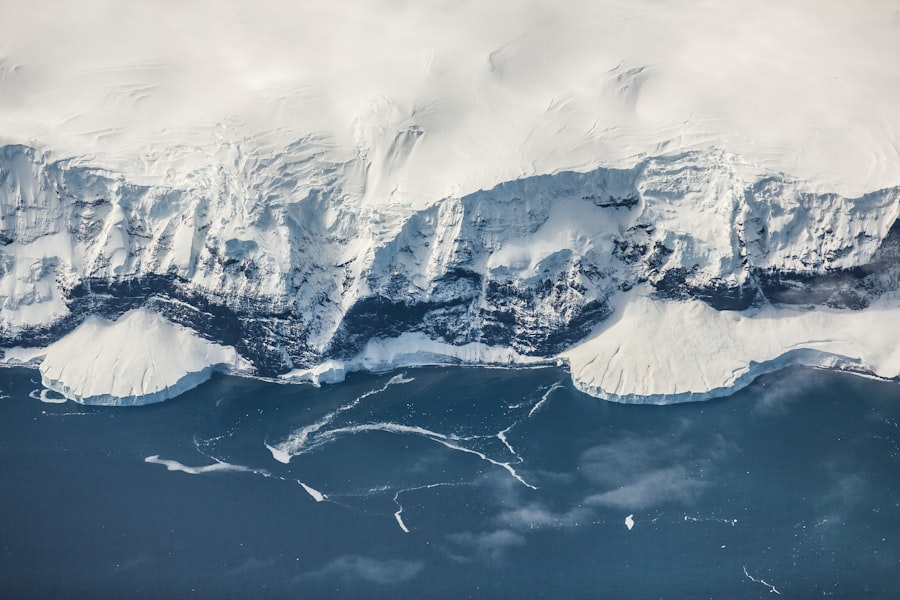
The notion of advanced energy sources, particularly those involving crystals, is a cornerstone of many ancient technology myths associated with Antarctica. This concept often arises from interpretations of mystic writings and a fascination with harnessing unknown forms of power.
The Alleged Crystal Power of Atlantis
The idea that Atlanteans, and by extension, ancient Antarctic civilizations, harnessed energy through crystals is a recurring motif. These crystals are often depicted as possessing immense power, capable of illuminating cities, powering vehicles, and even influencing the weather. The “crystal power” narrative taps into a desire for alternative energy solutions and a belief in unimagined powers hidden within natural elements.
The Scientific Understanding of Crystal Properties
While crystals do possess unique electromagnetic properties and are utilized in modern technology (e.g., in watches, lasers, and communication devices), the scientific understanding of these properties does not support the idea of crystals as sources of unlimited, world-powering energy as described in myth. The energy output from natural crystals is generally passive, reliant on external stimuli, and far from the transformative power attributed to them in these narratives.
Subterranean Bases and Hidden Laboratories
The concept of subterranean bases or hidden laboratories beneath the Antarctic ice often accompanies the idea of advanced energy sources. These are imagined as hidden havens for surviving ancient civilizations or as clandestine research facilities, perhaps even harboring extraterrestrial technology, where these advanced power systems were developed and maintained.
The Geo-Physical Challenges of Subterranean Construction
Building and maintaining such extensive subterranean structures beneath miles of solid ice presents formidable geo-physical challenges. The immense pressure, extreme cold, and dynamic nature of glacial ice would make conventional construction methods impossible. Any technology capable of creating and sustaining such environments would need to be significantly beyond our current engineering capabilities, placing it firmly in the realm of speculation.
The Search for Evidence: Ground-Penetrating Radar and Seismic Surveys
Scientific expeditions do utilize ground-penetrating radar and seismic surveys to study the subglacial landscape. These tools can reveal anomalies and geological structures beneath the ice. However, the data gathered from these surveys consistently points to natural geological formations and ice dynamics, rather than evidence of artificial subterranean constructions or energy grids.
The “Hollow Earth” Connection and Antarctic Gateways
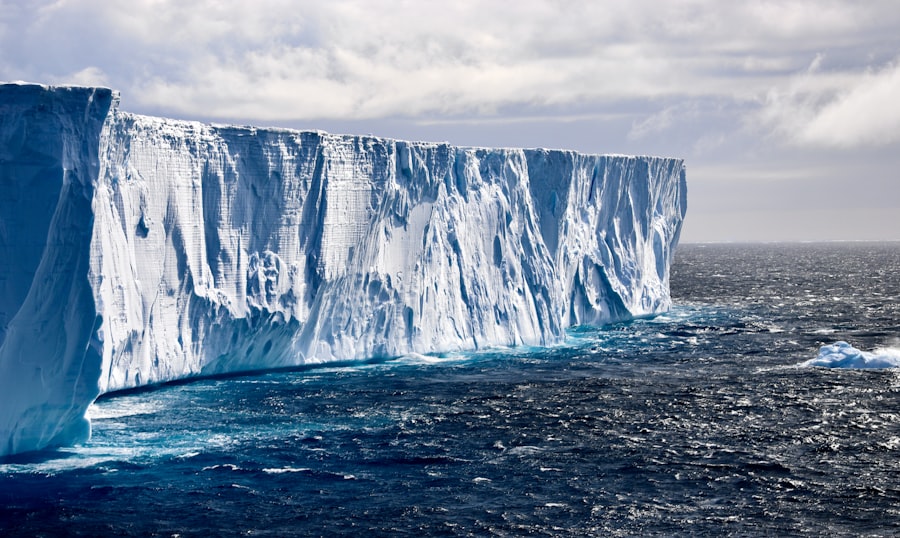
The myth of Antarctica’s ancient technology is sometimes intertwined with the “Hollow Earth” theory. This fringe belief posits that the Earth is hollow and that openings exist at the poles, through which one can access the interior. Antarctica, with its extreme environment, becomes a logical candidate for such an entrance.
Plato’s Accounts and the Origins of Hollow Earth Ideas
While the Hollow Earth theory gained traction in later centuries, some scholars trace its conceptual origins to ancient philosophies, including Plato’s writings on subterranean realms. These ancient accounts, often allegorical or philosophical, have been reinterpreted by proponents of the Hollow Earth theory as literal descriptions of a physical inner Earth.
Literary and Esoteric Interpretations
Throughout history, various writers and esoteric traditions have explored the idea of subterranean worlds. These narratives often involve hidden civilizations, lost knowledge, and mystical gateways, with the polar regions frequently serving as metaphorical or literal points of access.
Allegations of Antarctic Entrances to the Inner Earth
Proponents of the Hollow Earth theory often point to Antarctica as a primary location for these entrances. They suggest that the vast, seemingly impassable ice shelves and unexplored regions conceal passages to the Earth’s interior. These entrances are sometimes linked to unusual phenomena or unexplained disappearances.
The Scientific Model of the Earth’s Interior
The scientific model of the Earth’s interior, based on extensive seismological data and geophysical studies, describes a solid inner core, a liquid outer core, a mantle, and a crust. There is no scientific evidence to support the existence of a hollow Earth or the presence of large, accessible openings at the poles that would lead to a habitable interior. The immense pressures and temperatures within the Earth are incompatible with the idea of a hollow structure accessible from the surface.
Misinterpretations of Polar Phenomena
Certain polar phenomena, such as unusual atmospheric conditions or magnetic anomalies, are sometimes attributed to these supposed entrances. However, these phenomena have established scientific explanations related to atmospheric physics, the Earth’s magnetic field, and solar activity.
The intriguing myths surrounding ancient technology in Antarctica have captivated the imaginations of many, leading to various theories about lost civilizations and advanced knowledge hidden beneath the ice. For those interested in exploring this topic further, a related article provides insights into the mysteries of Antarctica and its potential connection to ancient technologies. You can read more about these fascinating ideas by visiting this detailed exploration of the subject.
Debunking the Myths: The Scientific Consensus on Antarctica’s Past
| Myth/Claim | Description | Alleged Technology | Source/Origin | Scientific Evidence |
|---|---|---|---|---|
| Ancient Alien Base | Claims that Antarctica hosts a hidden base built by extraterrestrials in ancient times. | Advanced alien machinery, energy sources | Ufology literature, conspiracy theories | No credible scientific evidence; disproven by satellite imagery and research |
| Prehistoric Advanced Civilization | Belief that an ancient, technologically advanced human civilization existed in Antarctica before it was covered by ice. | Unknown advanced tools, architecture | Speculative fiction, fringe archaeology | No archaeological findings support this; ice core data shows no human activity |
| Hidden Underground Cities | Myth of vast underground cities beneath the ice containing ancient technology. | Subterranean infrastructure, energy devices | Conspiracy theories, some esoteric writings | Geological surveys show no such structures; no evidence found |
| Ancient Energy Crystals | Claims that Antarctica holds crystals with powerful energy properties used by ancient beings. | Energy amplification crystals | New Age and metaphysical communities | No scientific validation; crystals found are natural minerals with no special properties |
| Lost Atlantean Technology | Theory that technology from the lost civilization of Atlantis is buried under Antarctic ice. | Advanced machinery, energy weapons | Mythology, speculative theories | No archaeological or geological evidence supports this claim |
The overwhelming scientific consensus, built upon decades of rigorous research and exploration, paints a vastly different picture of Antarctica’s history and its potential for ancient technologies. The myths, while captivating, struggle to withstand the scrutiny of empirical evidence and established scientific principles.
The Geological History of Antarctica: A Timeline of Ice and Time
Antarctica’s geological history is well-documented through the study of its rocks, ice cores, and marine sediments. The continent has experienced periods of geological activity and has been covered by ice sheets for millions of years. Scientific expeditions have meticulously analyzed ice cores, which act as frozen archives, providing invaluable data on past climates, atmospheric composition, and even evidence of ancient microbial life.
Ice Core Data: A Window into Earth’s Past
Ice cores are a treasure trove of information. By drilling deep into the Antarctic ice sheet and extracting long cylinders of ice, scientists can analyze trapped air bubbles and isotopic composition. This data allows for the reconstruction of past temperatures, greenhouse gas concentrations, and even volcanic activity. The detailed records provided by ice cores clearly indicate a long and continuous period of glaciation in Antarctica, stretching back millions of years, with no evidence of temperate climates supporting advanced civilizations in recent geological history.
Plate Tectonics and Continental Drift
The movement of tectonic plates over geological time explains the current position of Antarctica. While continents have shifted and climates have varied, the scientific evidence does not support the idea of Antarctica being a temperate landmass in the latter stages of human civilization. Its current frigid state is a result of its position at the South Pole and long-term climatic cycles.
Archeological Investigations: The Absence of Evidence
Despite extensive exploration and numerous scientific expeditions, no credible archaeological evidence of advanced ancient civilizations or their technologies has ever been discovered in Antarctica. Archeological sites in Antarctica are limited to the remains of relatively recent human exploration (e.g., historical research stations, whaling artifacts), and the continent’s hostile environment makes the preservation of ancient organic materials exceptionally difficult.
The Challenges of Antarctic Archeology
The extreme cold and harsh conditions of Antarctica present formidable challenges for archeological preservation and excavation. Any potential organic remains or artifacts from ancient civilizations would likely have been destroyed by the ice and extreme temperatures over vast timescales. This absence of evidence, while not definitive proof of absence, is highly significant in the context of prolific claims of lost civilizations.
The Scientific Method and the Burden of Proof
In the scientific realm, extraordinary claims require extraordinary evidence. The burden of proof lies with those who propose the existence of ancient Antarctic technologies to provide verifiable, empirical data that supports their theories. To date, such evidence remains elusive, consistently overridden by the well-established findings of geological and archeological research.
The Power of Scientific Inquiry: Separating Fact from Fiction
The allure of mysterious continents and lost cities is powerful, tapping into our innate curiosity and desire for untold stories. However, it is crucial to differentiate between compelling narratives and scientifically validated facts. The myths of ancient Antarctic technology, while rich in imagination, do not align with the current scientific understanding of the continent’s history, geology, or the capabilities of ancient or extraterrestrial civilizations. Continued scientific exploration and research will undoubtedly continue to unravel the true, and perhaps equally awe-inspiring, natural history of this remarkable continent. The truth of Antarctica’s past, while perhaps less fantastical than some myths, is nonetheless a testament to the powerful forces of nature and the deep history of our planet.
FAQs
What is the basis of the myths about ancient technology in Antarctica?
The myths about ancient technology in Antarctica often stem from speculative interpretations of unusual structures, ice formations, or satellite images. These claims are not supported by scientific evidence and are generally considered pseudoscientific.
Has any ancient civilization been proven to exist in Antarctica?
No credible archaeological or historical evidence has been found to support the existence of ancient civilizations in Antarctica. The continent has been covered by ice for millions of years, making sustained human habitation highly unlikely.
Are there any scientific studies related to ancient artifacts in Antarctica?
Scientific research in Antarctica primarily focuses on climate, geology, and biology. While some studies investigate meteorites and natural formations, no verified ancient artifacts or technology have been discovered on the continent.
Why do some people believe in ancient technology myths about Antarctica?
Belief in these myths is often fueled by conspiracy theories, misinterpretation of natural phenomena, and popular culture. The mystery surrounding Antarctica’s harsh environment and limited accessibility also contributes to speculation.
What is the scientific consensus on the presence of ancient technology in Antarctica?
The scientific community agrees that there is no credible evidence supporting the existence of ancient technology or civilizations in Antarctica. Research continues to focus on understanding the continent’s natural history and environmental changes.