
Earth, a planet teeming with life and shaped by millennia of human endeavor, still harbors whispers of its wild past in places where civilization’s footprint remains faint or entirely absent. These are the unclaimed territories, the untouched spaces that defy easy categorization and spark the imagination with their raw, untamed beauty. While the notion of “unclaimed” might evoke images of vast, empty deserts or impenetrable jungles, it’s a more nuanced concept, referring to regions that have resisted significant human settlement, exploitation, or permanent governance, often due to extreme environmental conditions or sheer inaccessibility. These places, though not always devoid of human presence, represent pockets of wilderness where natural processes reign supreme, offering invaluable insights into the planet’s ecological resilience and evolutionary pathways.
The Arctic, a circumpolar region cloaked in ice for much of the year, stands as one of the planet’s most formidable yet increasingly accessible frontiers. Its sheer scale and the unforgiving nature of its climate have historically kept human populations sparse, leading to the designation of vast swathes as largely unclaimed territories. While indigenous communities have thrived in these lands for millennia, their presence, deeply integrated with the environment, differs fundamentally from modern industrial colonization.
The Shifting Sands of Governance in the Far North
The political landscape of the Arctic is complex and constantly evolving. Nations bordering the Arctic Ocean – Canada, Denmark (Greenland), Iceland, Norway, Russia, Sweden, and the United States (Alaska) – all assert varying degrees of sovereignty over their Arctic territories. However, the vastness of the region, the challenges of asserting control over remote and often frozen expanses, and the presence of indigenous populations with their own traditional governance structures mean that large areas remain de facto unclaimed by any single, dominant power.
Demarcation Debates and the Race for Resources
The melting of Arctic sea ice, a direct consequence of climate change, has brought renewed attention to the region’s immense potential for natural resources, particularly oil, gas, and minerals. This has intensified territorial disputes and the need for clear maritime and terrestrial boundaries. International law, through treaties like the UN Convention on the Law of the Sea (UNCLOS), attempts to govern these claims, but the interpretation and enforcement of these laws in such a remote and sensitive environment are ongoing challenges. The potential for resource extraction, while economically enticing for some, raises significant environmental concerns and adds another layer of complexity to the idea of “unclaimed” status.
Indigenous Rights and Self-Determination
Crucially, the Arctic is not empty. Indigenous peoples, including the Inuit, Sami, and various Siberian groups, have inhabited these lands for thousands of years, possessing deep knowledge of their ecosystems and traditional governance systems. Their rights and aspirations for self-determination are central to any discussion of unclaimed territories in the Arctic. While they may not have formal state-level governance over vast tracts, their traditional stewardship and ancestral claims hold significant weight, challenging the notion of purely state-driven territorial possession. Understanding the Arctic means acknowledging the profound and enduring presence of its original inhabitants.
The Enduring Majesty of Polar Deserts
Beyond the coastal regions and inhabited areas, the Arctic encompasses vast expanses of polar desert. These are not sandy dunes, but rather treeless plains, rocky plateaus, and frozen tundra where plant life is sparse and adapted to extreme cold, low precipitation, and short growing seasons. Islands in the High Arctic, such as Ellesmere Island in Canada or Severnaya Zemlya in Russia, are prime examples. These regions are largely untouched by human development, their landscapes shaped primarily by glacial activity, wind erosion, and permafrost dynamics.
The Silence of the Unseen Ecosystems
While seemingly barren, these polar deserts are home to specialized ecosystems that have evolved remarkable adaptations. Arctic foxes, polar bears, seals, and a variety of migratory birds depend on these harsh environments for survival. The microbial life within the permafrost also plays a crucial role, influencing nutrient cycles and carbon storage. Studying these ecosystems offers invaluable insights into life’s resilience in extreme conditions and serves as a crucial baseline for understanding the impacts of climate change on these fragile environments.
The Scientific Frontier: Research Stations and Expeditions
The primary human presence in these remote polar deserts often comes in the form of scientific research stations and temporary expeditions. These outposts, often maintained by national polar programs, are vital for monitoring climate change, studying glaciology, and conducting biological research. While these stations represent a human footprint, their temporary nature and their focus on scientific inquiry distinguish them from permanent settlement or resource exploitation, leaving the surrounding vastness largely untouched.
Exploring the concept of unclaimed places on Earth can lead to fascinating discoveries about territories that remain largely untouched and unregulated. For a deeper dive into this intriguing topic, you can read an insightful article on the subject at My Geo Quest, which discusses various unclaimed regions and the implications of their existence in our modern world.
The Amazon Rainforest: A Living Labyrinth of Biodiversity
The Amazon, the world’s largest tropical rainforest, is a colossal and ancient ecosystem, a vibrant tapestry of life that sprawls across nine South American countries. While its sheer size and density have historically rendered large portions inaccessible, the concept of “unclaimed” here is challenged by ongoing deforestation, resource extraction, and the presence of indigenous peoples. Nevertheless, significant areas remain relatively untouched, representing vital bastions of biodiversity.
The Uncharted Depths: Unexplored Regions and Hidden Wonders
Despite decades of exploration and scientific study, vast tracts of the Amazon rainforest remain largely uncharted and unexplored by modern science. The dense canopy, the labyrinthine network of rivers, and the sheer ecological complexity create natural barriers that make systematic surveying and mapping incredibly challenging. These “uncharted depths” are believed to harbor an astonishing array of undiscovered species, from insects and amphibians to potentially even larger mammals.
The Ecological Significance of Untouched Biomes
These untouched biomes are not merely ecological curiosities; they are critical components of the global climate system. The Amazon rainforest plays a vital role in regulating rainfall patterns across South America and storing immense amounts of carbon. The loss of even small portions of these intact ecosystems can have cascading effects on regional and global climate stability. The preservation of these areas is therefore not just an environmental issue, but a matter of planetary health.
The Myth of Empty Wilderness: Indigenous Guardians of the Forest
The idea of the Amazon as an empty wilderness is a misconception. Indigenous peoples have lived in and managed these forests for millennia, developing sophisticated knowledge of its plants, animals, and ecological processes. Their territories, while not always formally recognized or protected by national governments, are crucial in maintaining the integrity of these forests. These indigenous communities are the true guardians of these “unclaimed” spaces, their traditional practices often being the most effective form of conservation.
The Shadow of Deforestation: A Constant Threat to Wilderness
The term “unclaimed” in the Amazon is a dynamic and often tragic one. The relentless march of deforestation, driven by cattle ranching, agriculture, logging, and mining, poses a constant threat to the remaining pristine areas. While governments have made efforts to combat deforestation, the economic pressures and the vastness of the region make enforcement incredibly difficult. The “unclaimed” spaces are therefore under siege, their existence precarious.
The Economic Drivers of Land Clearing
The economic incentives behind deforestation are powerful. The demand for beef, soy, palm oil, and timber fuels the clearing of vast tracts of forest. Illegal logging operations also contribute significantly, often operating with impunity in remote areas. The pursuit of short-term economic gain often overrides long-term ecological and social considerations.
The Role of Indigenous Land Rights and Conservation Efforts
The recognition and protection of indigenous land rights are paramount to conserving the Amazon’s remaining wilderness. When indigenous communities have secure tenure over their territories, they are often the most effective stewards of the forest. International conservation organizations and grassroots movements are also working tirelessly to protect these areas through various initiatives, including ecotourism, sustainable resource management, and advocacy for stronger environmental policies.
The Deep Ocean: A Vast and Mysterious Frontier
Beneath the shimmering surface of the world’s oceans lies a realm of unparalleled scale and mystery: the deep sea. This vast, dark, and high-pressure environment remains one of the least explored and understood frontiers on Earth. While the oceans are undeniably claimed by various nations for their resources and shipping lanes, the abyssal plains, trenches, and hydrothermal vents are, in many ways, still unclaimed territories, holding secrets that could revolutionize our understanding of life itself.
The Abyssal Plains: A World of Sediment and Slow Life
The abyssal plains, covering over half of the Earth’s surface, are vast, flat expanses of the ocean floor lying at depths of 3,000 to 6,000 meters. They are characterized by fine sediment deposited over eons and by a pervasive darkness and extreme pressure. Life here is sparse and adapted to these challenging conditions, relying on organic matter that drifts down from the surface waters or on chemosynthetic processes.
The Unseen Ecosystems of the Ocean Floor
These seemingly barren plains harbor unique ecosystems. Organisms such as sea cucumbers, brittle stars, and various species of fish have evolved specialized adaptations to survive in this environment. The slow pace of life, dictated by the scarcity of food and the extreme conditions, means that these ecosystems are incredibly fragile and slow to recover from disturbance.
The Promise and Peril of Deep-Sea Mining
The increasing interest in deep-sea mining, driven by the demand for rare earth minerals and other valuable resources found in polymetallic nodules on the abyssal plains, poses a significant threat to these largely untouched environments. While the potential economic benefits are alluring, the ecological consequences of disturbing these delicate ecosystems are poorly understood and could be irreversible. The debate over deep-sea mining highlights the tension between resource exploitation and the preservation of these unclaimed deep-sea territories.
The Extreme Environments: Trenches and Hydrothermal Vents
The deepest parts of the ocean, such as the Mariana Trench, represent the ultimate unclaimed territories on Earth. These extreme environments are characterized by crushing pressures, perpetual darkness, and near-freezing temperatures. Yet, life not only exists but thrives in these trenches, often in ways that defy our understanding of biological limitations.
Life in the Abyss: Extremophiles and Novel Organisms
Hydrothermal vents, fissures in the ocean floor that spew superheated, mineral-rich water, are oases of life in the deep sea. Here, unique communities of microbes and larger organisms, such as tube worms and specialized fish, have evolved to harness chemical energy from the vents, a process known as chemosynthesis. These extremophiles offer insights into the potential for life on other planets and have led to the discovery of novel enzymes and biochemical compounds with potential applications in medicine and industry.
The Scientific Imperative: Exploration and Discovery
The exploration of the deep sea is a testament to human curiosity and scientific endeavor. Remotely operated vehicles (ROVs) and submersibles allow scientists to venture into these alien landscapes, discovering new species and unraveling the mysteries of deep-sea ecosystems. These expeditions are crucial for understanding the planet’s biodiversity, its geological processes, and the potential impacts of human activities on these remote environments.
Antarctica: A Continent of Ice and Scientific Endeavor
Antarctica, the Earth’s southernmost continent, stands as a unique example of a territory largely preserved from commercial exploitation and territorial claims, primarily due to the Antarctic Treaty System. While its harsh climate and remoteness have always limited human settlement, the continent is not entirely unclaimed in the traditional sense, but rather governed by a unique international framework that prioritizes scientific research and peaceful cooperation.
The Treaty System: A Model of International Governance
The Antarctic Treaty, signed in 1959 and now encompassing a comprehensive set of protocols, designates Antarctica as a continent for peace and science. It prohibits military activity, nuclear testing, and mineral resource extraction, and it encourages scientific research and environmental protection. This treaty system has, for decades, kept vast swathes of Antarctica free from the kind of territorial disputes and exploitation that characterize other regions of the globe.
Scientific Research Stations: Outposts of Knowledge
The primary human presence on Antarctica is through scientific research stations operated by various nations. These stations are vital hubs for studying climate change, glaciology, astronomy, and Antarctic biology. While these stations represent a human footprint, their operations are strictly regulated by the treaty and their purpose is scientific discovery and environmental monitoring, leaving the majority of the continent in its pristine, icy state.
Environmental Protection: A Fragile Ecosystem Under Threat
Despite the protections afforded by the treaty, Antarctica’s unique and fragile ecosystem faces growing threats, particularly from climate change. Melting ice shelves, rising sea levels, and the impact of warming oceans on marine life are concerns for the future. The question of how to best protect this continent, even within the framework of the treaty, remains an ongoing challenge.
The Unfathomable Scale of the Ice Sheets
The vast ice sheets of Antarctica, covering over 98% of the continent, represent an immense and largely untouched wilderness. These colossal bodies of ice hold more than 70% of the world’s fresh water and have a profound impact on global sea levels and ocean currents. Their interior regions are among the most inhospitable places on Earth, with extreme cold and powerful blizzards deterring any significant human presence beyond scientific exploration.
The Secrets Frozen in Time: Ice Cores and Paleoclimate Data
The ice sheets themselves are archives of Earth’s history. Scientists extract ice cores, which contain trapped air bubbles and dust particles that provide invaluable data on past atmospheric conditions, temperatures, and volcanic activity stretching back hundreds of thousands of years. Studying these ice cores offers crucial insights into Earth’s climate history and helps us understand the drivers of climate change.
The Potential for Subglacial Lakes and Hidden Life
Beneath the immense ice sheets lie numerous subglacial lakes, vast bodies of liquid water that have remained isolated from the atmosphere for millennia. Lake Vostok, the largest of these, is a prime example, a pristine environment that may harbor unique microbial life that has evolved in isolation. The exploration of these subglacial lakes presents a scientific frontier that is both challenging and scientifically compelling, offering a glimpse into a world that has been untouched for eons.
Exploring the concept of unclaimed places on Earth can lead to fascinating discoveries about territories that remain untouched and unrecognized by any nation. For those intrigued by this topic, a related article offers insights into the most mysterious and uncharted locations around the globe. You can read more about these enigmatic areas by visiting this article, which delves into the history and significance of these forgotten lands.
The Patagonian Wilderness: Where Winds Sculpt Landscapes
| Continent | Area of Unclaimed Land (sq km) | Location |
|---|---|---|
| Antarctica | 1,610,000 | Various locations |
| Arctic | 8,000,000 | Various locations |
| Maritime Southeast Asia | 3,000,000 | Spratly Islands |
Patagonia, a vast and sparsely populated region at the southern tip of South America, straddling Chile and Argentina, is a land of dramatic landscapes shaped by relentless winds and glacial forces. While human settlement exists, large tracts of this wilderness remain remarkably untouched, characterized by soaring mountains, expansive glaciers, windswept steppes, and pristine coastlines.
The Majestic Peaks and Glacial Giants
The Andes Mountains form the backbone of Patagonia, presenting a formidable barrier and a canvas for breathtaking natural beauty. Here, iconic peaks like Fitz Roy and the Torres del Paine rise dramatically from the landscape, attracting climbers and adventurers from around the world. Vast glaciers, such as the Perito Moreno Glacier, carve their way through the mountains, calving icebergs into turquoise lakes, a constant reminder of the immense power of nature.
The Enduring Allure of Pristine Glacial Environments
These glacial environments are not only visually stunning but also ecologically significant. They are vital sources of fresh water and play a crucial role in shaping the Patagonian landscape. The relative lack of human development in many of these areas allows for the observation of natural glacial processes and the study of the unique flora and fauna that have adapted to this environment.
The Impact of Climate Change on Glaciers
However, even these seemingly immutable glacial giants are succumbing to the effects of climate change. The rapid retreat of many Patagonian glaciers is a stark visual indicator of global warming, highlighting the vulnerability of even these remote and vast ice formations.
The Windswept Steppes and Coastal Wilderness
Beyond the towering mountains and icy reaches, Patagonia encompasses vast expanses of windswept steppe, characterized by hardy grasses and shrubland. These seemingly monotonous landscapes are, in fact, vibrant ecosystems supporting a unique array of wildlife, including guanacos, rheas, and a variety of birds of prey. The coastline, a rugged and often inaccessible stretch of fjords and islands, is home to abundant marine life, including whales, seals, and penguins.
The Resilience of Steppe Ecosystems
The Patagonian steppe, despite its apparent harshness, is a testament to the resilience of life. The flora and fauna have evolved remarkable adaptations to survive the constant winds, low rainfall, and fluctuating temperatures. These ecosystems provide important habitats for a diverse range of species.
The Untamed Coastlines and Marine Life
The Patagonian coastline, with its intricate network of fjords and islands, remains largely undeveloped and pristine. This remoteness has allowed for the preservation of rich marine ecosystems, teeming with life. Whale watching tours and boat expeditions offer glimpses into this wild maritime world, showcasing the abundance of marine biodiversity that thrives in these cold, nutrient-rich waters.
These unclaimed territories, in their diverse and awe-inspiring forms, serve as a vital reminder of Earth’s wild heart. They are places where natural processes dictate the rhythm of existence, where biodiversity flourishes in its most resilient forms, and where the lessons of adaptation and survival are writ large. As human influence continues to expand, the preservation of these untouched spaces becomes not just a matter of ecological importance, but a fundamental responsibility for safeguarding the planet’s rich natural heritage for generations to come. They are the last bastions of true wildness, offering a glimpse into what our planet was and what, perhaps, it could remain if we choose to tread lightly and with respect.
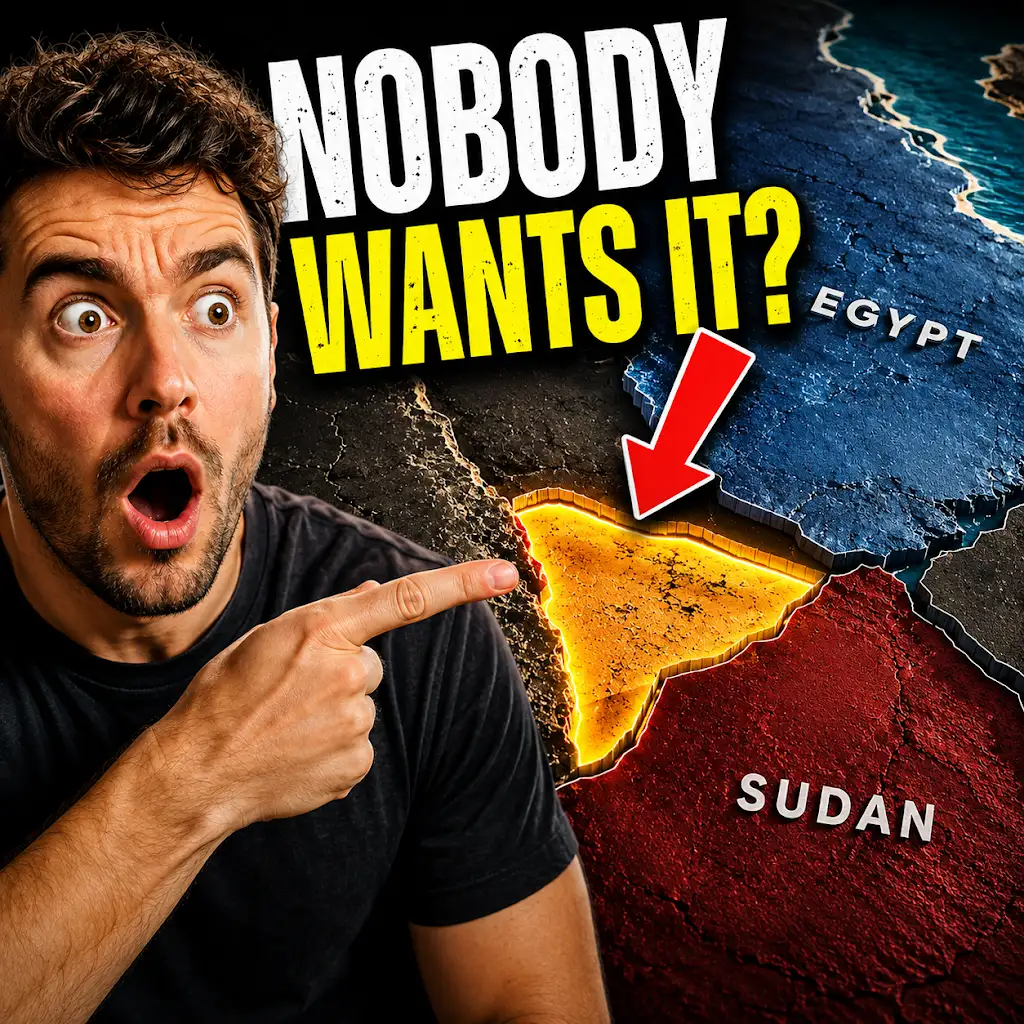
What Happens When No Country Owns a Place?
FAQs
What are unclaimed places on earth?
Unclaimed places on earth refer to areas of land or water that are not officially under the jurisdiction of any recognized sovereign state. These areas may be uninhabited, disputed, or simply overlooked by the international community.
Where are some examples of unclaimed places on earth?
Some examples of unclaimed places on earth include Bir Tawil, a 2,060 square kilometer area between Egypt and Sudan, and Marie Byrd Land, a region of Antarctica that is not claimed by any country.
Why are some places on earth unclaimed?
Some places on earth are unclaimed due to historical border disputes, unclear territorial boundaries, or the inhospitable nature of the terrain, such as remote islands or polar regions. In some cases, countries may choose not to claim certain areas in order to avoid potential conflicts with neighboring nations.
Can unclaimed places on earth be claimed in the future?
It is possible for unclaimed places on earth to be claimed in the future through diplomatic negotiations, international treaties, or legal agreements between relevant parties. However, the process of resolving territorial disputes and establishing sovereignty over unclaimed areas can be complex and may take many years to resolve.
What are the implications of unclaimed places on earth?
Unclaimed places on earth can present challenges in terms of governance, resource management, and environmental protection. These areas may also be used for scientific research, conservation efforts, or as potential sites for future development. The status of unclaimed places on earth can also have geopolitical implications and may impact international relations between neighboring countries.