
The whisper of unclaimed land is a siren song to dreamers, a tantalizing puzzle for the curious, and a tangible reminder of forgotten histories. It is the property that lingers in legal limbo, its ownership obscured by time, oversight, or circumstance, leaving it in a state of perpetual “nobody’s.” This is not the wild frontier of yesteryear, where vast territories lay fallow waiting for the ambitious. Instead, it is a more nuanced, often overlooked, phenomenon within established societies, where the very definition of ownership can become blurred. The mystery of nobody’s property is not a single narrative, but a tapestry woven from countless individual stories of lost deeds, unprobated wills, and the slow erosion of historical claims.
The concept of property ownership is typically straightforward: a clear title, a chain of deeds, and registered ownership. However, the reality can be far more complex, especially when dealing with unclaimed land. The legal frameworks governing property are designed to ensure certainty and prevent disputes, yet they can inadvertently create loopholes or situations where ownership becomes ambiguous. This ambiguity often stems from the meticulous, sometimes cumbersome, nature of property law.
When Deeds Vanish into Thin Air
Deeds, the physical manifestation of ownership, are the linchpin of property rights. Yet, for myriad reasons, these crucial documents can go missing. Natural disasters like floods or fires can obliterate records. Generational transfers of property can sometimes involve informal arrangements, where physical deeds are misplaced or never formally registered with the relevant authorities. A lapse in meticulous record-keeping, a sudden death before a will is properly executed, or even deliberate concealment can all contribute to a deed’s disappearance. The absence of a verifiable deed creates an immediate chasm in the chain of ownership, making it exceptionally difficult to prove legal possession. Without this foundational document, the land, in a practical sense, becomes unclaimed, even if a historical claim exists.
The Ghost of Unprobated Wills
Inheritance, a common pathway to property ownership, is often complicated by the process of probate. When a property owner dies without a valid will (intestate) or with a will that is not formally probated by the courts, the distribution of their assets can stall indefinitely. This can leave property in a legal grey area, technically belonging to the deceased but with no executor or clear inheritor appointed to manage or claim it. Family disputes, lengthy legal battles, or simply the passage of time can prevent the probate process from ever being completed. In such scenarios, the land remains in the name of the deceased, but without active management or legal representation, it effectively becomes unowned and susceptible to the myriad fates of unclaimed property.
Adverse Possession: The Squatter’s Rightful Claim
A fascinating and often controversial aspect of unclaimed land is the doctrine of adverse possession. This legal principle allows an individual who openly and continuously occupies another’s land for a statutory period, without the owner’s permission, to eventually claim legal title to it. This is not a simple matter of trespassing. The occupation must be hostile (without permission), actual (exercising dominion over the land), open and notorious (visible to the true owner), and continuous for the prescribed period, which varies significantly by jurisdiction. While seemingly unfair to the original owner, adverse possession is rooted in the idea that land should be used and that long-term, undisputed possession should be recognized. It serves as a mechanism to clear title on abandoned or neglected properties, though it often requires a legal challenge to finalize.
The concept of land that belongs to nobody, often referred to as terra nullius, raises intriguing questions about ownership and sovereignty. For a deeper exploration of this topic, including historical examples and contemporary implications, you can read the article available at this link. This resource delves into various aspects of unclaimed land and its significance in today’s geopolitical landscape.
The Unseen Histories Embedded in Land
Unclaimed land is rarely truly empty of history. Beneath the veneer of apparent desolation or legal ambiguity lie stories of past inhabitants, forgotten endeavors, and the ebb and flow of human activity. These lands often serve as silent witnesses to periods of economic boom and bust, cultural shifts, and the very evolution of land use.
Echoes of Abandoned Settlements
Ghost towns are perhaps the most dramatic manifestation of abandoned settlements, but countless smaller, less visible traces of past human habitation persist on unclaimed lands. These might be the foundations of long-gone homesteads, remnants of agricultural fields, or the overgrown paths of former communities. These lands may have been abandoned due to economic hardship, environmental degradation, or the lure of new opportunities elsewhere. The land itself retains the imprint of these past lives, holding within it the stories of those who once tilled its soil, built their homes upon it, and carved out their existence.
Industrial Scars and Forgotten Legacies
The industrial revolution, and subsequent periods of industrial activity, have left behind a legacy of potentially contaminated or overlooked land. Factories, mines, and processing plants, once vital economic engines, may have been abandoned when resources dwindled or environmental regulations tightened. These sites can become unclaimed due to the high cost of remediation or the complex ownership structures that result from corporate dissolutions. The land, though physically present, carries the invisible burden of its industrial past, making its reclamation and ownership a significant challenge.
The Shifting Sands of Rural Land Use
In rural areas, agricultural land can become unclaimed for a variety of reasons. Farmers may retire without heirs willing or able to take over the operation, or the land may become economically unviable for farming due to market fluctuations or soil depletion. This can lead to parcels of land lying fallow for extended periods, their ownership becoming entangled in familial estates or simply neglected. These lands, once meticulously cultivated, can revert to a wilder state, their ownership shrouded in the quiet passage of time.
The Modern Quest for “Nobody’s Property”
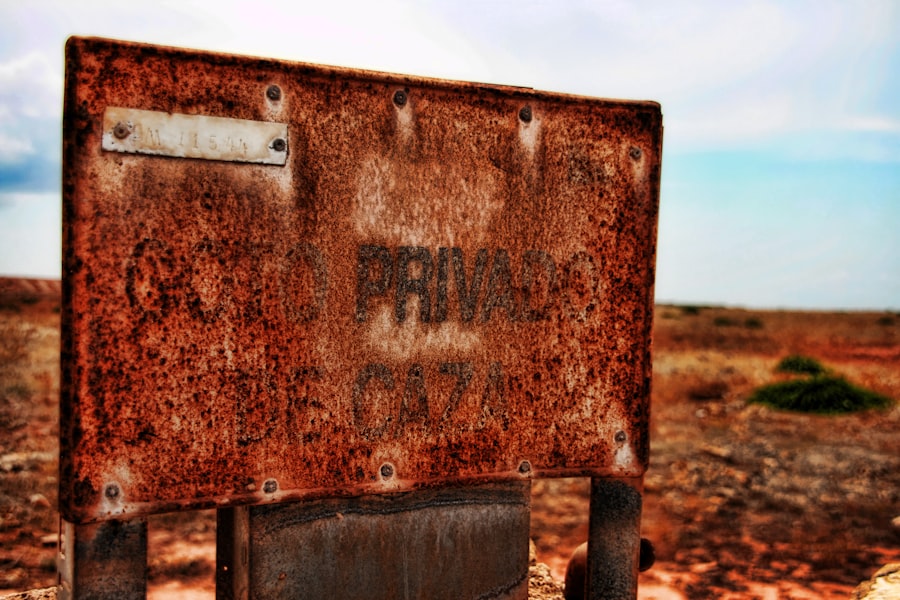
While the romantic notion of discovering a vast, uncharted territory is largely a myth, the modern pursuit of unclaimed land is very real, albeit with different motivations and methods. Governments and individuals alike have an interest in identifying and bringing these forgotten parcels back into productive use.
Escheatment: The State’s Claim to the Unclaimed
When an individual dies intestate and without any identifiable heirs, their property can, in many jurisdictions, “escheat” to the state. This is a legal process by which property reverts to the government when there are no legal claimants. While this might seem like a simple solution, the process of identifying and claiming escheated property can be lengthy and complex, often involving extensive searches for distant relatives. The land then becomes state property, managed for public benefit or sold off to generate revenue.
The Rise of the Property Prospector
A new breed of “property prospector” has emerged, individuals or companies specializing in identifying and acquiring unclaimed land. These prospectors employ a range of research methods, from meticulous historical record analysis to modern geographic information systems (GIS), to locate parcels with unclear ownership. Their goal is often to purchase these properties at a significant discount, either for resale, development, or to claim adverse possession. This is a highly specialized field, requiring a deep understanding of property law, historical research, and often, a bit of luck.
Government Initiatives for Land Re-use
Governments at various levels are increasingly recognizing the value of bringing unclaimed or underutilized land back into productive use. Initiatives aimed at cleaning up derelict industrial sites, revitalizing abandoned urban areas, or re-establishing ownership of neglected rural parcels are becoming more common. These programs often involve tax incentives, streamlined legal processes, or direct government intervention to facilitate the transfer of ownership and encourage redevelopment.
Challenges and Opportunities of Unclaimed Land
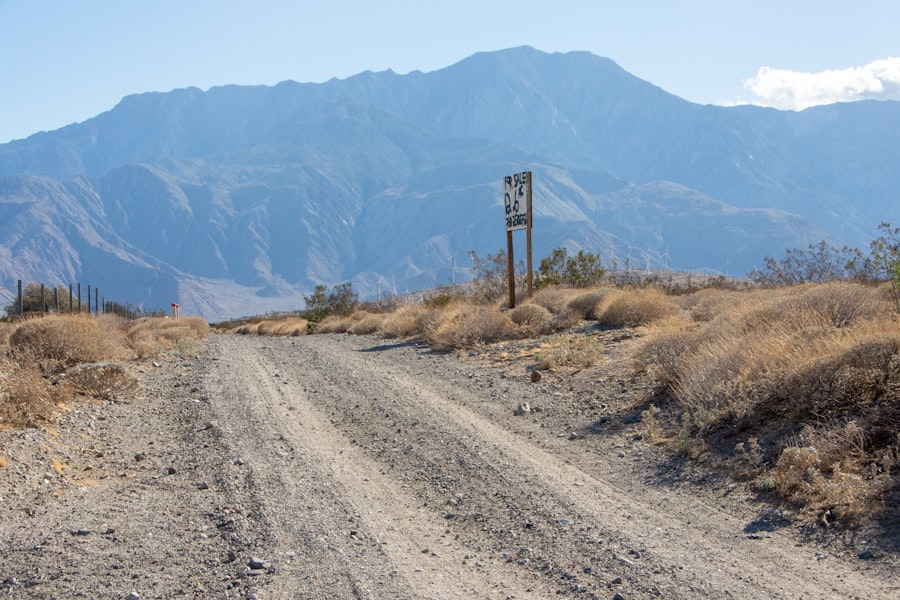
The existence of unclaimed land presents a unique set of challenges, but also significant opportunities for individuals, communities, and governments. Navigating these complexities requires a blend of legal acumen, historical understanding, and a forward-thinking approach to land use.
The Cost of Neglect: Environmental and Social Impacts
Unclaimed land, particularly former industrial sites or heavily neglected areas, can pose environmental hazards. Without proper management, these sites can become breeding grounds for invasive species, sources of pollution, or safety risks. Socially, neglected areas can contribute to blight and a sense of decay within a community. The continued existence of unclaimed land, especially in urban environments, represents a missed opportunity for housing, economic development, or public amenities.
The Economic Potential of Forgotten Parcels
Conversely, unclaimed land represents a significant economic opportunity. Acquiring these properties can be significantly cheaper than purchasing developed land, offering a lower barrier to entry for businesses and developers. The potential for revitalizing neglected areas, creating new housing, or establishing green spaces can breathe new life into communities. Identifying and unlocking this economic potential is a key driver for many involved in the pursuit of unclaimed property.
Community Development and Public Benefit
For communities, unclaimed land can be a catalyst for development and public benefit. Identifying and re-purposing these parcels can lead to the creation of affordable housing, community gardens, parks, or small businesses. Local governments often play a crucial role in facilitating this process, working with developers and community organizations to ensure that the re-use of unclaimed land serves the broader interests of the public.
In exploring the intriguing concept of land that belongs to nobody, one can delve into the fascinating details provided in a related article on this topic. The notion of terra nullius, or land that is unclaimed and without sovereign ownership, raises numerous questions about legality and ethics in modern society. For a deeper understanding of this phenomenon, you can read more in this insightful piece found at My Geo Quest, which examines various aspects of unclaimed territories around the world.
The Future of Nobody’s Property
| Country | Area of land belonging to nobody (in square kilometers) |
|---|---|
| Russia | 3,972,400 |
| Canada | 3,854,083 |
| Greenland | 2,166,086 |
| Australia | 1,371,000 |
| Antarctica | 14,000,000 |
The phenomenon of unclaimed land is unlikely to disappear entirely. As societies evolve and the passage of time continues its inexorable march, new circumstances will inevitably lead to properties slipping through the cracks of ownership. However, the approaches to dealing with this “nobody’s property” are likely to become more sophisticated and proactive.
Leveraging Technology for Unclaimed Land Discovery
The advancement of technology, particularly in data management and mapping, promises to revolutionize the identification and management of unclaimed land. Digital archives, sophisticated search algorithms, and advanced GIS technology can help pinpoint parcels with unclear ownership more efficiently. This will enable both governments and private entities to proactively identify and address these properties before they become deeply entangled in legal complexities.
The Evolving Legal Landscape
Legal frameworks are constantly adapting to address emerging challenges, and unclaimed land is no exception. We can anticipate further refinement of adverse possession laws, more streamlined processes for escheatment, and potentially, new legislative measures designed to encourage the timely resolution of ownership ambiguities. The goal will be to strike a balance between protecting established property rights and ensuring that land is not left neglected indefinitely.
A Call to Stewardship and Responsible Ownership
Ultimately, the mystery of nobody’s property serves as a powerful reminder of the importance of responsible ownership and stewardship. Whether it is a vast tract of rural land or a forgotten urban lot, ensuring clear title and active management is crucial for maintaining social order, economic vitality, and environmental health. The stories held within unclaimed land are a testament to the ever-changing landscape of human activity, urging us to be more diligent in our record-keeping and more thoughtful in our approach to the land we inhabit. The pursuit of unclaimed land, therefore, is not merely about acquiring property; it is about reclaiming history, unlocking potential, and ensuring that no piece of land remains truly forgotten.

What Happens When No Country Owns a Place?
FAQs
What is unclaimed land?
Unclaimed land refers to land that is not owned by any individual or entity and has no legal owner. This can occur for various reasons, such as abandonment, unclear ownership, or failure to pay property taxes.
Can unclaimed land be claimed by individuals?
In some cases, unclaimed land may be available for individuals to claim through a process known as adverse possession. This typically involves occupying and improving the land for a specified period of time, after which the individual may be able to obtain legal ownership.
What are the potential risks of claiming unclaimed land?
Claiming unclaimed land can come with legal and financial risks, as there may be unknown claims to the land or potential disputes over ownership. It is important to thoroughly research the history of the land and seek legal advice before attempting to claim unclaimed land.
How does unclaimed land impact local communities?
Unclaimed land can have various impacts on local communities, including potential blight, environmental concerns, and obstacles to development. Local governments may seek to address unclaimed land through initiatives such as land banking or redevelopment programs.
What are some potential uses for unclaimed land?
Unclaimed land may be used for a variety of purposes, including conservation, agriculture, affordable housing, or public amenities. Local governments and community organizations may explore options for repurposing unclaimed land to benefit the community.