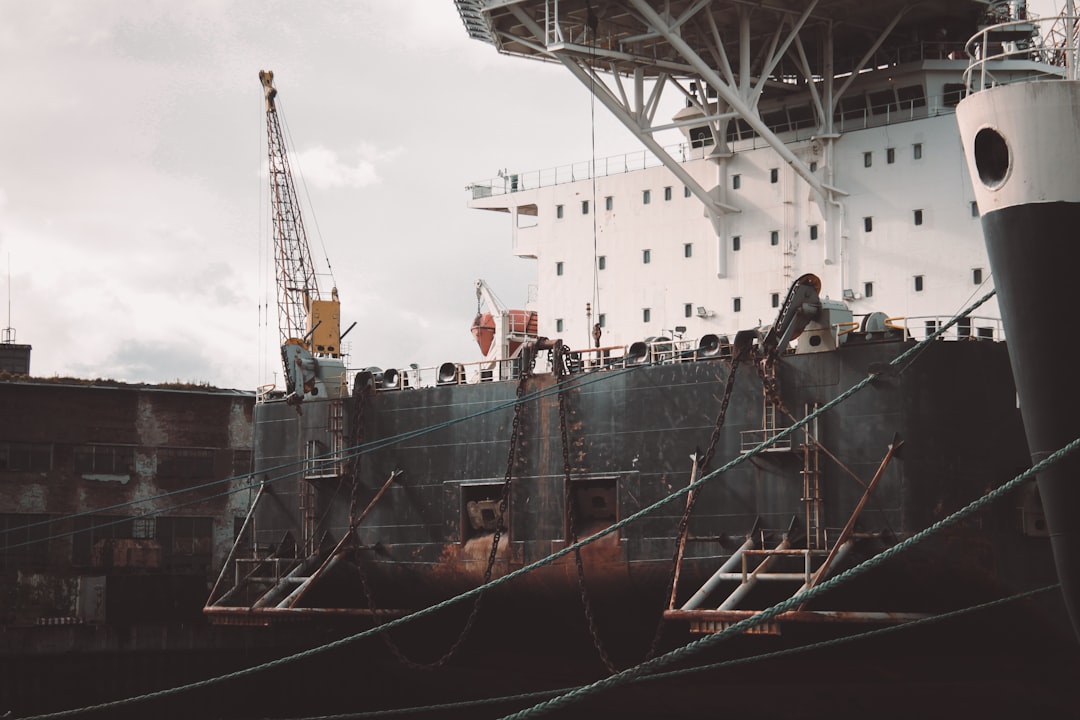
Turning Old Ships into New Steel: The Shipbreaking Recycling Process
The ocean, a vast and powerful force, is also the final resting place for countless vessels that have served their purpose. From majestic cruise liners to sturdy cargo ships, these giants of the sea eventually reach the end of their operational lives. However, their demise is not an end but a transformation. The shipbreaking industry breathes new life into these retired behemoths, meticulously dismantling them to recover valuable materials, primarily steel, and thus contributing significantly to the global supply chain of recycled metals. This intricate process, a crucial albeit often overlooked facet of sustainable resource management, involves a complex series of steps, demanding skilled labor, specialized equipment, and a keen understanding of environmental and safety protocols. It is a testament to human ingenuity, turning the carcasses of obsolete vessels into the building blocks of future infrastructure and manufactured goods.
The shipbreaking industry is a global enterprise, with specific regions emerging as dominant players due to a confluence of factors. Historically, many developed nations handled their own ship dismantling. However, economic realities, stricter environmental regulations, and the availability of cheaper labor and land in developing countries have shifted the primary hubs of this industry. This geographical concentration, while economically driven, also brings with it significant environmental and social challenges that are continuously being addressed and debated.
Historical Evolution of Shipbreaking
The practice of dismantling ships for their materials is as old as seafaring itself. Early methods were rudimentary, focusing on salvaging valuable metals and timber. As shipbuilding evolved and steel became the dominant material, the scale and complexity of shipbreaking grew. The industrial revolution and the subsequent increase in shipping tonnage led to larger vessels and, consequently, larger dismantling operations. The post-World War II era saw a boom in shipbuilding and, subsequently, an increase in the number of ships reaching retirement age, further solidifying the importance of the shipbreaking sector. Early operations were often less regulated, with significant environmental and worker safety concerns being secondary to the recovery of materials.
Dominant Shipbreaking Regions
Today, a few key regions dominate the global shipbreaking market. The Indian subcontinent, particularly India, Bangladesh, and Pakistan, handles the largest volume of end-of-life vessels. These countries possess vast beaches where ships are deliberately beached at high tide and then dismantled from bow to stern. Other significant regions include Turkey, which has a more industrialized and contained approach to dismantling, and China, which has a strong domestic steel industry that utilizes recycled ship steel. The choice of location is often influenced by factors such as labor costs, land availability, port infrastructure, and the presence of a strong demand for recycled steel.
Economic Drivers and Challenges
The economic viability of shipbreaking is driven by the fluctuating prices of scrap steel and the demand for new steel. Shipbreaking yards aim to maximize the recovery of steel, which constitutes the vast majority of a ship’s weight. However, the process is not without its economic challenges. The cost of labor, the expense of hazardous waste removal, and the investment in safety equipment can significantly impact profitability. Furthermore, the global economic climate and demand for new ships can influence the supply of vessels needing dismantling, creating periods of both surplus and scarcity. The industry also faces scrutiny regarding its contribution to pollution and the welfare of its workers, necessitating continuous adaptation and investment in more sustainable practices.
The shipbreaking steel recycling process plays a crucial role in the sustainable management of marine resources, as highlighted in a related article on MyGeoQuest. This process not only helps in recovering valuable materials from decommissioned vessels but also significantly reduces environmental impact by minimizing waste. For more insights into this important topic, you can read the full article here: MyGeoQuest.
The Journey of a Ship to the Scrap Yard
Before a ship can be transformed into new steel, it embarks on a journey that begins with its decommissioning. This phase involves a series of administrative, technical, and logistical steps, ensuring that the vessel is prepared for its final voyage to the breaking yard. The entire process is carefully managed to ensure safety, environmental compliance, and efficient material recovery.
Decommissioning and Flagging Out
The first stage involves the formal decommissioning of the vessel. This includes the surrender of its registration papers and the removal of its flag, a process often referred to as “flagging out.” This signifies that the ship is no longer in active service. This step is crucial for administrative purposes and often involves compliance with international maritime regulations. Owners may choose to flag out to a registry that has fewer restrictions or lower fees associated with end-of-life vessels, though this practice has faced criticism for potentially circumventing environmental standards.
Towage or Sailing to the Breaking Yard
Once decommissioned, the ship is either towed or sails under its own power to its designated breaking yard. The method of transit depends on the ship’s seaworthiness and the distance to the yard. If the ship is deemed not seaworthy for a long journey, it will be towed by powerful tugboats. This transit phase requires careful planning and execution, ensuring the safety of the towed vessel and the towing crew. The journey can span thousands of miles, highlighting the global nature of the shipbreaking supply chain.
Initial Surveys and Inventory
Upon arrival at the breaking yard, the vessel undergoes initial surveys. These surveys are crucial for assessing the ship’s condition, identifying potential hazards, and creating a detailed inventory of the materials to be salvaged. This includes an assessment of the types and quantities of metals, machinery, and other components that can be recycled or resold. This detailed inventory is vital for planning the dismantling process and estimating the value of the salvaged materials.
The Dismantling Process: From Hull to Hazardous Waste

The heart of shipbreaking lies in the meticulous and often dangerous process of dismantling. This involves a combination of human labor and specialized machinery, working systematically to break down the massive structure of the ship into manageable pieces. Safety and environmental considerations are paramount during this phase.
Beaching and Securing the Vessel
In many of the dominant shipbreaking regions, the vessels are deliberately beached on shorelines during high tide. As the tide recedes, the ship settles onto the sand or mudflats, providing a stable platform for dismantling. In other yards, ships are dry-docked or berthed alongside specialized dismantling platforms. Regardless of the method, securing the vessel is a critical first step to prevent movement during the dismantling process, which could lead to accidents.
Cutting and Sectionalization
The primary method of dismantling is through cutting. Workers, equipped with specialized tools like oxy-acetylene torches and hydraulic cutters, meticulously cut through the thick steel plates that form the ship’s hull and superstructure. The ship is typically sectioned into manageable pieces, allowing for easier handling and transport of the salvaged materials. This is a labor-intensive process, requiring significant skill and precision to ensure efficient separation of materials and minimize waste. The sheer scale of the steel involved demands powerful cutting equipment and well-trained personnel.
Salvaging Machinery and Components
Before the hull is completely dismantled, valuable machinery and components are carefully salvaged. This can include engines, generators, propellers, anchors, and various other systems. These components may be resold for reuse in other vessels or industries, or they can be further dismantled for their metal content. The salvaging of these complex systems requires specialized knowledge and equipment, as some parts can be very heavy and intricate. This stage adds another layer of economic value to the shipbreaking process by repurposing functional parts.
Dealing with Hazardous Materials
Ships, by their nature, contain various hazardous materials that require careful handling and disposal. These include asbestos, oils, paints, solvents, and chemicals. The shipbreaking process includes a critical phase dedicated to identifying, safely removing, and disposing of these substances according to strict environmental regulations. Failure to manage hazardous materials properly can lead to severe environmental contamination and pose significant health risks to workers and surrounding communities. This often involves specialized containment and disposal procedures, adding to the complexity and cost of shipbreaking.
Material Recovery and Recycling
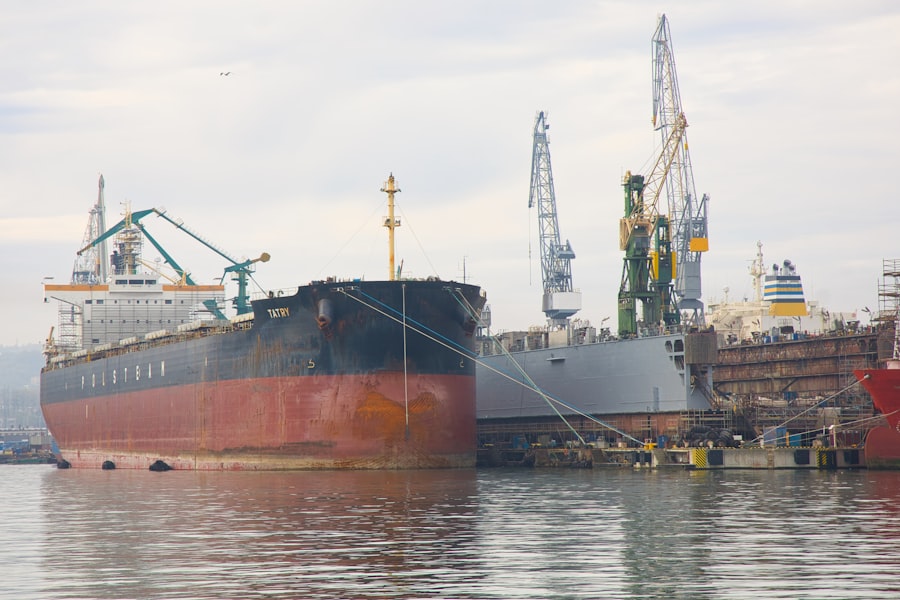
The ultimate goal of shipbreaking is the recovery of valuable materials, primarily steel, which are then channeled back into the global manufacturing sector. This circular economy approach significantly reduces the need for virgin resource extraction.
Steel Reclamation and Processing
The vast majority of a ship is made of steel. Once cut into smaller pieces, the steel is sorted and prepared for transport to steel mills. Here, it is melted down and reformed into new steel products, such as rebar for construction, steel beams for buildings, and components for automobiles and other manufactured goods. The quality of the salvaged steel is crucial, and mills have strict specifications for the types and purity of scrap metal they accept. The recycling of ship steel is a significant contributor to global steel production, reducing the environmental footprint associated with mining and smelting new iron ore.
Non-Ferrous Metal Recovery
Beyond steel, ships contain other valuable non-ferrous metals such as copper, aluminum, and brass. These metals are found in wiring, piping, and various equipment. These materials are also salvaged, sorted, and sent to specialized recyclers. While their quantities are smaller compared to steel, they represent significant economic value and further contribute to resource conservation. The recovery of these materials requires careful segregation and specialized processing to ensure their purity and marketability.
Reuse of Ship Components
As mentioned earlier, functional components salvaged from ships can be given a second life. Engines, generators, navigation equipment, and even interior furnishings can be refurbished and resold. This reduces the demand for new manufacturing of these items and offers cost-effective alternatives for ship owners and other industries. This aspect of shipbreaking aligns with the principles of reuse and refurbishment, further enhancing its sustainability credentials. The market for used ship parts is a specialized niche, but it plays a vital role in extending the lifespan of valuable equipment.
The shipbreaking steel recycling process plays a crucial role in the sustainable management of resources, as it allows for the recovery of valuable materials from decommissioned vessels. For a deeper understanding of this process and its environmental implications, you can explore a related article that delves into the intricacies of shipbreaking and its impact on the economy and ecology. To learn more, visit this informative article which provides valuable insights into the challenges and benefits of steel recycling in the maritime industry.
Environmental and Safety Considerations
| Stage | Metric | Data |
|---|---|---|
| Collection | Number of ships collected | 100 |
| Dismantling | Steel recovered per ship | 2,000 tons |
| Processing | Steel recycled | 150,000 tons |
| Reuse | Percentage of steel reused | 85% |
The shipbreaking industry, due to its nature and the historical practices in some regions, has faced significant criticism regarding its environmental impact and worker safety. However, ongoing efforts and international regulations are driving improvements in these critical areas.
Environmental Protection Measures
Modern shipbreaking operations increasingly prioritize environmental protection. This includes measures to prevent oil spills, control dust and noise pollution, and manage hazardous waste responsibly. Many yards are implementing advanced technologies and best practices to minimize their ecological footprint. International conventions, such as the Hong Kong Convention for the Safe and Environmentally Sound Recycling of Ships, aim to set global standards and ensure that ship recycling is conducted in a safe and environmentally sound manner. The focus is shifting towards contained dismantling facilities rather than open beaching.
Worker Safety and Health
The safety and health of shipbreaking workers are a paramount concern. Historically, many workers in the industry faced dangerous conditions, lack of protective equipment, and exposure to hazardous substances. However, there is a growing emphasis on implementing stringent safety protocols, providing adequate personal protective equipment (PPE), and offering regular health check-ups for workers. Training in safe handling of tools and materials, emergency procedures, and hazard identification is becoming standard practice in reputable yards. The goal is to transform the industry into one that offers decent work with appropriate safety standards, moving away from its reputation for exploitation.
The Role of Regulations and International Agreements
International regulations and agreements play a crucial role in shaping the shipbreaking industry. The Hong Kong Convention, for instance, provides a framework for ship recycling that addresses both safety and environmental concerns. Compliance with these regulations, along with national laws, is essential for responsible shipbreaking operations. Increased transparency and accountability are also being demanded by international bodies and environmental organizations. The pressure to adhere to these standards is driving investment in safer and more environmentally friendly dismantling facilities and practices, even in regions where labor costs remain low.
Moving Towards Sustainable Ship Recycling
The future of shipbreaking lies in a transition towards more sustainable and responsible practices. This involves investing in advanced dismantling technologies, adopting stringent environmental management systems, and ensuring fair labor practices. The industry is evolving, driven by a growing awareness of its environmental and social responsibilities, and the demand for ethically sourced recycled materials. The ultimate vision is a shipbreaking industry that not only efficiently recycles end-of-life vessels but does so with minimal harm to the environment and the highest regard for the safety and well-being of its workforce. This transition is a continuous journey, requiring ongoing commitment from ship owners, breaking yards, governments, and international organizations.

The Beaches Global Trade Can’t Afford to Lose
FAQs
What is shipbreaking?
Shipbreaking is the process of dismantling and recycling old ships, typically for the purpose of recovering valuable materials such as steel, copper, and aluminum.
What is the steel recycling process in shipbreaking?
The steel recycling process in shipbreaking involves cutting and dismantling the ship’s structure to recover steel plates, beams, and other steel components. These materials are then processed and recycled for use in various industries.
Why is shipbreaking steel recycling important?
Shipbreaking steel recycling is important because it helps to recover valuable steel materials from old ships, reducing the need for new steel production and minimizing the environmental impact of steel manufacturing. It also provides a sustainable source of steel for various industries.
What are the environmental concerns associated with shipbreaking steel recycling?
Environmental concerns associated with shipbreaking steel recycling include the release of hazardous materials such as asbestos, lead, and other toxic substances during the dismantling process. There are also concerns about the impact of shipbreaking activities on local ecosystems and communities.
What are the safety measures in place for shipbreaking steel recycling?
Safety measures for shipbreaking steel recycling include the use of personal protective equipment for workers, proper handling and disposal of hazardous materials, and compliance with international regulations such as the Hong Kong International Convention for the Safe and Environmentally Sound Recycling of Ships.