
The vast expanse of the ocean, a highway for global commerce, is also home to a dwindling fleet of aging behemoths: cargo ships. As these colossal vessels reach the end of their operational lives, their eventual fate presents a significant environmental and economic challenge. For decades, the primary method of disposal has involved traditional shipbreaking yards, often located in developing nations, where practices can be environmentally detrimental and pose considerable risks to human health. However, a paradigm shift is underway, one that promises to transform these retired titans of the sea into valuable resources. The concept of transforming cargo ships into steel through sustainable recycling solutions is emerging as a crucial pathway towards a more circular economy, mitigating waste, and conserving precious natural resources.
The lifespan of a cargo ship, much like any complex piece of machinery, is finite. Typically, these vessels operate for 20 to 30 years, carrying goods across continents and contributing immensely to global trade. However, as newer, more efficient, and environmentally compliant ships enter the market, older vessels are progressively retired. This retirement process, while necessary for modernization, generates a substantial volume of obsolete steel – millions of tons annually. The sheer scale of this material necessitates a responsible and sustainable approach to its management.
Understanding the Shipbreaking Lifecycle
Historically, the shipbreaking process has been characterized by its labor-intensive nature and, in many instances, a lack of stringent environmental regulations. Ships are often beached on shorelines, where they are systematically dismantled using basic tools and manual labor. This approach, while providing employment opportunities, carries significant drawbacks.
The Environmental Toll of Traditional Shipbreaking
- Hazardous Material Disposal: Cargo ships are complex structures containing a multitude of potentially hazardous materials. These include paints laden with toxic heavy metals like lead and tributyltin (TBT), asbestos used for insulation, and various oils and lubricants that can contaminate soil and water. Traditional methods often fail to adequately contain or treat these substances, leading to widespread pollution.
- Air Pollution: The cutting and dismantling processes release particulate matter, volatile organic compounds (VOCs), and other harmful emissions into the atmosphere. Without proper ventilation and pollution control measures, this can significantly impact local air quality and pose respiratory health risks to workers and nearby communities.
- Water Contamination: Runoff from dismantled ships can carry pollutants into coastal waters, harming marine ecosystems. The accidental release of fuel or hydraulic fluids during the dismantling process can also lead to devastating oil spills.
- Waste Management Deficiencies: The vast quantities of scrap metal, plastics, and other residual materials generated during shipbreaking often end up in unmanaged landfills or are simply dumped, exacerbating environmental degradation.
Socio-Economic Implications of the Old Model
While traditional shipbreaking provides employment, the working conditions can be extremely dangerous. Workers are often exposed to falling debris, toxic fumes, and sharp metal edges with inadequate safety equipment. The health consequences can be severe, including respiratory diseases, skin conditions, and long-term injuries. Furthermore, the economic benefits are often concentrated in specific regions, with limited trickle-down to the broader community and a significant portion of the value derived from the scrap metal being exported.
The Dawn of Sustainable Recycling: A Greener Horizon
Recognizing the environmental and social shortcomings of conventional shipbreaking, a new era of responsible and sustainable recycling is emerging. This approach prioritizes minimizing environmental impact, ensuring worker safety, and maximizing the recovery of valuable materials, transforming what was once a problematic waste stream into a valuable resource. The concept of recycling cargo ships into steel is at the forefront of this movement, offering a compelling alternative.
The recycling of cargo ships into steel is a fascinating topic that highlights the intersection of sustainability and industry. An insightful article that delves into this subject can be found at My Geo Quest, where it discusses the processes involved in transforming decommissioned vessels into valuable materials, as well as the environmental implications of such practices. This not only helps reduce waste but also contributes to the circular economy by repurposing materials that would otherwise be discarded.
The Journey from Vessel to Raw Material: A New Recycling Framework
The transformation of a retired cargo ship into reusable steel is a multi-faceted process that demands meticulous planning, advanced technology, and a commitment to environmental stewardship. This new framework moves away from the beaching method and embraces industrialized, controlled recycling facilities.
Strategic Dismantling and Decontamination
The first crucial step in sustainable recycling is the safe and thorough decontamination of the vessel. Before any cutting begins, a comprehensive inventory of hazardous materials is conducted. This includes identifying and safely removing asbestos, lead-based paints, PCBs, and other toxic substances. Specialized teams, equipped with the necessary protective gear and containment protocols, undertake this critical phase.
Decontamination Protocols: A Step-by-Step Approach
- Hazardous Material Identification and Segregation: Detailed surveys and material testing are performed to identify all hazardous components. These materials are then carefully removed and segregated according to their type and regulatory requirements.
- Containment and Treatment: For materials that cannot be immediately removed, containment strategies are implemented to prevent their release into the environment. Specialized facilities are often used for the treatment and safe disposal or recycling of these hazardous substances.
- Fluid Removal and Recycling: All residual oils, fuels, and hydraulic fluids are meticulously drained and stored for proper disposal or recycling. This prevents contamination of the surrounding environment and recovers valuable hydrocarbons where possible.
Controlled Cutting and Material Segregation
Once the vessel is decontaminated, the dismantling process can commence. Unlike traditional methods, sustainable recycling facilities employ controlled cutting techniques, often using advanced machinery like plasma cutters, oxy-fuel torches, and robotic systems. This allows for greater precision and efficiency, minimizing waste and maximizing the recovery of high-quality steel.
Precision Cutting and Advanced Technologies
- Automated Cutting Systems: Robotic arms and automated cutting machinery ensure precise cuts, leading to cleaner metal pieces and reduced slag generation. This also significantly enhances worker safety by minimizing direct exposure to hazardous cutting processes.
- Advanced Cutting Technologies: The use of technologies like laser cutting and water jet cutting, though more energy-intensive, can be employed for specific applications requiring extreme precision and minimal heat-affected zones.
- Modular Dismantling: Instead of a random approach, vessels are often dismantled in modular sections. This allows for more organized handling, transportation, and subsequent processing of the different components.
Maximizing Steel Recovery: The Core Objective
The primary goal is to recover as much high-quality steel as possible. Different grades of steel are meticulously segregated during the dismantling process. This ensures that the recycled steel meets the specific requirements of various industrial applications.
Responsible Waste Management and Resource Recovery
Beyond steel, sustainable recycling focuses on recovering and repurposing other valuable materials. This includes non-ferrous metals, plastics, wood, and even usable components that can be refurbished.
Diversifying Recycled Output
- Non-Ferrous Metal Recovery: Copper wiring, aluminum components, and other non-ferrous metals are meticulously separated and sent for specialized recycling. These materials often have high market value and contribute significantly to the economic viability of the recycling process.
- Plastic and Composite Recycling: While more challenging, efforts are increasingly being made to recycle plastics and composite materials found in ship interiors and components. This can involve specialized chemical or mechanical recycling processes.
- Refurbishment and Reuse: Many components, such as engines, navigation equipment, and even interior fittings, can be refurbished and sold for reuse in other industries or for parts. This further reduces waste and conserves resources.
The Steel Cycle: From Ship’s Hull to New Products
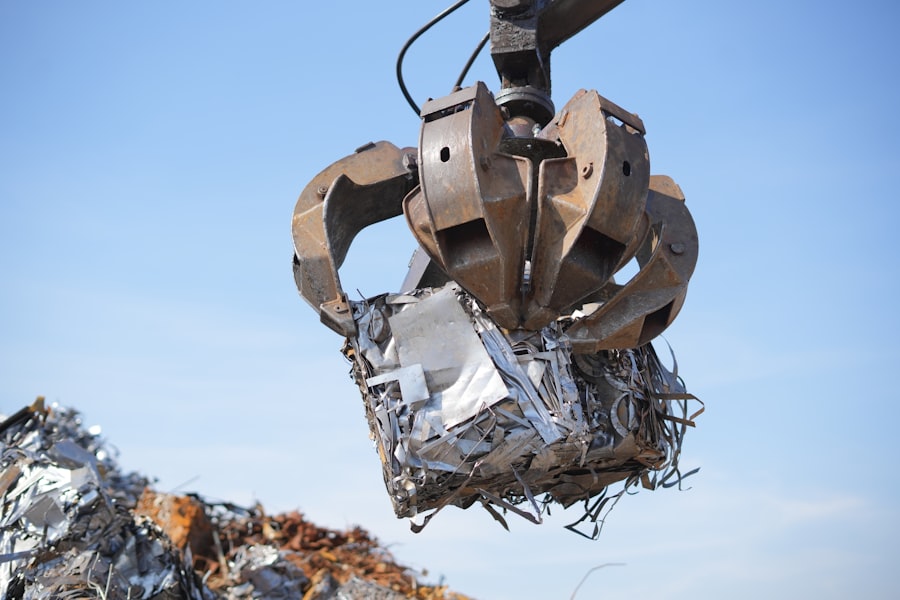
The steel recovered from cargo ships is not simply melted down and reformed into generic steel. It enters a sophisticated industrial process that ultimately contributes to the creation of new, vital products, closing the loop in a truly circular economy.
The Role of the Steel Industry in Sustainable Recycling
The steel industry plays a pivotal role in this transformation. Recycled steel, often referred to as “recycled ferrous scrap,” is a critical raw material for modern steel production. Electric Arc Furnaces (EAFs), in particular, are highly efficient at processing scrap metal.
The Electric Arc Furnace (EAF) Advantage
- Energy Efficiency: EAFs are significantly more energy-efficient than traditional blast furnaces, which rely on virgin iron ore. This translates to a lower carbon footprint in the steel production process.
- Reduced Emissions: EAFs produce fewer greenhouse gas emissions and other pollutants compared to blast furnaces, making them a more environmentally friendly option.
- Flexibility in Raw Materials: EAFs can utilize a high proportion of recycled steel scrap, making them ideal for processing materials from ship recycling.
From Scrap to Steel Ingots: The Remelting Process
The segregated steel scrap from the cargo ships is transported to steel mills. Here, it undergoes a rigorous melting process in EAFs. Intense heat, generated by electric arcs, melts the scrap into molten steel. Impurities are removed during this process, and alloying elements are added to achieve the desired steel grade.
Quality Control and Alloying
- Spectrographic Analysis: The molten steel undergoes precise chemical analysis to ensure it meets the required specifications for various applications.
- Controlled Alloying: Specific elements are added to create different steel alloys with desired properties like strength, corrosion resistance, and weldability. This allows the recycled steel to be tailored for specific manufacturing needs.
The Circularity of Steel: New Applications for Recycled Materials
The steel produced from recycled cargo ships is indistinguishable in quality and performance from virgin steel. This makes it a versatile material for a wide range of applications, further reinforcing the circular economy model.
Applications Driving Demand for Recycled Steel
- Construction Industry: The robust demand for steel in the construction of buildings, bridges, and infrastructure projects provides a significant outlet for recycled steel.
- Automotive Manufacturing: The automotive sector increasingly utilizes recycled steel in the production of vehicle bodies and components, contributing to lighter and more fuel-efficient cars.
- Manufacturing of New Ships: In a remarkable testament to circularity, steel from retired cargo ships can be used to construct new vessels, perpetuating the cycle of maritime commerce.
- Production of Consumer Goods: A vast array of everyday products, from appliances and furniture to tools and machinery, rely on steel, much of which can be sourced from recycled materials.
Economic Viability and Environmental Benefits: A Win-Win Scenario
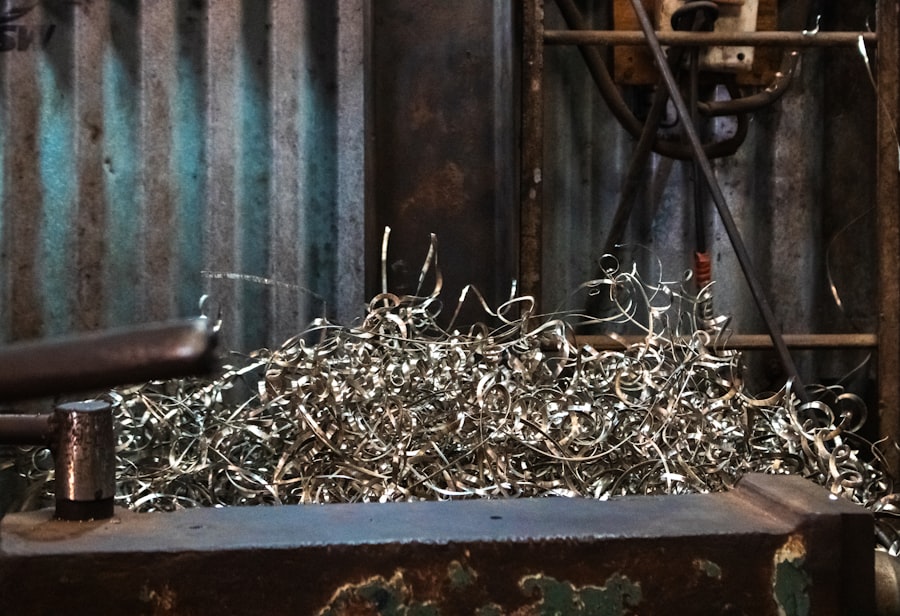
The transition to sustainable ship recycling is not merely an environmental imperative; it also presents compelling economic advantages and further amplifies the environmental benefits.
The Economic Advantages of Sustainable Recycling
- Valorization of Waste: Instead of incurring disposal costs, retired ships become valuable sources of high-grade raw materials, generating revenue for recyclers and the steel industry.
- Reduced Reliance on Virgin Resources: Utilizing recycled steel reduces the need for mining iron ore and the associated environmental impacts, such as habitat destruction and significant water usage.
- Job Creation in Developed Economies: Sustainable recycling facilities require skilled labor for deconstruction, material handling, quality control, and management, creating jobs in regions with stricter environmental regulations.
- Innovation and Technological Advancement: The drive for sustainable recycling encourages investment in new technologies and processes, fostering innovation within the maritime and recycling sectors.
Quantifiable Environmental Gains
The environmental benefits of transforming cargo ships into steel are substantial and measurable.
Reduced Carbon Footprint
- Lower Energy Consumption: As mentioned, EAFs are significantly more energy-efficient, leading to a substantial reduction in carbon emissions compared to traditional steelmaking.
- Conservation of Natural Resources: By recycling steel, we reduce the demand for mining virgin ore, which is an energy-intensive process with significant environmental consequences, including deforestation and land degradation.
Pollution Prevention
- Minimizing Hazardous Waste: Proper decontamination and dismantling prevent the release of toxic substances into the environment, protecting marine ecosystems and human health.
- Reduced Landfill Burden: Vast quantities of metal that would otherwise end up in landfills are repurposed, reducing the strain on waste management infrastructure.
Preserving Biodiversity
- Less Habitat Destruction: Reduced mining for virgin iron ore directly contributes to the preservation of natural habitats and the biodiversity they support.
- Cleaner Oceans: Preventing the uncontrolled dumping of obsolete vessels and their hazardous components keeps our oceans cleaner and healthier for marine life.
The recycling of cargo ships into steel has become an increasingly important topic in the realm of sustainable practices and environmental conservation. As the demand for steel continues to rise, many industries are looking for innovative ways to source materials while minimizing waste. A related article discusses the various methods and benefits of ship recycling, highlighting how this process not only helps in reducing the environmental footprint but also contributes to the circular economy. For more insights on this subject, you can read the article here.
The Future of Maritime Sustainability: Policy and Progress
“`html
| Year | Number of Cargo Ships Recycled | Steel Produced (tons) |
|---|---|---|
| 2015 | 45 | 1,200,000 |
| 2016 | 50 | 1,400,000 |
| 2017 | 55 | 1,600,000 |
| 2018 | 60 | 1,800,000 |
| 2019 | 65 | 2,000,000 |
“`
The shift towards sustainable ship recycling is gaining momentum, driven by increasing environmental awareness, stricter regulations, and a growing understanding of the economic and environmental benefits.
Regulatory Frameworks and International Agreements
The International Maritime Organization (IMO) and regional bodies are actively developing and enforcing regulations to promote responsible ship recycling. These frameworks aim to standardize practices, ensure transparency, and hold shipowners accountable for the end-of-life management of their vessels.
Key Regulations and Initiatives
- The Hong Kong Convention: The International Convention for the Safe and Environmentally Sound Recycling of Ships (Hong Kong Convention) provides a framework for establishing global standards for ship recycling. Ratification and implementation of this convention are crucial.
- EU Ship Recycling Regulation: The European Union has established its own stringent regulations for ship recycling, focusing on worker safety, environmental protection, and the use of authorized recycling facilities.
- Industry Best Practices: Many shipping companies and recycling yards are proactively adopting voluntary best practices that go beyond minimum regulatory requirements, demonstrating a commitment to sustainability.
The Role of Technology and Innovation
Continued investment in research and development is vital to further enhance the efficiency and sustainability of ship recycling processes. This includes developing advanced decontamination techniques, more efficient cutting technologies, and innovative methods for recycling challenging materials.
Emerging Technologies and Research Avenues
- Advanced Material Analysis: Sophisticated sensors and AI-driven analysis can further refine the identification and segregation of materials during the dismantling process.
- Bio-remediation Techniques: Research into using biological agents to break down certain hazardous substances could offer novel decontamination solutions.
- Circular Economy Platforms: Digital platforms that track materials throughout their lifecycle can improve transparency and facilitate the efficient movement of recycled materials.
The transformation of cargo ships into steel represents more than just a waste management solution; it embodies a fundamental shift towards a more sustainable and responsible approach to industrial processes. By embracing this circular model, we can unlock the inherent value within retired vessels, conserve precious natural resources, protect our environment, and pave the way for a greener future for maritime industries and beyond. The aging giants of the sea, once destined for polluting shores, are now poised to become the building blocks of a new, sustainable era.

The Beaches Global Trade Can’t Afford to Lose
FAQs
1. What is the process of recycling cargo ships into steel?
The process of recycling cargo ships into steel involves dismantling the ships and then processing the steel for reuse. This typically includes cutting the ships into smaller pieces, removing any hazardous materials, and then shredding and melting the steel to be used in new products.
2. Why are cargo ships recycled into steel?
Cargo ships are recycled into steel because it is a sustainable way to reuse the materials from the ships. Recycling the steel from cargo ships helps to reduce the demand for new steel production, conserves natural resources, and minimizes the environmental impact of ship disposal.
3. What are the environmental benefits of recycling cargo ships into steel?
Recycling cargo ships into steel has several environmental benefits, including reducing the need for new steel production, conserving natural resources, and minimizing the amount of waste that ends up in landfills. Additionally, recycling steel from ships helps to reduce the carbon footprint associated with steel production.
4. Who is involved in the process of recycling cargo ships into steel?
The process of recycling cargo ships into steel typically involves a variety of stakeholders, including ship owners, ship recycling facilities, and steel manufacturers. Additionally, government agencies and environmental organizations may be involved in regulating and overseeing the recycling process to ensure it is done in an environmentally responsible manner.
5. What are some examples of products that can be made from the recycled steel from cargo ships?
The recycled steel from cargo ships can be used to make a wide range of products, including construction materials, automotive parts, appliances, and packaging materials. Additionally, the recycled steel can be used in the manufacturing of new ships, closing the loop on the recycling process.